
Mold Inspection in Andorra, PA

Find the Mold Before It Finds You

Advanced detection technology locates hidden mold growth in walls, crawl spaces, and air ducts—giving you the full picture of what’s actually happening in your Andorra home.
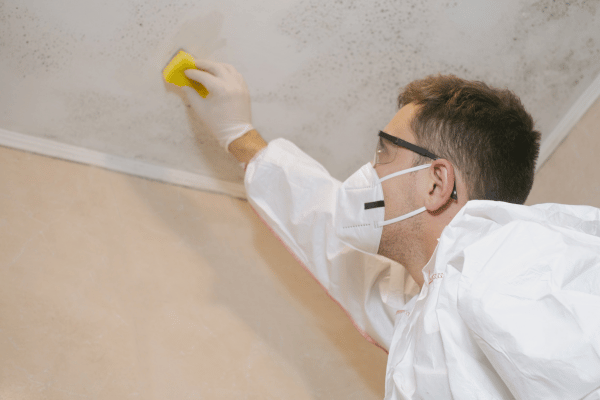
Protective worker in safety suit inspecting or treating mold spots on an indoor ceiling, addressing moisture damage and potential mold growth inside a building.

Hear from Our Customers

Home Mold Inspection Services

Know Exactly What You're Dealing With

You smell something musty. Maybe you’ve seen discoloration near a window or behind the washing machine. Or maybe you just want to know if that water leak from last winter left something behind.

A proper mold inspection doesn’t just confirm what you can see. It finds what you can’t—moisture trapped in walls, spores circulating through your HVAC system, growth starting in areas you’d never think to check. That’s what matters when you’re trying to protect your family’s health and your biggest investment.

Our inspections use thermal imaging and moisture meters to detect elevated humidity levels before mold becomes visible. We collect air and surface samples, send them to an independent certified lab, and give you a report that shows exactly which mold species are present and at what concentration. You’ll know if it’s a cosmetic issue or something that needs immediate attention. No guessing. No scare tactics. Just clear information so you can make the right call.

Mold Detection Company Andorra

Local Experts Who Understand Andorra Homes

We’ve been serving Andorra and the greater Philadelphia area for years. We know the housing stock here—row homes with shared walls, older properties with basement moisture issues, newer builds with HVAC condensation problems.

We also know Pennsylvania’s humid climate. Aspergillus, Penicillium, and Cladosporium thrive here, especially during wet seasons. That’s why we don’t treat every home the same. We look at your specific situation—your home’s age, layout, recent water events, and ventilation—and tailor the inspection accordingly.

Our team is certified, equipped with professional-grade tools, and trained to communicate findings clearly. We work directly with insurance companies when needed and provide the documentation adjusters actually require.

Protective worker collecting a mold sample from a stained indoor ceiling using a swab, inspecting moisture damage and potential mold growth inside a building.

Black Mold Inspection Process

Here's What Happens During Your Inspection

First, we walk through your home and talk. You tell us what you’ve noticed, where you’ve had leaks, what concerns you. We listen because those details matter.

Then we start the visual assessment—checking common problem areas like bathrooms, basements, attics, and around windows. We use moisture meters to measure humidity levels in walls, ceilings, and floors. If we find elevated readings, we use thermal imaging to see temperature variations that indicate hidden moisture or poor insulation.

Next, we collect samples. Air samples capture what’s circulating through your home. Surface samples test visible growth or suspicious areas. Everything gets sent to an independent lab for analysis.

Results typically come back in three to five business days. We’ll walk you through the report, explain what each mold type means, compare indoor levels to outdoor baselines, and recommend next steps if remediation is needed. If the results are clear, you’ll have documentation proving your home is safe—useful for real estate transactions or insurance purposes.

Home interior with mold remediation in progress as a worker sprays treatment on a wall using a ladder, while a resident relaxes on a covered sofa in a renovated living room.

Ready to get started?

Explore More Services

About Mack's Mold Removal

Mold Detection Services Andorra

What's Included in Your Mold Inspection

Every inspection starts with a free initial consultation. No obligation. We assess your situation and give you an honest recommendation about whether testing makes sense.

If you move forward, you get a complete property assessment—not just the obvious spots. We check behind appliances, inside HVAC systems, in crawl spaces, and other hidden areas where mold commonly grows unnoticed. Our equipment detects moisture and temperature anomalies that indicate potential problems.

Lab analysis identifies the exact species and concentration levels. This matters because not all mold is the same. Some species are more concerning than others, and concentration levels determine whether you’re dealing with normal background levels or an actual problem.

You’ll receive a detailed written report with photos, lab results, moisture readings, and our professional assessment. If remediation is necessary, we’ll outline what needs to happen. If your insurance covers mold damage, we’ll provide the documentation your adjuster needs. And because we handle both inspection and remediation, there’s no coordination headache between multiple companies.

Andorra’s housing density—with 43.4% of homes being row houses or attached units—creates unique challenges. Mold in one unit can affect neighbors. Shared walls trap moisture. Our inspections account for these factors specific to how people actually live in this neighborhood.

How do I know if I actually need a mold inspection?

You need an inspection if you smell persistent musty odors without an obvious source, if you’ve had any water damage in the past year, or if you’re seeing discoloration on walls or ceilings. You should also test if someone in your home is experiencing unexplained respiratory issues, allergies, or headaches that improve when they leave the house.

Home sales and purchases are another common reason. Buyers want documentation before closing. Sellers want to address issues before they kill a deal—50% of buyers walk away when mold is discovered during inspection.

DIY test kits from hardware stores won’t give you the full picture. They can’t tell you which mold species you have, can’t measure concentration levels, and can’t detect hidden growth. Professional testing uses calibrated equipment and certified lab analysis to give you actionable information, not just a yes-or-no answer.

Air testing captures mold spores circulating through your home’s air. We collect samples from multiple rooms and compare them to outdoor air as a baseline. This shows whether you have elevated spore levels indoors and identifies which species are present. It’s especially useful when you smell mold but can’t find the source, or when you want to verify that your HVAC system isn’t spreading spores throughout the house.

Surface testing involves taking samples from visible growth or suspicious areas. We use swabs or tape lifts to collect material, then send it to the lab for species identification. This confirms whether that discoloration is actually mold and, if so, what type.

Most comprehensive inspections include both. Air testing shows what you’re breathing. Surface testing confirms what’s growing. Together, they give you the complete picture of your indoor air quality and any contamination issues. The lab results specify genus and species, which helps determine health risks and the appropriate remediation approach.

The on-site inspection typically takes one to two hours depending on your home’s size and complexity. We’re thorough but efficient. We’ll walk through the entire property, use our detection equipment, collect samples, and answer your questions before we leave.

Lab results usually come back in three to five business days. The lab needs time to culture samples and perform proper analysis. We can request expedited processing if you’re under a deadline—like a real estate closing—but standard turnaround is sufficient for most situations.

Once we receive the lab report, we’ll schedule a time to review it with you. We’ll explain what each finding means, show you where problems exist, and discuss next steps. If remediation is needed, we’ll provide a detailed scope of work and timeline. If results show normal levels, you’ll have documentation proving your home is safe. Either way, you’ll know exactly where you stand within a week of the initial inspection.

Insurance coverage for mold depends on what caused it. If mold resulted from a covered peril—like a burst pipe or roof leak from storm damage—your policy will typically cover both remediation and repairs. If it developed from long-term neglect, poor maintenance, or chronic humidity issues, coverage is unlikely.

The inspection itself usually isn’t covered, but it’s necessary documentation for any claim. Insurance adjusters require professional assessment with lab results before approving remediation costs. We work directly with insurance companies and know what documentation they need. We’ll provide detailed reports, photos, moisture readings, and scope of work that meets their requirements.

Pennsylvania has no state regulations governing mold, which means insurance companies have significant discretion in how they handle claims. Having professional documentation from a certified inspector strengthens your position. We’ve helped many Andorra homeowners navigate the claims process, and we’ll communicate directly with your adjuster if needed. Even if insurance doesn’t cover everything, you’ll know the actual cost upfront—no surprises.

Aspergillus, Penicillium, and Cladosporium are the most common species we find in Andorra. Pennsylvania’s humid climate—especially during spring and summer—creates ideal conditions for these molds to thrive indoors when moisture levels aren’t controlled.

Aspergillus appears as black, green, or yellow growth and commonly develops in HVAC systems, on drywall, and in areas with water damage. Some species produce mycotoxins that can cause respiratory issues. Penicillium is the blue-green mold you often see on food, but it also grows on water-damaged materials like wallpaper, carpet, and insulation. It spreads quickly and can trigger allergic reactions.

Cladosporium is olive-green or brown and grows on both warm and cool surfaces. You’ll find it on fabrics, wood surfaces, and in HVAC systems. While it’s less toxic than some species, it still causes respiratory problems for sensitive individuals. Stachybotrys—the “black mold” everyone worries about—is less common but does occur in homes with significant water damage or chronic moisture problems. Lab testing identifies exactly which species you have so you know what you’re dealing with and can respond appropriately.

Small areas—less than 10 square feet of surface mold on non-porous materials—can often be cleaned with household products. But here’s what most people don’t realize: visible mold is usually just part of the problem. If you see growth on drywall, there’s likely more behind it. If you smell mold but don’t see it, it’s hidden somewhere you can’t reach.

DIY cleaning also risks spreading spores throughout your home. Disturbing mold releases thousands of spores into the air. Without proper containment and air filtration, you’re contaminating areas that were previously clean. You’re also exposing yourself to concentrated spore levels without respiratory protection.

Professional remediation involves containment barriers, negative air pressure, HEPA filtration, proper disposal of contaminated materials, and antimicrobial treatment. We follow protocols that prevent cross-contamination and ensure complete removal. We also address the moisture source—because if you don’t fix what caused the mold, it’ll just come back. An inspection tells you whether you’re dealing with a small cosmetic issue or something that requires professional intervention. Either way, you’ll make an informed decision instead of guessing.

Other Services we provide in Andorra