
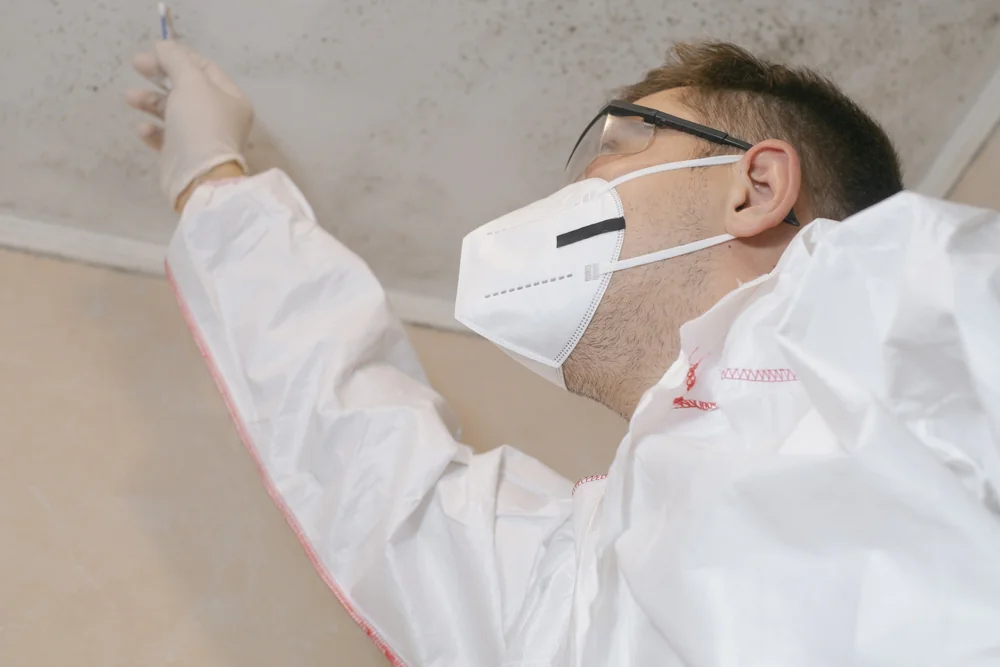
Hear from Our Customers
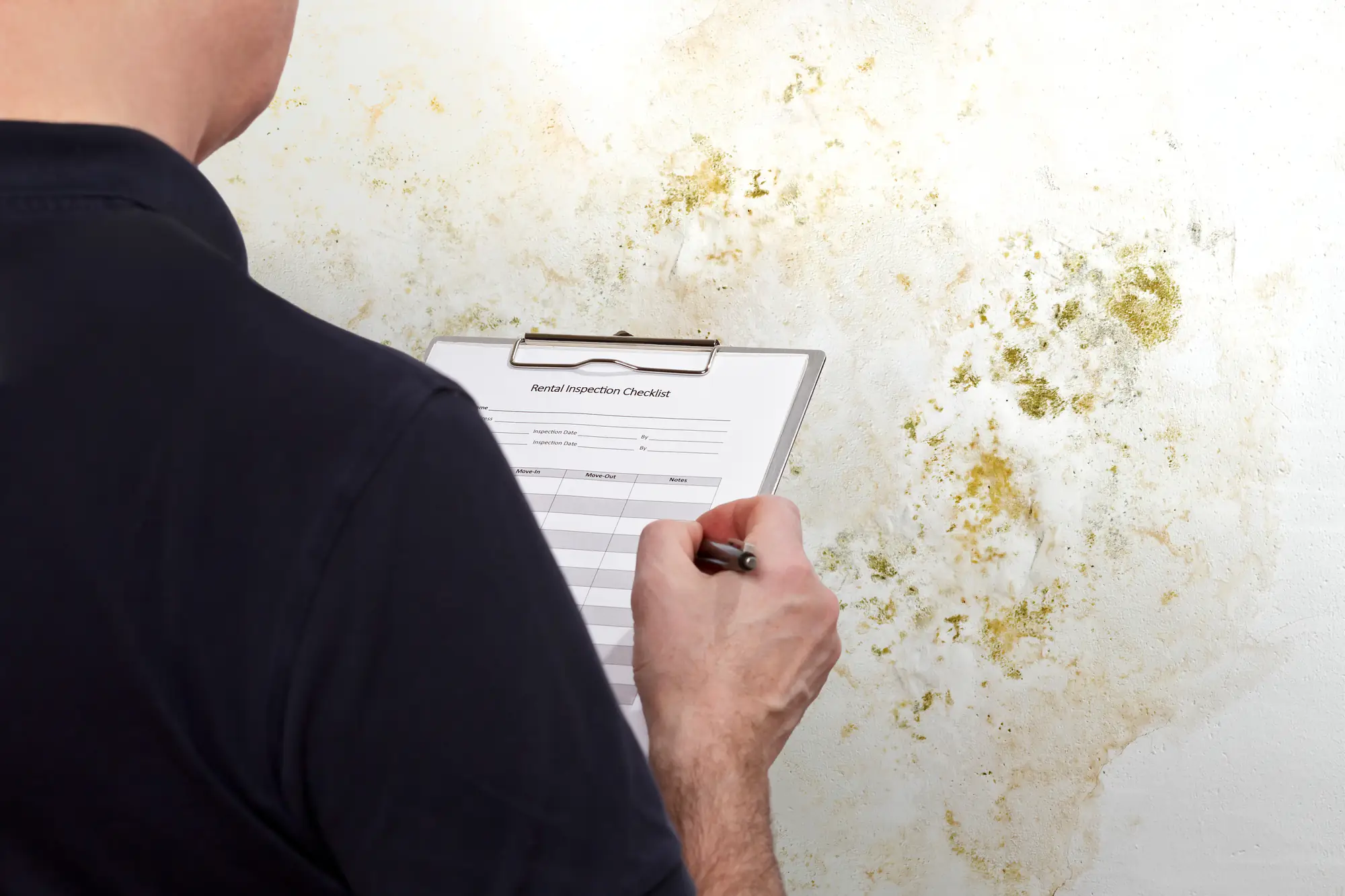
You can’t fix what you can’t see. That’s the problem with mold in Oxford Valley homes—it hides behind walls, under floors, in crawl spaces you’d never think to check.
A real mold inspection gives you the full picture. We use thermal imaging and moisture mapping to find mold where it actually grows, not just where it shows up. You get air quality testing that tells you what’s floating around your home, and a written report that breaks down what we found, where it is, and what needs to happen next.
No guessing. No “maybe it’s fine.” Just clear answers so you can make the right call for your home and your family. If there’s mold, you’ll know exactly what type, how much, and whether it’s something that needs immediate attention or just monitoring.
We’ve been inspecting homes in Bucks County since the late ’90s. We’re certified in residential and commercial mold inspection, and we’ve seen what Pennsylvania’s wet climate does to basements, attics, and crawl spaces.
Oxford Valley sits in a region where humidity and precipitation have both climbed over the last decade. That means more moisture, more condensation, and more chances for mold to take hold. We know the homes here—the construction styles, the common problem areas, the signs most people miss until it’s already spread.
We’re not the cheapest option, and we’re fine with that. You’re paying for equipment that actually works, inspectors who know what they’re looking at, and reports detailed enough to hold up if things ever go legal.
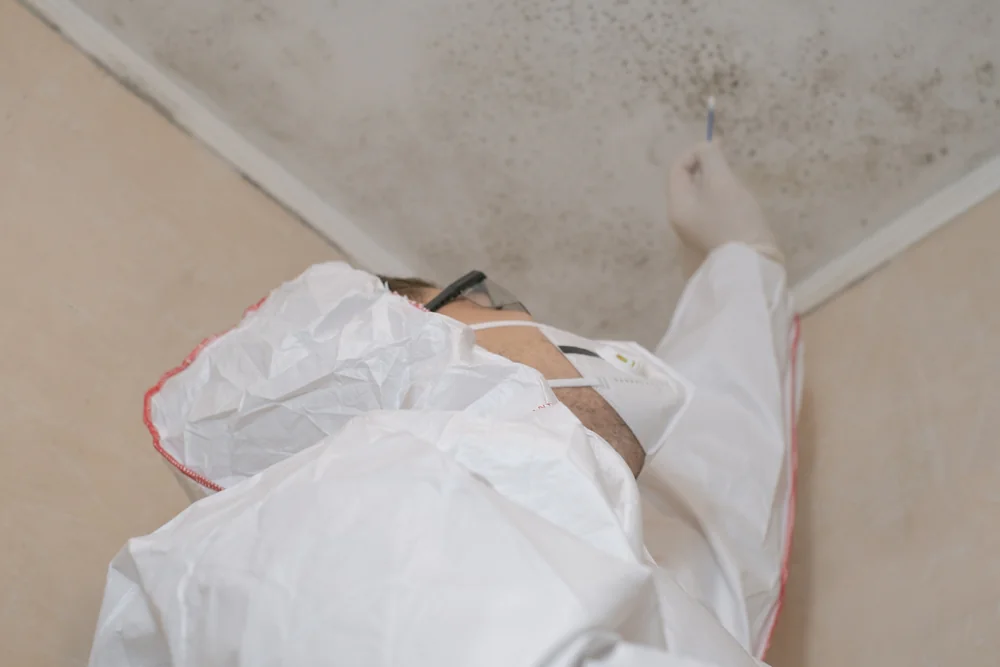
First, we walk through your property and look at the areas you’re concerned about—plus the ones most people forget. Basements, attics, HVAC systems, anywhere water or humidity tends to collect.
We use infrared moisture mapping to detect water you can’t see. If there’s elevated moisture behind a wall or under flooring, we’ll find it. Then we take air samples from different rooms to measure mold spore levels and identify what types are present.
If we see visible growth or suspect hidden contamination, we’ll take surface samples too. Everything gets sent to a lab for analysis. Within a few days, you’ll get a full report that explains what we found, where the moisture is coming from, and what your options are. If remediation is needed, we’ll lay out a plan. If it’s minor, we’ll tell you that too.
You’ll also get photos, moisture readings, and lab results you can share with your insurance company, a buyer’s agent, or a contractor. The goal is to give you enough information to move forward with confidence.

Ready to get started?
Every mold inspection we do in Oxford Valley includes a full visual assessment, moisture detection with thermal imaging, and at least two air samples. We check humidity levels, inspect HVAC systems, and look for water intrusion points like roof leaks, foundation cracks, or poor drainage around the property.
You’re not just getting someone with a flashlight. We bring calibrated tools that measure moisture content in building materials, infrared cameras that show temperature differentials where water is hiding, and lab-certified air sampling equipment.
The report you receive breaks down every finding in plain language. You’ll see exactly where moisture levels are too high, which rooms tested positive for mold spores, and what species were detected. We also include recommendations—whether that’s fixing a leak, improving ventilation, or moving forward with mold removal.
In Bucks County, where annual rainfall has increased and basements stay damp for months at a time, these details matter. A surface-level inspection won’t catch what’s growing in your insulation or behind drywall. Ours will.
Most mold inspections in Bucks County start around $350 and go up depending on the size of your property and how many samples you need. That typically includes a visual inspection, moisture detection, and two air samples with lab analysis.
If your home is larger or you want additional surface samples, the cost goes up. But you’re paying for accuracy. A cheap inspection that misses hidden mold ends up costing more when the problem spreads.
We’ll give you an upfront price before we start. No surprises, no upselling once we’re on-site. If you’re buying or selling a home, this is usually money well spent—it either gives you leverage in negotiations or confirms the property is clean.
Musty smells are the big one. If a room smells like mildew or wet cardboard, there’s mold growing somewhere—even if you can’t see it. Discoloration on walls or ceilings, peeling paint, or warping baseboards are also red flags.
Health symptoms matter too. If anyone in your home is dealing with unexplained respiratory issues, headaches, or allergy-like symptoms that won’t go away, mold exposure could be the cause. It’s not always obvious, especially with black mold or hidden growth behind walls.
Water damage is another trigger. If you’ve had a leak, a flood, or even just persistent condensation in your basement or attic, mold is likely already growing. It doesn’t take long—48 hours of moisture is enough. If any of this sounds familiar, don’t wait. The longer mold sits, the worse it gets.
You can buy a DIY mold test kit, but it won’t tell you much. Most kits just confirm that mold spores are present—which they are in every home. They don’t tell you what type, how much, or whether it’s actually a problem.
A professional mold inspection uses calibrated equipment to measure moisture levels, airborne spore counts, and contamination in specific areas. We know where to look and what to test. We also know the difference between normal background mold and an active infestation that’s affecting your air quality.
If you’re dealing with health symptoms, planning to buy or sell a home, or you’ve had water damage, a professional inspection is worth it. You’ll get lab results, a written report, and a clear plan. DIY kits don’t give you any of that.
Most inspections take two to three hours depending on the size of your home and how many areas we’re testing. We’re not rushing through it—we’re checking basements, crawl spaces, attics, HVAC systems, and anywhere else moisture tends to hide.
After the inspection, samples go to a lab for analysis. You’ll usually get results and a full report within three to five business days. If it’s urgent, we can request expedited lab processing.
The inspection itself is non-invasive. We’re not tearing into walls unless we see a reason to and get your approval first. We use thermal imaging and moisture meters to detect problems without causing damage. Once we’re done, you’ll know exactly what’s going on and what needs to happen next.
Mold inspection is the detective work. We find the mold, test it, measure moisture levels, and give you a report that explains what’s happening and why. Remediation is the actual removal and cleanup.
You need an inspection first to know what you’re dealing with. Remediation without testing is just guessing—you might miss hidden growth or treat the wrong areas. A good inspection tells you where the mold is, what type it is, and what’s causing it so remediation can be done right the first time.
We do both, but they’re separate services. Some companies skip the inspection and go straight to remediation, which can lead to incomplete work or unnecessary costs. We’d rather give you the full picture first so you’re not paying to fix problems that don’t exist or missing ones that do.
It depends on what caused the mold. If it’s from a sudden, covered event like a burst pipe or storm damage, your insurance might cover inspection and remediation. If it’s from long-term neglect, poor maintenance, or humidity issues, probably not.
Pennsylvania doesn’t have state regulations requiring mold coverage, so it varies by policy. You’ll need to check your specific plan or call your insurance company. Even if they don’t cover the inspection upfront, having a professional report can help your claim if remediation is needed.
We’ve worked with plenty of insurance adjusters in Bucks County. Our reports include all the documentation they typically ask for—photos, lab results, moisture readings, and a scope of work. If your claim gets approved, that report is what makes it happen.
Other Services we provide in Oxford Valley