

Hear from Our Customers
You shouldn’t have to wonder if mold is hiding behind your walls or making your family sick. When we’re done, you’ll know exactly what was there, what we removed, and what we fixed to stop it from growing back.
Most mold problems in Oxford Valley and Bucks County start the same way. A basement that stays damp after heavy rain. An attic that doesn’t breathe right during humid summers. A bathroom fan that never worked quite right. These aren’t just moisture problems—they’re mold invitations.
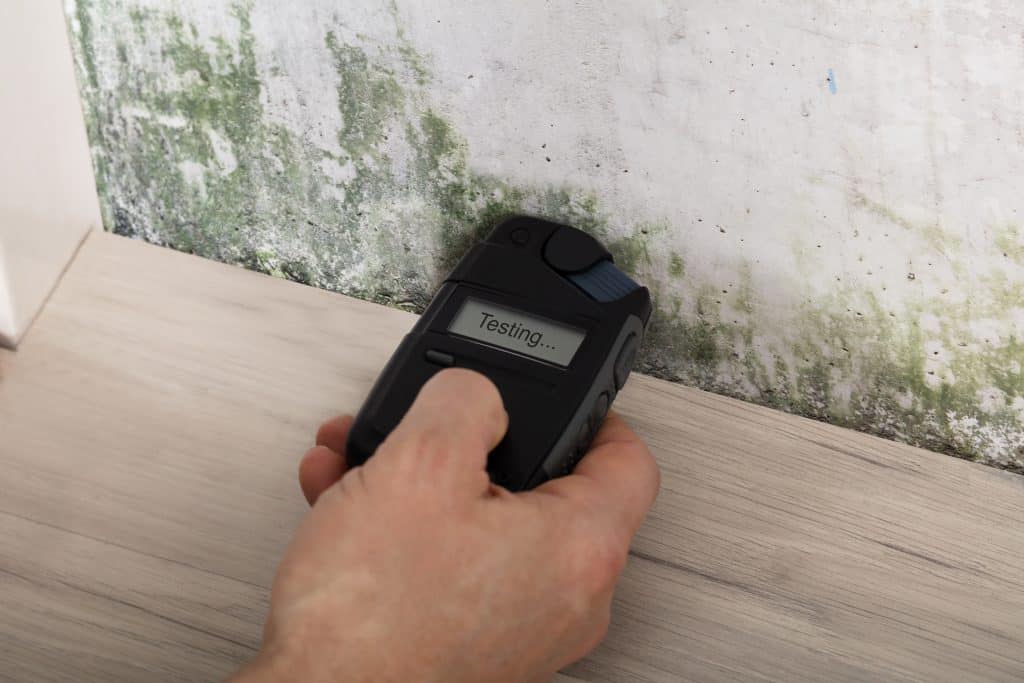
We don’t just clean what you can see. We use moisture meters and thermal imaging to find where water is getting in, where humidity is building up, and where mold is growing that you can’t see yet. Then we remove it properly and address the source. That’s how you actually solve a mold problem instead of just covering it up for a few months.
Mack’s Mold Removal has been handling mold problems across Bucks County for years. We’ve seen what happens when spring flooding hits basements in Langhorne. We know how summer humidity creeps into attics in Newtown. We understand that older homes in this area weren’t built with the ventilation standards we have today.
That local knowledge matters when you’re trying to figure out why mold keeps coming back. We’re not a national franchise following a script. We’re the team that shows up, looks at your specific situation, and tells you exactly what’s happening and what it’ll take to fix it right.

First, we come out for a free inspection. We’re looking at the visible mold, but we’re also checking moisture levels, airflow, and any signs of water intrusion. We use thermal imaging cameras to spot temperature differences that indicate moisture behind walls or ceilings.
Once we know what we’re dealing with, we give you a clear estimate. No surprises. If your insurance covers mold remediation, we’ll work with them directly to make that process easier for you.
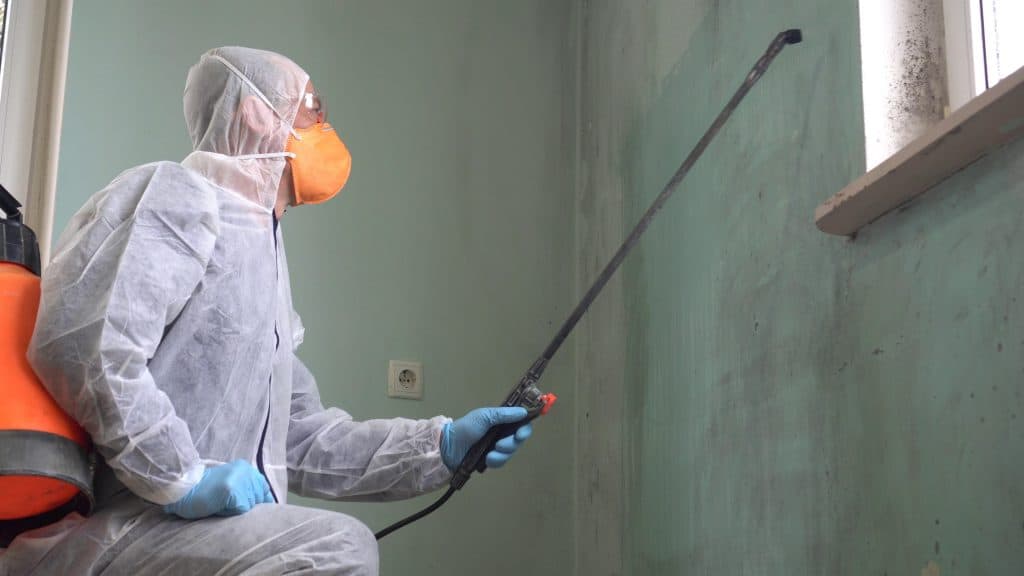
During removal, we contain the area to prevent spores from spreading to other parts of your home. We remove contaminated materials safely, treat affected surfaces, and use air scrubbers to clean the air. Then comes the important part: fixing whatever caused the mold. That might mean improving ventilation, sealing a foundation crack, or addressing a plumbing leak.
After everything is removed and the source is fixed, we do a final inspection to make sure moisture levels are where they should be. You’ll know the job is done right.
Ready to get started?
Black mold removal is one of the most common calls we get in Oxford Valley. It shows up in bathrooms, basements, and anywhere moisture sits too long. We remove it safely using proper containment and disposal methods, not just bleach and hope.
Basement mold is especially common here because of how Bucks County soil drains—or doesn’t drain—after heavy rain. We look at foundation issues, sump pump function, and humidity control. Attic mold usually comes from poor ventilation combined with Pennsylvania’s humid summers. We address both the mold and the airflow problem.
Our mold cleaning services also cover HVAC systems, which can spread spores throughout your home if they’re contaminated. We inspect ductwork, clean what needs cleaning, and make sure your system isn’t making your mold problem worse. Every job includes moisture testing and a clear explanation of what we found and what we fixed. You’re not just getting mold removal—you’re getting the reason it won’t come back.
Most mold removal jobs in Bucks County run between $1,400 and $3,300, with the average around $2,300. But that’s a wide range because every situation is different.
A small patch of mold in a bathroom might cost $500 to handle if it’s surface-level and the source is obvious. A basement with widespread growth behind drywall after flooding could run $5,000 or more because of the demolition, treatment, and reconstruction involved.
What drives the cost is how much mold there is, where it’s located, what caused it, and what needs to be removed or repaired. We give you a detailed estimate after the inspection so you know exactly what you’re paying for. If insurance covers it, we’ll work with them directly. If not, we offer financing options to make it manageable.
A straightforward mold removal job usually takes one to three days. That includes containment, removal, treatment, and cleanup. Larger jobs or situations where we need to remove drywall, flooring, or other materials can take a week or more.
The timeline also depends on how long it takes to dry out the affected area and address the moisture source. If we’re fixing a plumbing leak or improving ventilation, that adds time. But we’re not rushing through it just to finish faster—we’re making sure it’s done right.
We’ll give you a realistic timeline during the estimate. If something changes during the job—like finding more mold than expected—we’ll let you know immediately and explain what needs to happen next.
In most cases, yes. We use containment barriers and negative air pressure to keep mold spores from spreading to other areas of your home. The work area is sealed off, and air scrubbers filter the air continuously.
If the mold problem is extensive or involves a central HVAC system that’s contaminated, we might recommend staying elsewhere temporarily. Same thing if you or a family member has severe allergies, asthma, or a compromised immune system—it’s just safer to avoid any exposure during the removal process.
We’ll be upfront during the inspection if we think you should leave for a few days. Most of the time, though, you can stay in your home as long as you avoid the contained work area.
Not if we fix the source of the moisture. Mold needs water to grow. If we remove the mold but don’t address the leak, the humidity problem, or the ventilation issue, it’ll come back. That’s why we don’t just clean—we find and fix what’s causing it.
After removal, we check moisture levels to make sure everything is dry and staying dry. We’ll also tell you what to watch for and how to prevent future problems. That might mean running a dehumidifier in your basement, fixing a gutter that’s overflowing, or improving attic ventilation.
If mold does come back in the same area after we’ve treated it, that tells us there’s a moisture source we missed or a new issue that’s developed. We’ll come back and figure out what’s going on. But when the source is properly addressed, mold doesn’t return.
Visible mold is the obvious sign—black, green, or white patches on walls, ceilings, or other surfaces. But you don’t always see it right away, especially if it’s growing behind drywall, under flooring, or in your attic.
Other signs include a musty smell that doesn’t go away, water stains or discoloration on walls or ceilings, and increased allergy symptoms when you’re home. If you’ve had any water damage—from flooding, a leak, or even just high humidity—there’s a good chance mold is growing somewhere.
We offer free inspections, and we use moisture meters and thermal imaging to find hidden problems. If you’re noticing any of these signs or you just want peace of mind, call us. We’d rather check and find nothing than have you wait until a small problem becomes a big one.
Sometimes. It depends on what caused the mold and what your policy says. Most homeowners insurance will cover mold removal if it’s the result of a sudden, accidental event—like a burst pipe or storm damage. They usually won’t cover it if the mold developed because of long-term neglect or lack of maintenance.
Pennsylvania doesn’t require insurance companies to include mold coverage, so some policies exclude it entirely or cap the coverage at a low amount like $5,000. You’ll need to check your specific policy or call your insurance company to know for sure.
We work with insurance companies regularly and can help you through the claims process. We’ll document everything, provide detailed estimates, and communicate directly with your adjuster if needed. Even if insurance doesn’t cover it, we offer financing options to make the cost manageable.
Other Services we provide in Oxford Valley