
Hear from Our Customers
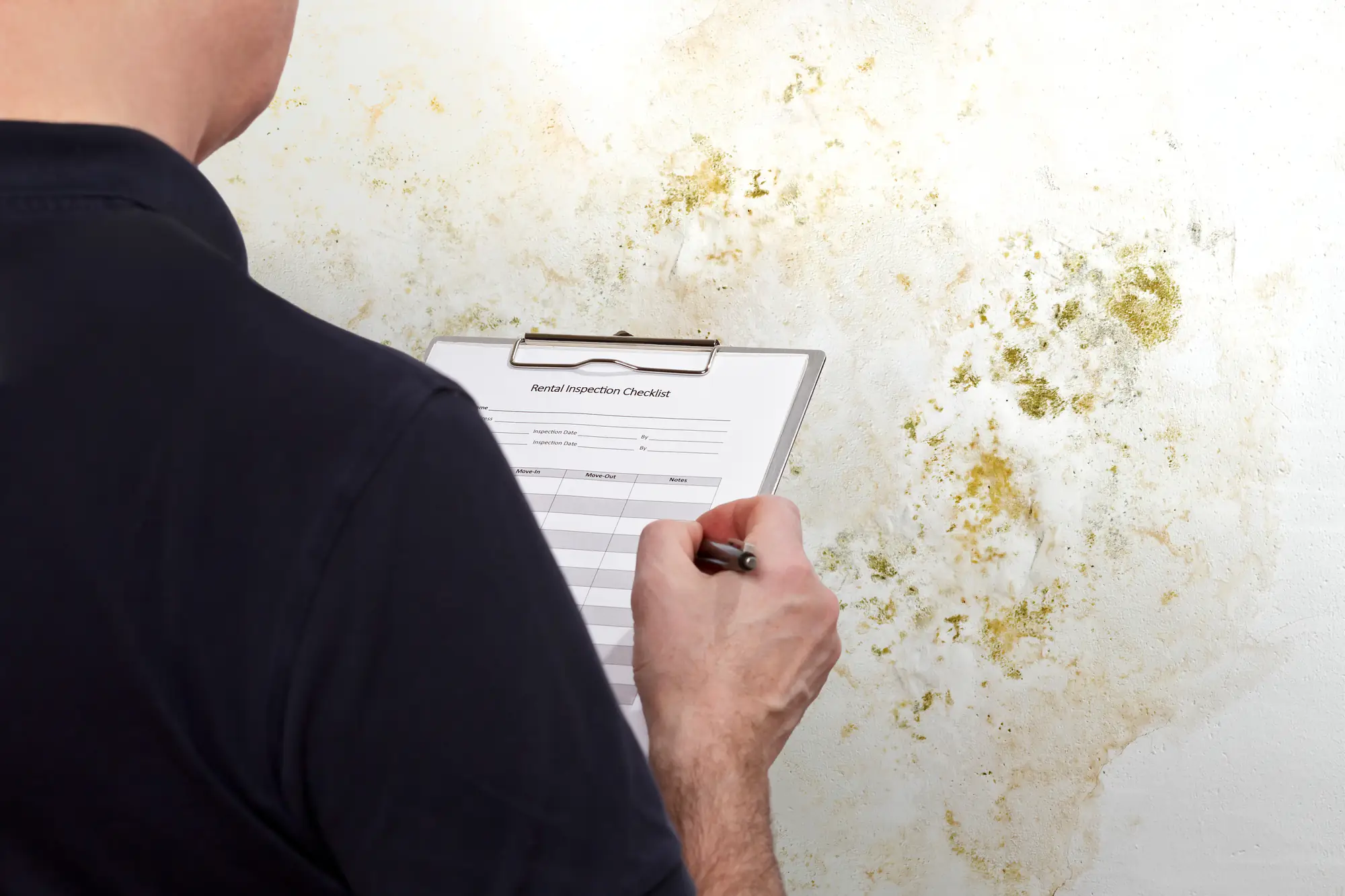
You shouldn’t have to guess whether that musty smell is serious. Or wonder if your kids’ allergies are actually mold-related. A professional home mold inspection gives you answers—not maybes.
When you catch mold early, you avoid the big bills. We’re talking thousands in structural repairs, medical costs, or emergency remediation. Early detection means smaller problems, faster fixes, and less disruption to your life.
Here’s what changes after a thorough mold inspection: you know exactly what you’re dealing with. No more wondering if that dark spot is spreading behind your walls. No more worrying every time someone in your house starts coughing. You get a clear plan, real data from lab analysis, and the peace of mind that comes from actually knowing what’s happening in your home.
We specialize in mold detection for homes throughout Saint Leonard, PA and the surrounding Bucks County area. We understand the climate challenges you’re dealing with—the wet winters, humid summers, and above-average rainfall that make this region a breeding ground for mold growth.
Older homes in this area are especially vulnerable. If your house has had any water damage, roof leaks, or basement moisture issues, there’s a real chance mold is growing somewhere you can’t see. That’s where our experience matters.
We use infrared thermal imaging, moisture mapping, and high-accuracy air sampling to find mold at its source. Not just the visible stuff—the hidden growth behind walls, under floors, and in HVAC systems that most homeowners never think to check.
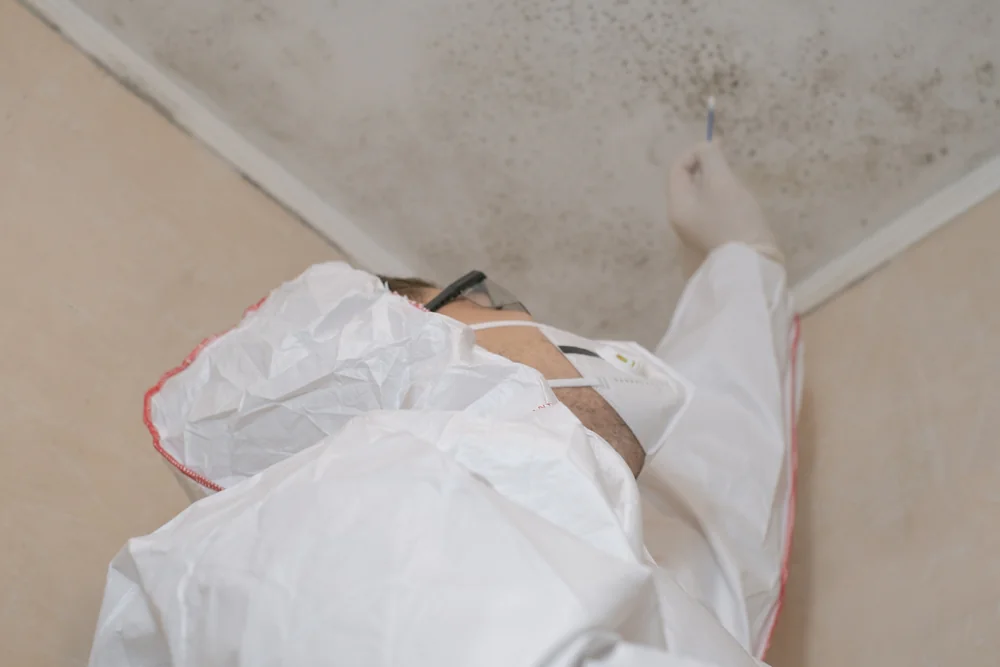
First, we walk through your property and look for visible signs of mold or moisture problems. We’re checking basements, attics, bathrooms, kitchens—anywhere water tends to accumulate or ventilation falls short.
Next comes the technology. We use thermal imaging cameras to detect temperature differences in your walls and ceilings. Cold spots often mean moisture, and moisture means potential mold growth. We also use moisture meters to measure exactly how wet your building materials are.
If we find areas of concern, we take air samples and surface samples. Those samples go to a certified lab for analysis. You get a detailed report that tells you what type of mold you’re dealing with, how much of it there is, and whether the levels are elevated compared to outdoor air.
Then we explain what it all means. No jargon, no upselling. Just a clear breakdown of what we found, what needs to be addressed, and what your options are. If remediation is needed, we create a plan that tackles the source—not just the symptoms.

Ready to get started?
A mold inspection from us includes a full visual assessment, advanced diagnostic testing, and lab-analyzed samples. You’re not paying for someone to glance around and guess. You’re getting real data.
We look at your entire property—not just the obvious spots. That means checking crawl spaces, behind appliances, inside HVAC ducts, and any area where moisture could be hiding. In Bucks County, where precipitation has increased up to 10% in recent years, these hidden areas are where problems start.
You also get an educational experience. We explain what we’re finding as we go, what conditions allow mold to thrive, and what you can do to prevent future growth. This isn’t just about identifying a problem—it’s about giving you the knowledge to protect your investment long-term.
After testing, you receive a full report with mold spore counts, mold types identified, and our professional recommendations. If remediation is necessary, we’ll outline a plan that addresses the root cause—whether that’s a leaky pipe, poor ventilation, or water intrusion from outside.
Most mold inspections in this area run between $200 and $600, depending on the size of your property and how many samples need to be tested. That might sound like a lot upfront, but it’s a fraction of what you’ll pay if mold spreads unchecked.
Here’s the reality: mold remediation costs between $1,500 and $9,000 for most homeowners, with the average sitting around $3,500. If you wait until the problem is obvious, you’re already looking at the higher end of that range. An inspection catches it early, when the fix is smaller and cheaper.
Some homeowners insurance policies cover mold testing and remediation up to $10,000 per occurrence, but that varies widely by policy. It’s worth checking your coverage before you schedule, but even if insurance doesn’t cover it, the cost of an inspection is still your best defense against a much bigger bill later.
If you smell something musty that won’t go away, that’s your first clue. Mold has a distinct earthy odor, and if you’re noticing it consistently in certain rooms, there’s likely mold growing somewhere nearby.
Health symptoms are another red flag. If anyone in your house is dealing with worsening allergies, constant sinus irritation, fatigue, or respiratory issues that improve when they leave the house, mold exposure could be the cause. High mold spore counts can trigger asthma and allergy symptoms in both kids and adults.
Visible signs matter too—discoloration on walls or ceilings, peeling paint, warping floors, or water stains. But here’s the thing: mold often grows where you can’t see it. Behind drywall, under flooring, inside air ducts. You can clean surface mold all day long, but if the source is hidden, it’ll keep coming back. That’s why testing is the only way to know for sure what you’re dealing with.
For most homes, expect the inspection to take between one and three hours. Larger properties or homes with multiple areas of concern will take longer, but we’re not rushing through it just to check a box.
The actual time depends on what we find. If there are visible moisture problems or suspected mold growth in several areas, we’ll need to test multiple locations. Each air sample and surface sample adds time, but it also gives you a more complete picture of what’s happening in your home.
After the inspection, lab analysis usually takes a few days. Once we get the results back, we’ll walk you through the findings and discuss next steps. The whole process—from scheduling to getting your report—typically wraps up within a week. If you’re buying or selling a home and need results faster, let us know. We can often expedite testing when timing matters.
You can buy DIY mold test kits online, but they won’t give you the full picture. Most of those kits only tell you if mold is present—not what type, how much, or where it’s actually growing. And here’s the problem: nearly every home has some mold spores in the air. What matters is whether the levels are elevated and whether the type of mold poses a health risk.
A professional mold detection company uses calibrated equipment that DIY kits can’t match. Thermal imaging shows us where moisture is hiding. Moisture meters tell us if your walls are wet enough to support mold growth. Lab-analyzed air samples give you actual spore counts and identify specific mold species, including black mold.
In Pennsylvania, you also need a license to conduct professional mold assessments. That licensing exists because mold inspection requires training, proper equipment, and an understanding of building science. If you’re serious about knowing what’s in your home—and you want data you can actually act on—hire someone who does this for a living.
First, don’t panic. Finding mold doesn’t mean your house is ruined. It means you caught a problem before it got worse, and now you can fix it the right way.
We’ll give you a detailed report that breaks down what type of mold was found, where it’s located, and how severe the contamination is. From there, we create a remediation plan that addresses the source of the moisture—because removing mold without fixing the underlying issue just means it’ll grow back.
Remediation might involve removing contaminated materials, treating affected areas, improving ventilation, or repairing leaks. The scope of work depends entirely on what we find. Some jobs are small and straightforward. Others require more extensive work. Either way, you’ll know exactly what needs to happen and why. We don’t do unnecessary work just to inflate the bill. We figure out what’s causing the mold, remove it properly, and help you prevent it from coming back.
Bucks County’s climate is basically perfect for mold growth. You’ve got cold, wet winters and warm, humid summers. Rainfall totals here are above average, and precipitation has increased 5% to 10% in recent years. All that moisture has to go somewhere, and if your home isn’t properly sealed or ventilated, it’s going inside your walls.
Older homes in Saint Leonard and throughout the county are especially vulnerable. Many were built before modern moisture barriers and ventilation standards. Add in aging roofs, settling foundations, or outdated plumbing, and you’ve got plenty of entry points for water.
Around 47% of homes in the U.S. have some level of mold or dampness. In a region like this, that number is likely higher. The good news is that mold problems are manageable if you catch them early. Routine mold testing helps you stay ahead of it, especially if your home has had any history of water damage or you’ve noticed any of the warning signs.
Other Services we provide in Saint Leonard