
Mold Inspection in Uhlerstown, PA

Find the Mold Before It Finds You

You need answers about what’s growing in your home—not guesses. Our mold detection services give you the full picture so you can protect your family and your investment.
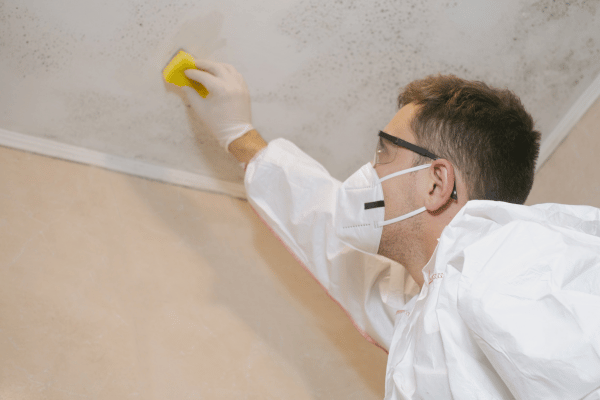
Protective worker in safety suit inspecting or treating mold spots on an indoor ceiling, addressing moisture damage and potential mold growth inside a building.

Hear from Our Customers

Home Mold Inspection Services

Know Exactly What You're Dealing With

You can’t fix what you can’t see. That musty smell in your basement, the discoloration on your bathroom ceiling, or that persistent cough your kid can’t shake—these aren’t things you ignore and hope go away.

A proper mold inspection tells you if you have a problem, where it is, and what’s causing it. You get a detailed report that shows mold type, concentration levels, and the moisture sources feeding the growth. No more wondering if that dark spot is dirt or something worse.

Here’s what changes after an inspection: you stop guessing. You know if your family’s breathing in spores. You know if that home you’re about to buy needs $10,000 in remediation. You know if your insurance claim has documentation to back it up. The CDC found that 47% of homes have mold problems—you just need to know if yours is one of them.

Mold Detection Company in Bucks County

We Know Bucks County Homes Inside Out

We work throughout Uhlerstown, PA and the surrounding Bucks County area. We understand the Delaware River communities and the moisture issues that come with older homes, humid basements, and the climate patterns that create mold-friendly conditions here.

Our inspectors are certified in mold detection and use advanced equipment that finds growth in places you’d never think to check. We’ve inspected hundreds of homes in this area—from historic properties along River Road to newer construction in Tinicum Township.

You’re not getting a national chain that sends someone different every time. You’re getting local professionals who’ve seen what mold does to Bucks County homes and know how to document it properly for remediation, insurance, or real estate purposes.

Protective worker collecting a mold sample from a stained indoor ceiling using a swab, inspecting moisture damage and potential mold growth inside a building.

Our Mold Inspection Process

Here's What Happens During Your Inspection

First, we walk through your property and look for visible signs of mold growth and moisture problems. We’re checking walls, ceilings, floors, HVAC systems, attics, basements, crawl spaces—anywhere mold typically hides. We use moisture meters and thermal imaging to find water intrusion you can’t see with your eyes.

Next, we collect air samples and surface samples from affected areas. These samples go to a certified lab that identifies the specific mold species and measures spore concentration levels. This matters because not all mold is the same—some species are more problematic than others, and you need to know what you’re dealing with.

Then we trace the moisture source. Mold doesn’t grow without water, so we identify where the moisture is coming from—whether it’s a roof leak, foundation issue, plumbing problem, or condensation buildup. Finding and fixing the source is the only way to prevent mold from coming back after remediation.

Finally, you get a detailed written report with lab results, photos, moisture readings, and our recommendations. This report gives you everything you need to make informed decisions about remediation, insurance claims, or real estate negotiations.

Home interior with mold remediation in progress as a worker sprays treatment on a wall using a ladder, while a resident relaxes on a covered sofa in a renovated living room.

Ready to get started?

Explore More Services

About Mack's Mold Removal

Black Mold Inspection and Testing

What's Included in Your Mold Inspection

Your inspection covers a complete visual assessment of your property, including areas where mold commonly grows undetected. We bring professional-grade equipment—moisture meters, thermal cameras, air sampling pumps, and surface testing tools.

You receive laboratory analysis of all samples we collect. The lab identifies mold species, measures spore counts, and compares indoor levels to outdoor baseline levels. This data tells you if you have an active problem or just normal environmental mold that every home has.

We document everything with photos and detailed notes about conditions in each area we inspect. Your report includes moisture readings, areas of concern, and specific recommendations for addressing any issues we find. In Bucks County’s real estate market, where the median home price sits above $500,000, this documentation protects your investment and gives you leverage in negotiations if you’re buying.

You also get a consultation where we walk through the findings and answer your questions. We explain what the results mean for your health, your home’s structure, and what your next steps should be. Some situations need immediate remediation. Others just need better ventilation or a dehumidifier. We tell you the difference.

How much does a mold inspection cost in Uhlerstown, PA?

Most residential mold inspections in the Uhlerstown area range from $300 to $600, depending on your home’s size and how many samples we need to collect. A typical single-family home inspection with air and surface sampling usually falls in the $400-$500 range.

The cost covers the on-site inspection, professional sampling, laboratory analysis, and a detailed written report. Some companies charge extra for things like crawl space access or additional sample collection, so ask upfront what’s included. If you’re buying a home and mold shows up during your general home inspection, a specialized mold inspection is worth every penny compared to discovering a $10,000 remediation bill after closing.

Keep in mind that inspection and remediation should be separate services. Pennsylvania is moving toward regulations that prevent the same company from doing both, which protects you from inflated remediation recommendations. You want an unbiased assessment, not a sales pitch.

The most obvious sign is visible mold growth—black, green, or white patches on walls, ceilings, or other surfaces. But visible mold is just the tip of the iceberg. You might have a serious problem hiding behind walls or under flooring.

A persistent musty odor is a red flag, especially in basements, bathrooms, or areas with poor ventilation. If you or your family members are experiencing unexplained respiratory issues, headaches, skin irritation, or allergy-like symptoms that improve when you leave the house, mold could be the culprit. People with asthma, COPD, or compromised immune systems are especially vulnerable.

Water damage history is another major indicator. If you’ve had roof leaks, plumbing issues, flooding, or foundation problems, mold likely followed. Even if you dried everything out, mold can establish itself within 24-48 hours of water exposure. Bucks County homes, especially older properties near the Delaware River, often have moisture issues that create perfect conditions for mold growth. If you’re buying a home in Uhlerstown or anywhere in the area, a mold inspection should be part of your due diligence.

A typical residential mold inspection takes 2-4 hours on-site, depending on your home’s size and the number of areas we need to examine. A small single-family home might only take two hours. A larger property with multiple levels, a basement, attic, and crawl space could take closer to four hours.

The on-site work is just the first part. After we collect samples, they go to a certified laboratory for analysis, which typically takes 3-5 business days. Once we receive the lab results, we compile everything into a comprehensive report with our findings and recommendations. You usually have your complete report within a week of the inspection.

If you’re working within a real estate transaction timeline, let us know upfront. We can often expedite lab processing for an additional fee if you need results faster. The key is not to rush the process—accurate sampling and thorough analysis are what make the inspection valuable.

You can buy DIY mold test kits at hardware stores for $10-$50, but they have serious limitations. These kits usually just tell you that mold is present—which isn’t particularly useful since some level of mold exists in virtually every home. They don’t tell you what type of mold you have, how much is there, or where it’s coming from.

Professional mold detection uses calibrated equipment and proper sampling protocols. We know where to look, how to collect samples without contamination, and how to interpret results in context. We’re checking air quality, surface contamination, moisture levels, and potential sources—not just swabbing one spot and calling it done.

The bigger issue is that DIY tests can’t find hidden mold. We use thermal imaging and moisture meters to detect problems inside walls, under flooring, and in other concealed spaces. If you’re making decisions about buying a home, starting remediation, or filing an insurance claim, you need professional documentation. A $40 kit from the hardware store won’t hold up when you’re negotiating $8,000 off a home’s purchase price or submitting a claim to your insurance company.

Mold inspection is the assessment phase—we’re investigating whether you have mold, identifying what type it is, measuring concentration levels, and finding the moisture source. Think of it as the diagnosis. We’re not removing anything or making repairs during an inspection.

Mold remediation is the treatment phase—actually removing the mold, cleaning affected areas, disposing of contaminated materials, and fixing the underlying moisture problem. This involves containment, air filtration, removal of affected materials, antimicrobial treatment, and restoration work.

You need an inspection before remediation so you know the scope of the problem and can plan accordingly. Some companies do both services, but there’s a growing trend toward separating them to avoid conflicts of interest. An inspector who also does remediation has a financial incentive to recommend more extensive work than you might actually need. New Jersey already has laws preventing the same company from doing both, and Pennsylvania is heading in that direction.

We handle both inspection and remediation, but we’re transparent about what you actually need. If your situation only requires better ventilation and a dehumidifier, we’ll tell you that instead of pushing unnecessary services.

No, a proper mold inspection is non-invasive and won’t damage your property. We’re doing visual assessments, taking air samples, and collecting surface samples with swabs or tape lifts. None of this requires cutting into walls or removing materials.

In some cases, we might need to move furniture or access tight spaces like crawl spaces or attics, but we’re not making holes or causing damage. If we suspect hidden mold behind a wall or under flooring, we’ll recommend that in our report, but we won’t start tearing things apart during the inspection itself.

The only exception is if you specifically request invasive testing because you have strong evidence of hidden mold—like visible water stains or a history of leaks in a specific wall. In those rare situations, we might make a small inspection hole to confirm what’s behind the surface. But we’d discuss that with you first and get your approval before doing anything that affects your home’s structure or finish materials.

Other Services we provide in Uhlerstown