
Hear from Our Customers
Mold doesn’t just look bad. It affects how your home feels, how your family breathes, and what your property is worth.
When you’re dealing with mold in Uhlerstown, you’re dealing with more than a surface problem. Bucks County sits in one of the highest mold-risk regions in the Northeast, and with 13% of properties here facing serious flood risk over the next 30 years, moisture problems aren’t going away. That means mold growth isn’t a question of if—it’s when.
What you get when the job’s done right: air that doesn’t make you cough, rooms that don’t smell musty, and a home you can sell or insure without red flags. You also get clarity on what caused it, so you’re not paying to fix the same problem twice.
We handle black mold, hidden mold in crawl spaces and attics, and mold that shows up after water damage. The goal isn’t just removal—it’s making sure it doesn’t come back.
We’ve been helping homeowners across Bucks County deal with mold the right way. We’re not a national franchise with a script. We’re local mold experts who know what basements, attics, and crawl spaces look like around here—and what actually works.
You’re not getting a salesperson. You’re getting certified inspectors who use real equipment to find mold you can’t see, and a crew that removes it without cutting corners.
Uhlerstown homeowners are dealing with older homes, humid summers, and properties near the Delaware River. That’s the reality. We work with it, not around it. And if insurance is involved, we’ll help you document everything so your claim doesn’t get denied over missing paperwork.
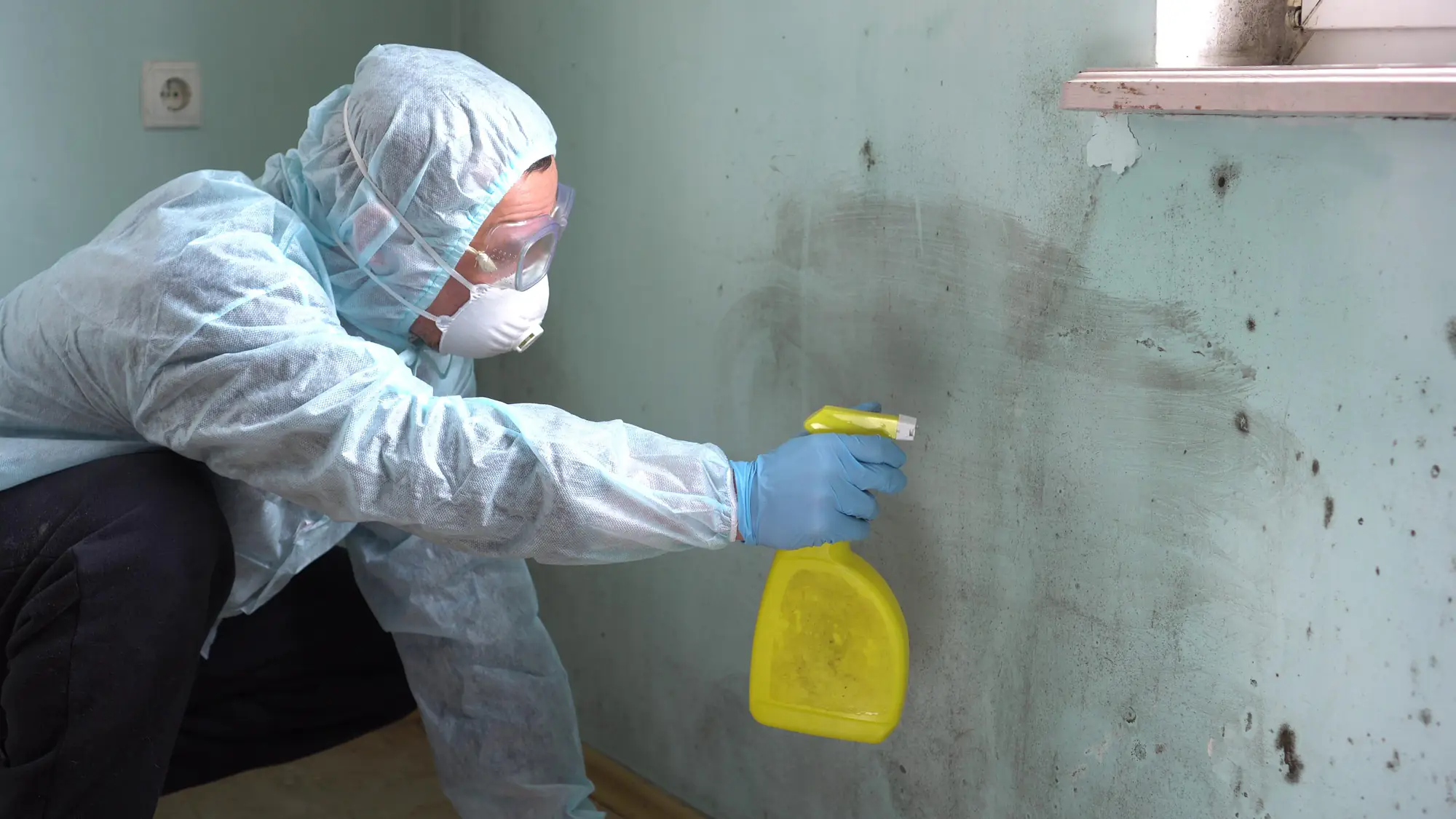
First, we come out and do a full inspection—no charge. That means checking visible areas, but also the spots most people miss: behind walls, under flooring, in HVAC systems. We use moisture meters and thermal imaging to find out where water’s getting in and where mold’s already growing.
Once we know what we’re dealing with, we give you a clear breakdown of what needs to happen. No upselling. If it’s a small issue, we’ll tell you. If it’s bigger, we’ll explain why and what it’ll take to fix it right.
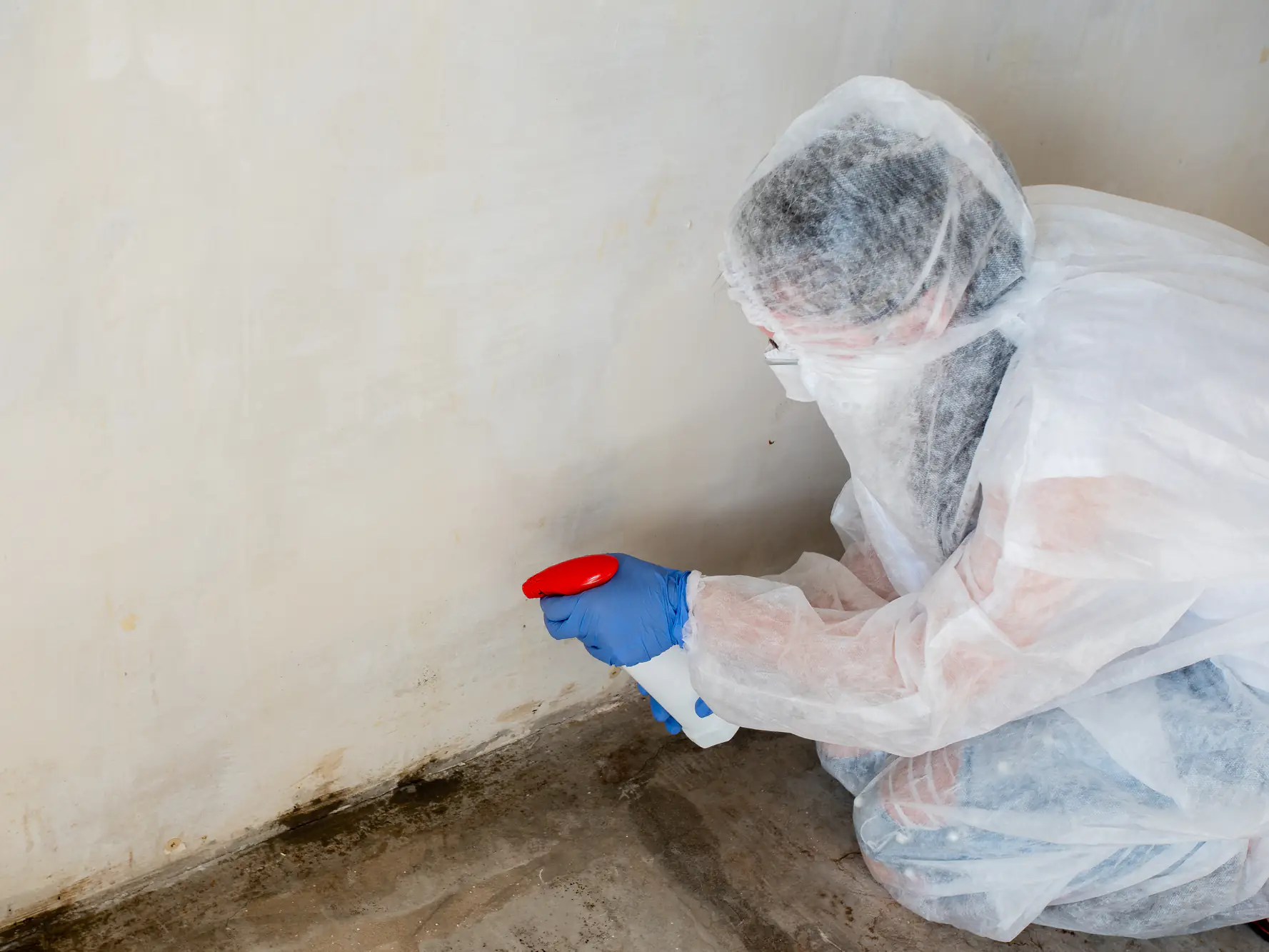
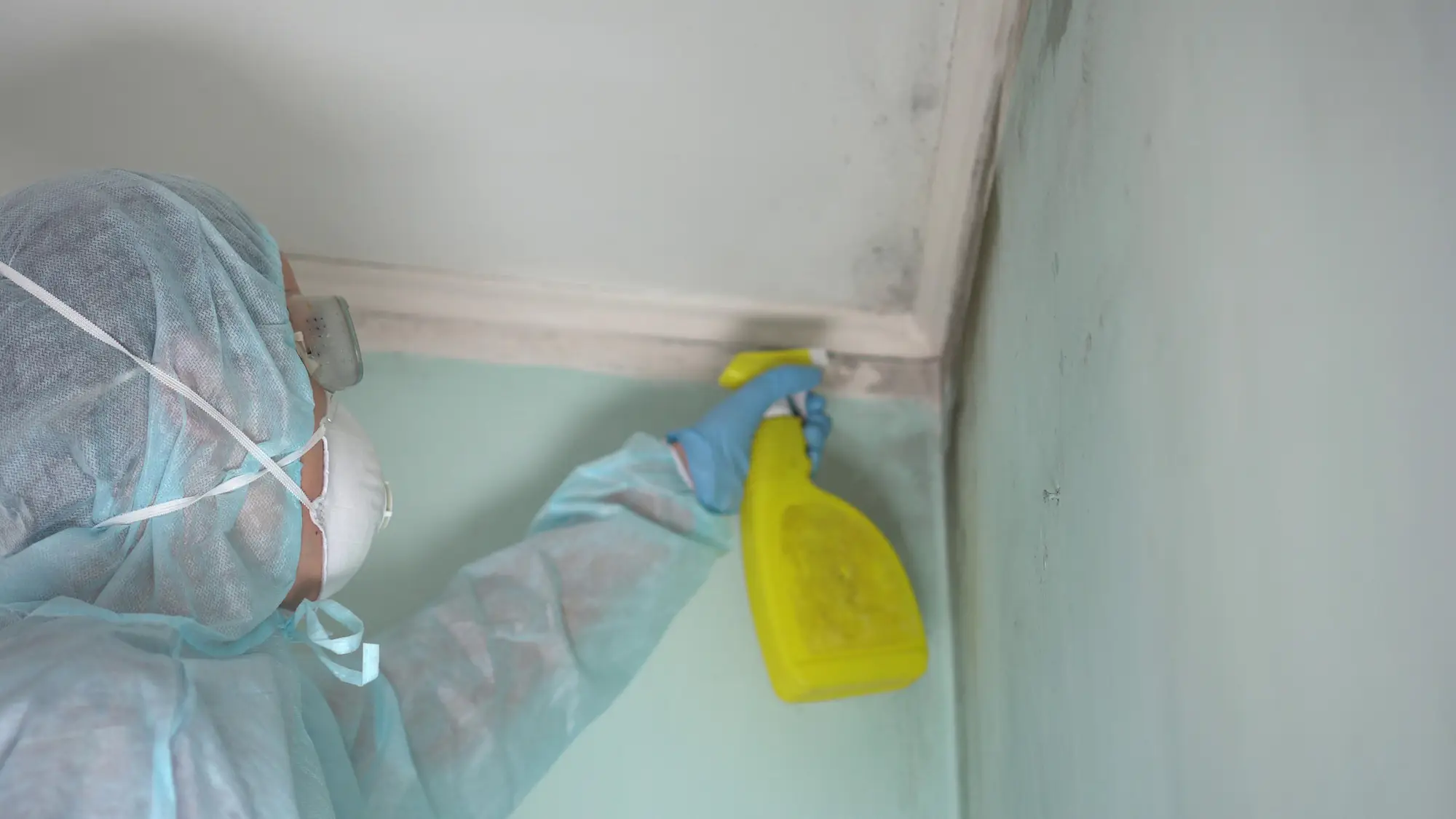
The removal process starts with containment. We seal off the affected area so mold spores don’t spread to clean parts of your home. Then we remove contaminated materials, treat surfaces with antimicrobial solutions, and use HEPA filtration to clean the air. Everything gets dried out completely—because if moisture stays, mold comes back.
After removal, we address the source. That might mean fixing a leak, improving ventilation, or recommending drainage work. You’ll know exactly what caused it and what to watch for going forward.
Ready to get started?
You get a certified inspection that finds mold even in hidden areas—attics, crawl spaces, behind drywall. We test air quality if needed, so you know what you’re breathing. And we document everything for insurance claims, because most carriers won’t pay out without proper proof.
The removal itself covers containment, safe disposal of affected materials, antimicrobial treatment, and HEPA air scrubbing. We don’t just wipe surfaces and call it done. We pull out what’s contaminated, treat what stays, and make sure the air is clean before we leave.
Pennsylvania doesn’t regulate mold removal the way some states do, which means anyone can claim they’re a mold removal specialist. That’s a problem for homeowners in Uhlerstown and across Bucks County, because you’re trusting someone to handle a health hazard without any state oversight. We’re certified, insured, and we follow industry standards—not because we have to, but because it’s the only way to do it right.
You also get a plan to prevent it from happening again. That’s the part most companies skip, and it’s the reason people end up paying twice.

If you’re smelling something musty, seeing discoloration on walls or ceilings, or noticing that certain rooms feel damp even when it’s not raining—you’ve got more than normal moisture. Mold needs water to grow, but it doesn’t need a flood. A slow leak, high humidity, or poor ventilation is enough.
In Uhlerstown and Bucks County, older homes with stone foundations, crawl spaces, and minimal airflow are especially prone to this. You might not see mold on the surface, but it’s growing behind wallpaper, under carpets, or in the insulation. That’s why a visual check isn’t enough.
We use moisture meters and thermal imaging during inspections to find hidden water sources and mold growth. If you’ve had any water damage in the last year—even something minor like a roof leak or overflowing gutter—there’s a good chance mold started growing within 24 to 48 hours. The question isn’t whether you should check. It’s whether you can afford not to.
It depends on what caused the mold. If it’s from a covered event—like a burst pipe, storm damage, or sudden appliance failure—most policies will cover remediation. But if it’s from long-term neglect, a slow leak you didn’t fix, or general humidity, they’ll likely deny the claim.
Even when mold is covered, there’s usually a cap—often between $5,000 and $10,000. That sounds like a lot until you’re dealing with black mold in multiple rooms or structural damage that requires drywall replacement and HVAC cleaning. The average mold remediation job costs around $2,365, but larger projects can hit $7,000 or more.
Here’s what helps: documentation. Insurance companies want proof that the mold came from a covered peril, photos of the damage, and an estimate from a licensed professional. We provide all of that. We’ll work directly with your adjuster, give them what they need, and help you avoid the back-and-forth that delays payment. If your claim gets denied, at least you’ll know why—and what your options are.
Most residential mold removal jobs take between one and five days, depending on how widespread the problem is. A single bathroom with surface mold might be done in a day. A basement with water damage, contaminated insulation, and mold in the HVAC system could take a week.
Whether you need to leave depends on the severity and location. If we’re working in a contained area like a basement or attic and the rest of your home is sealed off, you can usually stay. But if mold is in living spaces, bedrooms, or your HVAC system is spreading spores throughout the house, it’s smarter to stay elsewhere until the air is clear.
We use containment barriers and negative air pressure to keep mold spores from spreading during removal. HEPA filters run continuously to clean the air. But if someone in your household has asthma, allergies, or a compromised immune system, don’t take chances. Mold exposure can trigger serious respiratory issues, and Pennsylvania already has nearly double the national average for childhood asthma. We’ll give you an honest answer about whether it’s safe to stay or not.
Mold removal sounds like you’re getting rid of every single spore, but that’s not realistic. Mold spores are everywhere—in the air, on surfaces, floating around outside. You can’t eliminate them completely, and any company that promises total mold removal is overselling.
Mold remediation is the accurate term. It means bringing mold levels back to normal, safe levels and removing the conditions that let it grow out of control. That includes pulling out contaminated materials, treating surfaces with antimicrobial solutions, fixing the moisture source, and cleaning the air with HEPA filtration.
The goal is to make your home safe and livable again—not to create a sterile lab environment. When we remediate mold, we’re addressing the root cause, not just scrubbing what’s visible. That’s the difference between a job that lasts and one that brings you back to square one in six months. If a company is talking about “complete mold removal,” ask them how they plan to remove every airborne spore in your house. If they can’t answer that, they don’t know what they’re doing.
Bleach kills surface mold on non-porous materials like tile or glass, but it doesn’t penetrate porous surfaces like drywall, wood, or insulation. So if you’re spraying bleach on a moldy wall, you’re killing what’s on top and leaving the roots alive underneath. It’ll grow back.
Bleach also doesn’t address the moisture problem, which is what caused the mold in the first place. And if you’re scrubbing mold without proper containment, you’re spreading spores into the air and other parts of your home. That makes the problem worse, not better.
Small surface mold—like a little bit on bathroom grout—you can handle with the right cleaner and some ventilation. But if you’re seeing mold on drywall, in your basement, or anywhere near your HVAC system, don’t DIY it. You need containment, proper removal, antimicrobial treatment, and air filtration. We use equipment and techniques that actually stop regrowth. Homeowners with spray bottles don’t. If you’re not sure whether it’s small enough to handle yourself, it probably isn’t.
Control moisture. That’s it. Mold can’t grow without water, so if you keep things dry, you won’t have a mold problem.
Start with the basics: fix leaks as soon as they happen, clean gutters so water doesn’t pool near your foundation, and make sure your home has proper ventilation—especially in bathrooms, kitchens, and basements. If you’ve got a crawl space, consider a vapor barrier and a dehumidifier. Bucks County’s humidity during summer creates perfect conditions for mold, and older homes in Uhlerstown weren’t built with moisture control in mind.
Check areas that tend to stay damp: under sinks, around windows, behind appliances. If you spot condensation, that’s a red flag. After water damage—even something small like a spill or minor leak—dry everything within 24 to 48 hours. That’s the window you have before mold starts growing.
We’ll give you a prevention plan based on what caused your mold problem in the first place. Maybe it’s a grading issue outside, maybe it’s a bathroom fan that’s not vented properly, maybe it’s a basement that needs better waterproofing. Whatever it is, you’ll know what to watch and what to fix so you’re not calling us again next year.
Other Services we provide in Uhlerstown