
Hear from Our Customers
Most homeowners don’t think about their ductwork until something smells off when the heat kicks on, or until allergy symptoms that never quite go away start making sense. In Uhlerstown, that moment tends to come sooner than it does elsewhere in Bucks County and there’s a straightforward reason for it.
Your home sits in one of the most persistently humid microclimates in the region. The Delaware Canal runs directly through the village. The Delaware River forms your eastern boundary. And the 200-foot palisade cliffs to the west trap moisture and limit the kind of air circulation that would otherwise dry things out. Bucks County already sees roughly 49 inches of rain a year well above the national average of 38 inches. In Uhlerstown, that moisture doesn’t just sit outside. It works its way into basements, crawl spaces, and eventually into the HVAC ductwork that runs through them.
After a professional air duct cleaning, you stop recirculating whatever has been building up in those ducts every time your system runs. For families in Uhlerstown’s historic homes many of which were built between the 1830s and early 1900s, long before forced-air HVAC existed that’s not a small thing. It means the air your household breathes every day isn’t carrying what the canal era left behind in your walls and your ductwork.
We’ve been working in Bucks County for over 15 years. We already have an active service presence in Uhlerstown specifically this isn’t a company learning your community for the first time when we pull into your driveway.
What sets us apart from a general duct cleaning company is the depth of mold expertise behind every job. We’re certified mold remediation specialists, not just technicians with a vacuum. That distinction matters in a place like Uhlerstown, where the housing stock is older, the moisture exposure is constant, and disturbing mold inside ductwork without proper containment can spread spores to every room in the house. We bring the protocols that prevent that.
Every job starts with a free inspection and ends with upfront pricing no surprises, no pressure. And if mold is confirmed in your ducts, we test the affected areas after the work is done to verify it’s actually gone. For homeowners protecting irreplaceable historic properties along River Road, that post-service verification isn’t optional. It’s the only way to know for certain.

It starts with a free inspection. Before any work begins, a certified specialist walks through your home, checks the ductwork, and identifies what’s actually going on inside your system. In Uhlerstown’s older homes many of which have ductwork retrofitted into stone basements and crawl spaces that were never designed to carry conditioned air that inspection often turns up conditions that a general duct cleaner wouldn’t know to look for or how to handle safely.
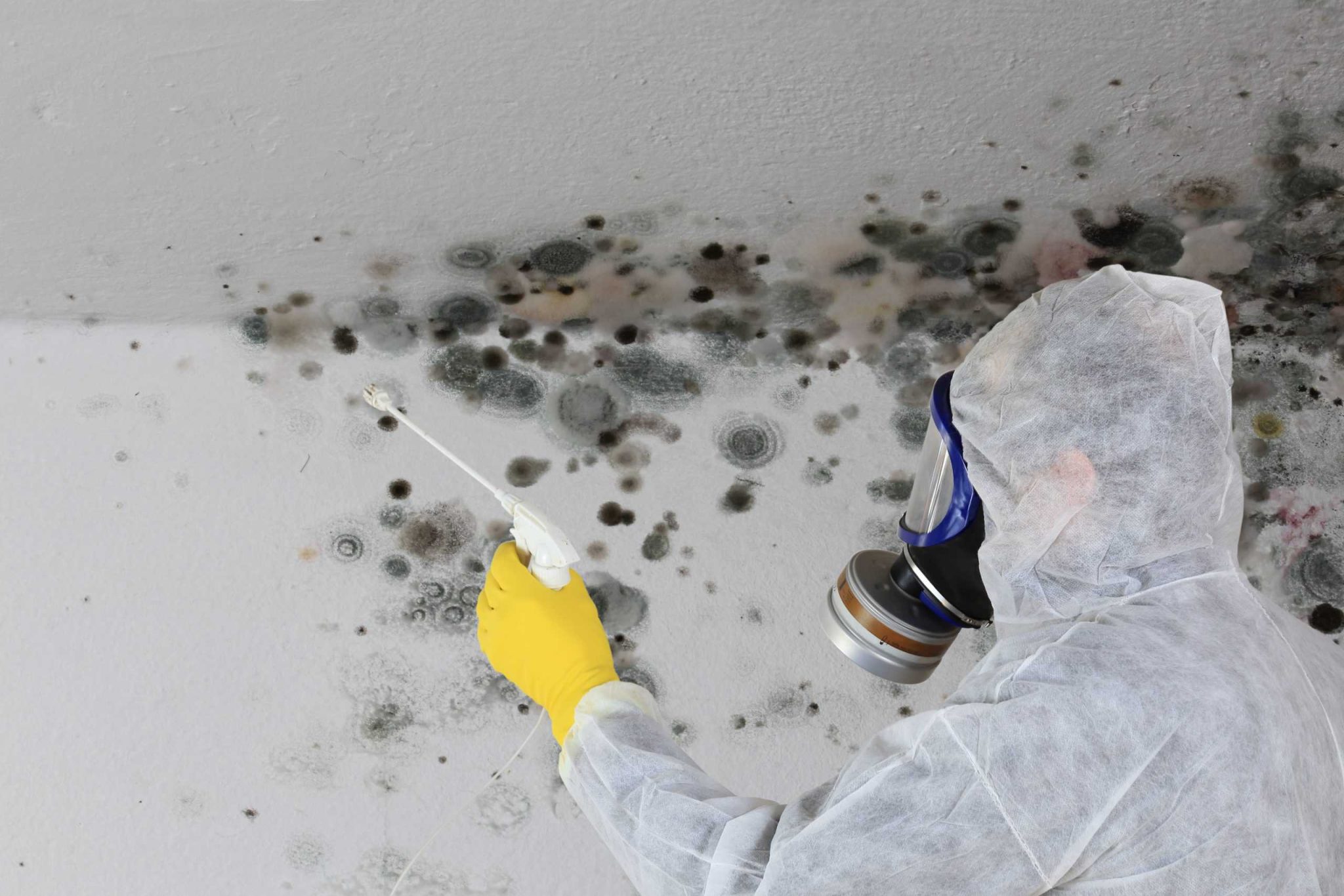
If mold is found, the process shifts into remediation mode before cleaning begins. That means containment first preventing spores from spreading through the rest of the house while the work is underway. From there, the ductwork is cleaned mechanically using professional-grade equipment, and any mold-affected surfaces are treated.
For Uhlerstown homes with HVAC systems running through moisture-exposed zones near the canal or along the river-facing side of the structure, air duct sanitizing is often recommended as a follow-up step. This applies antimicrobial treatment to break the recontamination cycle that a persistently humid environment can otherwise restart within weeks.
Once the job is complete, we test the treated areas to confirm the mold is gone. You get documentation, not just a handshake. The whole process for a typical home takes roughly four to six hours, and you’ll know the price before anyone starts.

Ready to get started?
We handle air duct cleaning, HVAC duct cleaning, mold in air ducts, dryer vent cleaning, and air duct sanitizing and our approach is the same across all of them: figure out what’s actually happening before touching anything, contain it properly, clean it thoroughly, and verify the result.
For Uhlerstown homeowners, dryer vent cleaning deserves a specific mention. The NFPA reports roughly 15,970 dryer-related house fires every year in the U.S., with failure to clean the vent as the leading cause. In historic homes where dryer vent runs may pass through original wall cavities or travel longer, more irregular routes than modern construction allows, lint accumulation happens faster and the risk is higher. It’s not routine maintenance it’s fire prevention in a structure that can’t be replaced.
We also work directly with insurance companies on claims, which matters for Uhlerstown residents who’ve dealt with Delaware River flooding or canal-related water intrusion. When moisture damage leads to a mold and HVAC remediation claim, navigating the insurance side of that process alone adds stress to an already difficult situation. We handle that conversation on your behalf. Flexible financing is also available for jobs where the scope is larger than expected because mold in a 150-year-old home doesn’t always announce itself with a small price tag.
Yes and it’s one of the more direct connections between local geography and HVAC contamination you’ll find anywhere in Bucks County. The Delaware Canal is a living, maintained waterway that runs directly through Uhlerstown. That means the ambient humidity around the canal isn’t seasonal it’s constant. When your HVAC system draws air through return intakes located in basements or lower-level spaces that are in close proximity to that moisture source, it pulls that humidity into the duct system.
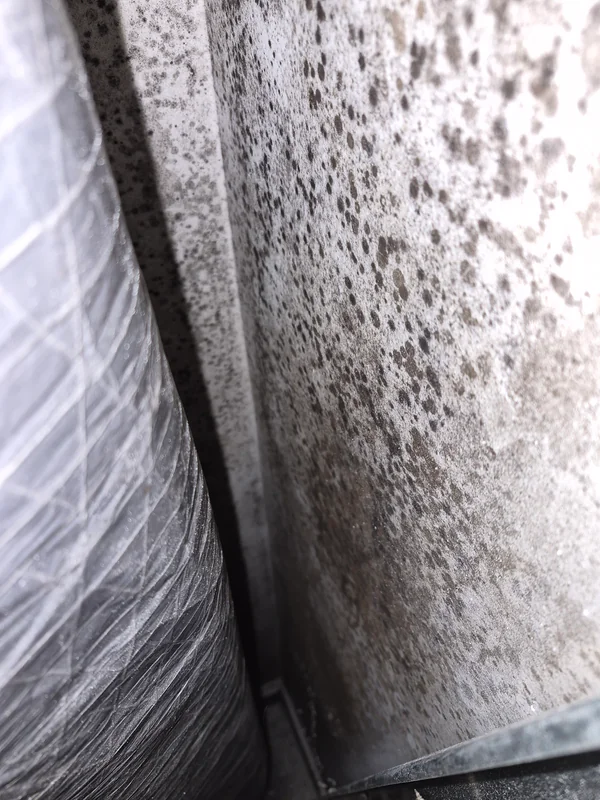
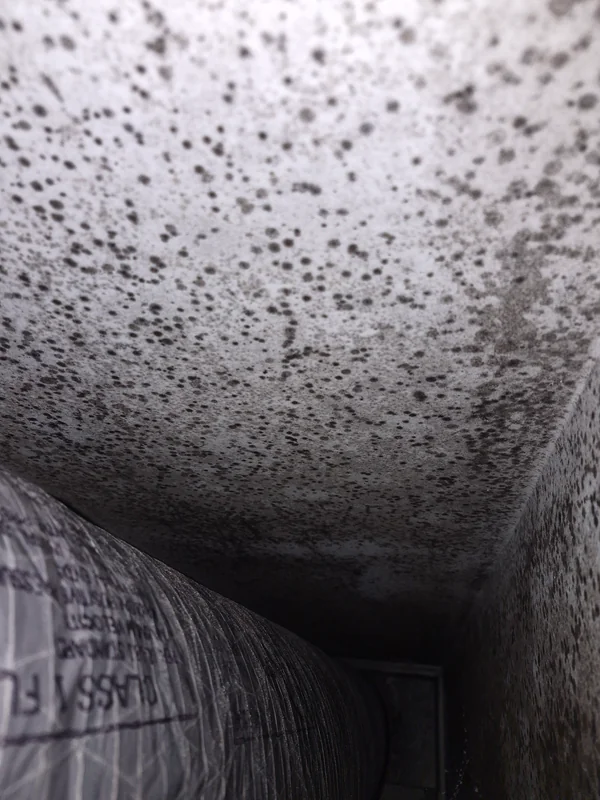
Over time, especially in older homes where ductwork passes through uninsulated stone basements or crawl spaces, that moisture creates exactly the conditions mold needs to colonize interior duct surfaces. The problem isn’t always visible from a register. Mold tends to grow in the dark, enclosed sections deep inside the ductwork which is why a professional inspection with proper equipment is the only reliable way to know what’s actually in there. If you’ve noticed a musty smell when the HVAC runs, that’s often the first sign that something has taken hold inside the system.
The most common signs are a musty or earthy smell that appears specifically when the heating or cooling system kicks on, worsening allergy or respiratory symptoms that seem tied to being indoors, or visible discoloration near air registers. In Uhlerstown’s historic homes, you might also notice this more acutely in rooms on the lower level or in areas closest to the canal-facing side of the structure, where moisture infiltration tends to be highest.
That said, the absence of visible signs doesn’t mean the ducts are clean. Mold grows on interior duct surfaces that you can’t see from a register with a flashlight. The only way to know with certainty is a professional inspection which we provide at no charge. A certified specialist will assess the ductwork, identify any contamination, and give you a clear picture of what’s happening before any work is proposed. No obligation, no pressure to commit on the spot.
Absolutely, and sooner rather than later. When water enters a basement whether from Delaware River flooding, canal seepage, or storm runoff channeled by the palisade cliffs it doesn’t stop at the floor. Return air intakes, duct penetrations in the floor and lower walls, and condensate lines all create pathways for moisture to enter the HVAC system. Mold can begin colonizing enclosed duct surfaces within 24 to 48 hours of moisture exposure.
The problem is that most flood restoration companies focus on what they can see and dry out floors, walls, insulation. The ductwork is enclosed, dark, and warm from the HVAC system running during the drying process, which makes it an ideal environment for mold to establish itself while the visible damage is being addressed. If your home has experienced any degree of water intrusion and you haven’t had the ductwork specifically inspected, that’s the gap most likely to cause a mold problem to resurface down the road. We handle both the mold remediation and the air duct cleaning, so you’re not coordinating two separate companies to close that loop.
They’re two distinct steps, and whether you need both depends on what’s in your ducts. Cleaning is the mechanical process removing physical debris, dust, and biological material from inside the ductwork using professional equipment. Sanitizing is what comes after: applying an antimicrobial treatment to the interior duct surfaces to address any remaining biological contamination and inhibit regrowth.
For most homeowners in a standard suburban home, cleaning alone may be sufficient. But for Uhlerstown properties where the ambient humidity from the canal and river environment doesn’t go away between seasons cleaning without sanitizing can leave conditions that allow mold to recolonize the duct surfaces within a matter of weeks. The moisture that fed the original growth is still present in the environment. Sanitizing breaks that cycle by treating the surfaces themselves, not just removing what’s visibly there. When we inspect your system and find active mold contamination, sanitizing is typically part of the recommended scope for exactly this reason. It’s the step that makes the cleaning last in a high-humidity environment like this one.
The general industry guidance is every three to five years for a typical home. But that baseline assumes a relatively standard moisture environment and modern construction. Uhlerstown’s historic homes most of which date to the canal era between the 1830s and early 1900s don’t fit that profile. Stone foundations, original wood framing, and ductwork retrofitted through spaces that were never designed for HVAC all create conditions where contamination accumulates faster than it would in a newer home.
For homes in Uhlerstown, a more practical approach is to schedule an inspection every two to three years, and to add an unscheduled inspection any time there’s been a water event basement flooding, a significant storm, or evidence of moisture intrusion from the canal side of the property. If you’ve recently had mold remediated elsewhere in the home and haven’t had the ductwork checked, that’s also a reason to move up the timeline. Mold remediated from walls or a basement can recontaminate a space quickly if the HVAC system is still circulating spores from untreated ductwork.
Yes. We work directly with insurance companies on claims it’s part of how we operate, not an add-on. For Uhlerstown homeowners dealing with the aftermath of Delaware River flooding or canal-related water damage, this is a meaningful part of the service. Mold and HVAC remediation claims are among the more contested categories in homeowner’s insurance, and navigating the documentation, adjuster communication, and scope verification on your own while also managing the actual remediation is genuinely difficult.
We handle that process on your behalf. The certified inspection report, the documentation of what was found and where, the post-remediation verification testing all of it creates the paper trail that insurance claims require. If you’ve experienced water intrusion in a historic Uhlerstown property and you’re not sure whether your policy covers mold in the ductwork, starting with a free inspection from us gives you the documentation you need to have that conversation with your insurer from a position of knowledge rather than guesswork.
Other Services we provide in Uhlerstown