
Mold Inspection in Durham, PA

Find Hidden Mold Before It Finds You

Certified mold detection using thermal imaging and lab-tested results—so you know exactly what you’re dealing with and how to fix it.
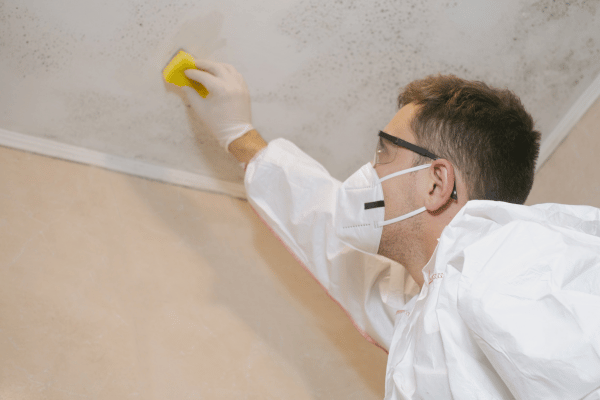
Protective worker in safety suit inspecting or treating mold spots on an indoor ceiling, addressing moisture damage and potential mold growth inside a building.

Hear from Our Customers

Professional Mold Detection in Durham

Know What's Growing in Your Home

You can’t fix what you can’t see. That musty smell in your basement, the allergies that won’t quit, the water stain you thought dried up months ago—these aren’t just annoyances. They’re warning signs.

Mold hides. Behind drywall, under flooring, inside HVAC systems. By the time you see it, it’s already spread. And those DIY test kits from the hardware store? They’re not telling you the full story.

A real mold inspection uses thermal imaging to spot moisture you can’t see, air sampling to measure what you’re breathing, and EPA-certified lab analysis to identify exactly what type of mold you’re dealing with. That’s how you protect your family’s health and your property’s value. Not guessing. Not waiting. Knowing.

Certified Mold Inspectors Serving Durham, PA

We've Been Doing This Since 1995

We’ve been serving Bucks County for nearly three decades. We’ve completed over 5,000 projects across Durham, PA and surrounding areas, and we’ve seen what happens when mold goes unchecked in older homes and properties with Pennsylvania’s increasingly wet climate.

We’re certified, we use EPA-approved methods, and we don’t do scare tactics. You get a transparent assessment, lab-backed data, and a clear explanation of what’s actually happening in your home. If there’s a problem, we’ll tell you. If there isn’t, we’ll tell you that too.

Durham homeowners deal with real mold risks—aging structures, increased precipitation, basements that stay damp. We understand those challenges because we’ve been addressing them in this area for years.

Protective worker collecting a mold sample from a stained indoor ceiling using a swab, inspecting moisture damage and potential mold growth inside a building.

How Our Mold Inspection Process Works

Here's Exactly What Happens During Your Inspection

First, we walk through your property and talk. You tell us what you’ve noticed—smells, stains, health symptoms, past water damage. We listen, because context matters.

Then we inspect. We use moisture meters to find hidden water. Thermal imaging cameras to see temperature differences that indicate moisture behind walls. We check high-risk areas: basements, crawl spaces, attics, around windows, near plumbing.

Next comes sampling. We collect air samples to measure mold spore levels in your indoor environment. If we see visible growth or suspect contamination, we take surface samples. Every sample goes to an EPA-certified lab for analysis.

You get a detailed report within days. It identifies the type of mold, the concentration levels, and where it’s located. We walk you through the findings in plain language and, if remediation is needed, we create a customized plan that’s effective and non-invasive. No pressure. Just information you can use to make the right decision for your home.

Home interior with mold remediation in progress as a worker sprays treatment on a wall using a ladder, while a resident relaxes on a covered sofa in a renovated living room.

Ready to get started?

Explore More Services

About Mack's Mold Removal

What's Included in Durham Mold Inspections

You Get More Than a Visual Walkthrough

Our mold inspection includes a full visual assessment of your property, moisture mapping with professional-grade meters, thermal imaging to detect hidden water intrusion, and air quality sampling to measure what’s circulating through your home.

We also conduct surface sampling when visible mold or high-risk conditions are present. Every sample is analyzed by an EPA-certified laboratory, and you receive a comprehensive report that breaks down mold types, spore counts, and contamination sources.

Here’s why that matters in Durham, PA: precipitation in Pennsylvania has increased 5% to 10% in recent years. That means more moisture, more humidity, and more mold growth—especially in older homes without modern moisture barriers. Basements flood. Crawl spaces stay damp. Attics trap condensation.

A thorough inspection catches problems early, before they spread and before remediation costs multiply. It also gives you documentation for insurance claims, real estate transactions, or peace of mind if you’re buying or selling a home in Bucks County.

How much does a mold inspection cost in Durham, PA?

Most professional mold inspections in the Durham area run between $250 and $650, depending on the size of your property and the scope of testing. If lab analysis is needed—and it usually is—you’re looking at an additional $50 to $350 per sample.

That might sound like a lot upfront, but compare it to the cost of ignoring the problem. Mold spreads. It damages wood framing, drywall, insulation. It tanks your property value and creates serious health risks for anyone living in the home.

An inspection gives you clarity. You’re not guessing whether that stain is mold or mildew. You’re not wondering if your kid’s asthma is related to indoor air quality. You know. And if there is a problem, you catch it early—when it’s cheaper and easier to fix.

You can, but you’re not going to get the full picture. DIY kits test for the presence of mold spores—which exist in every home, all the time. They don’t tell you the type, the concentration, or where it’s actually growing.

Mold hides. It grows behind walls, under flooring, inside ductwork. A surface swab or a petri dish sitting on your counter isn’t going to catch contamination in your crawl space or behind your shower tile.

A certified mold inspection uses thermal imaging, moisture meters, and targeted air sampling to find hidden problems. The samples go to an EPA-certified lab, and you get a report that tells you exactly what you’re dealing with. That’s the difference between guessing and knowing—and it’s the only way to make an informed decision about remediation.

Musty odors that don’t go away. Allergies or respiratory symptoms that improve when you leave the house. Visible discoloration on walls, ceilings, or around windows. Any history of water damage, leaks, or flooding—even if it was months ago.

If you’re buying a home in Durham, especially an older property, an inspection is smart due diligence. Same goes if you’re selling and want to avoid surprises during the buyer’s inspection.

Mold doesn’t always announce itself. Sometimes it’s just a faint smell or a patch you assume is dirt. But if moisture was present—and it often is in Bucks County basements and crawl spaces—mold is growing. The earlier you catch it, the less damage it does and the easier it is to remove.

Most inspections take between one and three hours, depending on the size of your home and how many areas need to be tested. We’re not rushing through. We’re checking every high-risk zone, taking moisture readings, and collecting samples where needed.

After the inspection, samples go to the lab. You’ll typically get results and a full report within three to five business days. The report includes mold types, spore concentrations, moisture levels, and photos of problem areas.

If you need faster results—say, you’re in the middle of a real estate transaction—let us know upfront. We can often expedite lab processing for time-sensitive situations.

In Bucks County, we see a lot of Aspergillus, Penicillium, and Cladosporium—common molds that thrive in damp, humid environments. Stachybotrys, often called black mold, shows up less frequently but tends to grow in areas with serious water damage or long-term moisture problems.

All mold can cause health issues, especially for people with allergies, asthma, or weakened immune systems. Some species produce mycotoxins that create more severe reactions. That’s why lab testing matters—you need to know what you’re dealing with, not just that “mold is present.”

Pennsylvania’s climate, combined with older home construction in Durham, creates ideal conditions for mold growth. Basements without proper waterproofing, attics with poor ventilation, crawl spaces with standing water—these are the spots where mold takes hold and spreads.

No. Mold inspections are non-invasive and safe. We’re not using chemicals or disturbing large areas of growth. You’re welcome to stay and walk through with us, or you can leave if that’s easier for your schedule.

If you do stick around, it’s actually helpful. You can point out areas of concern, explain where you’ve noticed smells or stains, and ask questions in real time. We’ll show you what we’re finding as we go and explain what the equipment is detecting.

The only time we’d recommend leaving is if you have severe mold allergies or respiratory issues and we’re inspecting an area with visible contamination. In that case, it’s just a precaution to limit your exposure while we’re working.

Other Services we provide in Durham