
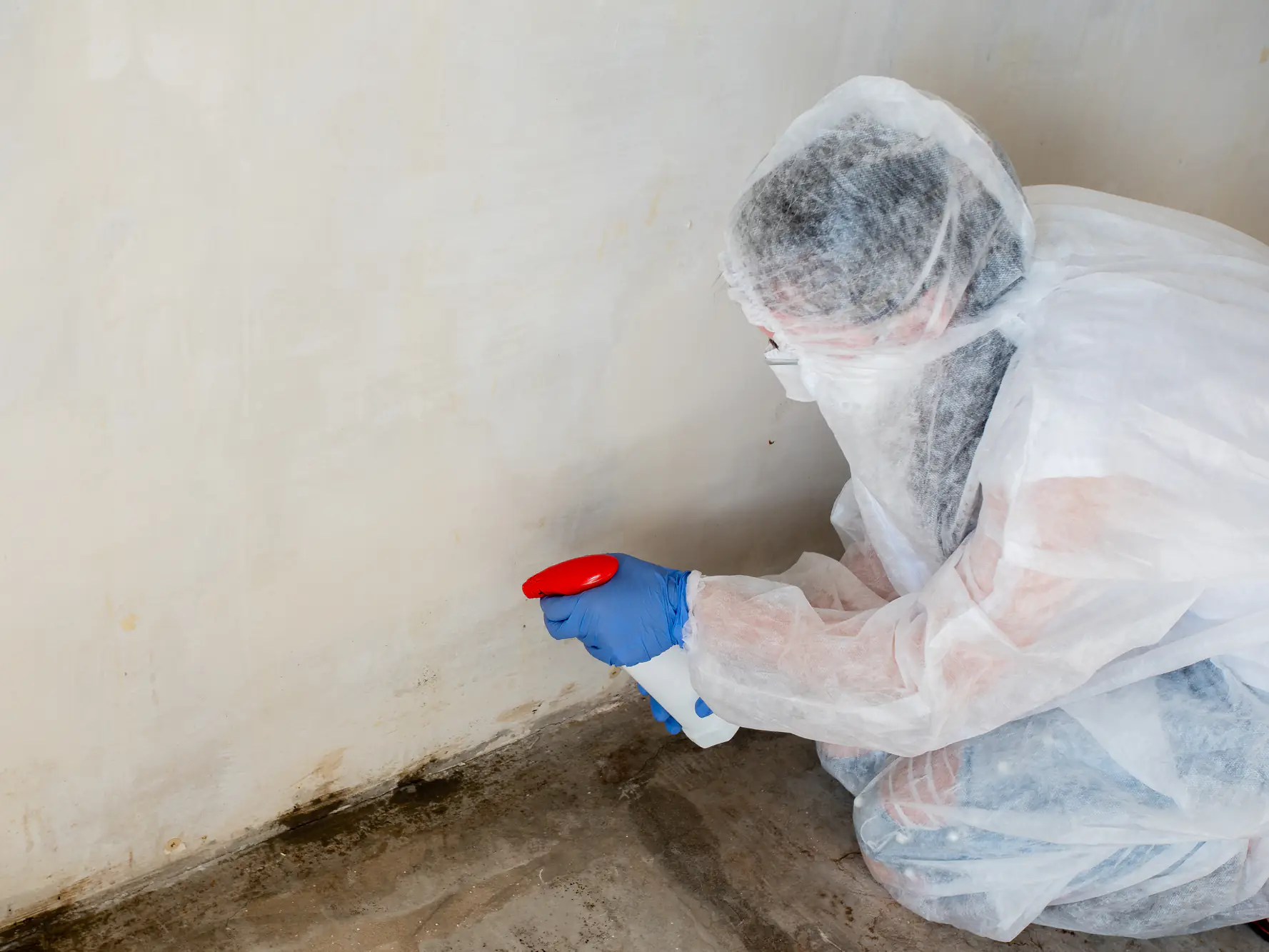
Hear from Our Customers
If you’re dealing with allergies that won’t quit, musty smells that linger, or black spots creeping across your bathroom ceiling, you already know something’s wrong. What you might not know is how fast mold spreads in Durham’s humid climate—or how much damage it’s doing behind your walls right now.
Mold isn’t just ugly. It affects your health, weakens your home’s structure, and tanks your property value if left unchecked. You can scrub the surface all you want, but unless you fix the moisture source feeding it, you’re just buying time.
We use thermal imaging and moisture mapping to find mold you can’t see. Then we remove it completely, treat the affected areas, and identify what’s causing the problem so it doesn’t come back three weeks later. You get a healthier home, cleaner air, and the confidence that your biggest investment is actually protected.
We’ve been serving homeowners across Bucks County for years, and we’ve seen what happens when mold gets ignored. Durham’s older homes—especially those built in the ’80s and ’90s—weren’t designed with modern moisture barriers, which means basements, crawl spaces, and attics are prime targets.
We’re not here to scare you or upsell services you don’t need. Our team lives and works in this area. We know the climate, the housing stock, and the problems that come up season after season. When you call us, you’re getting trained professionals who use real technology—not guesswork—to assess your situation and give you an honest answer about what needs to happen next.
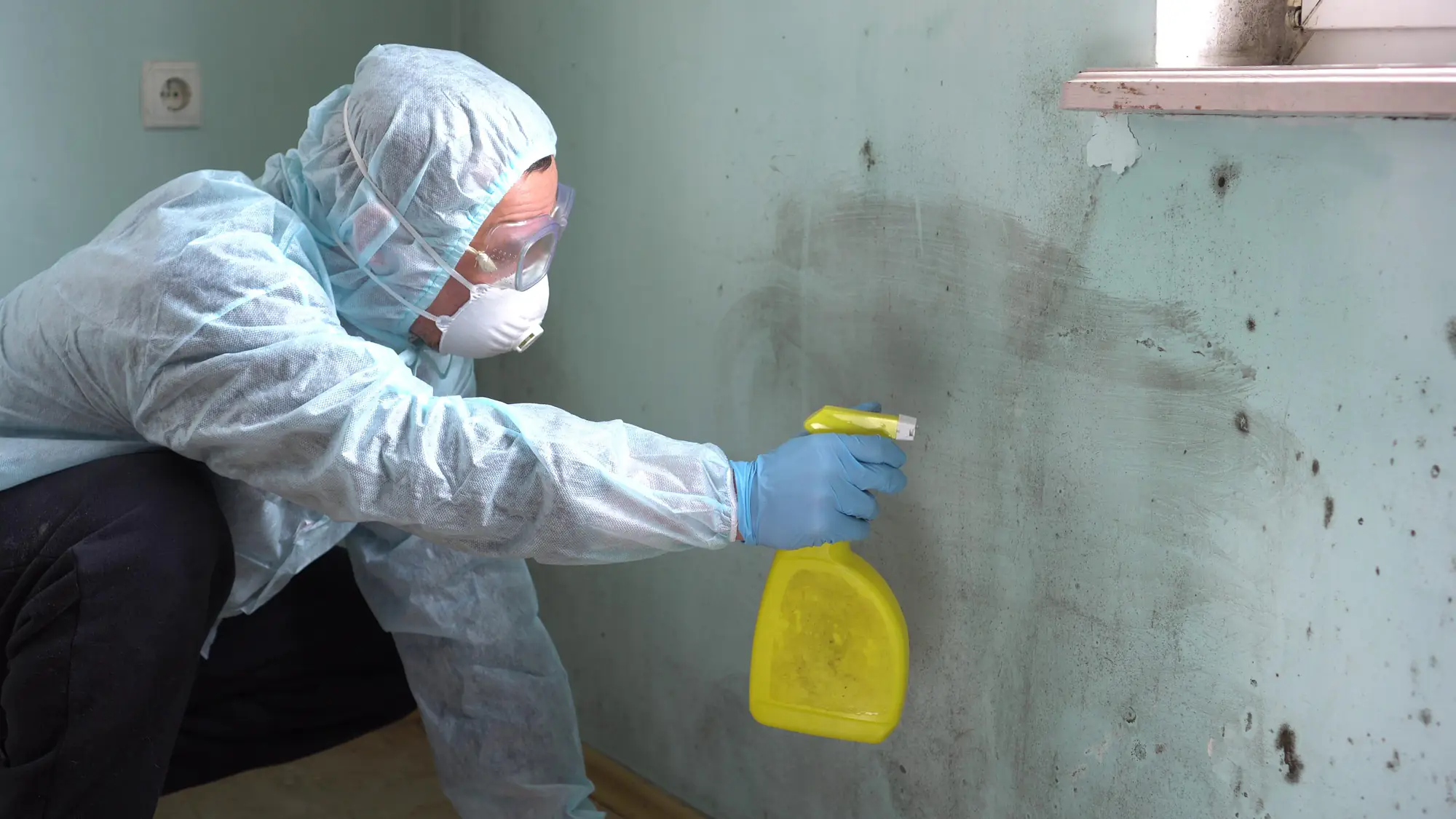
First, we come out and do a free inspection. We’re not showing up to pressure you into anything—we’re there to assess the situation using thermal imaging, moisture meters, and air sampling if needed. This tells us where the mold is, how bad it is, and what’s feeding it.
Once we know what we’re dealing with, we give you a clear estimate. No surprises. If you move forward, we contain the affected area to prevent spores from spreading to other parts of your home. Then we remove the contaminated materials safely, treat surfaces with antimicrobial solutions, and use HEPA filtration to clean the air.
But here’s the part most companies skip: we identify and fix the moisture problem. Whether it’s a leaky pipe, poor ventilation, or water seeping through your foundation, we make sure the root cause gets addressed. Otherwise, you’re just paying to remove mold that’ll grow right back. After everything’s dry and treated, we do a final air quality test to confirm the job’s done right.
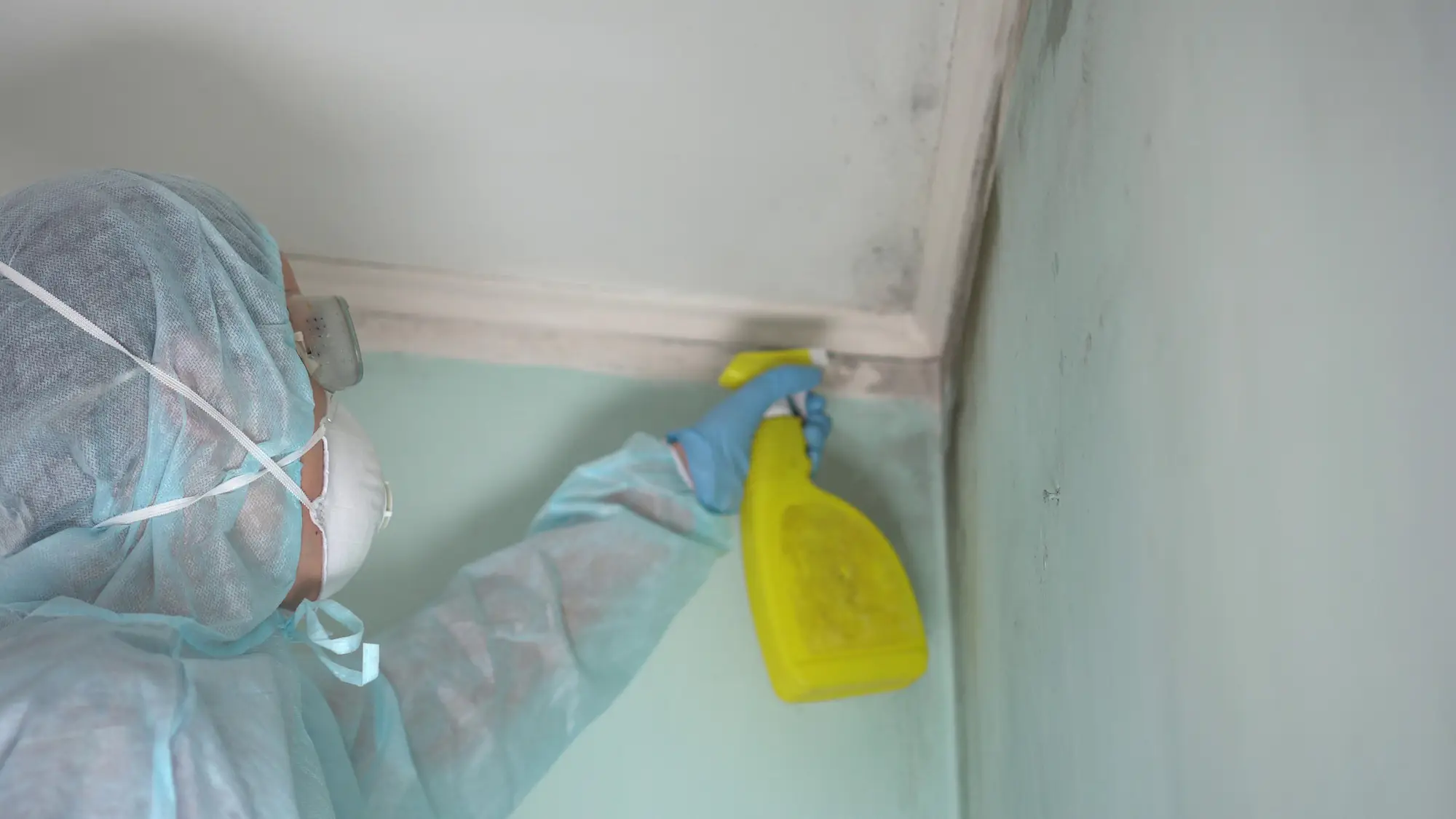
Ready to get started?
When you hire a mold remediation specialist, you should expect more than someone scraping visible mold off your walls. You need someone who understands how mold behaves in Durham’s climate—where humidity spikes in summer and damp winters create perfect conditions for growth year-round.
Our service includes advanced detection using infrared technology that spots moisture you can’t see. We document everything for your insurance company if you’re filing a claim, and we work directly with them to make the process easier on you. You also get containment barriers, HEPA air scrubbers, antimicrobial treatments, and a full breakdown of what caused the problem in the first place.
We’re available 24/7 because mold doesn’t wait for business hours, and neither does water damage. The faster you act after a leak or flood, the less damage you’ll deal with down the road. Bucks County homes are especially vulnerable in basements and crawl spaces, where moisture builds up quietly until you’ve got a serious problem. We’ve worked in enough local homes to know where to look and what to expect.

Mildew is surface-level and usually shows up as a thin, powdery layer on damp surfaces like shower tiles or windowsills. You can wipe it off pretty easily, and it doesn’t penetrate deep into materials. Mold, on the other hand, grows into porous surfaces like drywall, wood, and insulation. It’s usually darker, has a fuzzy or slimy texture, and comes with a strong musty smell that doesn’t go away.
If you’re seeing black or green patches that keep coming back even after you clean them, that’s mold. If your allergies flare up indoors but improve when you leave the house, that’s another red flag. Mold releases spores into the air that you’re breathing every day, and those spores can trigger respiratory issues, headaches, and fatigue.
The tricky part is that most mold grows where you can’t see it—behind walls, under floors, in your HVAC system. That’s why a proper inspection with moisture detection tools matters. We can tell you exactly what you’re dealing with and whether it’s something you can manage yourself or if it needs professional removal.
Durham’s climate is a big factor. You’ve got humid summers where moisture levels stay high, and damp winters that don’t give things a chance to fully dry out. Mold needs three things to grow: moisture, warmth, and organic material to feed on. Your home has plenty of the last two, so it really comes down to controlling moisture.
Older homes in Bucks County—especially those built before modern building codes—often lack proper vapor barriers, ventilation, and waterproofing. Basements are notorious for seeping water through foundation cracks or poor grading around the house. Attics get humid from poor ventilation or roof leaks. Bathrooms and kitchens generate moisture daily from showers, cooking, and laundry.
If you’ve had any kind of water damage—burst pipes, roof leaks, flooding, even a backed-up washing machine—you’ve got 24 to 48 hours before mold starts growing. Most people don’t realize how fast it happens. Even high indoor humidity without a specific leak can cause problems over time, especially in crawl spaces and basements that don’t get much airflow.
If it’s a very small area—less than 10 square feet—and it’s on a non-porous surface like tile or glass, you can probably handle it yourself with the right cleaner and some ventilation. But if the mold is on drywall, wood, insulation, or carpet, or if it’s spreading across a larger area, DIY removal usually makes things worse.
Here’s why: disturbing mold without proper containment releases thousands of spores into the air. Those spores travel through your HVAC system and settle in other parts of your home, spreading the contamination. You also can’t see what’s behind the walls or under the floor, so you’re only treating the visible problem while the real issue keeps growing.
Professional mold remediation specialists use containment barriers, HEPA filtration, and negative air pressure to keep spores from spreading. We remove contaminated materials safely and treat affected areas with antimicrobials. More importantly, we find and fix the moisture source so you’re not just cleaning up mold that’ll return in a few weeks. If your health is being affected or the problem keeps coming back, it’s time to bring in someone who knows how to handle it correctly.
It depends on how extensive the problem is, where the mold is located, and what’s causing it. For smaller jobs—like treating a bathroom or small basement area—you’re typically looking at $900 to $1,500. Larger projects that involve multiple rooms, crawl spaces, or significant water damage can run $2,500 to $6,000 or more.
The cost covers inspection, containment, removal of contaminated materials, antimicrobial treatment, air filtration, and moisture source identification. If you need structural repairs—like replacing drywall, insulation, or flooring—that adds to the total. But here’s the thing: the longer you wait, the more expensive it gets. Mold spreads fast, and the damage compounds.
Most homeowners insurance policies cover mold removal if it’s caused by a sudden, accidental event like a burst pipe or storm damage. If it’s from long-term neglect or maintenance issues, coverage gets tricky. We work directly with insurance companies and provide all the documentation they need, which makes filing a claim a lot easier. We also offer financing options if you need them, because waiting on mold isn’t an option when your health and home are at risk.
For most residential jobs, the actual removal and treatment take anywhere from one to three days depending on the size and severity of the contamination. The inspection and assessment happen first—that’s usually a few hours. Once we give you an estimate and you approve the work, we can often start within 24 hours, especially if it’s an emergency situation.
Containment and removal are the most time-intensive parts. We’re sealing off the area, removing affected materials, treating surfaces, and running air scrubbers to filter out spores. After the mold is removed, we need to make sure everything dries completely, which can take an additional day or two depending on humidity levels and the extent of moisture damage.
If there’s reconstruction involved—like replacing drywall or flooring—that adds time, but we’ll walk you through the timeline upfront so you know what to expect. The key is that we don’t rush the process just to get it done faster. Mold removal has to be thorough, or you’ll be dealing with the same problem again in a few months. We’d rather take the time to do it right than leave you with a recurring issue.
First, don’t panic, but also don’t ignore it. If you see mold, stop using that area if possible and keep kids and pets away from it. Don’t try to scrub it or spray it with bleach right away—that can release spores into the air and spread contamination to other parts of your house.
If there’s active water damage or a leak, shut off the water source if you can and start drying out the area with fans and dehumidifiers. The faster you reduce moisture, the slower mold will spread. Open windows if the outdoor humidity is lower than indoors, but don’t rely on airflow alone to fix the problem.
Call us to do a proper inspection. We’ll assess how bad it is, where it’s growing, and what’s feeding it. If it’s a small, surface-level issue, we’ll tell you. If it’s something bigger that needs professional treatment, we’ll give you a clear plan and a fair price. The worst thing you can do is wait and hope it goes away—it won’t. Mold only gets worse with time, and the health risks and repair costs go up the longer it sits.
Other Services we provide in Durham