

Hear from Our Customers
You shouldn’t have to wonder what’s growing behind your walls. Or whether that musty smell in the basement is making your kids’ allergies worse. Mold doesn’t just sit there—it spreads, and the longer it goes untreated, the harder it gets to remove.
Professional mold removal means you get your air quality back. No more guessing. No more temporary fixes that fail three months later because the leak or humidity issue never got addressed.
When the job’s done right, you’re not masking the problem. You’re eliminating it. That means drying out the source, removing contaminated materials safely, and confirming with lab testing that your indoor air is clean again. It also means you can stop worrying every time someone coughs or your sinuses flare up at home.
Durham’s humidity doesn’t help. Summers here push indoor moisture past 60%, and older homes near the Delaware River deal with basement dampness year-round. If water got in—whether from a pipe leak, roof issue, or flooding—you’ve got a 24 to 48-hour window before mold starts colonizing. After that, it’s not a prevention job anymore. It’s remediation.
We handle black mold removal, basement mold, crawl space contamination, and post-water-damage cleanup across Bucks County. We’re local, and we’ve seen what happens when mold gets ignored in this climate.
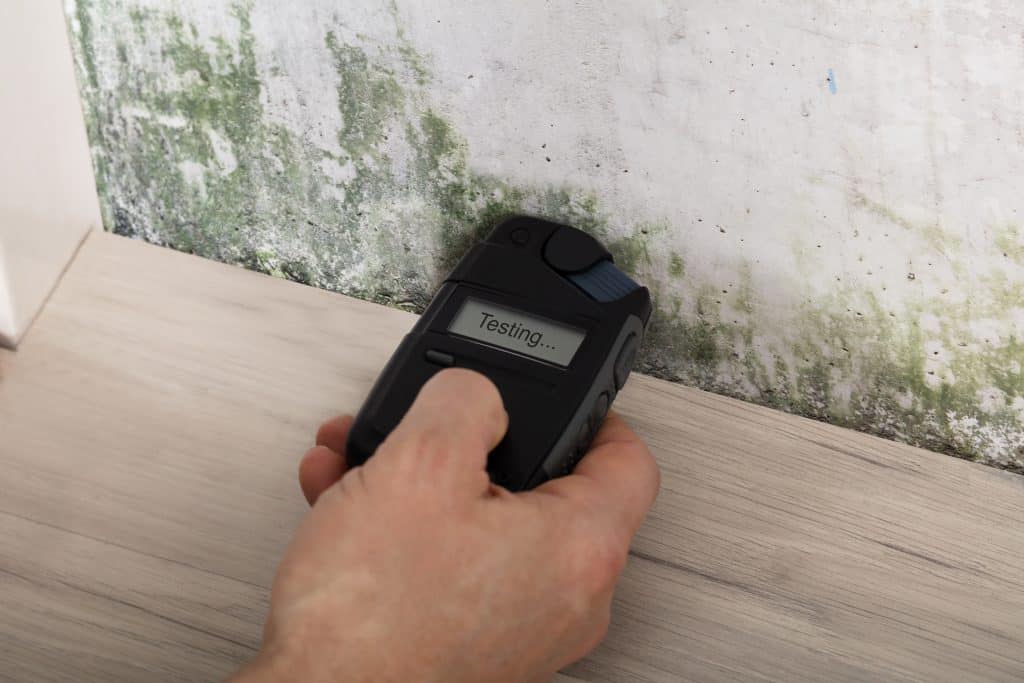
Our team uses thermal imaging and moisture meters to find hidden growth. We pull lab samples to identify what species you’re dealing with and whether it’s a health risk. Then we remove it using containment barriers and HEPA filtration so spores don’t spread during the job.
You’ll know what we find, what it costs, and what needs to happen before we start. No scare tactics. No upselling. Just honest assessments and work that holds up.

First, we inspect. That means a full visual check of your home, moisture readings in suspected areas, and air sampling if needed. We’re looking for active growth, water damage, and the conditions that let mold thrive. If we find something, we’ll show you and explain what’s happening.
Next, we test. Samples go to a certified lab so you know exactly what type of mold is present and how much of it is in your air. Some molds are allergenic. Some are toxic. The lab report tells us which one you’re dealing with and how aggressive the cleanup needs to be.
Then we remediate. We set up containment to isolate the affected area, remove contaminated materials, treat surfaces, and dry everything out with commercial dehumidifiers and air movers. We don’t just scrub visible mold and call it done—we address the moisture source or it’ll come back.
Finally, we verify. Post-remediation testing confirms your air quality is back to normal. You get documentation for your records, and if insurance is involved, we help with that process too.
Ready to get started?
Every mold removal job in Durham, PA starts with detection. We use infrared cameras to spot temperature differences that indicate moisture behind walls or ceilings. Moisture meters give us exact readings. Air sampling captures spore counts so we’re not guessing about contamination levels.
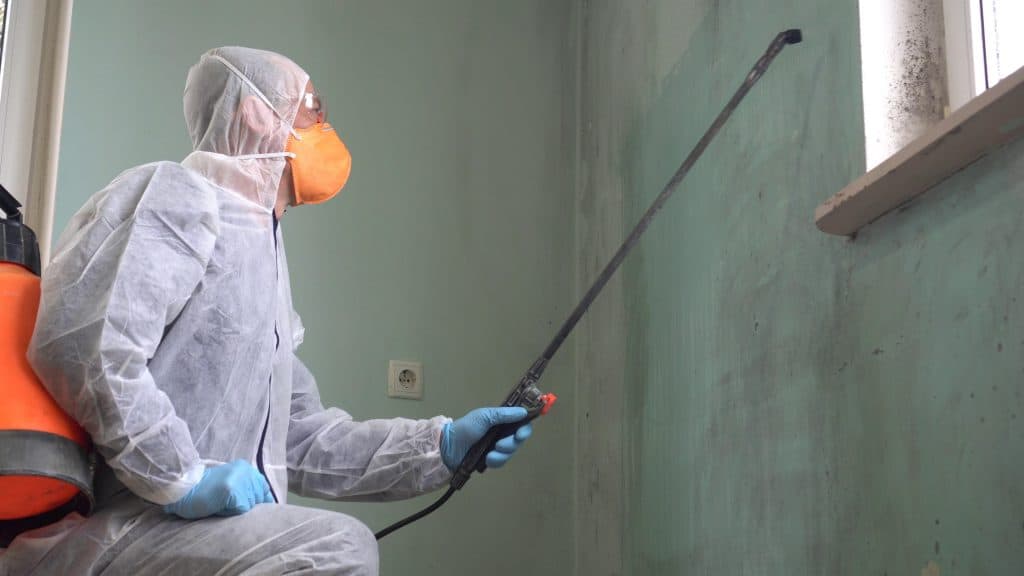
Remediation includes containment setup, removal of affected drywall or insulation, HEPA vacuuming, antimicrobial treatment, and structural drying. If your basement flooded or a pipe leaked into the crawl space, we’re pulling out wet materials within that 24-to-48-hour window when possible. If mold’s already established, we’re suiting up and doing it right—with negative air pressure and proper disposal.
Bucks County homes deal with specific challenges. Older properties near the river have stone foundations that wick moisture. Newer builds sometimes have ventilation issues that trap humidity in bathrooms and laundry rooms. We’ve handled both, and we adjust our approach depending on what your home needs.
You’ll also get a written report. That includes lab results, photos of the affected areas, and our recommended repairs to prevent recurrence. If your insurance covers the work, we’ll coordinate directly with your adjuster and provide the documentation they need.
It depends on how much mold is present and where it’s growing. A small bathroom or closet might take one to two days. A finished basement with contamination behind drywall and inside insulation could take a week or more.
The timeline includes inspection, lab testing (which takes a few days for results), remediation, drying time, and post-testing to confirm the air is clean. We don’t rush the drying phase—if materials aren’t fully dried, mold can return even after removal.
Most Durham jobs fall somewhere in the three-to-five-day range once work begins. If it’s an emergency response after a flood, we’ll start extraction and drying immediately to prevent mold from establishing in the first place.
Mold removal usually means surface cleaning—scrubbing visible mold off a wall or ceiling. Remediation goes deeper. It addresses the source of moisture, removes contaminated materials, and brings spore counts back to normal levels.
You can’t remove every mold spore from a home. They’re everywhere, floating in outdoor air and settling on surfaces. Remediation focuses on reducing indoor spore counts to match outdoor baseline levels and eliminating active growth.
If someone just removes the visible mold without fixing the leak, condensation issue, or humidity problem, it’ll grow back. Remediation is cause-focused. That’s why it costs more, takes longer, and actually works.
Sometimes. Most policies cover mold if it resulted from a sudden, accidental event—like a burst pipe or appliance leak. They typically won’t cover mold caused by long-term neglect, poor maintenance, or flooding (unless you have separate flood insurance).
The key is documentation. You’ll need proof that the water damage was sudden and that you acted quickly to mitigate it. That’s where professional mold inspection helps—our lab reports and moisture readings provide the evidence your insurer needs.
We work with insurance companies regularly. If your claim gets approved, we’ll coordinate directly with your adjuster, provide estimates, and submit the required paperwork. If it’s denied, we’ll explain your options and give you transparent pricing so you can move forward.
If it’s a small area—less than 10 square feet, like a patch on a bathroom ceiling—you can try cleaning it yourself with proper protection. Wear an N95 mask, gloves, and goggles. Use detergent and water, not bleach on porous surfaces. Bag and dispose of contaminated materials carefully.
Anything larger, anything inside walls or ductwork, or any situation involving health symptoms should be handled by a professional mold removal company. Black mold (Stachybotrys) can release mycotoxins during removal, and disturbing it without containment spreads spores throughout your home.
DIY jobs also miss the source. You might scrub the mold off drywall, but if the wall cavity is wet or there’s a slow leak you didn’t catch, it’ll be back in weeks. Professional remediation includes moisture mapping, source correction, and post-testing to confirm the job actually worked.
Most Durham homeowners pay between $900 and $2,500 for mold remediation, depending on the size of the affected area and how invasive the work needs to be. A small closet or bathroom costs less. A full basement with contaminated framing and insulation costs more.
Mold inspection alone typically runs $300 to $800. That includes the visual assessment, moisture detection, air sampling, and lab analysis. If remediation is needed, the inspection cost is often rolled into the total project price.
We give you an upfront estimate after the inspection. No surprises. You’ll know what the job involves, what it costs, and what’s covered if you’re filing an insurance claim. If the scope changes during the work—say we find additional contamination behind a wall—we’ll walk you through it before proceeding.
Mold exposure can cause stuffy nose, sore throat, coughing, wheezing, burning eyes, and skin rash. If you have asthma or mold allergies, reactions can be severe—including difficulty breathing and asthma attacks. People with weakened immune systems risk lung infections.
Some molds produce mycotoxins, which can cause more serious health effects with prolonged exposure. Symptoms like persistent fatigue, headaches, sinus issues, or respiratory problems that improve when you leave the house are red flags.
The health risk depends on the type of mold, the concentration of spores in your air, and your individual sensitivity. That’s why lab testing matters—it tells you what you’re breathing and whether it’s a health threat. Once we know what’s there, we can remove it safely and get your indoor air quality back to normal.
Other Services we provide in Durham