
Mold Inspection in Hilltop, PA

Know What You're Dealing With Before You Pay

Independent mold testing that gives you real answers about what’s in your home—without the pressure to buy remediation you might not need.
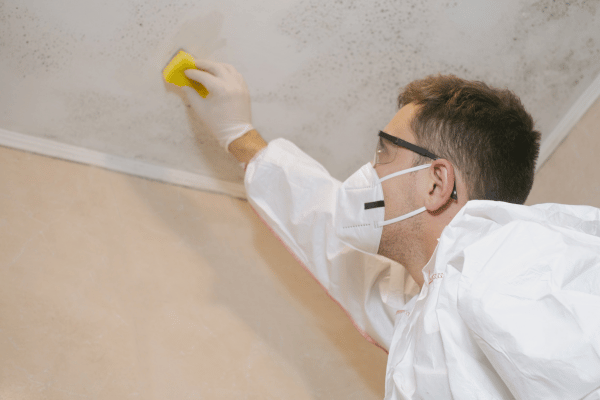
Protective worker in safety suit inspecting or treating mold spots on an indoor ceiling, addressing moisture damage and potential mold growth inside a building.

Hear from Our Customers

Professional Mold Detection Services in Hilltop

Get the Facts Before Making Any Decisions

You’re not looking for someone to sell you mold removal. You’re looking for someone to tell you whether you actually have a problem worth fixing.

That’s where independent mold inspection makes sense. We test your air and surfaces, send samples to an EPA-certified lab, and give you a report that shows exactly what’s happening in your home. If there’s mold, you’ll know what type, where it’s coming from, and how much is there. If there isn’t a problem, you’ll have documentation proving that too.

This matters when you’re buying a house in Hilltop and need to know what you’re getting into. It matters when your family’s dealing with unexplained allergies or respiratory issues. It matters when your basement flooded last month and you’re not sure if drying it out was enough. And it especially matters when an insurance claim or real estate transaction requires third-party verification.

You get clarity. You get leverage. You get to make decisions based on actual data instead of someone’s sales pitch.

Certified Mold Inspection Company Serving Hilltop

We Test Mold, We Don't Sell Remediation

We’ve been serving homeowners and property buyers throughout Hilltop, PA with honest mold detection services that aren’t tied to a remediation upsell. That separation matters because it means our findings aren’t influenced by whether you hire us for additional work.

We’re certified mold inspectors who use thermal imaging cameras, moisture meters, and lab-grade air sampling equipment to find mold you can’t see. Pennsylvania’s wet climate and temperature swings create perfect conditions for hidden mold growth in attics, crawlspaces, behind walls, and inside HVAC systems. We’ve inspected enough homes in this area to know where to look and what warning signs actually mean something.

When we’re done, you’ll have a report you can use for insurance claims, real estate negotiations, or just your own decision-making. No pressure, no inflated findings, no remediation contract waiting at the end.

Protective worker collecting a mold sample from a stained indoor ceiling using a swab, inspecting moisture damage and potential mold growth inside a building.

How Our Mold Inspection Process Works

Here's What Happens During a Home Mold Inspection

We start with a visual assessment of your property. That means checking areas where moisture problems typically show up—basements, bathrooms, kitchens, attics, crawlspaces, around windows, and anywhere you’ve had leaks or water damage. We’re looking for visible mold, water stains, condensation patterns, and structural issues that create conditions for mold growth.

Next, we use moisture meters and thermal imaging to detect hidden moisture behind walls, under floors, and in other concealed spaces. Mold needs moisture to grow, so finding elevated moisture levels tells us where problems might be developing even if mold isn’t visible yet.

Then we collect air samples and surface samples from multiple areas of your home. Air sampling captures mold spores that are circulating through your indoor environment. Surface sampling tests specific areas where we see potential growth. We also take an outdoor air sample as a baseline for comparison, since some level of mold spores exists naturally in outdoor air.

Those samples go to an EPA-certified laboratory for analysis. The lab identifies the types of mold present, measures spore concentrations, and determines contamination levels. You’ll get a detailed report that breaks down the findings in plain language, identifies any moisture sources that need attention, and outlines what remediation steps make sense if mold levels are elevated. The whole process typically takes a few days from inspection to final report.

Home interior with mold remediation in progress as a worker sprays treatment on a wall using a ladder, while a resident relaxes on a covered sofa in a renovated living room.

Ready to get started?

Explore More Services

About Mack's Mold Removal

Black Mold Inspection and Testing in Hilltop

What's Included in Our Mold Detection Services

Every mold inspection we do in Hilltop includes a thorough visual examination of your property’s interior and exterior, moisture mapping with professional-grade meters, thermal imaging to detect hidden water intrusion, and air quality sampling from multiple rooms. We also collect surface samples from any areas showing visible growth or suspicious staining.

All samples get analyzed by an independent, EPA-certified laboratory that specializes in mold identification. The lab report identifies specific mold species—including black mold (Stachybotrys), Aspergillus, Penicillium, and other common types—along with spore counts that show whether levels are elevated compared to outdoor air.

You’ll receive a comprehensive written report that explains the findings, pinpoints moisture sources contributing to mold growth, and provides clear recommendations. If remediation is needed, the report outlines a protocol that any qualified remediation company can follow. If levels are normal, you’ll have documentation proving your home’s air quality is acceptable.

For real estate transactions in Hilltop, our inspection reports meet the requirements that mortgage lenders and buyers are increasingly requesting. For insurance claims, the documentation provides the evidence adjusters need to process water damage and mold-related claims. For homeowners dealing with health symptoms or musty odors, the testing either confirms a problem that needs fixing or rules out mold as the cause so you can look elsewhere for answers.

Pennsylvania’s climate creates year-round mold risk. Cold winters, humid summers, and above-average precipitation mean homes here face constant moisture challenges. Proper ventilation, humidity control, and quick response to water problems matter more in this region than in drier climates.

How much does a mold inspection cost in Hilltop, PA?

Most professional mold inspections in the Hilltop area run between $300 and $800 depending on your home’s size, how many samples we collect, and whether we’re testing a specific problem area or doing a whole-house assessment. A typical single-family home inspection with air sampling from three to five rooms and a couple of surface samples usually falls in the $400 to $600 range.

That cost covers the on-site inspection, all sampling and lab analysis, moisture detection, thermal imaging, and a detailed written report. Lab fees are included—you’re not getting hit with surprise charges after the fact. If you’re buying a home and just need testing in a basement or attic where the home inspector noted concerns, a limited inspection focused on that specific area costs less than a full-property assessment.

The investment makes sense when you consider what you’re getting. An unbiased professional assessment can save you thousands by preventing unnecessary remediation work, or it can catch a serious problem before it destroys building materials and impacts your family’s health. For real estate transactions, spending a few hundred dollars on testing often saves deals from falling through or gives you negotiating leverage on the purchase price.

A standard home inspection covers the overall condition of a property’s structure, systems, and components. The home inspector checks the roof, foundation, electrical, plumbing, HVAC, and other major elements. They’ll note visible mold or moisture issues if they see them, but they typically don’t perform mold testing or collect samples for lab analysis.

A mold inspection is a specialized service focused specifically on detecting mold growth and identifying moisture problems that cause it. We use equipment home inspectors don’t carry—moisture meters, thermal imaging cameras, air sampling pumps, and sterile collection supplies. We’re trained to recognize conditions that promote mold growth and to collect samples using protocols that produce accurate lab results.

Home inspectors in Pennsylvania often recommend mold testing when they find water stains, musty odors, visible growth, or moisture readings that suggest hidden problems. That’s when you call us. We take it from there with targeted testing that gives you specific information about mold types, spore concentrations, and contamination levels. The two services complement each other—the home inspection identifies potential concerns, and the mold inspection confirms whether those concerns are actual problems requiring remediation.

The on-site inspection itself usually takes one to three hours depending on your home’s size and how many areas we’re testing. We’re thorough but efficient—we’re not going to waste your afternoon.

After we collect samples, they go to the lab within 24 hours. Lab analysis typically takes three to five business days. You’ll receive a complete written report as soon as results come back. If you’re in a time-sensitive situation like a real estate closing or an insurance claim with deadlines, let us know upfront and we can often expedite lab processing for faster turnaround.

The report includes everything you need to understand what’s happening in your home. Lab results show specific mold types identified, spore counts for each type, comparison to outdoor baseline levels, and an assessment of whether concentrations are elevated. Our inspection report adds context—where moisture is coming from, what building materials or areas are affected, and what remediation steps make sense if levels are high.

If you have questions after reviewing the report, we’ll walk you through it. The goal is for you to fully understand the findings and feel confident about whatever decisions you make next.

DIY mold test kits exist, but they have serious limitations. Most home test kits only tell you that mold is present—which isn’t particularly useful since mold spores exist in virtually every indoor environment. They don’t tell you what types of mold you have, whether concentrations are elevated compared to normal levels, or where the mold is coming from.

Professional mold inspection gives you information you can actually use. We collect samples using proper protocols that prevent contamination and ensure accurate results. We compare indoor air quality to outdoor baseline samples so you know whether your indoor levels are abnormally high. The lab analysis identifies specific species, which matters because some molds are more concerning than others from a health standpoint.

Just as important, we find the moisture source. Mold is a symptom, not the root problem. Moisture intrusion is what allows mold to grow. We use thermal imaging and moisture meters to locate hidden water problems behind walls, under floors, in attics, and other concealed areas. That’s what tells you how to actually fix the problem instead of just cleaning up visible growth while the underlying moisture issue continues feeding new growth.

For real estate transactions, insurance claims, or legal situations, you need professional documentation. DIY test results won’t hold up in those contexts. If you’re dealing with health symptoms or planning to invest money in remediation, professional testing is worth the cost to make sure you’re addressing the right problem.

Visible mold growth is the obvious one—if you see discoloration, fuzzy growth, or staining on walls, ceilings, or other surfaces, get it tested to know what you’re dealing with. But plenty of mold problems aren’t visible, which is why other warning signs matter.

Musty or earthy odors are a red flag, especially in basements, bathrooms, attics, or closets. That smell usually means mold is growing somewhere even if you can’t see it. Unexplained health symptoms that improve when you leave the house and return when you come back—things like congestion, coughing, eye irritation, headaches, or allergy-like symptoms—can indicate mold exposure.

Water damage or leaks are automatic triggers for mold testing. If you’ve had a roof leak, plumbing failure, foundation seepage, or flooding, mold can start growing within 24 to 48 hours if materials don’t dry completely. Even if the area looks dry now, mold might be growing inside walls, under flooring, or in other hidden spaces.

High humidity is another concern in Hilltop. Pennsylvania’s climate keeps indoor humidity elevated, especially in basements and crawlspaces. If you’re seeing condensation on windows, damp spots on walls, or moisture in your basement, conditions are right for mold growth. Homes with poor ventilation, older HVAC systems, or previous moisture problems are at higher risk.

If you’re buying a home, mold testing during the inspection period protects your investment. If you’re selling and want to address problems before they kill a deal, testing gives you a clear picture of what needs fixing. If you’re a landlord dealing with tenant complaints about odors or health issues, testing documents the situation and tells you whether remediation is necessary.

Yes, that’s exactly what it does. The inspection report tells you whether mold levels in your home are elevated compared to normal outdoor levels, what types of mold are present, and where the growth is occurring. If concentrations are within normal range and no significant moisture problems exist, you’ll know remediation isn’t necessary.

If testing shows elevated levels, the report outlines what remediation work makes sense. That might be anything from cleaning a small area yourself following proper protocols, to hiring a professional remediation company for more extensive contamination. The report provides a remediation protocol that any qualified company can follow, which means you’re not locked into using a specific contractor.

Because we don’t perform remediation ourselves, our findings aren’t influenced by whether you hire us for additional work. We have no incentive to exaggerate problems or recommend unnecessary services. You get an honest assessment based on lab results and industry standards for acceptable mold levels.

The report also identifies the moisture source causing mold growth. Remediation without fixing the underlying moisture problem is pointless—the mold will just come back. We tell you where water is getting in, whether it’s from roof leaks, plumbing issues, foundation seepage, condensation, or poor ventilation. That’s what allows you to actually solve the problem instead of just treating symptoms.

Other Services we provide in Hilltop