
Hear from Our Customers
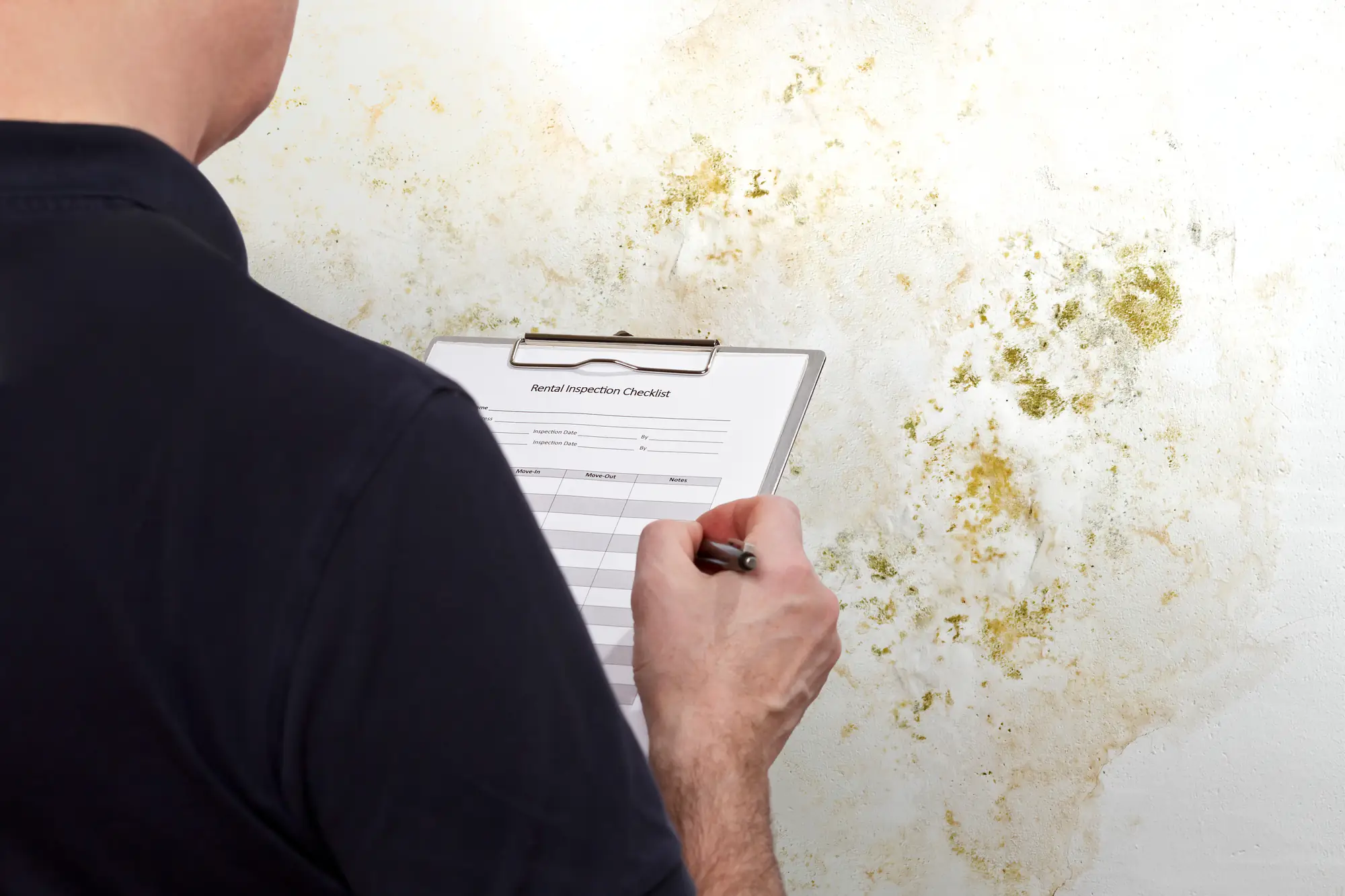
You’re not imagining that musty smell. You’re not overreacting when your allergies flare up at home but clear up at work. And you’re definitely not wrong to wonder what’s growing behind your walls.
A proper mold inspection gives you answers. Not guesses. Not maybes. You’ll know if there’s mold, where it is, how bad it is, and what caused it in the first place.
We use moisture meters and thermal imaging to detect mold you can’t see—inside walls, under floors, in your HVAC system. The kind of mold that spreads quietly until it’s expensive. The inspection takes a few hours. What you get is a detailed report that tells you exactly what’s happening in your home and what to do about it.
If there’s no mold, you’ll have peace of mind. If there is, you’ll have a plan. Either way, you’re not left guessing.
We’ve been inspecting and treating homes across Bucks County for years. We know the area. We know the housing stock here—most of it built in the 1940s, with basements that hold moisture like a sponge.
We’re not a national franchise reading from a script. We’re local. Our inspectors are certified, our equipment is current, and our process is thorough. We don’t upsell services you don’t need, and we don’t downplay problems to make the job easier on us.
Fallsington homeowners call us because we show up, find what’s there, and explain it in plain terms. No drama. No runaround.
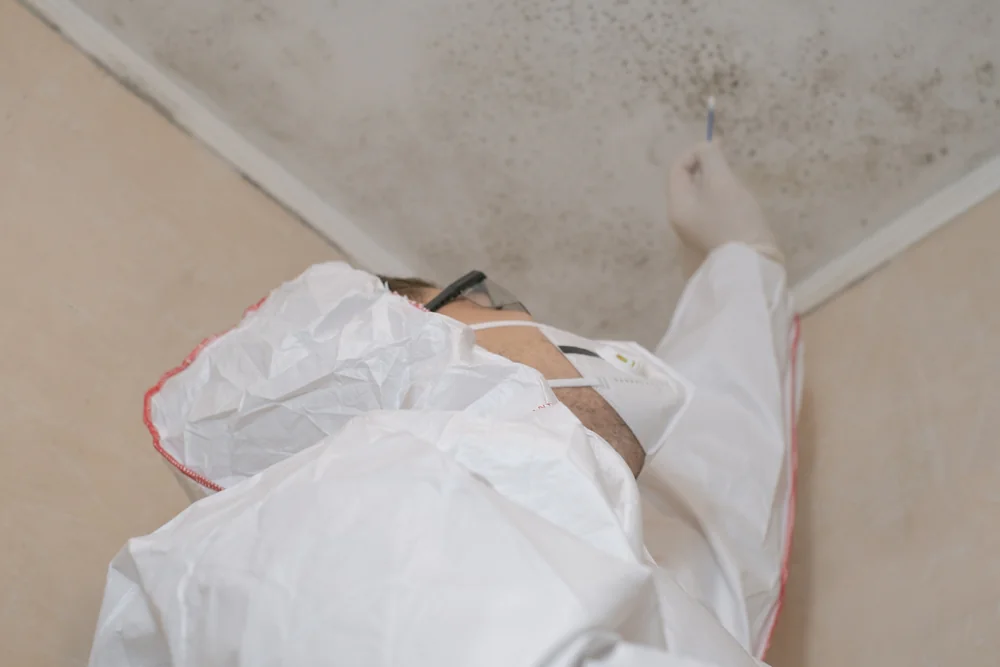
First, we walk through your home with you. You point out any concerns—smells, stains, moisture issues, health symptoms. We listen. Then we start looking in the places most people don’t: behind appliances, inside HVAC ducts, around windows, in crawl spaces and attics.
We use a moisture meter to measure levels in walls, ceilings, and floors. High moisture means high risk. We also use thermal imaging to spot temperature differences that indicate hidden water intrusion or mold growth. If we find visible mold or conditions that suggest hidden contamination, we may recommend lab testing to confirm the type and concentration.
After the inspection, you get a written report. It includes photos, moisture readings, identified problem areas, and recommendations. If remediation is needed, we’ll explain what that looks like and what it costs. If it’s minor and you can handle it yourself, we’ll tell you that too.
The whole process usually takes two to three hours, depending on the size of your home. You’ll have answers by the end of the day.

Ready to get started?
You’re paying for more than someone walking around with a flashlight. Our mold inspection includes a full visual assessment of your property, moisture mapping with professional-grade meters, thermal imaging to detect hidden water damage, and air quality concerns tied to ventilation or humidity.
We inspect basements, attics, crawl spaces, bathrooms, kitchens, and any area where you’ve noticed issues. We check around windows, under sinks, near water heaters, and inside HVAC systems. Mold grows where moisture sits, and in Fallsington’s climate—humid summers, damp winters—that’s more places than you’d think.
If testing is recommended, we collect samples and send them to a certified lab. You’ll get results that show whether mold is present, what kind it is, and whether the levels are unsafe. We also identify the moisture source, because removing mold without fixing the cause just means it comes back.
This isn’t a pass-fail test. It’s a diagnostic. You’ll know what’s wrong, why it happened, and what it takes to fix it.
Most mold inspections in Fallsington run between $300 and $600, depending on the size of your home and whether lab testing is needed. A basic visual inspection with moisture detection is on the lower end. If we’re testing air samples or surface samples and sending them to a lab, that adds to the cost.
Here’s what affects price: square footage, number of areas inspected, whether you need same-day results, and how accessible the problem areas are. A 1,200-square-foot ranch is faster and cheaper to inspect than a 3,000-square-foot two-story with a finished basement.
We’ll give you a clear quote before we start. No surprises. And if the inspection reveals you don’t need remediation, you’ve spent a few hundred dollars for peace of mind. If it does reveal a problem, you’ve caught it early—and that saves you thousands down the road.
A mold inspection is the full assessment—visual examination, moisture readings, thermal imaging, and identifying problem areas. Mold testing is collecting samples (air or surface) and sending them to a lab to confirm what type of mold is present and at what concentration.
You don’t always need testing. If we see visible mold and the source is obvious—like a leaking pipe—we already know there’s a problem. Testing is useful when you have symptoms but no visible mold, when you’re buying or selling a home, or when you need documentation for insurance or legal reasons.
Testing also tells you if the mold is toxic (like black mold) or just a nuisance species. That affects how we approach remediation. We’ll recommend testing if it makes sense for your situation. If it doesn’t, we’ll tell you that too.
You can, but it won’t tell you much. Those kits test for the presence of mold spores in the air—and there are always mold spores in the air. What matters is the type, the concentration, and where it’s growing. A DIY kit won’t give you that.
They also won’t find hidden mold. If it’s behind a wall or under your floor, a petri dish on your counter isn’t going to catch it. And they don’t measure moisture levels, which is the real issue. Mold is the symptom. Moisture is the cause.
If you’re trying to save money, we get it. But if you’re dealing with health symptoms, planning to sell your home, or you’ve had water damage, a professional inspection is worth it. You’ll get accurate information and a plan to fix the problem—not just a vague “yes, mold exists.”
Plan on two to three hours for a typical home inspection. Larger homes or properties with multiple problem areas can take longer. We’re not rushing through it. We’re checking every area where mold is likely to grow—and some where you wouldn’t expect it.
The inspection itself is thorough but not invasive. We’re not tearing into walls unless there’s already visible damage or a clear reason to look deeper. Most of the time, moisture meters and thermal imaging tell us what we need to know without any demolition.
You’ll get a verbal summary right after we’re done, and a written report within 24 hours. If we send samples to a lab, those results typically come back in three to five business days. We’ll walk you through everything as soon as we have it.
If we find mold, we’ll show you where it is, explain what likely caused it, and outline what it takes to remove it safely. Small areas (less than 10 square feet) can sometimes be cleaned by the homeowner if the surface is non-porous and the source is fixed. Anything larger, or anything involving porous materials like drywall or insulation, needs professional remediation.
We’ll give you a detailed estimate for removal if you want us to handle it. That includes containment, air filtration, removal of contaminated materials, cleaning, and prevention measures. We’ll also identify and fix the moisture problem—whether that’s a leak, condensation, poor ventilation, or drainage issues.
You’re not locked into using us for remediation. The inspection report is yours. You can take it to another company if you want a second opinion or a competing bid. What matters is that the mold gets removed correctly and the underlying issue gets fixed. Otherwise, it just comes back.
If the home is older, has had water damage, or smells musty during the walkthrough—yes. A general home inspection covers a lot, but it’s not a mold inspection. Most home inspectors will note visible mold or moisture issues, but they’re not using thermal imaging or testing air quality.
Mold is one of the top deal-breakers in real estate. If it’s found after closing, you’re stuck with the bill. If it’s found during inspection, you can negotiate repairs, a price reduction, or walk away. A pre-purchase mold inspection costs a few hundred dollars. Remediation after you’ve bought the house can cost thousands.
In Fallsington, where most homes were built in the 1940s and basements are common, it’s worth the extra step. You’re protecting your investment and your family’s health. And if the inspection comes back clean, you’re buying with confidence.
Other Services we provide in Fallsington