
Mold Inspection in Newportville, PA

Find Hidden Mold Before It Costs You Thousands

Professional mold detection that catches problems early, protects your family’s health, and keeps your home’s value intact.
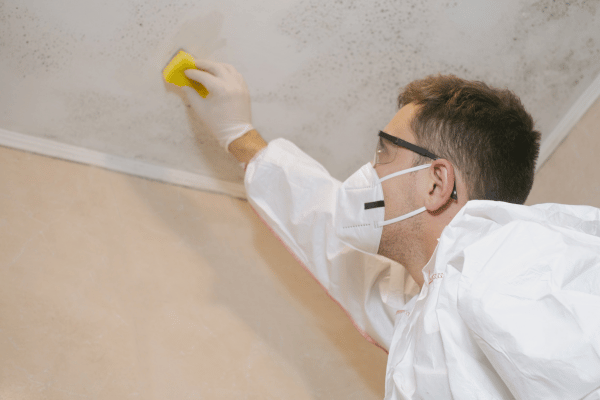
Protective worker in safety suit inspecting or treating mold spots on an indoor ceiling, addressing moisture damage and potential mold growth inside a building.

Hear from Our Customers

Professional Mold Detection in Newportville

Know What's Growing in Your Home

You can’t see most mold problems until they’re already expensive. It hides behind walls, under floors, in attics and crawl spaces. By the time you smell it or see discoloration, you’re looking at serious remediation costs.

A professional mold inspection finds what you can’t. We use thermal imaging, moisture meters, and air quality testing to detect mold before it spreads. You get a detailed report that tells you exactly what’s happening, where it’s happening, and what needs to be done.

This matters in Newportville because Bucks County’s humid summers create perfect conditions for mold growth. Basements stay damp. Attics trap moisture. Air conditioning systems cycle constantly and create condensation. Your home is vulnerable from late spring through early fall, and most homeowners don’t realize they have a problem until it’s already growing.

Early detection means smaller problems. Smaller problems mean lower costs. You’re looking at a few hundred dollars for an inspection versus thousands for remediation if you wait.

Trusted Mold Inspection Company Newportville

We Know Bucks County Homes Inside Out

Mack’s Mold Removal has been serving Newportville and Bucks County for years. We’ve inspected hundreds of homes in this area, and we understand exactly how local climate affects your property.

We know which basements flood during heavy rain. We know how older homes in this area were built without proper vapor barriers. We know that homes near the Delaware River face different moisture challenges than homes on higher ground.

You’re not getting a generic inspection from a national chain. You’re getting local expertise from people who live here, work here, and have seen every type of mold problem this area produces. We’re licensed, insured, and we use EPA-approved methods for every inspection.

Protective worker collecting a mold sample from a stained indoor ceiling using a swab, inspecting moisture damage and potential mold growth inside a building.

Our Mold Inspection Process Newportville

Here's Exactly What Happens During Your Inspection

First, we walk through your home and look for visible signs of mold or moisture damage. We check basements, attics, crawl spaces, bathrooms, and anywhere else moisture tends to accumulate. We’re looking for discoloration, water stains, condensation, and musty odors.

Next, we use specialized equipment to find hidden problems. Thermal imaging cameras detect temperature differences that indicate moisture behind walls. Moisture meters measure humidity levels in building materials. These tools find mold growth you can’t see.

Then we collect air samples and surface samples if needed. Air samples get sent to a certified lab for analysis. This tells us exactly what type of mold is present and how concentrated it is. Surface samples confirm whether visible growth is actually mold or just dirt and discoloration.

You get a detailed report within a few days. It explains what we found, where we found it, and what it means for your home. If there’s a problem, we’ll tell you how serious it is and what your options are. If your home is clean, you get documentation proving it.

The whole process takes a few hours depending on your home’s size. We’re thorough because missing something costs you money later.

Home interior with mold remediation in progress as a worker sprays treatment on a wall using a ladder, while a resident relaxes on a covered sofa in a renovated living room.

Ready to get started?

Explore More Services

About Mack's Mold Removal

Home Mold Inspection Services Newportville

What You Get With Our Inspection

Every mold inspection includes a complete visual examination of your property. We check every area where mold typically grows in Bucks County homes. That means basements where groundwater seeps through foundation walls, attics where roof leaks go unnoticed, bathrooms with poor ventilation, and areas around HVAC systems where condensation builds up.

You get professional-grade air quality testing. We collect samples from multiple rooms and send them to an accredited laboratory. The lab identifies mold species and measures spore concentration. This matters because some molds are more dangerous than others, and concentration levels determine whether you need immediate remediation or just improved ventilation.

We also test moisture levels throughout your home. High moisture is what causes mold growth, so finding moisture problems is just as important as finding mold itself. We identify the source of moisture issues so you can fix the root cause, not just treat symptoms.

Your inspection report includes photos, lab results, moisture readings, and clear recommendations. If you’re buying or selling a home, this documentation satisfies lender requirements and disclosure laws. If you’re dealing with health symptoms or property damage, it gives you evidence for insurance claims.

We also offer free initial inspections to help you understand whether you need full testing. Sometimes a quick visual check is enough to determine your next steps.

How much does a mold inspection cost in Newportville, PA?

Most mold inspections in Newportville run between $300 and $800 depending on your home’s size and how extensive the testing needs to be. A basic inspection with visual examination and air samples for a typical single-family home usually costs around $300 to $500.

Larger homes or properties with multiple problem areas cost more because we need to collect more samples and spend more time testing. If you need extensive surface sampling or testing in hard-to-reach areas like crawl spaces, that adds to the cost.

We offer free initial inspections where we do a visual check and give you an honest assessment of whether you need full testing. Sometimes you don’t need lab work. Sometimes the problem is obvious and you should skip straight to remediation. We’ll tell you either way because charging you for unnecessary testing doesn’t help anyone.

Compare that $300-$800 to remediation costs. Moderate mold problems cost $1,500 to $5,000 to fix. Severe infestations can run over $10,000. Early detection through inspection saves you money.

Get an inspection if you smell musty odors, see discoloration on walls or ceilings, or notice increased allergy symptoms at home. Those are the obvious signs. But you should also test after any water damage, even if it was cleaned up quickly. Mold can start growing within 24 to 48 hours after water exposure.

If you’re buying a home in Newportville, get it inspected before closing. Bucks County’s humid climate means many older homes have hidden mold problems. Finding it during your inspection period gives you negotiating power or lets you walk away from a bad deal. Finding it after closing means you’re paying for remediation yourself.

Sellers should consider inspection before listing. Pennsylvania law requires you to disclose known material defects including mold. Getting ahead of it shows transparency and prevents deals from falling apart during buyer inspections. Homes with documented mold problems lose 20-37% of their value, but homes with proof of professional remediation recover most of that loss.

The best times for preventive inspection in Bucks County are late spring before summer humidity hits, mid-summer during peak moisture season, and fall before you close up your home for winter. Annual inspections catch problems before they become expensive.

Mold inspection is the complete service. It includes visual examination, moisture testing, air sampling, and a detailed report. You get a full picture of your home’s mold situation.

Mold testing specifically refers to collecting air or surface samples for laboratory analysis. It’s one part of a complete inspection. Some companies offer testing without inspection, which means they collect samples but don’t do the investigative work to find hidden problems or moisture sources.

You need both. Testing tells you what type of mold is present and how much. Inspection tells you where it’s growing, why it’s growing, and what you need to do about it. Testing without inspection is like getting bloodwork without seeing a doctor. You get data but no diagnosis.

We include both in our service because you can’t solve a mold problem without understanding the whole situation. If we just test the air and find high spore counts, that doesn’t tell you whether the source is in your basement, your attic, or your HVAC system. The inspection work finds the source so you can actually fix it.

You can buy DIY mold test kits at hardware stores for $10 to $50. They’re better than nothing, but they have serious limitations. Most DIY kits only test one small area, and mold growth is rarely uniform throughout a home. You might test a clean room while missing a serious problem in your basement.

DIY kits also can’t tell you what’s happening behind walls or under floors. You’re only testing surfaces you can see and reach. Professional inspections use thermal imaging and moisture meters to find hidden growth.

The lab analysis from DIY kits is often less detailed than professional testing. You might learn that mold is present, but not what species or how concentrated. That matters because black mold requires different treatment than common surface molds.

Professional inspection costs more upfront but gives you complete information. If you’re dealing with health issues, preparing for a real estate transaction, or filing an insurance claim, you need professional documentation. DIY results won’t hold up in those situations.

Use DIY testing if you want a quick check and you’re not dealing with anything serious. Get professional inspection if you’re making decisions that involve money, health, or legal liability.

Most inspections take two to four hours depending on your home’s size and how many areas need testing. A small single-family home with no obvious problems might take two hours. A larger home with a basement, attic, and crawl space could take four hours or more.

We spend time doing thorough visual examination before we start testing. Rushing through an inspection means missing problems. We check every area where mold typically grows in Bucks County homes, and we use equipment to find issues you can’t see.

The actual air sampling only takes a few minutes per room, but we’re also measuring moisture levels, taking photos, and documenting everything for your report. If we find visible growth, we collect surface samples for lab confirmation.

You get preliminary findings the same day. We’ll tell you what we saw and whether we found obvious problems. The complete report with lab results takes a few days because samples need to be analyzed. Most labs return results within three to five business days.

You don’t need to be home for the entire inspection, but we recommend being there at the start so you can point out any concerns and at the end so we can walk you through our findings.

First, don’t panic. Finding mold during inspection is better than finding it later when it’s worse. You get a detailed report that explains what type of mold is present, where it’s located, how extensive the growth is, and what’s causing it.

Small mold problems can often be cleaned up without major remediation. If it’s surface mold on bathroom tiles or a small area of growth from a minor leak, you might be able to handle it yourself with proper cleaning products and by fixing the moisture source.

Larger problems require professional remediation. We’ll give you a clear scope of work and cost estimate. You’ll know exactly what needs to be removed, what can be cleaned, and what repairs are necessary to prevent regrowth. No surprises.

If you’re buying a home and inspection finds mold, you have options. You can negotiate with the seller to handle remediation before closing. You can ask for a price reduction to cover the cost. Or you can walk away if the problem is too extensive. The inspection gives you leverage.

If you’re selling and we find mold, you’re legally required to disclose it in Pennsylvania. Getting it professionally remediated before listing is usually smarter than waiting for buyer inspections to find it. Homes with documented remediation sell better than homes with known problems and no solution.

Other Services we provide in Newportville