
Mold Inspection in Silverdale, PA

Know What's Growing Before It Costs You

Licensed mold detection that finds hidden problems early, protects your family’s health, and gives you documentation you can actually use.
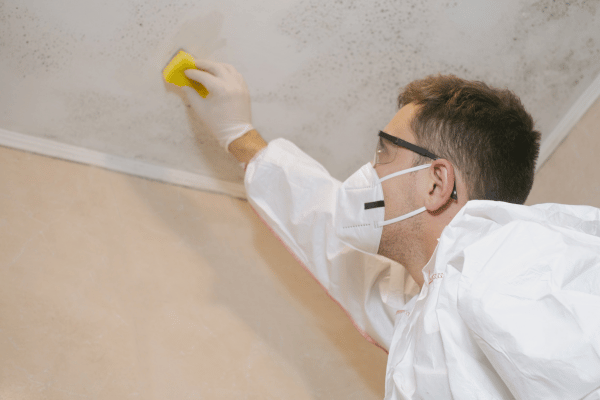
Protective worker in safety suit inspecting or treating mold spots on an indoor ceiling, addressing moisture damage and potential mold growth inside a building.

Hear from Our Customers

Professional Mold Detection Services

Stop Guessing About What's in Your Air

You’ve noticed the smell. Or maybe your allergies act up only when you’re home. Maybe you’re buying a house in Silverdale and want to know what you’re getting into before closing.

Here’s what matters: mold doesn’t announce itself until it’s already a problem. By the time you see visible growth, you’re looking at remediation costs that can hit five figures. And if you’re selling? Buyers walk away from mold faster than anything else in Bucks County real estate.

A professional mold inspection gives you answers before you’re forced into expensive decisions. We use thermal imaging and moisture mapping to find exactly where water is hiding in your walls, attic, or crawlspace. You get lab-tested results that tell you what type of mold you’re dealing with and whether it’s affecting your indoor air quality. No guessing. No hardware store test kits that can’t tell you anything useful.

If there’s a problem, you’ll know the scope before it spreads. If your home is clear, you’ll have documentation that protects your investment.

Certified Mold Inspector in Silverdale

Licensed Testing You Can Trust

We serve Silverdale and Bucks County with licensed mold assessment services. Pennsylvania requires professional licensing for mold inspection work, and we meet those standards.

We understand what homeowners here are up against. Silverdale’s humid continental climate creates year-round moisture challenges. July brings heavy thunderstorms and humidity that pushes past 105°F on the heat index. That combination turns basements, attics, and crawlspaces into mold breeding grounds faster than most people realize.

We’ve completed thousands of standalone mold inspections across Bucks County. Our work involves certified inspectors, independent lab analysis, and documentation that holds up in real estate transactions and insurance claims.

Protective worker collecting a mold sample from a stained indoor ceiling using a swab, inspecting moisture damage and potential mold growth inside a building.

Our Mold Inspection Process

Here's Exactly What Happens During Your Inspection

We start with a visual assessment of your property, looking at the areas where mold typically establishes itself first. Basements, attics, crawlspaces, bathrooms, and anywhere water or humidity tends to collect.

Then we use thermal imaging to map temperature variations in your walls and ceilings. Cold spots often indicate moisture trapped inside. We’re looking for the conditions that allow mold to grow, not just the mold you can see. Moisture meters give us exact readings so we know if materials are wet enough to support growth.

When we find areas of concern, we collect air and surface samples using proper chain of custody documentation. Those samples go to an independent lab where microbiologists analyze exactly what’s present and at what concentration. You receive a detailed report that identifies mold types, spore counts, and whether levels are elevated compared to outdoor air.

The whole process typically takes a few hours depending on your property size. You’ll have lab results within days, along with our assessment of what the findings mean for your home and what steps make sense next.

Home interior with mold remediation in progress as a worker sprays treatment on a wall using a ladder, while a resident relaxes on a covered sofa in a renovated living room.

Ready to get started?

Explore More Services

About Mack's Mold Removal

Home Mold Inspection in Bucks County

What You Actually Get from Our Inspection

You’re not just getting someone to walk through your house and take a few samples. You’re getting a licensed assessment designed to answer specific questions about your property.

Our inspection includes comprehensive visual analysis of all accessible areas, thermal imaging to detect hidden moisture patterns, and moisture mapping that shows you exactly where water is accumulating in your structure. We document everything with measurements, sketches, and photography.

Air sampling captures what’s circulating through your home right now. Surface sampling identifies growth on materials. Every sample gets logged with time, location, and method, then sent to a nationally recognized lab for analysis. A doctor of microbiology reviews your results.

Your report breaks down what we found, what it means, and where the moisture sources are coming from. In Silverdale, that often traces back to foundation issues, roof leaks, HVAC condensation, or poor ventilation in humid summer months. We’ll tell you what’s causing the problem, not just that you have one.

This matters especially if you’re in a real estate transaction. Pennsylvania law requires sellers to disclose known mold issues. Professional documentation protects both parties and keeps deals from falling apart at closing.

How much does a professional mold inspection cost in Silverdale, PA?

Most residential mold inspections in Silverdale run between a few hundred to around a thousand dollars depending on your home’s size and how many samples need lab analysis. That’s significantly less than the cost of ignoring a mold problem.

Here’s the math that matters: remediation for established mold growth typically costs several thousand dollars. Some homes require $10,000 or more to properly address widespread contamination. If you catch moisture problems early through inspection, you’re often looking at fixing a leak or improving ventilation, which costs a fraction of full remediation.

For real estate transactions, the inspection cost is minimal compared to what’s at stake. Sellers who address mold issues before listing often recover $20,000 more in resale value than those who let buyers discover problems during their inspection. Buyers who skip mold testing can inherit expensive problems the standard home inspection won’t catch.

A standard home inspection doesn’t include mold testing. Home inspectors look at your property’s overall condition – structure, systems, visible issues. They’ll note water stains or visible mold, but they don’t test air quality, take samples, or assess what’s growing behind your walls.

Mold inspection is a separate service that requires specific licensing in Pennsylvania. We use specialized equipment like thermal imaging cameras and moisture meters that home inspectors typically don’t carry. We collect samples and send them to labs for analysis. You get detailed reports on mold types, spore concentrations, and whether your indoor air quality is compromised.

Most importantly, we find hidden mold. Growth behind drywall, under flooring, in HVAC systems, or in crawlspaces often goes completely undetected during standard home inspections. By the time it’s visible enough for a home inspector to note it, you’re usually past the early intervention stage.

If you’re buying a home in Bucks County, especially an older property, both inspections make sense. The home inspection covers general condition. The mold inspection tells you if you’re inheriting a moisture problem that will cost you thousands after closing.

Hardware store test kits will tell you that mold exists, which isn’t particularly useful information. Mold spores exist in every home. What you need to know is what type of mold you’re dealing with, at what concentration, and whether it’s actually a problem.

DIY kits can’t identify specific mold species. They can’t tell you if you’re dealing with common surface mold or toxic black mold. They can’t measure spore counts or compare your indoor air to outdoor baseline levels. They don’t include professional interpretation of results or documentation that holds up in legal or insurance situations.

More importantly, those kits don’t tell you where the moisture is coming from or how to fix it. You might confirm mold is present, but you’re left guessing about the scope of the problem and what to do next.

Professional mold inspection in Silverdale includes thermal imaging to find hidden moisture, proper sampling techniques that follow industry protocols, independent lab analysis by microbiologists, and a detailed report that explains what’s happening in your home and why. You get answers you can act on, not just confirmation that mold exists somewhere.

You’ll typically have lab results within three to five business days after we collect samples. The inspection itself takes a few hours depending on your property size and how many areas we need to assess.

We send samples to independent labs where microbiologists perform detailed analysis. They’re identifying specific mold species, counting spore concentrations, and comparing your indoor levels to outdoor air samples. That level of analysis takes time to do correctly.

Once results come back, we compile everything into a comprehensive report. You’ll see exactly what was found, where we found it, what the spore counts indicate, and what it means for your home. We include our assessment of moisture sources and conditions that are allowing mold to establish itself.

If you’re working against a real estate closing deadline, let us know upfront. We can often expedite lab processing for time-sensitive situations. Most title companies and real estate attorneys in Bucks County are familiar with typical mold inspection timelines and can structure contingencies accordingly.

If we find mold, your report will detail what type it is, where it’s located, how extensive the growth appears to be, and what’s causing the moisture problem that’s feeding it. From there, you have options.

Minor mold issues caught early sometimes just require fixing the moisture source and cleaning affected surfaces properly. A small leak that’s been dripping for a few weeks is very different from long-term water intrusion that’s compromised structural materials. The lab results and our assessment tell you which situation you’re dealing with.

Significant mold growth requires professional remediation. That means containing the affected area, removing contaminated materials, treating surfaces, and addressing the underlying moisture problem. Pennsylvania regulations require remediation work to follow specific protocols, and you’ll want licensed contractors handling it.

For real estate transactions, mold findings don’t automatically kill deals in Silverdale. Buyers and sellers negotiate who handles remediation costs, or sellers complete the work before closing. Having professional documentation actually helps these negotiations because everyone’s working from the same facts instead of assumptions.

The key is knowing what you’re dealing with before mold spreads further or before you’re legally obligated to disclose problems you discovered too late.

Get an inspection if you’re noticing musty odors that won’t go away, if your allergy symptoms improve when you leave the house, or if you’ve had any water intrusion – even if you dried it quickly. Silverdale’s climate means moisture problems escalate fast, especially during humid summer months.

You should definitely get inspected before buying a home in Bucks County. Mold is one of the most common deal-breakers in local real estate, and standard home inspections don’t include mold testing. Older homes especially tend to have moisture issues in basements, crawlspaces, and attics that won’t show up until you’re living there.

If you’re selling, consider getting inspected before listing. Pennsylvania law requires you to disclose known mold problems. Finding and addressing issues before buyers discover them keeps your deal from falling apart and often increases your final sale price significantly.

After any flooding, roof leak, or plumbing failure, inspection makes sense even if you think you dried everything within 24-48 hours. Water gets into wall cavities and under flooring where you can’t see it. Thermal imaging finds those hidden wet spots before mold establishes itself. It’s cheaper to confirm you’re clear than to assume you are and find out later you weren’t.

Other Services we provide in Silverdale