
Hear from Our Customers
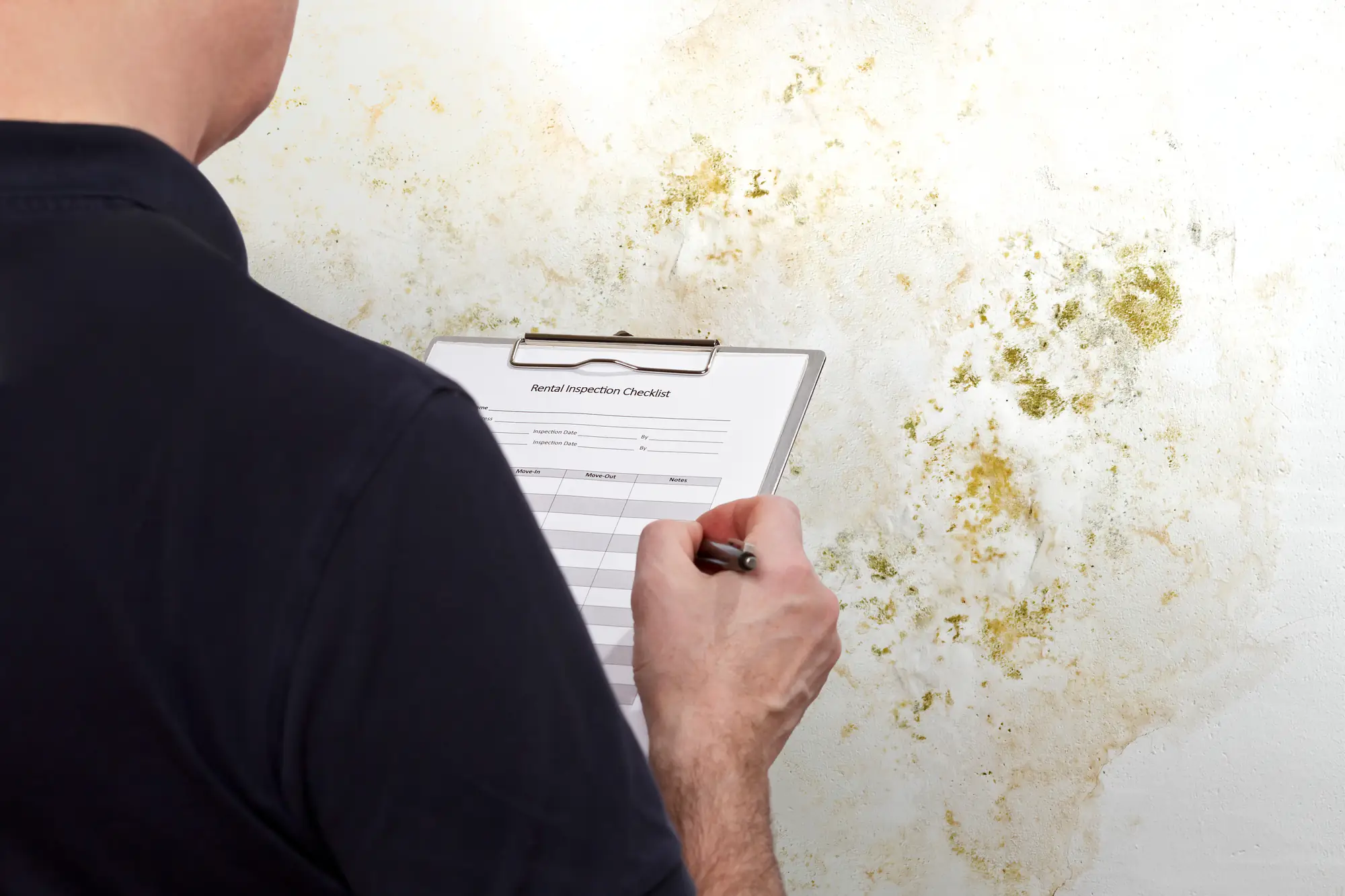
You can’t fix what you can’t see. Mold hides in walls, under floors, behind appliances, and in crawl spaces where moisture sits unnoticed for weeks or months.
A professional mold inspection gives you the full picture. You’ll know exactly where the problem is, how far it’s spread, and what’s causing it. That means no surprises during a sale, no guessing about health symptoms, and no wasted money treating the wrong areas.
Bucks County homes deal with humidity, older construction, and flood risk. Thirteen percent of properties in the area face severe flooding over the next 30 years. That’s not a maybe, it’s a timeline. When water gets in, mold follows fast. Within 24 to 48 hours, spores start growing. By the time you smell it, it’s already established.
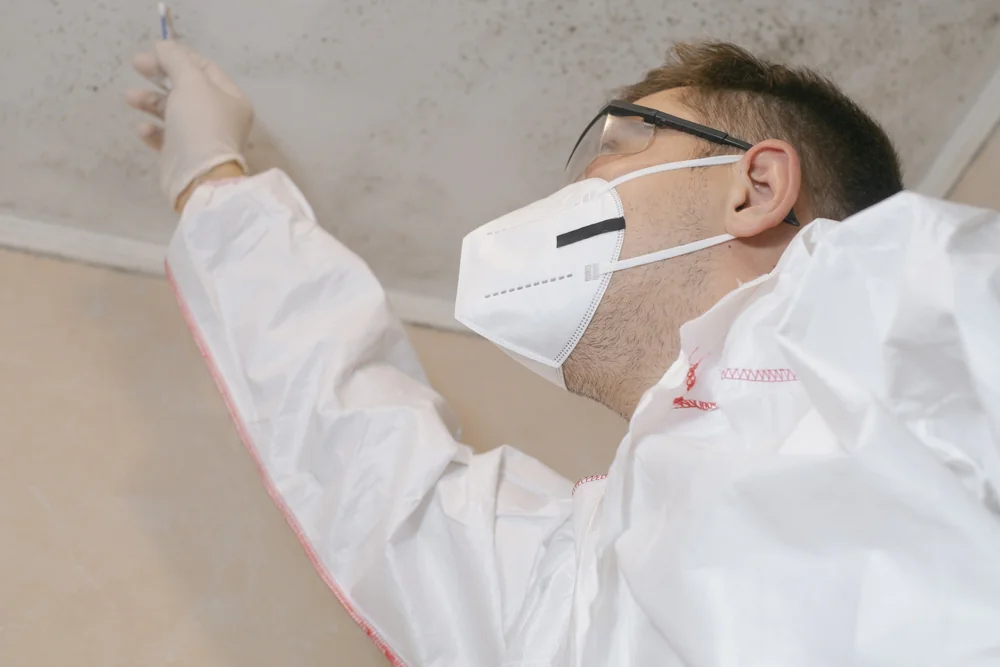
Our inspections use thermal imaging, moisture meters, and air sampling to detect mold you can’t see. You get a detailed report that tells you what’s happening, where it’s happening, and what needs to happen next. No fluff. Just facts you can act on.
We serve Danboro and the surrounding Bucks County area with professional mold inspection and detection services. We’re not a national franchise reading from a script. We know the homes here, the weather patterns, and the construction styles that make certain properties more vulnerable.
Danboro sits in a region where basements flood, crawl spaces stay damp, and older homes weren’t built with modern moisture barriers. That local context matters when you’re trying to find hidden mold or prevent it from coming back.
We show up with the right tools, ask the right questions, and give you a report that actually helps. No upselling. No scare tactics. Just honest assessment and clear next steps.
First, we talk. You tell us what you’ve noticed: musty smells, water damage, health symptoms, or concerns before a sale. We ask about your home’s age, any past flooding, and where you’re seeing or smelling issues.
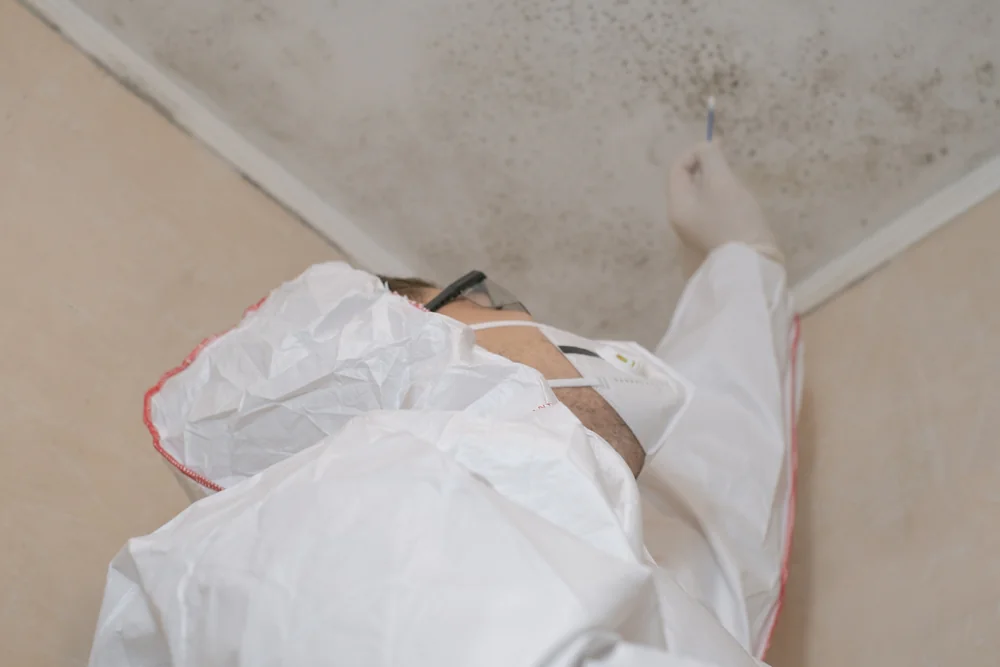
Then we schedule the inspection. When we arrive, we start with a visual assessment of the areas you’re concerned about, plus the spots most people miss: behind appliances, around HVAC systems, in attics and crawl spaces. We use moisture meters to map out where water is hiding and thermal imaging to spot temperature differences that indicate leaks or trapped moisture.
If we find visible mold or conditions that suggest hidden growth, we may recommend air sampling or surface testing. These samples go to a lab and come back with specific mold types and spore counts. That data tells us how serious the issue is and whether it’s affecting your indoor air quality.
You get a written report that breaks down what we found, where we found it, and what it means. If remediation is needed, we explain the scope and cost. If it’s minor, we’ll tell you that too. The goal is to give you enough information to make a smart decision, not to create panic.

Ready to get started?
Every mold inspection covers a full visual assessment of your property, moisture mapping with professional-grade meters, and thermal imaging to detect hidden water intrusion. We check basements, crawl spaces, attics, bathrooms, kitchens, and any area where you’ve noticed issues.
If conditions warrant it, we collect air samples or surface samples for lab analysis. Air sampling measures airborne mold spore levels in different rooms and compares them to outdoor baseline levels. Surface sampling identifies specific mold species growing on walls, ceilings, or other materials.
You receive a detailed report with photos, moisture readings, lab results if applicable, and clear recommendations. If mold is present, the report outlines the affected areas, likely causes, and remediation steps. If your home is clear, you’ll have documentation to support that.
In Danboro and Bucks County, where the median home price sits around $470,000 and properties move fast, having a professional mold inspection report protects your investment. Pennsylvania law requires sellers to disclose known material defects, including mold. Buyers walk away from homes with mold problems, and courts have awarded significant damages when issues are hidden. An inspection gives you the truth before it becomes a legal or financial problem.

Most mold inspections in the Danboro area run between $200 and $800, depending on the size of your home and the scope of testing. A basic visual inspection with moisture mapping costs less than a full inspection with lab testing and air sampling.
Larger homes or properties with multiple suspected areas will be on the higher end. If you need lab analysis to identify specific mold types or measure spore counts, that adds to the cost because samples go to a third-party lab.
The investment is small compared to what you’re protecting. Mold remediation costs $10 to $25 per square foot. Catching a problem early with a $400 inspection can save you thousands in remediation and repairs. It also protects your family’s health and gives you leverage in real estate transactions or insurance claims.
A typical home mold inspection takes one to three hours, depending on the size of your property and how many areas need close examination. Smaller homes with isolated concerns take less time. Larger homes or properties with basements, attics, and crawl spaces take longer.
The inspection itself is just the first part. If we collect air or surface samples, those go to a lab for analysis. Lab results usually come back within three to seven days. Once we have the results, we compile everything into a written report with photos, findings, and recommendations.
You’re not waiting weeks. Most clients have their full report within a week of the inspection. If you’re working on a tight timeline for a real estate transaction, let us know upfront and we’ll prioritize your results.
Musty odors are the most common sign. If a room smells like mildew or damp earth, mold is likely growing somewhere nearby. You might not see it, but your nose knows.
Visible mold is obvious, but it’s often just the surface. If you see black, green, or white patches on walls, ceilings, or around windows, there’s probably more behind the surface. Water stains, peeling paint, or warped walls also indicate moisture problems that lead to mold.
Health symptoms are another red flag. If you or your family experience unexplained coughing, sneezing, skin irritation, or worsening asthma at home, mold exposure could be the cause. Pets can show symptoms too: respiratory issues or digestive problems that clear up when they leave the house.
Recent water damage is a major trigger. Flooding, roof leaks, burst pipes, or even a slow drip under the sink creates the conditions mold needs. If you’ve had any water event in the past few months, an inspection is smart even if you don’t see mold yet.
DIY mold test kits exist, but they don’t give you the full picture. Most kits collect surface samples or air samples and send them to a lab. The problem is knowing where to test, how to interpret results, and what to do next.
Mold grows in hidden areas: inside walls, under flooring, in HVAC ducts. A surface swab from your bathroom won’t tell you if mold is growing behind the drywall or in your crawl space. Air quality kits can detect spores, but without a baseline comparison to outdoor air or professional context, the numbers don’t mean much.
Professional inspections use thermal imaging and moisture meters to find problems you can’t see. We know where to look based on your home’s construction, age, and symptoms. We also provide a report that insurance companies, buyers, and remediation contractors will actually trust.
If you’re trying to save money, a DIY kit might seem appealing. But if it misses the real problem or gives you unclear results, you’ve wasted time and money. A professional inspection costs a few hundred dollars and gives you certainty.
It depends on what caused the mold. If mold resulted from a sudden, covered event like a burst pipe or storm damage, your homeowners insurance may cover inspection and remediation. If mold developed due to long-term neglect, poor maintenance, or humidity issues, most policies won’t cover it.
Pennsylvania insurers typically exclude mold damage caused by ongoing moisture problems or lack of maintenance. That means if your basement has been damp for years and mold finally shows up, you’re likely paying out of pocket.
The best approach is to call your insurance company before scheduling an inspection. Ask if mold testing and remediation are covered under your policy and what documentation they need. If a recent water event caused the issue, file a claim and get the inspection done quickly. Mold develops fast, and insurers expect you to mitigate damage promptly.
Even if insurance doesn’t cover the inspection, the report can support a claim for covered remediation work. It also protects you if mold becomes a legal issue during a home sale.
If we find mold, the report will tell you where it is, what’s causing it, and how extensive the problem is. Small, surface-level mold in a bathroom might be something you can address with cleaning and better ventilation. Larger infestations or mold inside walls require professional remediation.
The report includes recommendations for next steps. If remediation is needed, we’ll outline the scope of work and connect you with qualified contractors. If the mold is tied to a moisture issue like a leaky pipe or poor drainage, fixing the source is the priority. Removing mold without stopping the water problem means it’ll just come back.
In Danboro and Bucks County, where real estate transactions move quickly and property values are high, mold findings can affect sales. Buyers may request remediation before closing, negotiate a lower price, or walk away entirely. Pennsylvania law requires disclosure of known defects, so hiding mold isn’t an option.
If you’re selling, getting an inspection before listing gives you control. You can address issues upfront or price accordingly. If you’re buying, an inspection protects you from inheriting someone else’s problem. Either way, you’re making decisions based on facts, not surprises.
Other Services we provide in Danboro