
Mold Inspection in Langhorne Terrace, PA

Find the Mold Before It Finds You

We locate hidden mold growth, test your air quality, and pinpoint the moisture source causing the problem—so you know exactly what you’re dealing with.
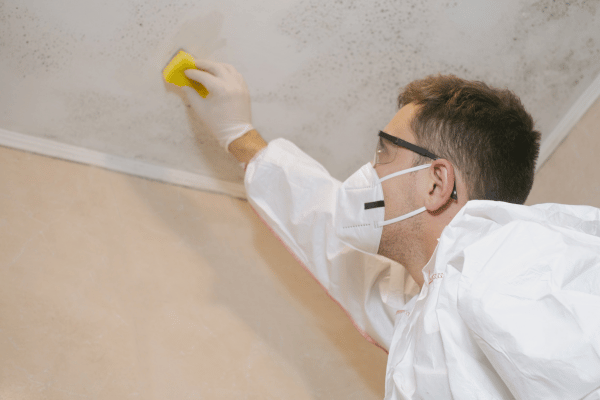
Protective worker in safety suit inspecting or treating mold spots on an indoor ceiling, addressing moisture damage and potential mold growth inside a building.

Hear from Our Customers

Mold Detection Services in Langhorne Terrace

Know What's Growing and Where It's Hiding

You can’t fix what you can’t see. That musty smell in your basement or the discoloration on your ceiling isn’t just annoying—it’s a warning sign.

Our mold detection services use moisture meters and infrared cameras to find growth behind walls, under floors, and inside HVAC systems. We’re not just looking at what’s visible. We’re tracking down the source—whether it’s a slow leak, foundation crack, or condensation issue that keeps feeding the problem.

You’ll get air samples analyzed by a certified lab, showing exactly what type of mold is present and at what concentration. That matters because not all mold is the same, and knowing what you’re dealing with determines how you handle it. No guessing. No surface-level cleanup that fails in three weeks.

Certified Mold Inspection Company Serving Bucks County

We Know Bucks County Homes Inside Out

We’ve been serving homeowners across Bucks County for years, and we’ve seen what happens when mold gets ignored. Langhorne Terrace sits in an area where humidity and older home construction create the perfect conditions for mold growth—especially in basements and crawl spaces.

We’re certified inspectors who’ve worked in hundreds of local homes. We know the common trouble spots, the seasonal patterns, and the building materials that trap moisture. When you call us, you’re working with someone who understands your home’s vulnerabilities—not a national franchise reading from a script.

We show up on time, explain what we find in plain language, and give you a clear path forward.

Protective worker collecting a mold sample from a stained indoor ceiling using a swab, inspecting moisture damage and potential mold growth inside a building.

Our Home Mold Inspection Process

Here's Exactly What Happens During Your Inspection

First, we walk through your property and talk about what you’ve noticed—smells, stains, health symptoms, recent water issues. That conversation tells us where to focus.

Then we start the visual inspection. We’re checking walls, ceilings, floors, attics, basements, and crawl spaces. We use moisture meters to detect hidden water intrusion and infrared cameras to spot temperature differences that indicate leaks or condensation behind surfaces.

Next, we collect air samples from multiple rooms and send them to an accredited lab. Those samples get analyzed for mold type and spore concentration. We also take surface samples if we find visible growth that needs identification.

You’ll receive a detailed report that breaks down what we found, where the moisture is coming from, and what needs to happen next. If remediation is needed, we’ll explain the scope and cost. If it’s minor, we’ll tell you that too. The goal is clarity—not upselling.

Home interior with mold remediation in progress as a worker sprays treatment on a wall using a ladder, while a resident relaxes on a covered sofa in a renovated living room.

Ready to get started?

Explore More Services

About Mack's Mold Removal

Black Mold Inspection and Air Quality Testing

What's Included in Your Mold Inspection

Every inspection includes a full visual assessment of your home’s interior and exterior problem areas. We’re looking for active growth, water stains, condensation, and structural issues that contribute to mold.

You get moisture mapping with professional-grade detection tools. We measure humidity levels and identify where water is entering or accumulating. That’s critical because mold will come back if the moisture source isn’t fixed.

Air quality testing is standard. We collect samples from affected areas and compare them to outdoor air or unaffected rooms. The lab results show mold species, spore counts, and whether concentrations are abnormal. If you’re dealing with black mold or other toxic varieties, you’ll know.

Langhorne Terrace homes—especially those built before 1980—often have basements with poor ventilation and foundation seepage. We’ve seen mold thrive in these conditions, particularly after Bucks County’s recent spike in rainfall. Our inspections account for these local factors, so the recommendations we make actually fit your home’s reality.

How much does a mold inspection cost in Langhorne Terrace, PA?

Most mold inspections in the Langhorne Terrace area range from $300 to $700, depending on the size of your home and how many samples we need to collect. A typical inspection for a single-family home with two air samples and moisture detection runs around $350 to $450.

If you have a larger property or multiple areas of concern, the cost goes up because we’re collecting more samples and spending more time tracking down sources. But you’re not paying for guesswork—you’re paying for lab-analyzed data that tells you exactly what’s growing and where it’s coming from.

Some companies offer free inspections, but they’re usually tied to remediation estimates. We charge for inspections because it keeps the process honest. You get an unbiased assessment, and you’re free to hire whoever you want for the cleanup.

A mold inspection is the full assessment—visual examination, moisture detection, identifying sources, and understanding the scope of the problem. Mold testing is the lab work: air samples, surface samples, and spore analysis.

You need both. The inspection tells us where to look and what’s causing the issue. The testing confirms what type of mold is present and how severe the contamination is. Some mold is relatively harmless. Other types—like Stachybotrys chartarum, commonly called black mold—can cause serious health problems.

Testing also gives you documentation. If you’re buying or selling a home, dealing with an insurance claim, or just want proof before you invest in remediation, lab results provide that evidence. We don’t skip the testing because it’s the only way to know for sure what you’re dealing with.

If it’s a small patch—less than 10 square feet—on a non-porous surface like tile, you can probably handle it with the right cleaner and protective gear. But if it’s covering drywall, insulation, or wood framing, or if it keeps coming back, you need professional remediation.

Here’s why: surface cleaning doesn’t fix the moisture problem. Mold grows because there’s a water source feeding it. If you don’t eliminate that source, you’re just buying time. We’ve seen homeowners scrub mold off basement walls only to have it return within weeks because the foundation is still leaking.

Also, disturbing mold releases spores into the air. If you’re dealing with a large area or toxic mold, you can make the problem worse—and put your health at risk. Professional remediation includes containment, air filtration, proper disposal, and fixing the root cause. That’s not something you can do with a bottle of bleach.

Most inspections take between one and three hours, depending on the size of your home and how many areas we’re examining. A small condo with one problem area might take an hour. A larger home with a basement, attic, and multiple moisture concerns could take closer to three.

We’re not rushing through it. We’re checking every area where mold typically grows—bathrooms, kitchens, basements, crawl spaces, attics, around windows, and near plumbing. We’re also using equipment that takes time to read accurately.

After the inspection, lab results usually come back within three to five business days. Once we have those results, we’ll walk you through the findings and discuss next steps. The whole process from inspection to final report typically wraps up within a week.

It depends on what caused the mold. If it’s from a sudden, accidental event—like a burst pipe or storm damage—most policies will cover remediation. If it’s from long-term neglect, poor maintenance, or gradual leaks, they probably won’t.

Insurance companies want documentation. That’s where a professional mold inspection helps. Our lab results and detailed reports provide the evidence your insurer needs to process a claim. We’ve worked with insurance adjusters before, and we know what they’re looking for.

Even if your claim gets denied, the inspection is still worth it. You’ll know the extent of the problem, what’s causing it, and how to fix it permanently. And in some cases, having that documentation can help you negotiate coverage or appeal a denial. We can’t guarantee your insurance will pay, but we can make sure you have the right paperwork to give yourself the best shot.

Mold exposure can cause respiratory issues, allergic reactions, skin irritation, and chronic sinus problems—especially if you have asthma, allergies, or a weakened immune system. Symptoms like nasal congestion, coughing, wheezing, and chest tightness are common when you’re living with mold.

Black mold and other toxic varieties can cause more serious problems with prolonged exposure, including fatigue, headaches, and difficulty concentrating. Kids and elderly family members are particularly vulnerable.

The tricky part is that symptoms often get dismissed as seasonal allergies or a cold. But if they disappear when you leave the house and come back when you’re home, that’s a red flag. A professional mold inspection can confirm whether your indoor air quality is the problem—and give you a clear plan to eliminate the source and protect your family’s health.

Other Services we provide in Langhorne Terrace