
Hear from Our Customers
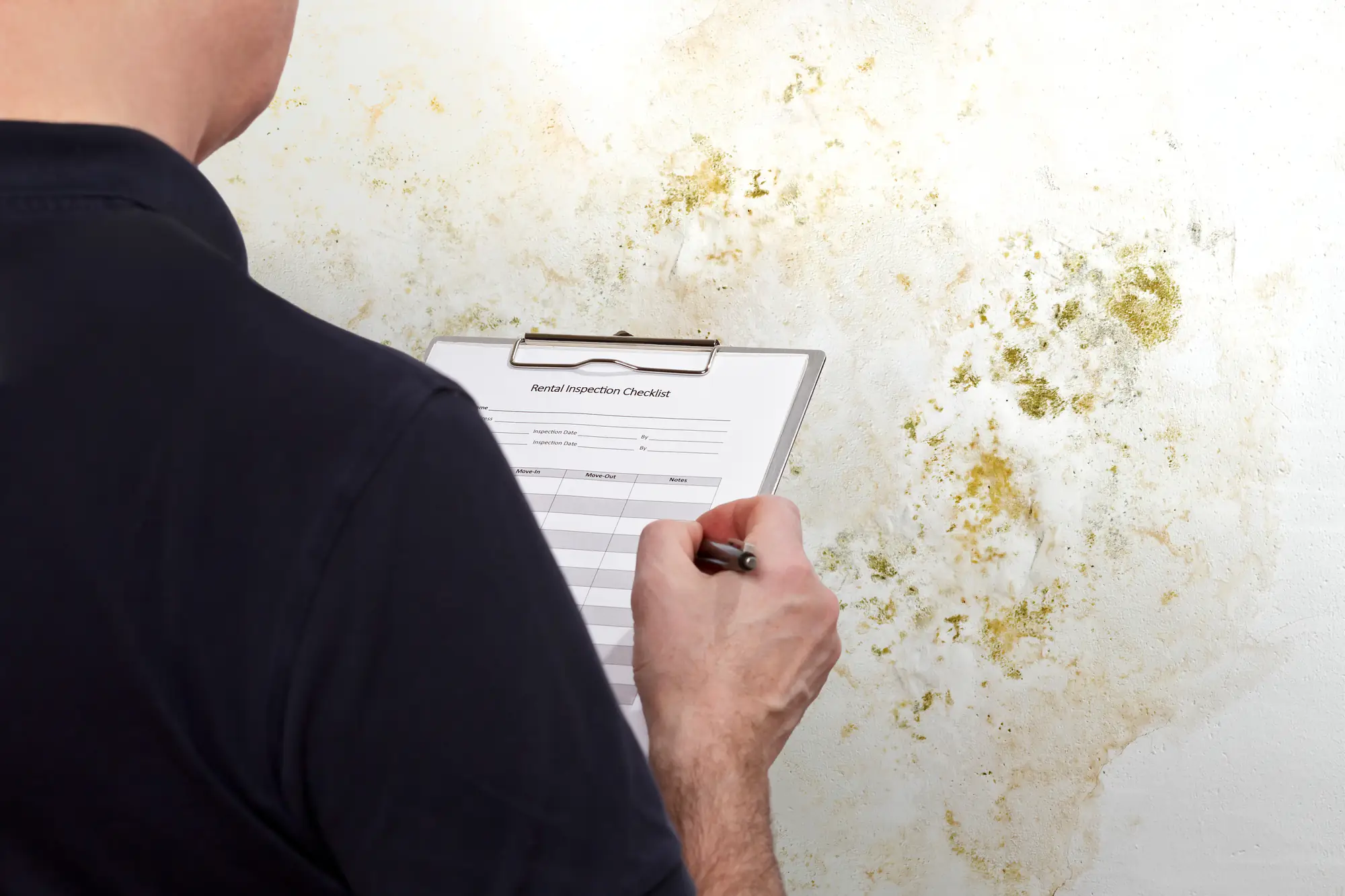
You’re dealing with musty smells, unexplained allergies, or visible discoloration on your walls. Maybe you just had water damage and you’re worried about what’s growing behind the drywall. The problem with mold is that most of it hides where you can’t see it—inside wall cavities, under flooring, in crawl spaces, and throughout HVAC systems.
A professional mold inspection gives you actual answers. We use thermal imaging cameras to detect temperature differences that indicate moisture. We use calibrated moisture meters to measure exactly how wet your building materials are. We take air samples and send them to EPA-certified labs so you know what type of mold you’re dealing with and how much of it is in your air.
You’ll get documentation you can use for insurance claims or real estate transactions. You’ll know whether you need full remediation or just a targeted fix. And you’ll stop losing sleep wondering if your home is making your family sick.
Mack’s Mold Removal has been serving Bustleton and the surrounding Bucks County area for years. We’re licensed mold inspectors in Pennsylvania, which means we’ve met the state’s training and certification requirements to conduct professional mold assessments.
We understand what homeowners here are up against. Many homes in Bustleton were built decades ago, before modern moisture control standards existed. Older plaster walls and brick basements trap moisture differently than newer construction. Pennsylvania’s humid summers and wet winters create perfect conditions for mold growth, especially after our frequent thunderstorms cause water intrusion.
We’ve inspected hundreds of local homes. We know where mold hides in your type of property, and we know how to find it fast.
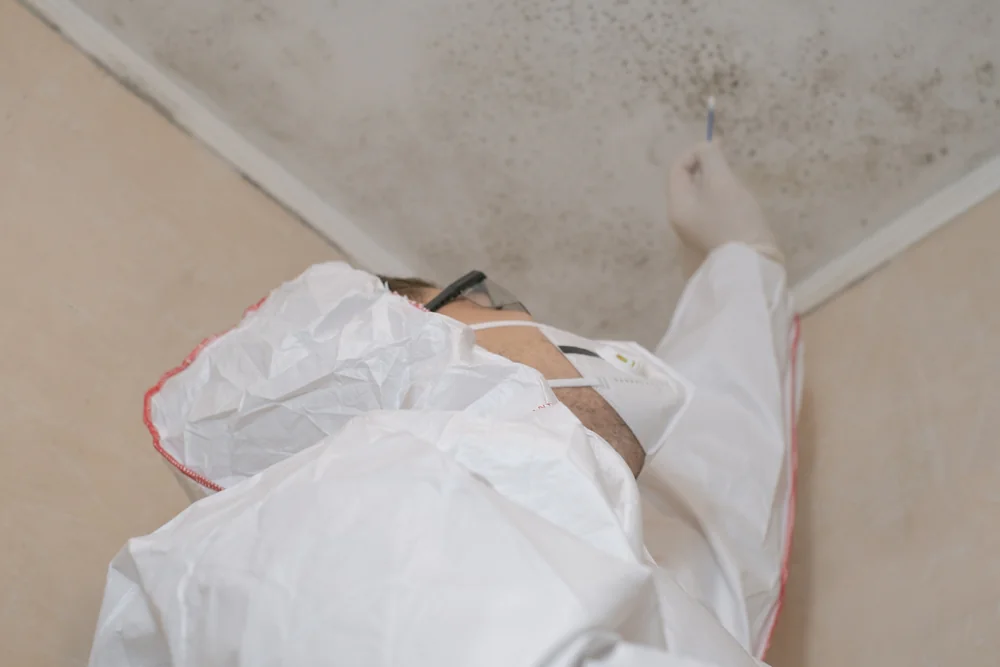
We start with a complete visual inspection of your property. That includes the obvious areas like bathrooms and basements, but also the places most people don’t think to check—attics, crawl spaces, behind appliances, inside HVAC systems, and around windows and doors where condensation collects.
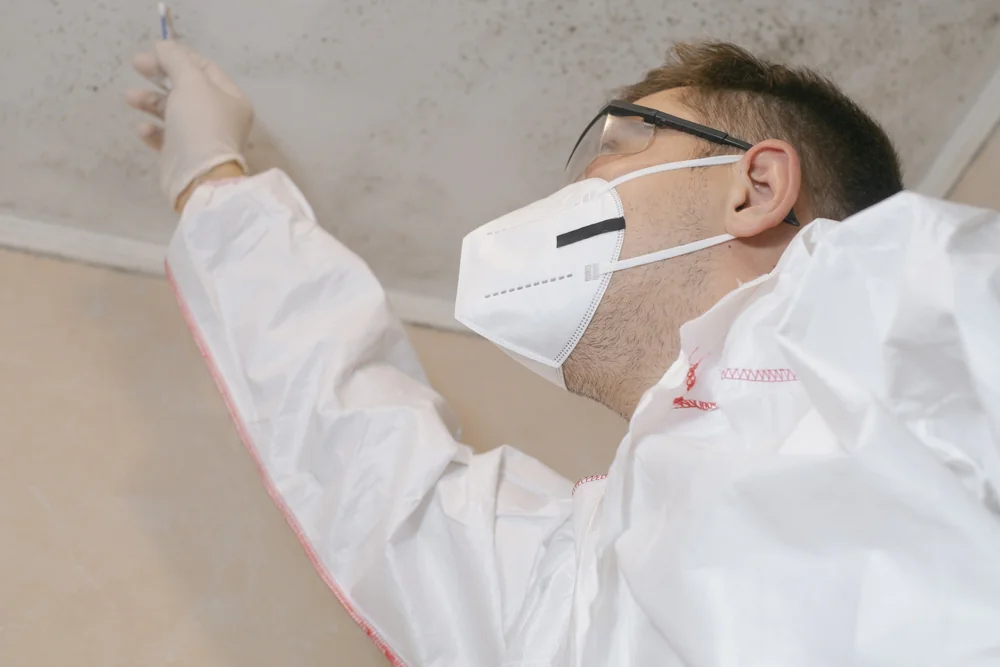
We use thermal imaging cameras to scan your walls and ceilings. These cameras detect temperature variations that indicate moisture problems you can’t see with your eyes. We follow up with moisture meters that give us precise readings on how wet your building materials actually are.
If we find visible mold or high moisture levels, we take air samples and surface samples. These get sent to an independent, EPA-certified laboratory for analysis. You’ll receive a detailed report that identifies the type of mold, the concentration levels, and whether it’s higher than normal outdoor levels.
Then we sit down and explain what we found in plain language. If you need remediation, we’ll tell you why and show you exactly what needs to happen. If the problem is minor, we’ll tell you that too. You’ll get a written assessment you can use for insurance purposes or to negotiate repairs if you’re buying or selling a home.

Ready to get started?
Our mold inspection service starts at $350 and includes a full visual assessment, moisture detection with professional-grade equipment, and two air samples for laboratory analysis. That’s an inside versus outside air comparison, which is the industry standard for determining whether you actually have an indoor mold problem.
You’re not just getting test results. You’re getting a licensed inspector who understands Pennsylvania’s older housing stock and knows where mold grows in homes like yours. You’re getting thermal imaging that reveals hidden moisture problems before they turn into expensive structural damage. And you’re getting lab-certified documentation that holds up with insurance companies and in real estate transactions.
If we find mold, we’ll walk you through what caused it—whether it’s a plumbing leak, poor ventilation, high humidity, or lingering moisture from past water damage. We’ll explain your remediation options and give you a clear estimate. We also handle the insurance paperwork and work directly with your insurance company to streamline claims.
And because mold can spread throughout your home in 72 hours or less, we offer 24/7 emergency response when you need answers fast.
Our mold inspection starts at $350 for a complete visual assessment, moisture detection, and two air samples sent to an EPA-certified lab. That price covers most standard homes in Bustleton and includes a detailed written report you can use for insurance or real estate purposes.
The cost can vary depending on your property size and how many samples you need. Larger homes or properties with multiple suspected problem areas may require additional air samples or surface testing, which increases the total cost. A quality mold inspector in the Philadelphia area typically charges between $299 and $472 for a thorough inspection.
We also offer free initial inspections in many cases. If you’re dealing with visible mold or recent water damage, we can often assess the situation and give you a preliminary evaluation at no cost. That helps you understand what you’re facing before committing to full testing.
A mold inspection is the visual assessment and moisture detection work we do to find problem areas in your home. We’re looking for visible mold growth, water stains, condensation issues, and hidden moisture using thermal cameras and moisture meters. This tells us where mold is likely growing and what’s causing it.
Mold testing refers specifically to the lab analysis of air samples or surface samples. We collect samples from your indoor air and send them to an EPA-certified laboratory that identifies the exact type of mold present and measures the concentration levels. Testing gives you scientific proof of what’s in your home and whether it’s at dangerous levels.
Most professional mold inspections include both components. You need the inspection to find the problem areas, and you need the testing to confirm what type of mold you’re dealing with. That’s especially important if you’re filing an insurance claim, involved in a real estate transaction, or dealing with health symptoms that might be mold-related.
You can buy DIY mold test kits at hardware stores, but they’re not reliable for making decisions about your home. These kits can tell you that mold spores are present, but they can’t tell you if the levels are actually dangerous. Every home has some mold spores in the air—what matters is the type and concentration.
Professional mold inspection uses calibrated equipment that DIY kits don’t include. Thermal imaging cameras cost thousands of dollars and require training to interpret correctly. Professional-grade moisture meters give precise readings that help us find hidden problems before they become visible. And certified labs use standardized testing methods that produce results you can actually rely on.
In Pennsylvania, you need a license to conduct professional mold assessments. That licensing requires specific training and adherence to industry standards. If you’re dealing with a situation that involves insurance claims, real estate transactions, or potential legal issues, you need certified test results from a licensed inspector. DIY test results won’t hold up in those situations, and attempting to remove mold yourself without proper containment can actually spread spores throughout your home and make the problem significantly worse.
Most mold inspections take between two and four hours depending on your home’s size and how many areas we need to examine. We’re not rushing through your property—we’re checking every potential problem area including basements, attics, crawl spaces, bathrooms, kitchens, and around all your windows and doors.
The visual inspection and moisture detection happen on-site during our visit. We’ll use thermal imaging to scan your walls and ceilings, and we’ll take moisture readings in any areas that look suspicious. If we need to collect air samples or surface samples, that adds another 30 minutes or so to the process.
You’ll get preliminary findings before we leave. We’ll show you any visible mold growth, explain where we found elevated moisture levels, and discuss what we think is causing the problem. The lab results from air samples typically come back within three to five business days. Once we have those results, we’ll send you a complete written report and schedule a follow-up call to walk through the findings and discuss your next steps.
The most obvious sign is visible mold growth—dark spots on walls or ceilings, discoloration around windows, or fuzzy growth in corners and along baseboards. But visible mold is just the tip of the iceberg. Most mold grows in hidden areas where you can’t see it.
Musty odors are a major red flag, especially in basements, bathrooms, or rooms that don’t get much airflow. If you smell something earthy or damp but can’t find the source, you likely have hidden mold growth. Health symptoms are another indicator—if you or your family members are experiencing unexplained respiratory issues, persistent sinus infections, headaches, or allergy symptoms that get worse when you’re home, mold could be the cause.
You should also get an inspection after any water damage, even if it was cleaned up quickly. Mold can start growing within 24 to 48 hours after water exposure, and it often develops inside walls or under flooring where you won’t notice it until the problem is severe. Other situations that warrant an inspection include buying or selling a home, finding evidence of past water leaks, noticing condensation on windows or pipes, or living in an older Bustleton home with poor ventilation. Pennsylvania’s humid climate and frequent rain make mold growth more common here than in drier parts of the country.
It depends on what caused the mold. Most homeowners insurance policies in Pennsylvania cover mold remediation if the mold resulted from a covered peril—like a burst pipe, roof leak from storm damage, or water damage from a malfunctioning appliance. If the mold is due to long-term neglect, poor maintenance, or chronic humidity issues, insurance typically won’t cover it.
The key is documenting everything properly. Insurance companies want proof that the mold resulted from a sudden, unexpected event rather than gradual deterioration. That’s why professional mold inspection is so important—our detailed reports and lab-certified test results provide the documentation insurance adjusters need to process your claim.
We work directly with insurance companies and handle the paperwork on your behalf. We’ve helped hundreds of Bucks County homeowners navigate the claims process, and we know exactly what documentation insurers require. We’ll photograph the damage, provide moisture readings, include lab results showing mold type and concentration, and explain the source of the water intrusion. Even if you’re not sure whether your policy covers mold, it’s worth getting an inspection and filing a claim. The worst they can say is no, and at least you’ll have professional documentation of the problem and a clear remediation plan.
Other Services we provide in Bustleton