
Hear from Our Customers
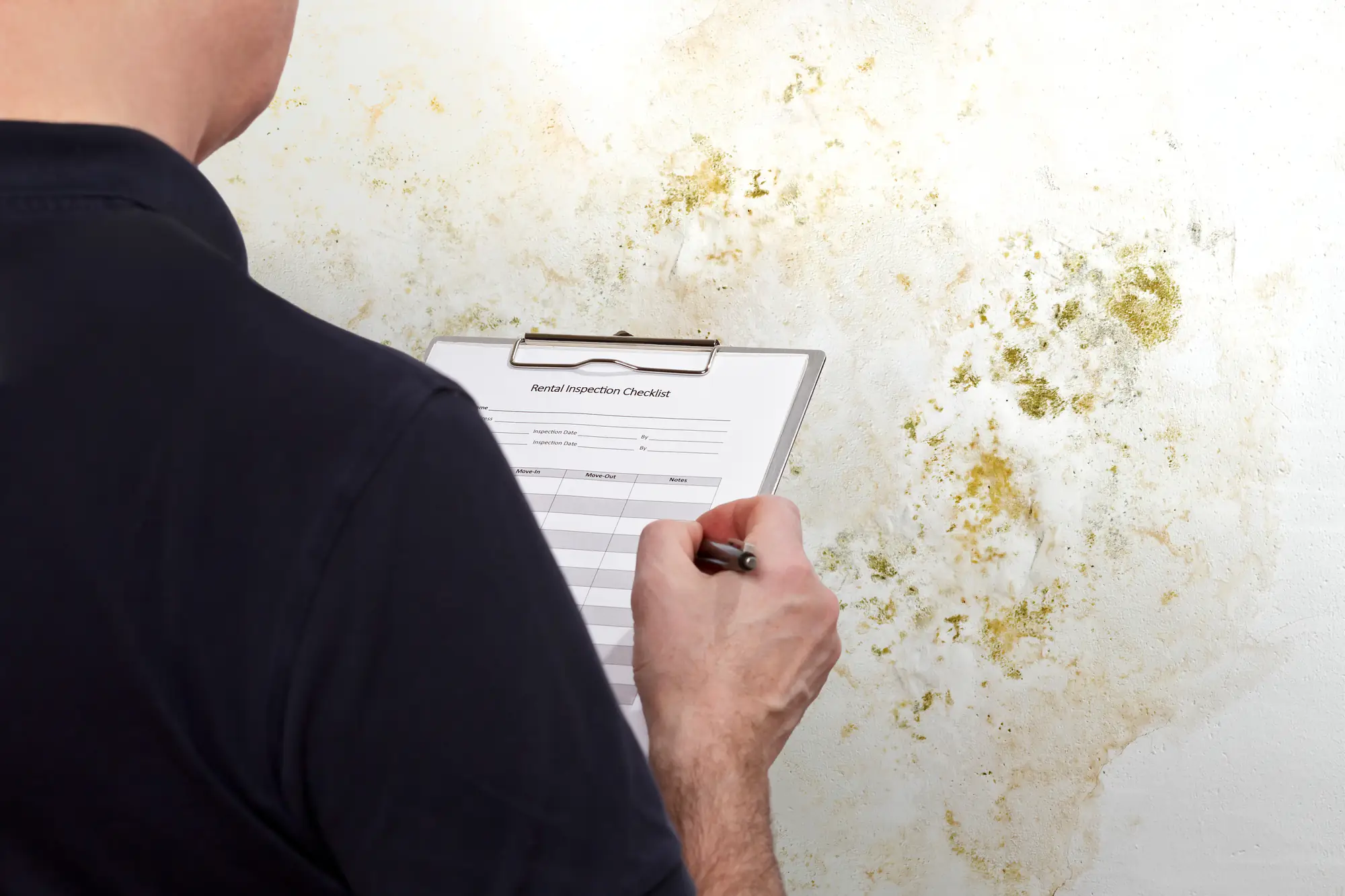
You’ve noticed the smell. Maybe some discoloration on the ceiling or around a window. Or maybe someone in your house has been coughing more than usual and you can’t figure out why.
Mold doesn’t always show itself. It hides behind drywall, under flooring, in crawl spaces. And in Richlandtown’s humid climate—where we’ve seen rain totals spike over 6 inches in a single day—moisture problems don’t stay small for long.
A professional mold inspection gives you clarity. You’ll know if there’s mold, where it is, what type it is, and what’s feeding it. That means you can make informed decisions about your home and your family’s health instead of reacting to symptoms you don’t understand.
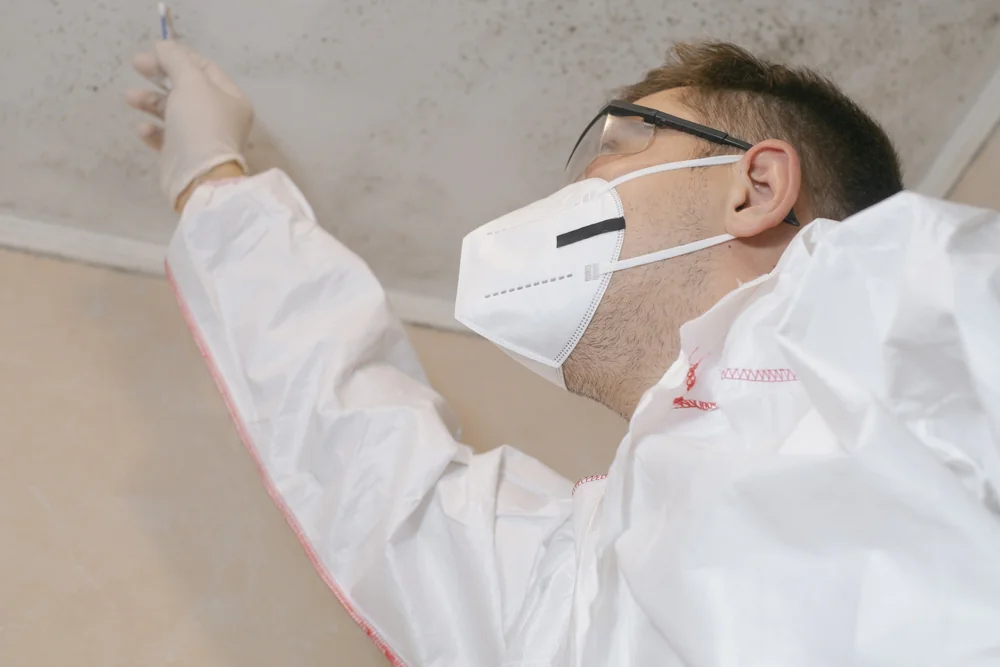
We use advanced detection tools to check the places you can’t see. Thermal imaging, moisture meters, air quality testing. The goal isn’t to scare you—it’s to give you the full picture so nothing gets worse while you’re still figuring out what to do.
Mack’s Mold Removal has been serving Richlandtown and Bucks County for years. We’re not the biggest name you’ll find, but we’re the ones homeowners call when they want straight answers and thorough work.
Our team knows this area. We understand how Pennsylvania’s rising precipitation levels—up 5% to 10% in recent years—create the perfect conditions for mold, mildew, and moisture damage. We’ve inspected hundreds of homes across Bucks County, and we’ve seen what happens when mold gets ignored.
We’re certified, we’re local, and we’re not here to sell you services you don’t need. If there’s a problem, we’ll tell you. If there isn’t, we’ll tell you that too.
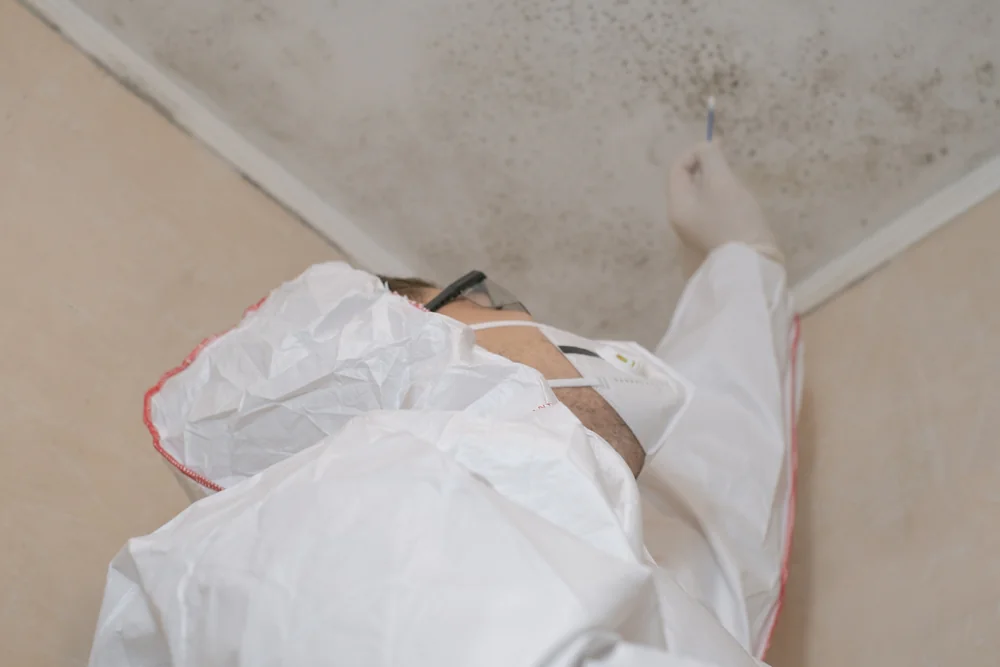
First, we walk through your home with you. You show us the areas you’re concerned about, and we ask questions about what you’ve noticed—smells, stains, health symptoms, water damage history.
Then we start the inspection. We check visible areas first: walls, ceilings, windows, basements, attics. But we don’t stop there. We use moisture meters to find hidden water intrusion. Thermal imaging cameras help us spot temperature differences that indicate moisture behind surfaces. If needed, we test air quality to measure mold spore levels you can’t see.
We also look for the source. Mold doesn’t grow without moisture, so we trace it back—leaky pipes, poor ventilation, roof damage, foundation cracks. Fixing mold without fixing the cause just means it comes back.
After the inspection, you get a detailed report. It explains what we found, where we found it, and what we recommend. If remediation is needed, we’ll walk you through the scope and cost. If it’s minor and you can handle it yourself, we’ll tell you that too.

Ready to get started?
Every mold inspection we do covers both visible and hidden areas. That means checking behind appliances, inside HVAC systems, under sinks, in crawl spaces, and anywhere else moisture tends to collect.
We bring the equipment that matters: thermal imaging to detect temperature anomalies, moisture meters to measure water content in materials, and air sampling tools when we need to test for airborne mold spores. If you’re buying a home in Richlandtown, this kind of inspection protects you from inheriting someone else’s mold problem. Pennsylvania law requires sellers to disclose known defects, but not everyone does—and not everyone knows what’s hiding in their walls.
You’ll also get documentation you can use. Whether it’s for your insurance company, a real estate transaction, or your own peace of mind, the report we provide is thorough and clear. We work with insurance carriers regularly, so if you’re filing a claim, we know what they need to see.
And if you’re dealing with health symptoms—stuffy nose, coughing, eye irritation—we take that seriously. Studies show that up to 21% of asthma cases are linked to mold exposure. An inspection can confirm whether your home is contributing to those symptoms and give you a path to fix it.
Most mold inspections in Richlandtown range between $300 and $600, depending on the size of your home and the complexity of the inspection. If we’re checking a small area or doing a follow-up after remediation, the cost is usually lower.
We also offer free inspections in certain situations—especially if you’re already dealing with visible mold or water damage and you’re considering remediation. The free inspection gives us a chance to assess the scope and give you an accurate estimate for the work.
What you’re paying for is more than just someone walking through your house. You’re getting advanced detection tools, a trained eye that knows where mold hides, and a detailed report that tells you what’s actually going on. That clarity is worth it, especially if it prevents a bigger problem down the road.
The most common signs are a musty smell that won’t go away, visible discoloration on walls or ceilings, and health symptoms that seem worse when you’re home—things like a stuffy nose, coughing, wheezing, or itchy eyes.
Water damage is another red flag. If you’ve had a leak, a flood, or even just persistent condensation around windows, there’s a good chance mold is growing somewhere. Mold can start developing within 24 to 48 hours after water exposure, and it doesn’t need much—just moisture and an organic surface like drywall or wood.
You should also consider an inspection if you’re buying a home, especially in an area like Richlandtown where humidity and precipitation are high. Mold problems aren’t always disclosed, and they’re not always visible during a standard home inspection. A dedicated mold inspection digs deeper and gives you leverage before you close.
You can buy DIY mold test kits, but they’re limited. Most of them just tell you that mold spores are present—which is true in almost every home. They don’t tell you what type of mold it is, how much is there, or where it’s coming from.
A professional mold inspection goes further. We use equipment that detects hidden moisture and temperature changes that indicate mold growth behind walls or under floors. We also know where to look based on years of experience in homes across Bucks County.
If you’re trying to decide whether to invest in an inspection, ask yourself this: if you found mold with a DIY kit, would you know what to do next? A professional inspection doesn’t just identify the problem—it gives you a clear plan to fix it. That’s the difference between spending $20 on a kit and still being confused, or spending a few hundred dollars and actually solving the issue.
Most mold inspections take between one and three hours, depending on the size of your home and how many areas need to be checked. If we’re inspecting a small condo or a single problem area, it’s usually closer to an hour. Larger homes with basements, attics, and crawl spaces take longer.
We don’t rush it. Mold hides, and if we’re not thorough, we’ll miss something. That means checking behind appliances, looking inside HVAC ducts, using moisture meters on walls and floors, and sometimes taking air samples.
After the inspection, we’ll walk you through what we found before we leave. You won’t have to wait days wondering what’s going on. Then we’ll follow up with a written report that breaks everything down in detail—usually within 24 to 48 hours.
If we find mold, the first thing we do is explain what we’re looking at—what type it is, how much there is, and what’s causing it. Not all mold requires full remediation. Sometimes it’s a small area that can be cleaned and prevented from coming back with a simple fix.
If it’s more extensive, we’ll outline what remediation involves. That includes containment to prevent mold from spreading, removal of contaminated materials, treatment of affected areas, and fixing the moisture source so it doesn’t return. We’ll also give you a clear estimate so there are no surprises.
We work with insurance companies regularly, so if your policy covers mold damage, we can help with the claims process. And if you’re in the middle of a real estate transaction, we’ll provide the documentation you need to move forward—whether that means negotiating with the seller or walking away from a bad deal.
Not usually. Most mold remediation projects can be done while you’re still living in the house, especially if the mold is contained to one area. We use containment barriers and negative air pressure to keep mold spores from spreading to other parts of your home.
That said, if the mold is extensive or if someone in your household has severe respiratory issues, allergies, or a compromised immune system, it might be safer to stay elsewhere during the work. We’ll be upfront about that during the inspection.
The goal is to make your home safe without disrupting your life more than necessary. Most jobs take a few days to a week, depending on the scope. Once remediation is complete, we do a post-remediation inspection to confirm the mold is gone and the air quality is back to normal. You’re not moving back in until we’re sure it’s safe.
Other Services we provide in Richlandtown