
Hear from Our Customers
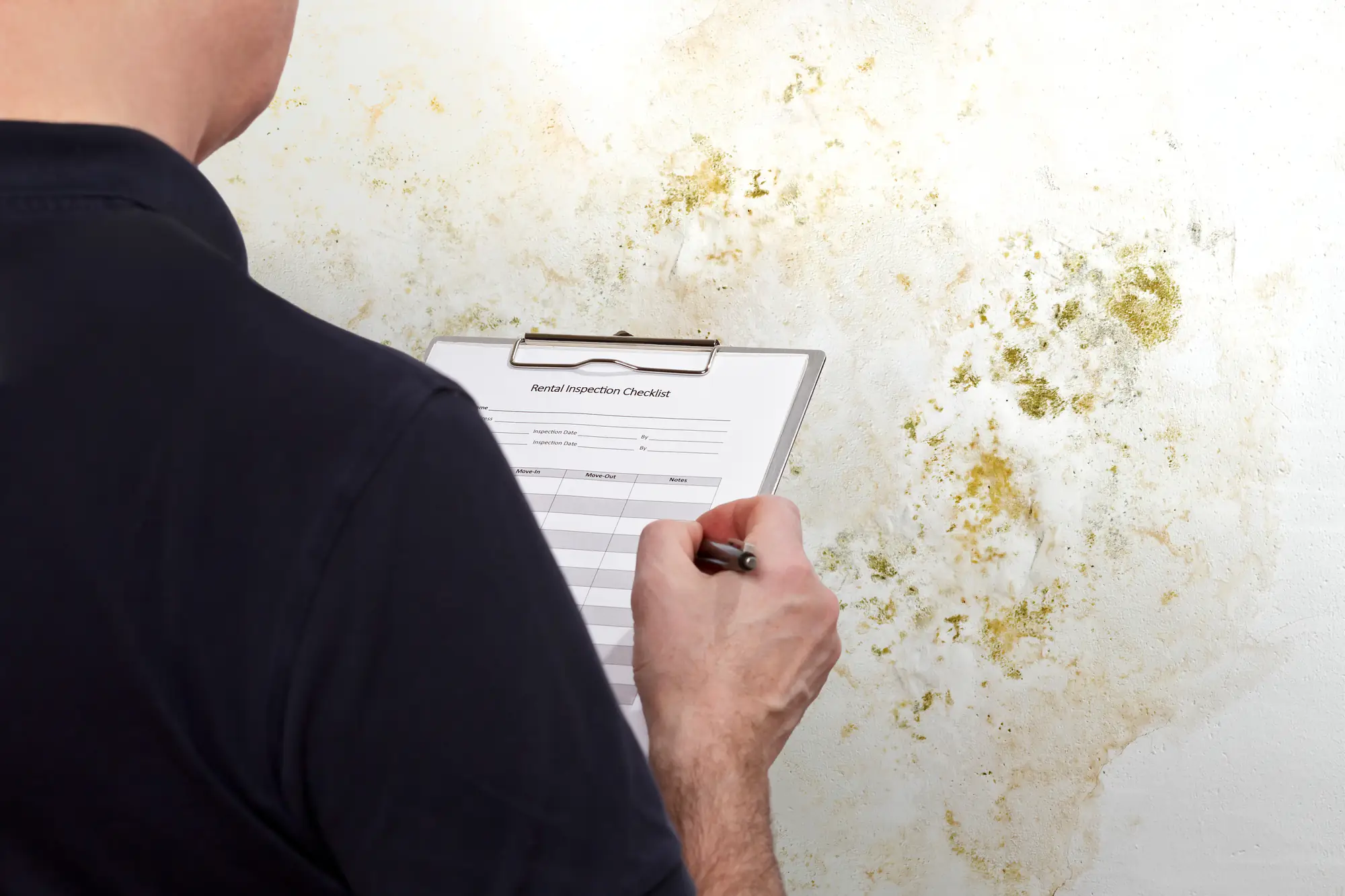
That musty smell in your basement isn’t going away on its own. Neither are the dark spots creeping up your bathroom wall or the stuffiness that won’t quit no matter how many windows you open.
Mold doesn’t announce itself until it’s already a problem. By the time you see it, spores have likely spread to places you can’t reach—inside walls, under flooring, through HVAC ducts. A professional mold inspection finds contamination before it tanks your property value or sends someone to urgent care with respiratory symptoms.
You get a clear picture of what’s happening in your home. Lab-tested results that tell you the mold type, the spore count, and whether your air quality is safe. No guessing. No wondering if that cough is seasonal allergies or something worse.
Early detection means smaller problems and cheaper fixes. Wait too long and you’re looking at structural damage, insurance headaches, and remediation costs that could’ve been avoided.
We’ve been helping Bridgeton, PA homeowners deal with mold for years. We’re not a national franchise with a call center three states away. We’re local, and we’ve seen what Pennsylvania’s humid summers and freeze-thaw cycles do to homes in this area.
Moisture problems are common here. Basements flood. Crawl spaces stay damp. Older homes weren’t built with the ventilation standards we have now. We inspect homes in Bridgeton every week, and we know where mold hides in properties like yours.
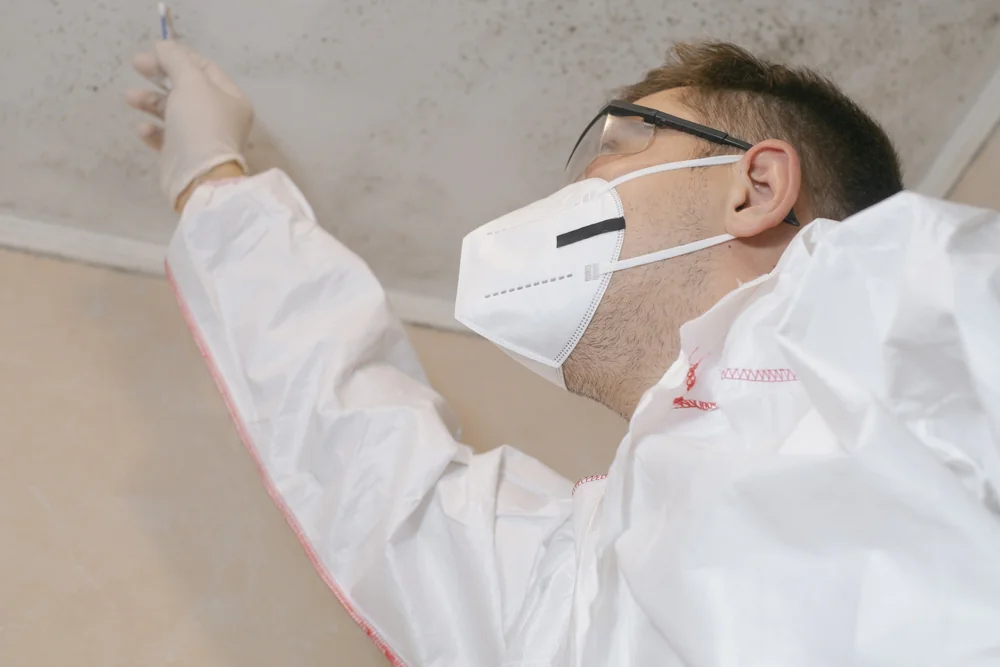
Our inspectors are certified, and they use the same advanced equipment larger companies use—thermal imaging, moisture meters, air quality testing, surface sampling. You’re not getting a flashlight inspection. You’re getting a thorough assessment that covers visible growth and hidden contamination, with lab results you can actually understand.
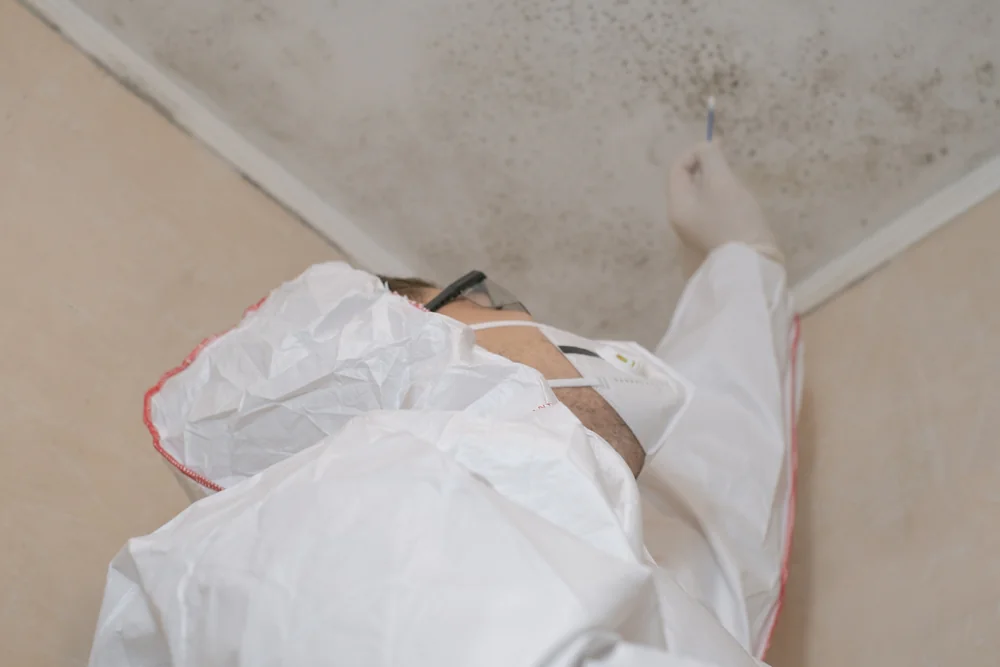
First, we walk through your property and listen. You tell us what you’ve noticed—the smell, the discoloration, the symptoms. We ask about water damage, leaks, humidity issues, anything that creates conditions mold loves.
Then we inspect. We check the obvious spots and the places most people don’t think to look. Behind baseboards. Inside HVAC systems. Under sinks. Around windows. We use thermal imaging to detect moisture trapped in walls and ceilings where mold grows undetected.
We take samples. Air samples measure spore counts in different rooms. Surface samples identify the specific mold types present. Everything goes to an EPA-certified lab for analysis, not some in-house test that gives you a yes-or-no answer with no real data.
You get results within days, along with a detailed report that explains what we found, where we found it, and what it means for your home. If remediation is needed, we’ll tell you what that looks like. If it’s a minor issue you can handle yourself, we’ll tell you that too. No pressure. Just information.

Ready to get started?
You get a complete visual assessment of your property. We examine every area where mold typically grows—bathrooms, kitchens, basements, attics, crawl spaces. We also check areas you might not think about, like behind appliances and inside ductwork.
Moisture mapping shows us where water is accumulating, even if there’s no visible mold yet. High moisture readings tell us where problems are likely to develop, so you can address them before contamination starts.
Air quality testing measures mold spore levels in your indoor air and compares them to outdoor baseline levels. Elevated indoor counts indicate active mold growth, even if you can’t see it. This is especially important for black mold detection, since toxic mold species can cause serious health reactions.
In Bridgeton, PA, we see a lot of basement mold from groundwater seepage and poor drainage. We also see attic mold from inadequate ventilation and roof leaks. Pennsylvania’s climate creates perfect conditions for mold growth, especially in older homes without modern moisture barriers. Your inspection accounts for these local factors.
Lab analysis identifies the exact mold species present. Some molds are relatively harmless. Others, like Stachybotrys (black mold), produce mycotoxins that cause respiratory problems, headaches, and allergic reactions. Knowing what you’re dealing with determines how urgently you need to act.
You need an inspection if you’re experiencing unexplained health symptoms like persistent coughing, throat irritation, or sinus congestion that improves when you leave the house. You need one if you smell musty odors, especially in basements or bathrooms, even if you don’t see visible growth.
Recent water damage is another clear reason. If you’ve had a leak, flood, or plumbing failure, mold can start growing within 24 to 48 hours. Even if you dried everything out, contamination may have started in hidden areas.
Buying or selling a home? Get an inspection. Mold problems tank property values and create legal issues if they’re discovered after closing. Pre-purchase inspections protect buyers. Pre-listing inspections help sellers avoid surprises that kill deals.
If you see discoloration on walls, ceilings, or around windows, that’s often mold. But visible growth is usually just part of the problem. An inspection finds the contamination you can’t see and tells you how widespread the issue really is.
A mold inspection is the visual assessment. An inspector examines your property, identifies problem areas, checks for moisture issues, and determines where mold is likely growing. It’s the detective work that tells you what’s happening in your home.
Mold testing is the lab analysis. We take air samples and surface samples during the inspection, then send them to a certified lab. Testing identifies the specific mold species, measures spore concentrations, and confirms whether your air quality is compromised.
You need both. Inspection without testing tells you mold is present but not what kind or how severe the contamination is. Testing without inspection misses hidden growth and doesn’t address the moisture sources causing the problem.
Some companies try to sell you testing alone because it’s faster and cheaper. That’s not helpful. You need to know where the mold is, what’s causing it, and how to fix it. That requires a complete inspection with lab-tested results, not just a spore count from one room.
Most residential inspections take two to three hours, depending on your home’s size and the extent of the problem. Smaller homes or condos might take less time. Larger properties with basements, attics, and crawl spaces take longer.
We’re not rushing through your home with a checklist. We’re examining every area where mold typically grows, taking moisture readings, collecting samples, and documenting conditions. Thorough inspections take time.
Lab results usually come back within three to five business days. Some labs offer expedited testing if you need results faster, though that costs extra. Once we have the lab report, we’ll walk you through the findings and discuss next steps.
If you’re dealing with an emergency—like a major water event or someone with severe respiratory symptoms—we offer same-day inspections. We can’t speed up lab processing, but we can get on-site quickly to assess the situation and start documenting the problem.
No. The inspection is about gathering information, not making a sales pitch. Our job is to find mold, identify the type and extent of contamination, and give you accurate data. What you do with that information is your decision.
If remediation is necessary, we’ll explain what that involves and provide an estimate. But we’re not going to pressure you or exaggerate the problem to upsell services. Some situations require professional remediation. Others don’t. We’ll tell you which category you’re in.
Small areas of surface mold—less than ten square feet—can often be cleaned by homeowners using proper safety precautions. Larger contamination, toxic mold species, or growth inside walls and HVAC systems typically requires professional removal. We’ll be straight with you about what you’re facing.
You can take our inspection report to other remediation companies if you want competitive bids. The report is yours. We’re confident in our pricing and our work, but we’re not going to act like we’re your only option. Get multiple quotes if that makes you more comfortable.
No. Pennsylvania has no state-level mold regulations or licensing requirements for inspectors or remediation contractors. That’s different from states like New Jersey and New York, which have strict certification and training mandates.
This means anyone can call themselves a mold inspector in Pennsylvania, whether they’re qualified or not. There’s no state board verifying their training or holding them accountable for bad work.
That’s why certifications matter. Our inspectors hold professional certifications from recognized industry organizations. We follow established protocols for sampling, testing, and assessment. We use calibrated equipment and work with EPA-certified labs.
Ask any company you’re considering about their certifications, their testing methods, and which lab they use. If they can’t give you clear answers, that’s a red flag. You want someone who follows industry standards, not someone winging it because Pennsylvania doesn’t require them to know what they’re doing.
First, you’ll get a detailed report showing exactly where we found mold, what type it is, and how severe the contamination is. The report includes lab results, photos, moisture readings, and our assessment of what’s causing the problem.
Then we discuss your options. Minor surface mold might just need cleaning and better ventilation. Extensive growth or toxic species like black mold require professional remediation. We’ll explain what remediation involves, how long it takes, and what it costs.
We also identify the moisture source. Mold doesn’t grow without water. Whether it’s a leaky pipe, poor drainage, condensation, or inadequate ventilation, we find the root cause. Removing mold without fixing the moisture problem means it’s coming back.
If remediation is needed, we handle that too. We contain the affected areas, remove contaminated materials, treat surfaces, and use air scrubbers to eliminate airborne spores. After remediation, we can do post-testing to verify the mold is gone and your air quality is back to safe levels. You’re not left wondering if the problem is really solved.
Other Services we provide in Bridgeton