
Mold Inspection in Holicong, PA

Find It Before It Finds Your Family

Free professional inspection with certified lab analysis and same-day detection using thermal imaging and moisture meters that catch what you can’t see.
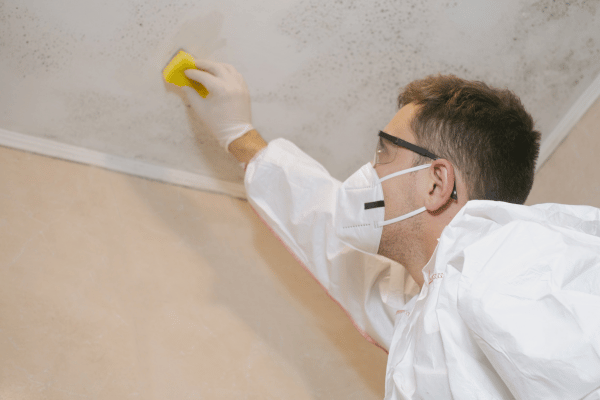
Protective worker in safety suit inspecting or treating mold spots on an indoor ceiling, addressing moisture damage and potential mold growth inside a building.

Hear from Our Customers

Professional Mold Detection Services

Know Exactly What You're Dealing With

You’re not looking for a sales pitch. You need answers about what’s growing in your home, where it’s hiding, and whether it’s making your family sick.

A real mold inspection gives you lab-verified results that identify the exact species and concentration levels. That means you know if you’re dealing with common surface mold or toxic black mold that needs immediate attention. You get documentation that works for insurance claims, real estate transactions, or just your own peace of mind.

Most importantly, you find out why it’s there. Bucks County’s humid summers push indoor moisture levels above 60 percent, and that’s when basements, attics, and crawl spaces become mold factories. Our inspection doesn’t just find the mold—it finds the moisture source so you can actually fix the problem instead of watching it come back in three weeks.

Certified Mold Inspectors Serving Holicong

Local Team, Real Expertise, Zero Runaround

We’ve been serving Holicong and Bucks County with straightforward mold detection and remediation. We’re the team local real estate agents call when a deal hits a snag, and the company insurance adjusters trust for accurate documentation.

We’re certified, we’re local, and we’re not trying to upsell you on services you don’t need. Our inspection process is separate from remediation recommendations, which means you get unbiased results. If you don’t have a mold problem, we’ll tell you. If you do, we’ll show you exactly what needs to happen and why.

Holicong homes face specific challenges—older construction, high water tables, and humidity that doesn’t quit from May through September. We’ve seen it all, and we know how to find problems before they become disasters.

Protective worker collecting a mold sample from a stained indoor ceiling using a swab, inspecting moisture damage and potential mold growth inside a building.

Our Mold Inspection Process

What Happens During Your Free Inspection

First, we walk through your home and talk about what you’re seeing, smelling, or worried about. Musty odors, visible spots, recent water damage, health symptoms—it all matters.

Then we use moisture meters and thermal imaging cameras to check areas you can’t easily access. Behind walls, under floors, inside HVAC systems, attic spaces. Mold grows where moisture sits, and moisture hides in places you’d never think to look. We find those spots.

If we identify potential mold growth, we collect air and surface samples and send them to an independent certified lab. You get results in three to five business days with a detailed report showing exactly what species are present and at what concentration levels. That report tells you if you’re dealing with a minor issue or something that needs immediate professional remediation.

After results come back, we walk you through what they mean for your health, your home, and your next steps. No pressure, no scare tactics—just clear information so you can make the right call.

Home interior with mold remediation in progress as a worker sprays treatment on a wall using a ladder, while a resident relaxes on a covered sofa in a renovated living room.

Ready to get started?

Explore More Services

About Mack's Mold Removal

Home Mold Inspection in Bucks County

What's Included in Your Inspection

Every inspection covers your entire home—basement to attic. We check common problem areas like bathrooms, kitchens, and laundry rooms, but we also examine spaces most homeowners forget about. Crawl spaces, rim joists, HVAC ducts, and anywhere water or humidity could be creating conditions for mold growth.

You get thermal imaging that shows temperature variations indicating moisture problems behind surfaces. You get moisture readings from walls, floors, and ceilings. And if we find visible growth or high moisture levels, you get lab testing that identifies the specific mold species and whether it poses health risks.

Bucks County homes built before 1980 often have ventilation issues that trap moisture. Newer construction sometimes has the opposite problem—too much insulation without proper air exchange. Both scenarios create mold risks, especially during our humid summers when outdoor moisture pushes indoor humidity above safe levels. We know what to look for based on your home’s age, construction type, and the specific moisture patterns we see in this area.

You also get complete documentation with photos, lab reports, and our findings in writing. That matters if you’re buying or selling a home, filing an insurance claim, or just want records for future reference.

How much does a professional mold inspection cost in Holicong?

We offer free inspections for Holicong homeowners. That includes the visual assessment, moisture readings, thermal imaging, and our professional evaluation of your property.

If we identify areas that need lab testing, there’s a fee for sample collection and analysis—usually between $300 and $600 depending on how many samples we need to send. The lab work is what costs money because it’s done by an independent certified facility that identifies specific mold species and concentration levels. That level of detail matters when you’re making decisions about remediation or dealing with insurance companies.

Some mold inspection companies charge $400 to $800 upfront and then push remediation services regardless of results. We don’t work that way. You only pay for lab testing if it’s actually needed, and our inspection findings are unbiased because we’re not trying to sell you a remediation job you might not need.

A mold inspection is the full assessment—visual examination, moisture detection, thermal imaging, and identifying conditions that support mold growth. That’s what tells you where problems exist and what’s causing them.

Mold testing is the lab analysis of specific samples we collect during the inspection. Air samples measure mold spore concentration in your indoor air compared to outdoor levels. Surface samples identify what’s actually growing on walls, ceilings, or other materials. Testing gives you scientific data about species type and concentration, which determines health risks and remediation urgency.

You need the inspection to know where to test and what’s causing the problem. You need the testing to know exactly what you’re dealing with and whether it’s dangerous. Most situations require both—the inspection finds it, the testing identifies it, and together they give you the complete picture you need to make informed decisions about your home and your family’s health.

The on-site inspection usually takes one to two hours depending on your home’s size and how many areas we need to examine. Larger homes or properties with multiple problem areas take longer.

If we collect samples for lab testing, you’ll get results back in three to five business days. The lab analysis takes time because they’re culturing samples and identifying specific species under microscopes. Rush testing is available for urgent situations, but standard turnaround is typically under a week.

After results come back, we schedule a follow-up call or meeting to review findings and discuss next steps. That conversation usually takes 20 to 30 minutes. We walk through the lab report, explain what the results mean in plain language, and answer any questions about remediation, prevention, or insurance claims. The whole process from initial inspection to final results review is typically completed within one week.

You can buy home test kits at hardware stores, but they don’t give you reliable information. Most DIY kits just confirm that mold spores exist in your home—which is always true because mold spores are everywhere. They don’t tell you what species, what concentration levels, or whether you have a problem that needs professional attention.

The bigger issue is that DIY testing can’t find hidden mold. Mold grows inside walls, under flooring, in HVAC systems, and other places you can’t see or easily access. Professional inspection uses thermal imaging and moisture meters to detect problems before they’re visible. By the time you can see mold growth, it’s often been there for weeks or months.

If you’re concerned about mold in your Holicong home, a professional inspection with certified lab analysis gives you accurate information you can actually use. You’ll know exactly what you’re dealing with, where it’s located, what’s causing it, and whether it poses health risks. That’s worth more than a $40 kit that tells you mold exists somewhere in your house.

Musty odors are the most common sign—especially in basements, bathrooms, or rooms that don’t get much airflow. If you smell something earthy or damp, there’s usually mold growing somewhere nearby.

Visible spots or discoloration on walls, ceilings, or around windows also indicate mold growth. Black, green, white, or brown patches that appear fuzzy or slimy are obvious red flags. But mold doesn’t always look dramatic—sometimes it just looks like dirt or slight discoloration that you might ignore.

Health symptoms are another major indicator. If family members have unexplained allergies, respiratory issues, headaches, or asthma attacks that get worse at home and better when they leave, mold exposure could be the cause. Water damage history also warrants inspection even if you don’t see or smell anything. Leaks, floods, burst pipes, or even persistent condensation create conditions for mold growth that might be hidden behind walls or under floors.

It depends on what caused the mold. If mold resulted from a sudden covered event like a burst pipe or storm damage, most homeowners insurance policies will cover both inspection and remediation. If mold developed from long-term neglect, poor maintenance, or chronic moisture problems you didn’t address, insurance typically won’t cover it.

The key is documentation. Insurance companies want proof that mold resulted from a specific incident, not gradual deterioration. That’s why professional inspection with certified lab results matters—it provides the documentation adjusters need to process claims. We work directly with insurance companies and know what they require for approval.

We help Holicong homeowners navigate the claims process, provide detailed reports and photos, and communicate with adjusters to get coverage you’re entitled to. Even if insurance doesn’t cover everything, knowing exactly what you’re dealing with helps you budget for remediation and prevents bigger problems down the road. Mold doesn’t get better on its own—it gets worse, and it gets more expensive to fix the longer you wait.

Other Services we provide in Holicong