
Hear from Our Customers
You’re not imagining that musty smell. Your kid’s asthma isn’t getting better. Or maybe you just want to know what’s behind that water stain before it becomes a five-figure problem.
A professional mold inspection gives you answers. Not guesses. We use moisture meters, thermal imaging, and air quality testing to find mold you can’t see—the kind growing behind drywall, under flooring, or inside your HVAC system. Then we send samples to a certified lab so you know exactly what type of mold you’re dealing with and whether it’s a health risk.
Most people wait too long. By the time mold is visible, it’s already been growing for weeks or months. An inspection catches it early, when fixing it is still manageable. That’s the difference between a few hundred dollars in repairs and tearing out half your basement.
We work throughout Blue Ridge and Bucks County, where Pennsylvania’s humid climate creates the perfect conditions for mold growth. Cold winters, warm summers, and above-average precipitation mean basements stay damp and crawlspaces don’t dry out the way they should.
We’ve inspected enough homes in this area to know where mold hides. It’s not always the obvious spots. Sometimes it’s condensation on cold pipes, poor attic ventilation, or a slow leak that’s been dripping for months without anyone noticing.
Our inspections use the same tools and methods recommended by the EPA and HUD. We’re not here to upsell you on services you don’t need. We’re here to tell you what’s actually happening in your home so you can make an informed decision.
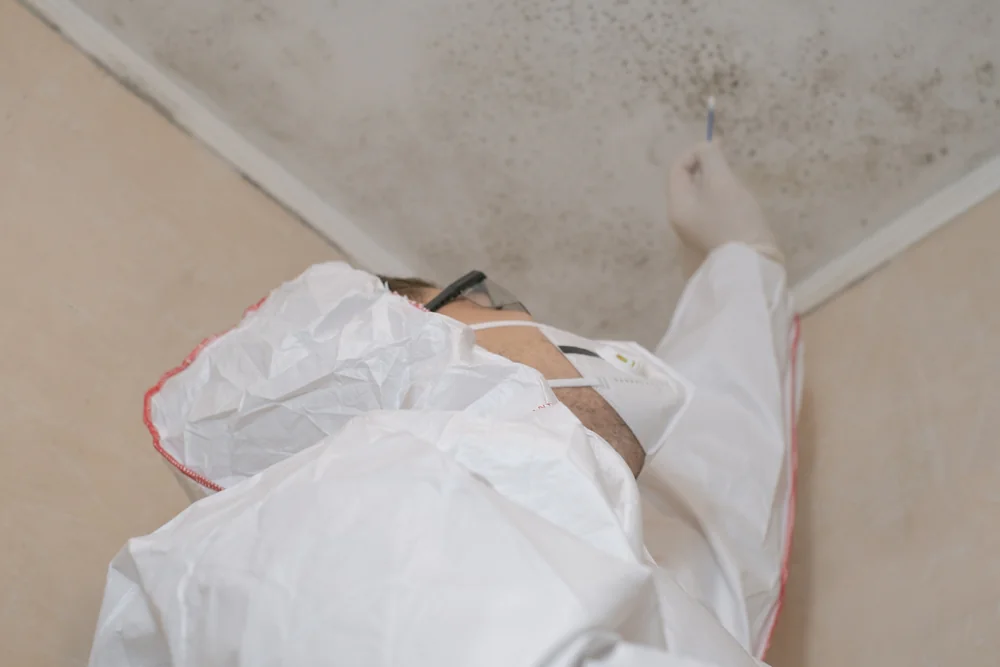
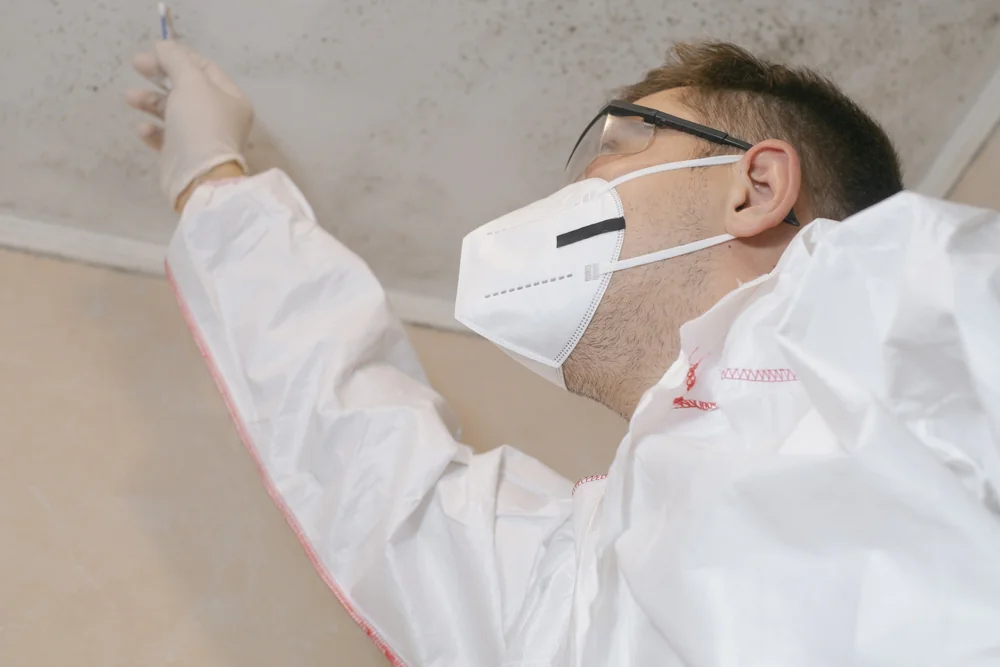
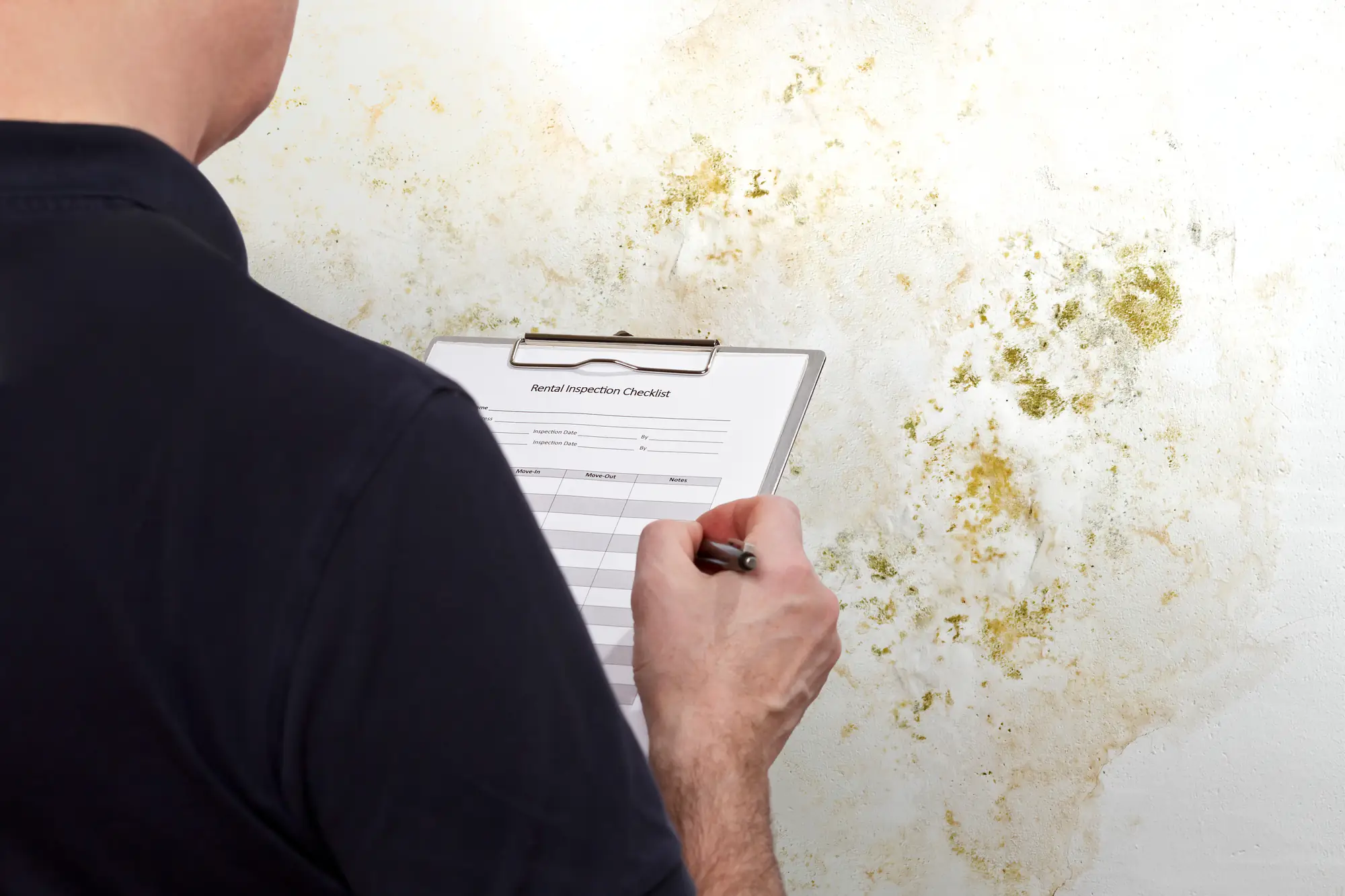
We start with a visual inspection of your entire home—every room, every corner, every place moisture tends to collect. Bathrooms, basements, attics, crawlspaces, around windows, near plumbing. If there’s visible mold or water damage, we document it.
Next, we use moisture meters to check walls, floors, and ceilings for hidden water intrusion. High moisture readings tell us where mold is likely growing even if you can’t see it yet. Thermal imaging helps us spot temperature differences that indicate leaks or poor insulation.
If we find mold or suspect hidden growth, we take air samples and surface samples. Those go to a certified lab for analysis. The lab report tells you what species of mold are present, the concentration levels, and whether remediation is necessary. We walk you through the results in plain language and explain what your options are. No pressure, no upselling—just clear information so you can decide what makes sense for your situation.

Ready to get started?
Every mold inspection covers all visible and accessible areas of your home. We check basements, crawlspaces, attics, bathrooms, kitchens, laundry rooms, and any area with a history of water damage or moisture problems. You get a full visual assessment, moisture readings, humidity level testing, and thermal imaging where needed.
Air quality testing measures mold spore counts in your indoor air and compares them to outdoor levels. Surface sampling identifies specific mold species growing on walls, ceilings, or other materials. All samples are analyzed by a certified laboratory, and you receive a detailed report with clear explanations of what was found.
In Blue Ridge and throughout Bucks County, we see a lot of basement mold due to groundwater seepage and poor drainage. Attic mold is common too, especially in homes with inadequate ventilation or roof leaks. Bathrooms and kitchens are frequent problem areas because of steam and humidity. Knowing where to look—and what to look for—comes from experience in this specific climate and housing stock.
The inspection also includes a moisture source analysis. Finding mold is one thing. Finding what’s causing it is what actually solves the problem. We identify leaks, condensation issues, ventilation problems, and drainage concerns so you can address the root cause, not just the symptom.
Most mold inspections in the Blue Ridge area range from $300 to $600, depending on the size of your home and how many samples need to be tested. A basic visual inspection with moisture readings costs less than a full inspection with air quality testing and lab analysis.
If you’re buying or selling a home, the inspection is usually on the lower end unless the property is large or has known water damage. If you’re dealing with health symptoms or visible mold, expect to pay for lab testing since that’s the only way to know what type of mold you’re dealing with and whether it’s hazardous.
Some companies offer free inspections, but they’re often tied to remediation services. We charge for inspections because our job is to give you accurate information, not to sell you on a remediation project you may not need. You’re paying for an unbiased assessment.
A standard home inspection covers the overall condition of a property—structure, roof, plumbing, electrical, HVAC. Mold isn’t always part of that scope. Most home inspectors will note visible mold or water damage, but they don’t test for hidden mold or measure spore levels in the air.
A mold inspection goes deeper. We’re specifically looking for mold growth, moisture problems, and air quality issues. We use specialized equipment like moisture meters and thermal imaging cameras that most home inspectors don’t carry. And we take samples for lab testing, which gives you concrete data instead of a visual guess.
If you’re buying a home in Blue Ridge or anywhere in Bucks County, a mold inspection is a smart move even if the home inspection comes back clean. Pennsylvania’s climate means mold can be hiding in places a general inspector won’t check—like inside walls, under flooring, or in the HVAC system.
Plan on two to three hours for a thorough inspection of an average-sized home. Larger homes or properties with basements, crawlspaces, and attics take longer. If there’s visible mold or extensive water damage, we’ll spend extra time documenting everything and taking samples.
The inspection itself happens in one visit. Lab results usually come back within three to five business days. Once we have the report, we’ll walk you through the findings and explain what they mean for your home and your health.
You don’t need to do anything to prepare. We’ll need access to all areas of the home, including basements, attics, and crawlspaces. If you’ve noticed specific problem areas—like a musty smell in one room or a water stain on the ceiling—let us know so we can focus on those spots.
DIY mold test kits are available at hardware stores, but they’re not reliable. Most of them just tell you that mold is present, which isn’t useful—mold spores exist in every home. What matters is the type of mold, the concentration, and whether it’s at levels that pose a health risk.
DIY kits also don’t help you find the source of the mold or identify hidden growth. You might test one room and miss a bigger problem in the basement or behind a wall. Without moisture readings and thermal imaging, you’re only seeing part of the picture.
A professional mold inspection gives you lab-tested results, a full assessment of your home’s moisture levels, and a clear explanation of what’s happening and why. You’ll know whether you need remediation, what’s causing the mold, and how to prevent it from coming back. That’s not something a $10 kit can do.
The most common molds we find in Blue Ridge and Bucks County homes are Cladosporium, Penicillium, Aspergillus, and Stachybotrys (black mold). Cladosporium and Penicillium grow in damp areas like bathrooms and basements. Aspergillus shows up in water-damaged materials and poorly ventilated spaces. Stachybotrys—the one people worry about most—grows on materials that stay wet for extended periods, like drywall or wood after a leak.
Not all mold is dangerous, but all mold indicates a moisture problem. Even non-toxic molds can trigger allergies, asthma, and respiratory issues, especially in kids and people with compromised immune systems. Black mold gets the most attention because it produces mycotoxins, but other molds can cause health problems too.
Lab testing is the only way to know what you’re dealing with. Visual identification isn’t reliable because different mold species can look similar. Once we know the type and concentration, we can tell you whether remediation is necessary or if improving ventilation and fixing leaks will solve the problem.
Get a mold inspection if you smell a musty odor, see visible mold, or notice water damage like stains, peeling paint, or warped floors. If anyone in your home is experiencing unexplained respiratory issues, headaches, or allergy symptoms that won’t go away, mold could be the cause.
You should also get an inspection before buying a home, especially in Blue Ridge and Bucks County where basements and crawlspaces are common. Sellers aren’t always required to disclose mold, and a standard home inspection won’t catch hidden growth. Spending a few hundred dollars on a mold inspection can save you thousands in repairs later.
After any water damage—burst pipes, roof leaks, flooding—get an inspection even if you dried everything out. Mold can start growing within 24 to 48 hours, and it often develops inside walls or under flooring where you can’t see it. An inspection confirms whether the affected areas are truly dry or if mold has already taken hold.
Other Services we provide in Blue Ridge