
Hear from Our Customers
You shouldn’t have to wonder if the air in your home is making you sick. Headaches, stuffy noses, breathing issues—these aren’t things you should just live with. And if you’re trying to sell, mold is one of the fastest ways to kill a deal in Bucks County.
Professional mold removal means more than scrubbing visible spots. It means finding the moisture source, eliminating hidden growth behind walls or under floors, and treating the problem so it doesn’t return the moment humidity spikes again. That’s what actually protects your family’s health and your home’s value.
Blue Ridge’s humid summers create perfect conditions for mold, especially in basements and crawl spaces. If you’ve noticed a musty smell, discoloration on walls, or allergy symptoms that won’t quit, you’re probably dealing with more than surface-level mildew. The longer mold sits, the more it spreads—and the more expensive it becomes to fix. Catching it early and handling it right the first time saves you money and stress down the road.
We’ve been helping homeowners in Blue Ridge and throughout Bucks County deal with mold the right way. We’re certified mold remediation specialists, which means we follow proper protocols, use the right equipment, and actually fix the problem instead of covering it up.
We understand the local climate. Humid summers, damp basements, older homes with ventilation issues—we’ve seen it all. Most mold problems in this area come from the same handful of causes, and we know how to spot them fast. That’s why we offer free inspections. You shouldn’t have to pay just to find out what you’re dealing with.
We’re available when you need us, including emergencies. Mold doesn’t wait for business hours, and neither do we. Call 215-431-4744 and we’ll walk you through what’s happening and what needs to happen next.
First, we inspect your property with moisture meters and thermal imaging cameras. These tools let us see behind walls and under floors to find hidden mold and the moisture feeding it. You can’t fix mold if you don’t know where it’s coming from.
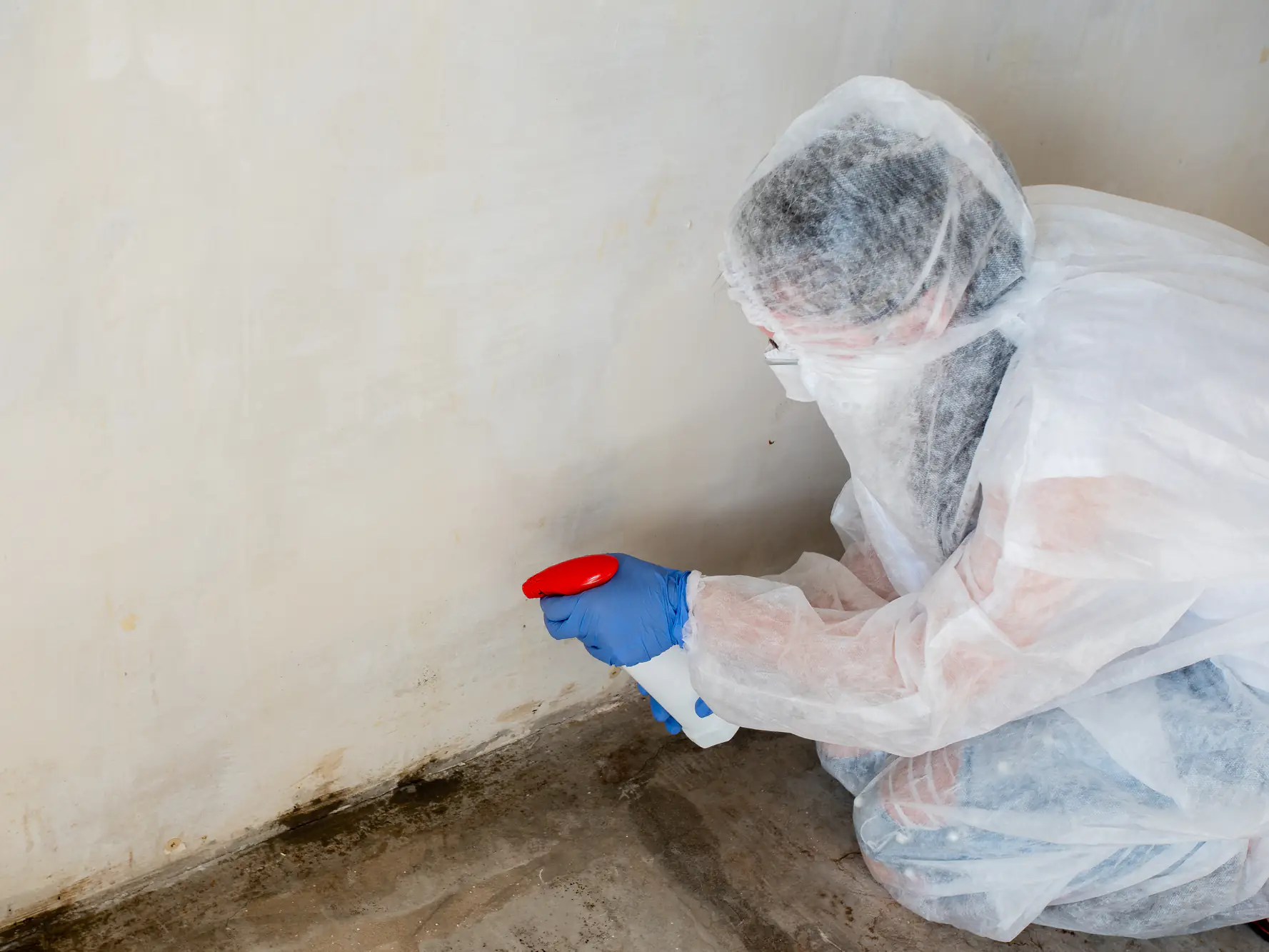
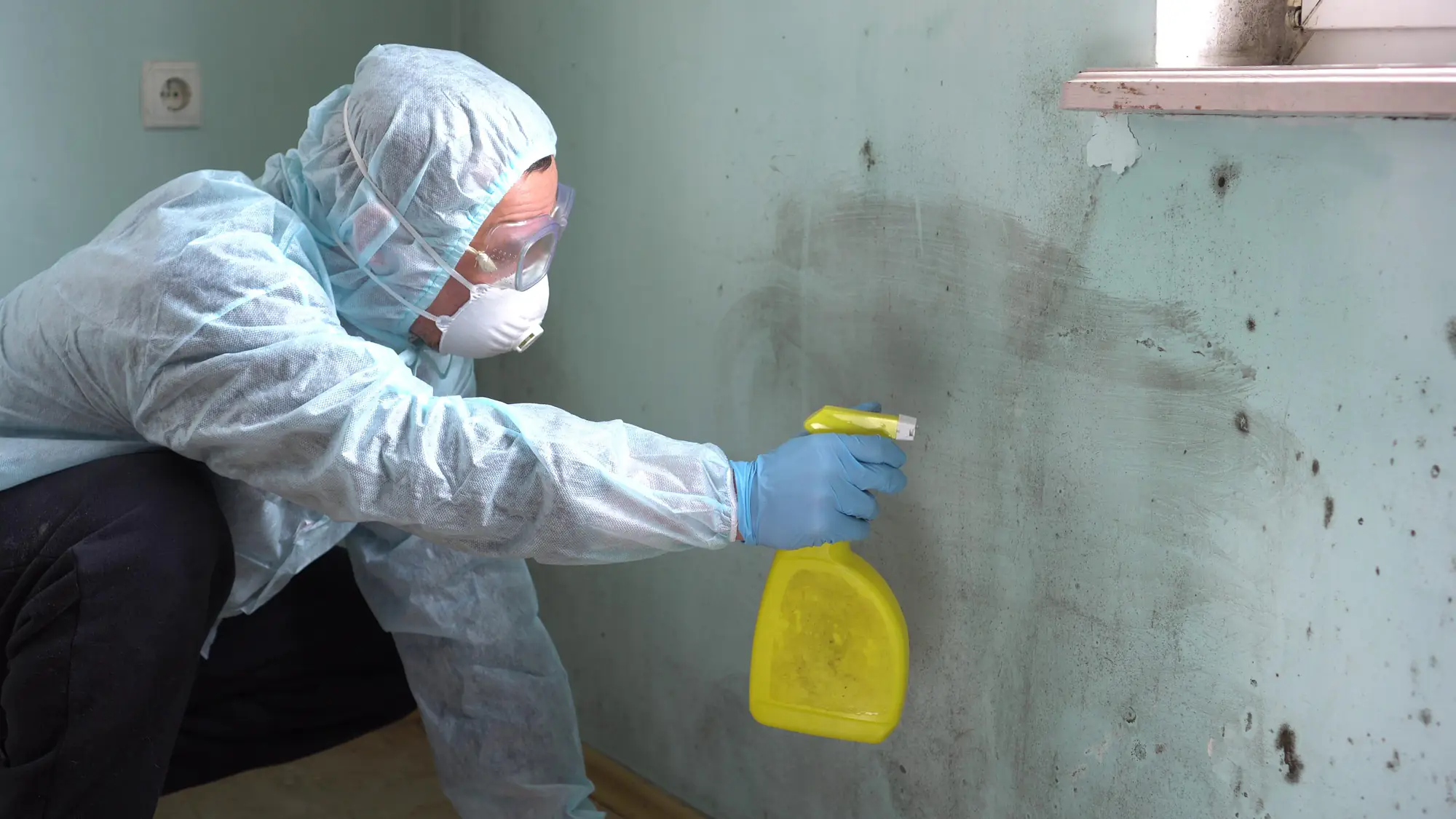
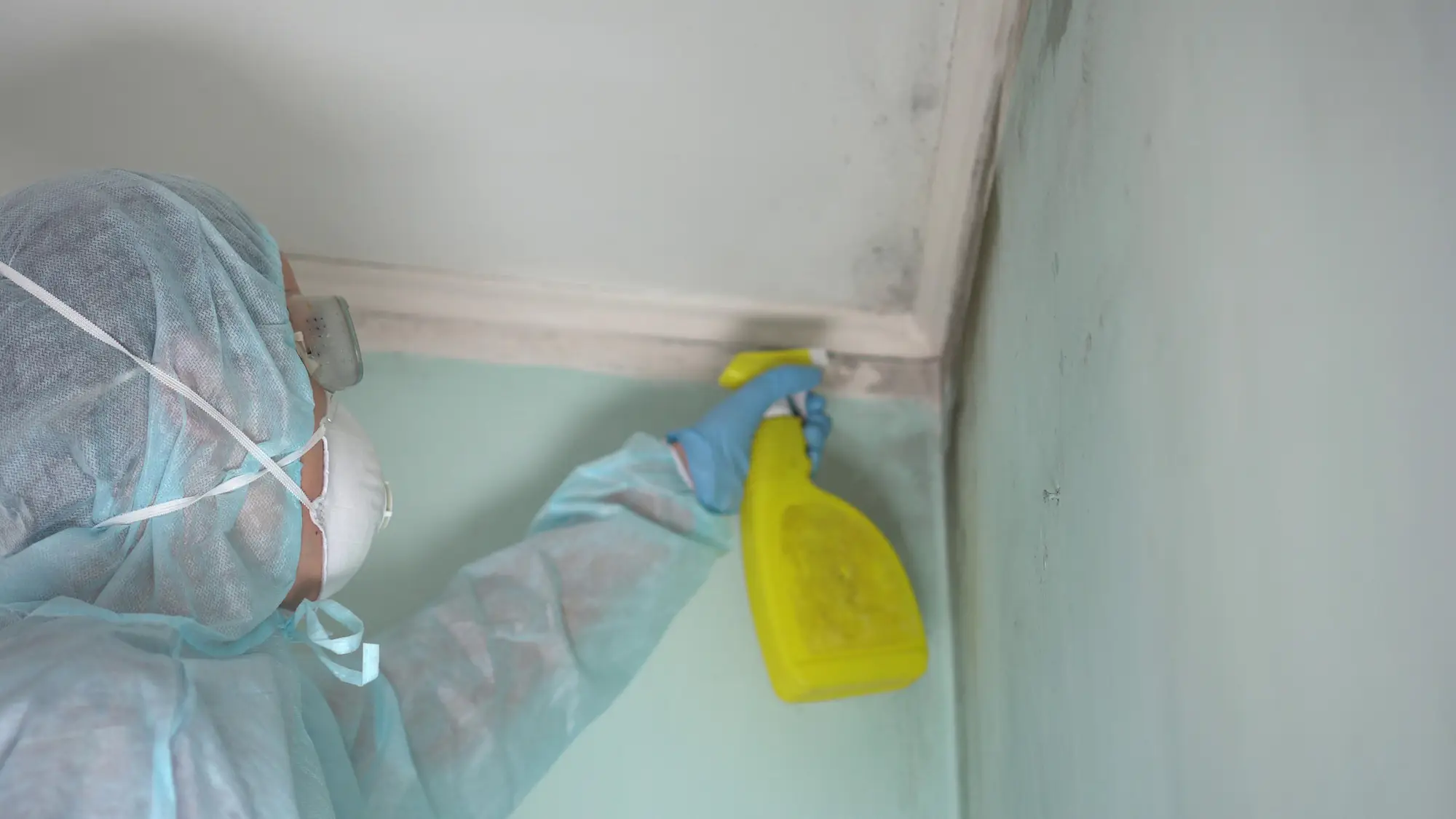
Next, we contain the affected area to prevent mold spores from spreading during removal. We use negative air pressure and physical barriers to keep the rest of your home clean. Then we remove contaminated materials—drywall, insulation, flooring, whatever’s been compromised—and treat surfaces with antimicrobial solutions.
After removal, we address the moisture source. Maybe it’s a leaky pipe, poor ventilation, or groundwater seeping into your basement. If we don’t fix that, the mold will come back. We also dry out the area completely using industrial dehumidifiers and air movers. Once everything’s dry and treated, we test the air quality to confirm the mold is gone. Then you can move forward with repairs or restoration, knowing the problem is actually solved.
Ready to get started?
Every mold removal job includes a thorough inspection with advanced detection equipment. We don’t guess—we measure moisture levels and use thermal imaging to map out exactly where the problem is. You’ll get a clear assessment before any work starts.
Our remediation process covers containment, removal, treatment, and prevention. We remove affected materials safely, treat all surfaces, and address the underlying moisture issue. That might mean fixing drainage problems, improving ventilation, or waterproofing your basement. Whatever’s causing the mold, we handle it.
In Blue Ridge and Bucks County, basement mold is extremely common due to our humid climate and older housing stock. Many homes here have stone foundations or inadequate waterproofing, which lets moisture seep in during heavy rains. We see this constantly, and we know how to fix it permanently. We also work directly with insurance companies to help with claims and documentation, which takes some of the financial pressure off you. Pennsylvania law requires sellers to disclose known mold issues, so if you’re preparing to list your home, professional remediation and documentation protect you legally and help the sale go through.

If you smell something musty, see discoloration on walls or ceilings, or notice allergy symptoms that get worse at home, you probably have mold. Sometimes you won’t see it at all—it’s growing behind drywall, under carpet, or in your HVAC system. That’s why the smell is often the first clue.
Health symptoms are another red flag. Persistent headaches, coughing, sneezing, itchy eyes, or breathing problems that improve when you leave the house often point to mold exposure. Kids, elderly family members, and anyone with asthma or allergies are especially vulnerable.
Don’t wait until you see black mold spreading across your bathroom ceiling. By that point, there’s usually a lot more hidden elsewhere. A free inspection will tell you exactly what you’re dealing with and whether professional remediation is necessary. Most of the time, if you suspect mold, it’s there—and it’s better to know sooner than later.
Small surface mold on a bathroom tile? Sure, you can clean that yourself with the right products. But if mold covers more than a few square feet, if it’s on porous materials like drywall or wood, or if you don’t know where it’s coming from, you need professional help.
Here’s why: mold spreads through spores. When you disturb it without proper containment, you send those spores into the air and throughout your home. You also can’t see what’s behind the wall or under the floor. DIY cleaning treats the symptom, not the cause. The mold comes back because the moisture source is still there.
Black mold and other toxic varieties require specialized equipment and safety protocols. Certified mold remediation specialists know how to contain the area, remove contaminated materials safely, and treat the space so mold doesn’t return. We also have the tools to find hidden moisture and mold that you’d never spot on your own. If you’re dealing with anything beyond minor surface mold, calling a professional saves you time, money, and health risks.
Most residential mold removal jobs take between one and five days, depending on the size of the affected area and the severity of the problem. A single bathroom might take a day or two. A flooded basement with mold throughout could take a week.
During the process, we’ll contain the work area so the rest of your home stays clean and safe. You might need to stay out of certain rooms, but you usually don’t have to leave your house entirely unless the contamination is severe. We’ll let you know upfront what to expect.
After we remove the mold and treat the area, drying takes additional time. We use industrial dehumidifiers and air movers to pull moisture out of walls, floors, and air. This step is critical—if we don’t dry everything completely, mold will grow back. Once the area is dry and we’ve confirmed the mold is gone through air quality testing, you can move forward with any repairs or restoration work. We’ll walk you through every step so there are no surprises.
It depends on what caused the mold. If mold resulted from a covered event—like a burst pipe, roof leak, or storm damage—your insurance will likely cover remediation. If it’s from long-term neglect, poor maintenance, or chronic humidity issues, probably not.
Insurance companies want to see that you acted quickly after discovering water damage. The longer you wait, the less likely they are to pay. That’s why calling a mold removal specialist right away is important, both for your health and your claim.
We work directly with insurance companies and help with documentation, photos, and reports. We know what adjusters need to see, and we can communicate with them on your behalf to simplify the process. Even if your policy doesn’t cover the full cost, professional remediation is still worth it. Mold damage gets worse over time, and fixing it later costs significantly more than handling it now. Plus, Pennsylvania disclosure laws mean you’ll have to deal with it eventually if you ever sell your home.
Blue Ridge’s climate is a big factor. Hot, humid summers create ideal conditions for mold, especially in poorly ventilated spaces like basements, attics, and crawl spaces. Add in Bucks County’s older housing stock—many homes have stone foundations, minimal insulation, and outdated waterproofing—and you’ve got a recipe for moisture problems.
Basements are the most common trouble spot. Water seeps through foundation cracks or rises through the floor during heavy rains. Without proper drainage or a sump pump, that moisture sits and mold starts growing on walls, wood framing, and stored belongings. Bathrooms and kitchens are also frequent problem areas due to steam and condensation.
Roof leaks, plumbing issues, and HVAC condensation also contribute. Sometimes mold grows inside air ducts and gets blown throughout your home every time the system runs. The key is controlling moisture. If you can keep humidity below 60% and address leaks or drainage problems quickly, you’ll prevent most mold growth. But once it starts, you need professional help to remove it completely and fix the underlying issue.
The most important thing is controlling moisture. Fix leaks immediately, whether they’re from plumbing, your roof, or your foundation. Use dehumidifiers in basements and other damp areas, especially during summer. Keep humidity levels below 60%—ideally between 30% and 50%.
Improve ventilation in bathrooms and kitchens. Run exhaust fans during and after showers. Make sure your dryer vents outside, not into your basement or attic. Clean gutters regularly and make sure downspouts direct water away from your foundation. If you have drainage issues around your home, fix them. Water pooling near your foundation will eventually find its way inside.
After professional mold remediation, we address the moisture source as part of the job. That might mean waterproofing your basement, fixing ventilation, or repairing leaks. If we don’t fix what caused the mold in the first place, it’ll come back. Once the source is handled and the area stays dry, mold won’t return. Regular maintenance and staying alert to new leaks or moisture problems will keep your home mold-free long-term.
Other Services we provide in Blue Ridge