
Hear from Our Customers
You avoid the nightmare scenario. The one where a buyer walks away during closing because their inspector found mold. Or where your kid’s asthma suddenly makes sense after years of mystery symptoms.
Pennsylvania’s humid summers create perfect conditions for mold. Humidity above 60% means spores can take hold in under two days. By the time you see visible growth or smell that musty odor, the problem’s already established.
A professional mold inspection finds what you can’t see. Behind walls. Under flooring. In your HVAC system. We use moisture meters and thermal imaging to detect problem areas before they become expensive remediation jobs. An inspection runs $300-800. Full remediation? That’s $1,220-$3,750 or more.
You get documentation. Real data about what’s happening in your home. Air samples analyzed by an independent certified lab. A written report that tells you exactly what you’re dealing with and what needs to happen next.
We’ve served Bucks County for nearly three decades. We know the area’s older homes, the basement moisture issues that come with Pennsylvania’s clay soil, and how summer humidity settles into properties around Sellersville.
We’re not a national franchise with a 1-800 number. We’re local. We’ve inspected hundreds of homes in your area, and we understand what you’re up against when you’re trying to protect your investment and your family.
Our inspectors use professional-grade equipment and send samples to NACHI certified labs. You get unbiased results and straightforward answers about what’s actually happening in your home.
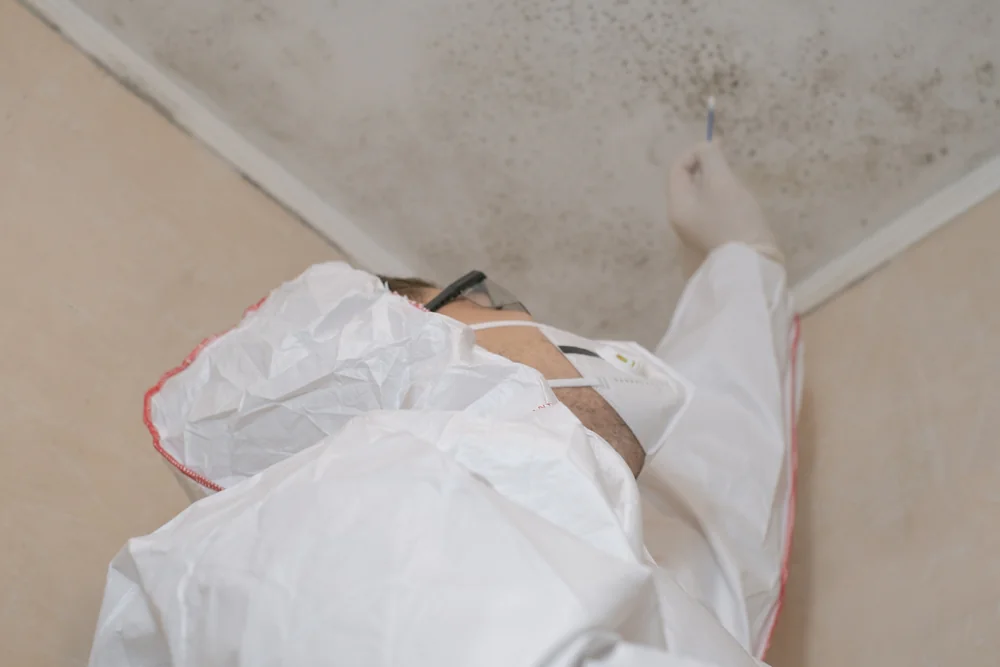
First, we walk through your property and look at the areas where mold typically develops. Basements, crawl spaces, attics, around windows, behind appliances, anywhere water or humidity accumulates. We’re looking for visible growth, water damage, condensation patterns, and musty odors.
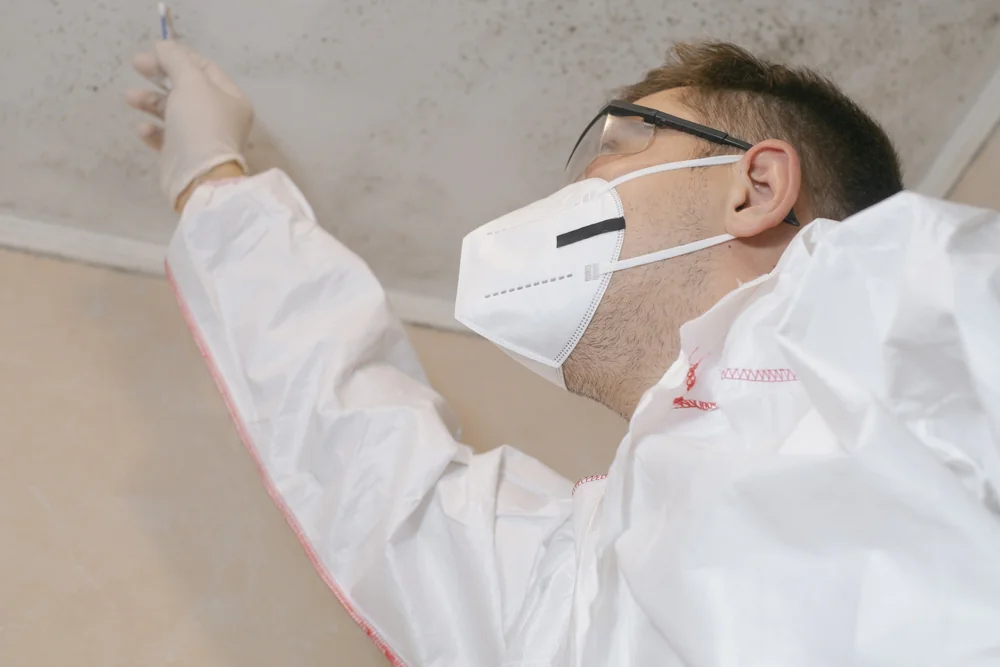
Then we use moisture detection tools to measure humidity levels in walls, floors, and ceilings. Thermal imaging cameras show us temperature differences that indicate moisture problems you can’t see. These tools find issues before they become visible.
We collect air samples from different areas of your home. These samples go to an independent lab that identifies mold types and measures concentration levels. You get detailed results that show exactly what’s in your air and whether it’s at concerning levels.
Within a few days, you receive a complete written report. It explains what we found, what it means for your property and health, and what steps you should take. If remediation is needed, we give you a clear plan. If your home is clear, you have documentation proving it.

Ready to get started?
You get a thorough assessment of every area where mold commonly grows. We check basements where Sellersville’s groundwater and humidity create damp conditions. We inspect attics where poor ventilation traps moisture. We examine bathrooms, kitchens, laundry areas, and anywhere plumbing could leak.
Our equipment finds problems early. Moisture meters detect elevated humidity levels inside building materials before mold establishes. Thermal imaging reveals hidden water intrusion behind walls or under floors. This technology catches issues that visual inspection alone would miss.
Laboratory analysis gives you facts. Independent testing identifies specific mold species, including toxic black mold. You learn the concentration levels in your indoor air compared to outdoor baseline samples. This data matters for health decisions and real estate transactions.
You receive actionable information. Our written report doesn’t just list problems—it explains what caused them, how serious they are, and what your options look like. If you’re buying or selling property in Bucks County, this documentation protects you during negotiations.
Professional mold inspection typically costs between $300 and $800 depending on your property size and how many areas need testing. A standard single-family home usually falls in the $400-$600 range.
That price includes the physical inspection, moisture detection, air sampling, laboratory analysis, and a detailed written report. Some companies charge extra for thermal imaging or additional sample collection, so ask what’s included upfront.
Compare that cost to remediation. If mold establishes and spreads, you’re looking at $1,220-$3,750 for professional removal, possibly more if structural materials need replacement. Early detection is cheaper than late reaction. Plus, if you’re buying a home, a few hundred dollars now could save you from purchasing a property with hidden mold damage that tanks your investment.
Musty odors are the most common sign. If your basement, bathroom, or any room smells earthy or stale, that’s often mold releasing volatile organic compounds. You might not see growth yet, but the smell means it’s there.
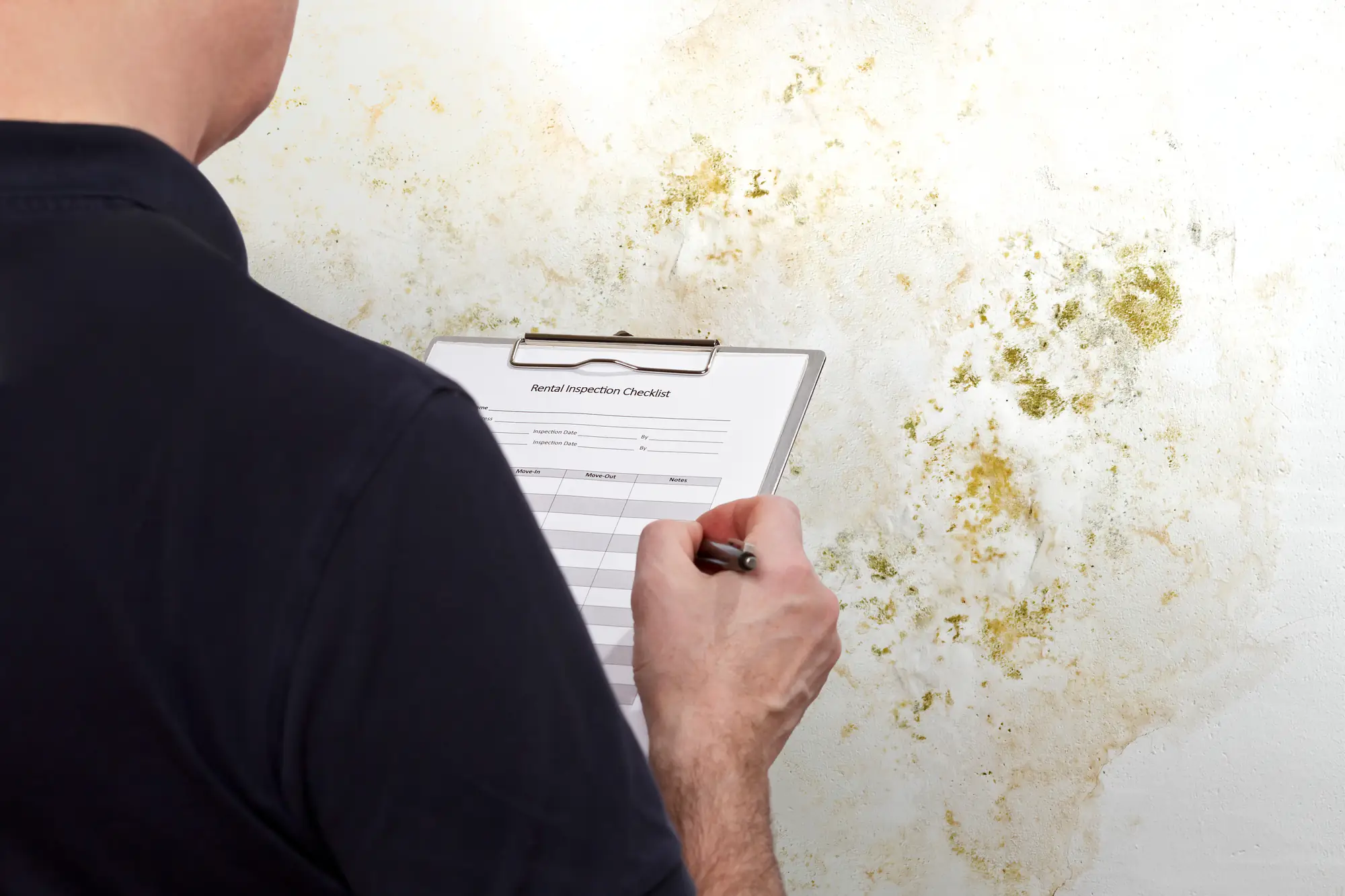
Visible signs include discoloration on walls or ceilings, water stains, peeling paint, or warped materials. If you’ve had any water damage—leaky roof, burst pipe, flooding—you should get inspected even if you don’t see mold. It grows within 24-48 hours after water exposure.
Health symptoms matter too. If anyone in your home has developed respiratory issues, allergies, or asthma that seems worse indoors, mold exposure could be the cause. About 21% of asthma cases link to mold and dampness. If you’re buying or selling property in Sellersville, get an inspection before closing. It protects both parties and prevents deals from falling apart later.
A typical home inspection takes 1-3 hours depending on property size and how many areas need detailed examination. Smaller homes or condos might take an hour. Larger properties with basements, attics, and crawl spaces take longer.
We need time to visually examine all potential problem areas, use moisture detection equipment, take thermal images, and collect air samples from multiple locations. Rushing through the process means missing hidden issues.
After the on-site inspection, samples go to the lab for analysis. You’ll receive your detailed written report within 3-5 business days. The report includes lab results, findings from the physical inspection, and recommendations for next steps. If you need results faster for a real estate transaction, let us know—we can sometimes expedite lab processing.
Home test kits exist, but they have serious limitations. Most just confirm that mold spores are present—which they are in every home. Mold spores are everywhere. The question isn’t whether they exist, but whether you have an active growth problem and what type of mold it is.
DIY kits can’t measure concentration levels or identify specific mold species. They can’t tell you if you have toxic black mold or common harmless varieties. They don’t find hidden moisture problems behind walls or under flooring. And they won’t hold up as documentation if you need proof for insurance claims or real estate negotiations.
Professional inspection uses calibrated equipment and independent laboratory analysis. We compare indoor air samples to outdoor baseline samples to determine if your indoor levels are elevated. We use thermal imaging and moisture meters to find problems you can’t see. If you’re making decisions about your family’s health or a major financial investment, you need accurate data, not a maybe from a $10 kit.
First, don’t panic. Finding mold is actually better than not knowing it’s there. Now you can address it before it causes more damage or health problems.
Your written report will explain what type of mold we found, where it’s located, how extensive the growth is, and what likely caused it. We’ll tell you whether it’s a minor issue you can address yourself or whether you need professional remediation. Small surface mold on bathroom tile is different from extensive growth inside walls.
We’ll identify the moisture source—because mold doesn’t grow without water. Maybe it’s a plumbing leak, poor ventilation, basement humidity, or roof damage. Fixing the moisture problem is just as important as removing the mold, otherwise it comes back. You’ll get clear recommendations about remediation steps and moisture control. If you’re in a real estate transaction, this documentation helps you negotiate repairs or price adjustments based on actual facts rather than guesswork.
Pennsylvania’s climate creates ideal mold conditions. Hot, humid summers regularly push indoor humidity above 60%, which is well over the EPA’s recommended 50% maximum. Once humidity stays elevated, mold spores germinate in 1-2 days.
The state gets frequent precipitation year-round. That means basements deal with groundwater, roofs handle heavy rain and snow, and building materials stay damp longer. Temperature fluctuations between seasons create condensation inside walls and attics. Moisture gets trapped in building assemblies and doesn’t dry out.
Older homes in areas like Sellersville face additional challenges. Many were built before modern moisture barriers and ventilation standards. Basements have stone foundations that let groundwater seep through. Attics lack proper ventilation. These properties need regular inspection because they’re fighting both age and climate. About 47% of U.S. homes have dampness and mold issues, and Pennsylvania’s humidity puts it in the higher risk category for the Northeast.
Other Services we provide in Sellersville