
Hear from Our Customers
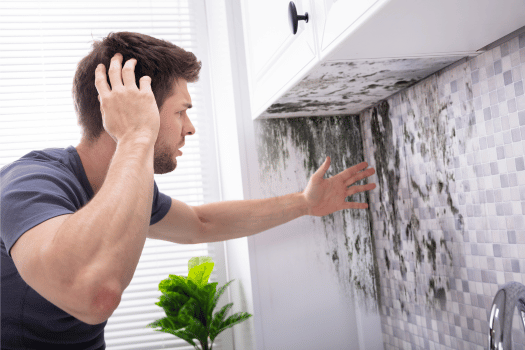
That musty smell in your basement isn’t just annoying. It’s a warning sign. Your allergies getting worse at home? That’s not random either.
A proper home mold inspection gives you answers. You’ll know if that dark spot is surface dirt or black mold. You’ll know if your HVAC system is circulating spores through every room. You’ll know whether you need a simple cleanup or a serious remediation.
Here’s what changes after a thorough inspection: you stop guessing. You stop wondering if that cough is just seasonal or something growing in your walls. You get lab results that tell you exactly what type of mold you have and how much. You get moisture readings that show where water is getting in. You get a clear path forward, whether that’s peace of mind or a remediation plan.
Tradesville homes deal with humid summers and damp winters. Basements stay cool and wet. Crawl spaces trap moisture. Older homes around here weren’t built with the ventilation standards we have now. That’s not a criticism, it’s just reality. And it means mold finds a way in more often than most people think.
We’ve been inspecting homes in Tradesville, PA and throughout Bucks County for years. We’re not a national franchise reading from a script. We know the homes in this area, the common problem spots, and what to look for.
We use thermal imaging to see temperature differences behind walls. We use moisture meters to find water where it shouldn’t be. We take air samples and surface samples that go to an independent lab for analysis. You get results you can trust because we’re not the ones interpreting them in-house.
You’re not hiring someone who just wants to sell you remediation. You’re hiring someone who wants to give you accurate information first. If there’s no mold, we’ll tell you. If there is, we’ll show you exactly where and what needs to happen next.
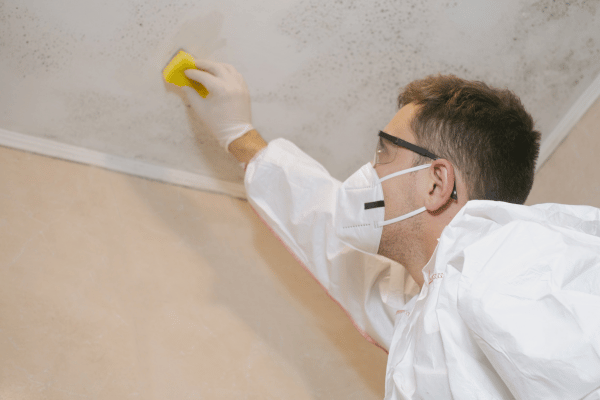
We start with a visual inspection of your entire home. That means basements, attics, crawl spaces, bathrooms, kitchens, around windows, near HVAC systems. Anywhere moisture can collect or ventilation falls short.
We’re looking for visible mold, water stains, condensation, and structural damage. We’re also using thermal imaging to spot temperature differences that indicate hidden moisture. Cold spots on walls often mean water intrusion you can’t see yet.
Next, we take samples. Air samples measure mold spore concentration in different rooms and compare it to outdoor levels. Surface samples identify the specific type of mold growing on walls, ceilings, or floors. We also document moisture levels throughout your home with professional-grade meters.
Those samples go to an independent laboratory. You get results in three to five business days. The report includes spore counts, mold species identification, and a comparison to safe baseline levels. We walk you through what it all means in plain language.
The whole inspection takes one to two hours depending on your home’s size. You can be there or not, your call. Afterward, you’ll have documentation you can use for insurance claims, real estate transactions, or just your own peace of mind.
Ready to get started?
You get a full visual assessment of every accessible area in your home. We check the obvious spots and the ones most people miss. Behind appliances, inside HVAC ducts, under sinks, around basement windows, in attic insulation.
You get thermal imaging that reveals moisture problems hidden behind drywall or under flooring. This technology picks up on temperature variations that indicate water damage before mold even becomes visible. It’s one of the most valuable tools we use because it catches problems early.
You get air quality testing that measures mold spore levels in your indoor air compared to outdoor baselines. This tells us if you have an active mold problem even when nothing is visible. You also get surface sampling from any suspicious areas we find. Those samples are analyzed by a certified lab, not by us.
You get a detailed report with lab results, photographs, moisture readings, and our professional assessment. Everything is documented clearly so you can make informed decisions. If you’re dealing with a real estate transaction in Tradesville, this report meets the standards buyers and sellers need. If you’re filing an insurance claim, it provides the documentation your insurance company requires.
Tradesville sits in Bucks County, where nearly half of homes show some sign of mold or moisture issues. The climate here creates perfect conditions. Humid summers, wet springs, and older homes with basements that weren’t waterproofed to modern standards. A professional mold detection service isn’t overkill. It’s the only way to know for sure what’s happening inside your walls.
Most residential mold inspections in Tradesville run between $400 and $600. That covers the visual inspection, thermal imaging, air sampling, surface sampling, lab analysis, and a full written report.
The price can go up if you have a larger home or need testing in multiple buildings on your property. It can also increase if you need more extensive sampling due to widespread visible mold or a complicated layout. But for a standard single-family home, expect to pay in that range.
Some companies charge less, but they’re often skipping steps. Maybe they’re not using thermal imaging. Maybe they’re not sending samples to an independent lab. Maybe they’re doing a quick visual and calling it an inspection. You get what you pay for, and cutting corners on testing means you might miss the actual problem.
A mold inspection identifies whether you have mold, what type it is, and where it’s growing. Mold remediation is the process of actually removing it and fixing the moisture problem that caused it.
Think of the inspection as the diagnosis. We’re gathering information and giving you a clear picture of what’s happening in your home. Remediation is the treatment. That’s when mold gets physically removed, contaminated materials get replaced, and the source of moisture gets addressed.
You need an inspection before remediation because you can’t fix a problem you don’t fully understand. Remediation companies that skip the inspection step are guessing. They might clean up visible mold but miss hidden growth. They might treat the symptom but not the cause. A proper inspection gives you a roadmap so remediation is done right the first time.
You can, but it won’t tell you much. Those kits usually just confirm that mold spores exist in your home, which is true for basically every home. They don’t tell you how much mold you have, what type it is, or where it’s growing.
The bigger issue is that DIY kits can’t find hidden mold. They can’t see behind walls or under floors. They can’t measure moisture levels or use thermal imaging to spot problem areas. They’re a surface-level check that often misses the real issue.
If you’re dealing with health symptoms, a musty smell, visible water damage, or you’re buying or selling a home in Tradesville, a DIY kit isn’t going to cut it. You need professional equipment and lab analysis to get accurate, actionable information. The cost difference between a $40 kit and a $500 inspection is significant, but so is the difference in what you actually learn.
The inspection itself takes one to two hours depending on the size of your home. After that, samples go to the lab for analysis. You’ll typically have results back in three to five business days.
The lab report includes spore counts, identifies specific mold species, and compares your indoor air quality to outdoor baseline levels. Once we receive the results, we’ll walk you through what they mean and what your next steps should be.
If you’re in a time crunch because of a real estate closing or an urgent health concern, let us know upfront. Some labs offer expedited analysis for an additional fee. We can’t speed up the science, but we can prioritize your samples if timing is critical.
A musty smell that won’t go away is the most common sign. If your basement, bathroom, or any room smells like mildew even after cleaning, that’s mold growing somewhere you can’t see.
Health symptoms that improve when you leave the house are another red flag. Persistent coughing, sneezing, headaches, or fatigue that gets better when you’re at work or on vacation often points to poor indoor air quality. Mold is a frequent culprit.
Visible water damage, even if it’s old, means you should get an inspection. Water stains on ceilings or walls, peeling paint, warped floors, or condensation on windows all indicate moisture problems. Where there’s moisture, mold follows. You might not see it yet, but it’s likely growing behind the surface.
If you’re buying a home in Tradesville, get an inspection before closing. If you’ve had a leak, flood, or plumbing issue in the past year, get an inspection even if everything looks dry now. Mold can start growing within 24 to 48 hours of water exposure, and it doesn’t always show up right away.
Not really. The inspection takes one to two hours, and you don’t have to be home if you don’t want to be. We’ll need access to all areas of your house, including basements, attics, and crawl spaces, but we’re not tearing anything apart or making a mess.
We’ll move some furniture if we need to check behind it, but we put everything back. We’ll open access panels and look inside HVAC systems, but we’re not doing any construction or demolition. The process is non-invasive.
If you have pets, you might want to keep them in a separate room or outside during the inspection. Not because of safety concerns, just because it makes the process smoother. Otherwise, your day continues as normal. Most people schedule inspections in the morning and go about their business while we work.
Other Services we provide in Tradesville