
Hear from Our Customers
A basic mold inspection in Mozart runs around $350. Ignoring the problem? That’s where costs spiral into the $3,000 to $20,000 range for full remediation. The difference isn’t just money—it’s months of disruption, health concerns, and watching your home’s value drop by up to 37%.
Here’s what changes when you catch mold early. Your family stops dealing with unexplained headaches, respiratory issues, or allergies that mysteriously improve when you leave the house. Your property value stays protected instead of tanking before a sale. And you avoid that gut-punch moment when a buyer’s inspector finds what you missed.
Mozart’s climate doesn’t do homeowners any favors. The humidity, the temperature swings, the frequent rain—it all creates perfect conditions for mold to establish itself in 24 to 48 hours after water intrusion. A professional home mold inspection uses thermal imaging and moisture meters to find problems in places you can’t see: behind walls, under flooring, inside HVAC systems.
We’ve been serving Mozart and the surrounding Lackawanna County area with certified mold detection services that homeowners actually trust. We’re not the cheapest option in town, and that’s intentional. You’re paying for certified inspectors who use advanced equipment, follow industry protocols, and give you detailed lab analysis—not just a pass/fail guess.
Mozart sits in a pocket of Pennsylvania where 47% of residential buildings show visible mold or detectable odor. That’s not a scare tactic. That’s the reality of living in a region with high summer humidity and year-round precipitation. We’ve seen what happens when homeowners wait, and we’ve seen what early detection prevents.
Our inspections come with transparent pricing, no hidden fees, and documentation detailed enough to support insurance claims. We’re available 24/7 because mold doesn’t keep business hours, and neither do the water leaks that cause it.
First, we walk through your home and talk. You tell us what you’ve noticed—musty smells, water damage, health symptoms, visible spots. We listen because those details guide where we look first.
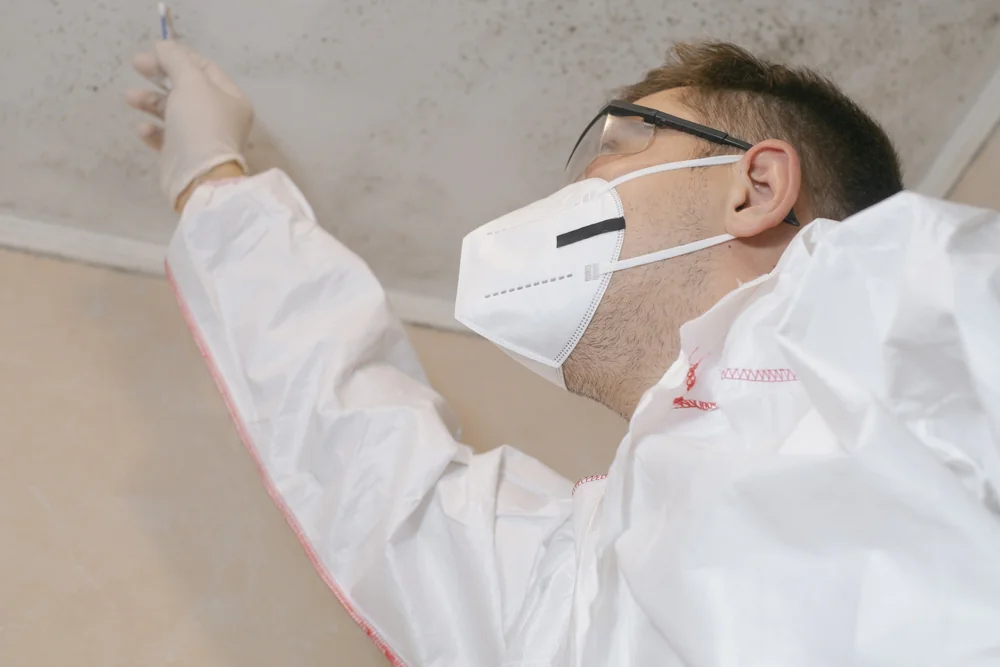
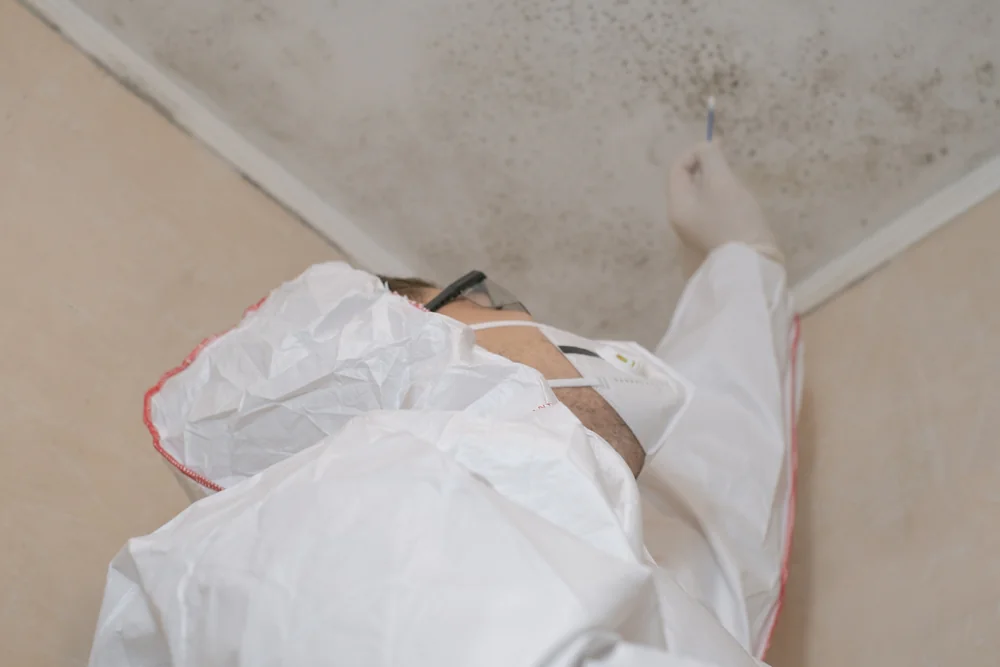
Then we start the actual inspection. Thermal imaging cameras detect temperature differences that indicate moisture behind walls. Digital moisture meters measure exact levels in materials like drywall, wood, and insulation. We check the obvious spots and the hidden ones: crawl spaces, attics, behind appliances, inside HVAC ducts.
When we find something, we take samples. Air samples measure spore concentrations. Surface samples identify specific mold species. Those samples go to a certified lab, not some in-house setup that cuts corners.
You get a detailed report within days. It includes photographs, moisture readings, lab results, and clear explanations of what we found. More importantly, it tells you what to do next. If remediation is needed, we lay out the scope and cost. If it’s minor, we explain how to handle it. No upselling. No fear tactics. Just straight information so you can make the right call for your home and budget.

Ready to get started?
Every mold inspection we do in Mozart includes a full visual assessment of your property—interior and exterior. We’re looking at basements, bathrooms, kitchens, attics, and anywhere moisture tends to accumulate. Pennsylvania homes, especially in areas like Mozart near Scranton, deal with specific challenges: older construction, fluctuating temperatures, and humidity levels that spike during summer months.
Our equipment goes beyond what most companies use. Thermal imaging identifies problem areas you can’t see. Moisture mapping shows us exactly where water is hiding. When we take samples, they’re analyzed by certified labs that identify the specific type of mold and concentration levels. That matters because not all mold is the same, and treatment approaches vary.
You also get documentation that holds up with insurance companies. Many policies cover mold inspections related to water damage claims, but you need proper reporting. We provide that. The report includes everything: findings, photos, lab results, moisture data, and remediation recommendations if needed.
Mozart’s 81.7% homeownership rate means most people here have significant equity in their properties. A professional mold detection company protects that investment. Undetected mold can reduce your home’s market value by 20% to 37%. An inspection catches it before buyers do.

A standard mold inspection in Mozart typically starts around $350 for a basic assessment of an average-sized home. That covers the visual inspection, moisture detection, and initial sampling. Larger homes or properties with multiple suspected areas will cost more, usually in the $500 to $800 range.
Here’s the cost breakdown most homeowners care about: paying $350 now versus $3,000 to $20,000 later for full remediation. Early detection isn’t just cheaper—it’s exponentially cheaper. The inspection identifies problems while they’re still manageable, before mold spreads through your HVAC system or behind multiple walls.
Some insurance policies cover mold inspections if they’re related to a covered water damage event. If you’ve had a pipe burst, roof leak, or flooding, check your policy before paying out of pocket. We provide the documentation insurance companies require, so you’re not fighting for reimbursement later.
Musty odors are the most common sign, especially in basements, bathrooms, or areas that don’t get much airflow. If you smell something earthy or damp that doesn’t go away, that’s mold releasing spores. You might not see it, but it’s there.
Health symptoms that improve when you leave your home are another red flag. Unexplained headaches, respiratory issues, persistent allergies, or skin irritation that gets better at work or on vacation—that pattern points to indoor air quality problems, and mold is a frequent culprit. About 25% of the population has a genetic predisposition that makes them more susceptible to mold-related illness.
Visible water damage means you need an inspection even if you don’t see mold yet. Discolored walls, peeling paint, warped flooring, or ceiling stains all indicate moisture intrusion. Mold establishes itself within 24 to 48 hours after materials get wet. In Mozart’s humid climate, that timeline is even tighter. If you’ve had any water event—leak, flood, overflow—get an inspection. What you can’t see is usually worse than what you can.
Most home mold inspections in Mozart take between two to four hours, depending on your property size and the number of areas we’re assessing. A small single-family home with one suspected area might be on the shorter end. A larger property with a basement, attic, and multiple moisture concerns will take longer.
The inspection itself isn’t just a quick walkthrough. We’re using thermal imaging to scan walls and ceilings, taking moisture readings in multiple locations, collecting air and surface samples, and documenting everything with photos and notes. That thoroughness is what makes the inspection valuable—you’re getting data, not guesses.
Lab results typically come back within three to five business days. Once we have those, we compile the full report with findings, analysis, and recommendations. You’re not waiting weeks. The whole process from inspection to final report usually wraps up within a week, and we’re available to walk you through the results and answer questions. If it’s an emergency situation—active water damage or severe health symptoms—we can expedite both the inspection and the lab analysis.
You can buy home mold test kits at hardware stores for $10 to $50, but they don’t give you the information you actually need. Those kits typically just tell you if mold spores are present, which isn’t useful because mold spores are present in virtually every indoor environment. What matters is the type of mold, the concentration, and the source of moisture feeding it.
Professional mold detection uses equipment most homeowners don’t own: thermal imaging cameras that cost thousands of dollars, calibrated moisture meters, and proper sampling tools. More importantly, certified inspectors know where to look. Mold hides in places that aren’t obvious—inside wall cavities, under flooring, in HVAC systems. We’ve found significant contamination in homes where owners saw nothing wrong.
The other issue is liability. If you’re selling your home in Mozart, buyers will want professional documentation, not a DIY test. If you’re filing an insurance claim, carriers require certified inspections. And if you miss something because you didn’t have the right tools or training, you’re looking at much bigger problems down the road. A professional black mold inspection costs a few hundred dollars. Missing a problem that turns into a $15,000 remediation job costs a lot more.
First, don’t panic. Finding mold during an inspection is better than finding it during a real estate transaction or after it’s made your family sick. The report will tell you exactly what type of mold we found, where it’s located, and how extensive the contamination is. Not all mold requires professional remediation—small surface areas under 10 square feet can often be cleaned by homeowners using proper safety precautions.
If the contamination is more extensive, we’ll provide a detailed remediation plan with transparent pricing. That plan addresses the mold itself and the moisture source causing it. There’s no point removing mold if the leak or humidity problem that created it is still active. We fix both, or the problem comes back.
For Mozart homeowners, the good news is that early detection through professional mold inspection services keeps remediation costs manageable. Catching mold in one bathroom is a few thousand dollars. Catching it after it’s spread through your HVAC system to multiple rooms is tens of thousands. The inspection gives you options and control. You know what you’re dealing with, what it costs to fix, and you can make decisions based on real information instead of fear or guesswork.
It depends on what caused the mold. Most homeowners insurance policies in Pennsylvania cover mold remediation if it resulted from a covered peril—like a burst pipe, storm damage, or appliance malfunction. If the mold developed because of long-term neglect, poor maintenance, or chronic humidity issues you ignored, insurance typically won’t cover it.
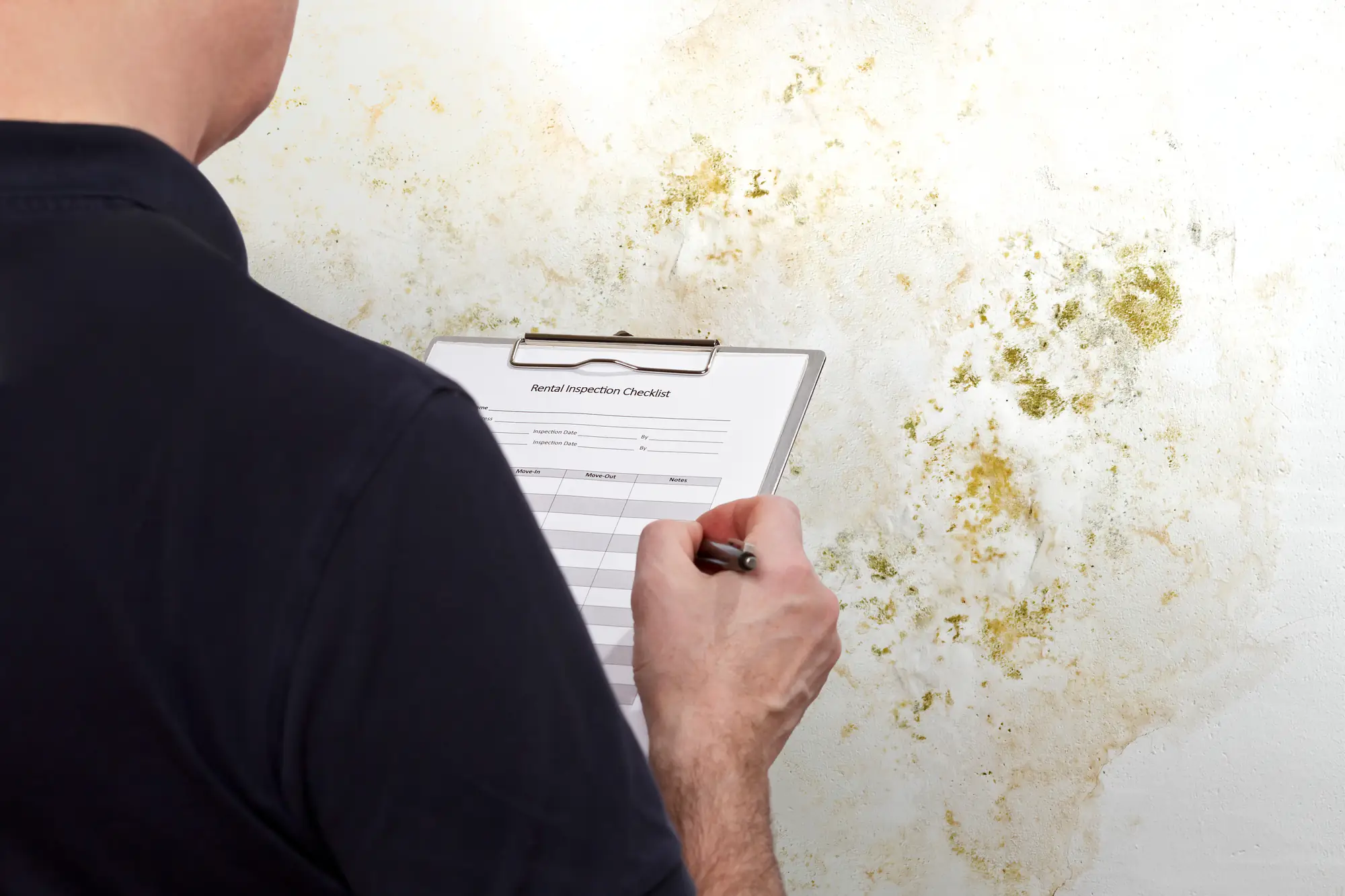
The key is documentation. Insurance companies want proof that the mold resulted from a sudden, accidental event. That’s where a professional mold inspection becomes critical. Our detailed reports include the evidence adjusters need: photos, moisture readings, lab analysis, and a clear explanation of the source. We’ve helped Mozart homeowners get claims approved because we provided documentation that met insurance standards.
Some policies have specific mold coverage limits—often $10,000 to $25,000—so check your policy details. If you’ve had any water damage event, file a claim quickly and get an inspection scheduled. Insurance companies have strict timelines, and waiting too long can disqualify your claim. We work with homeowners and adjusters regularly, so we understand what’s needed to support your claim. The inspection might be covered, the remediation might be covered, or both—but you won’t know until you file and provide proper documentation.
Other Services we provide in Mozart