
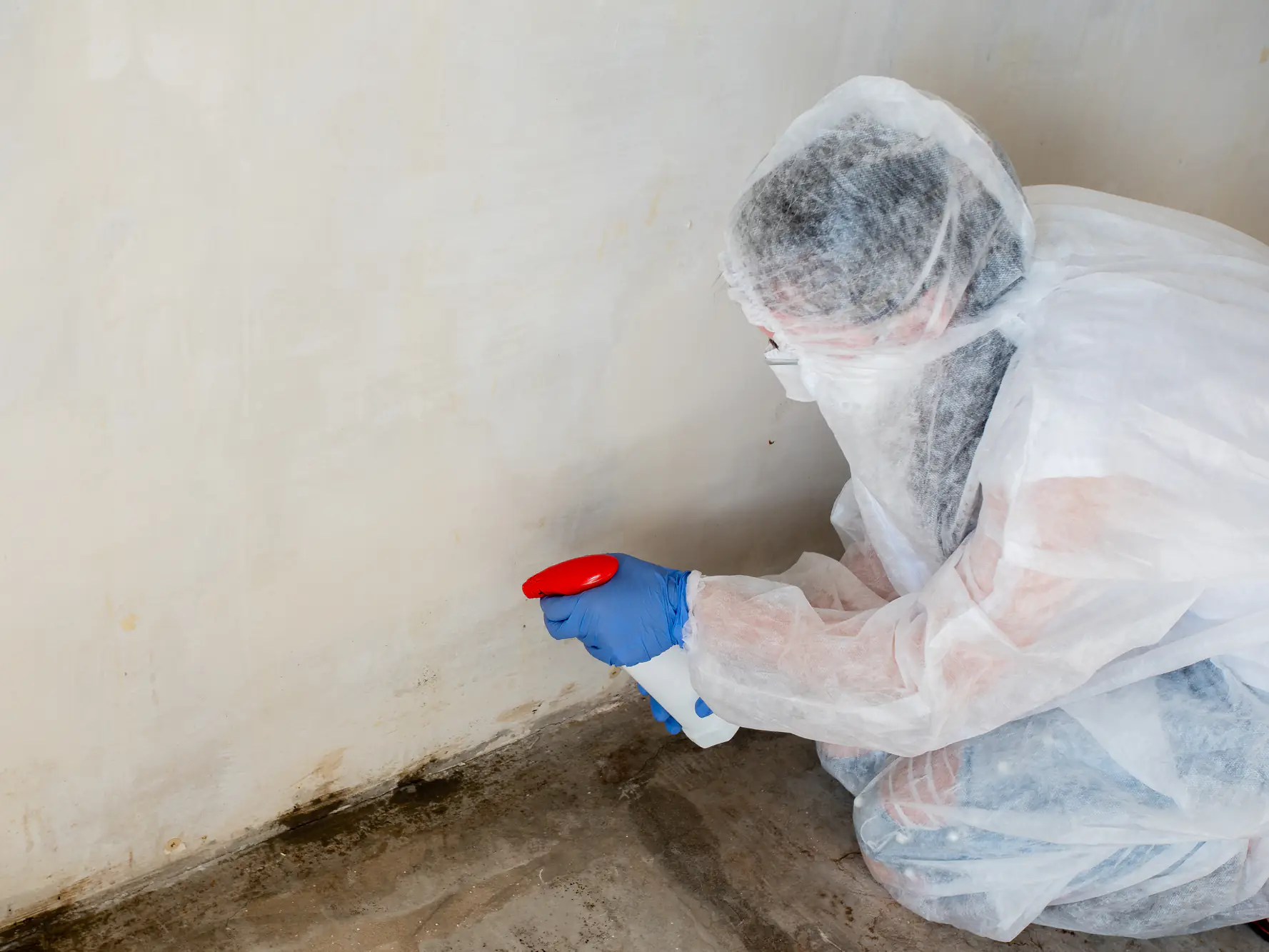
Hear from Our Customers
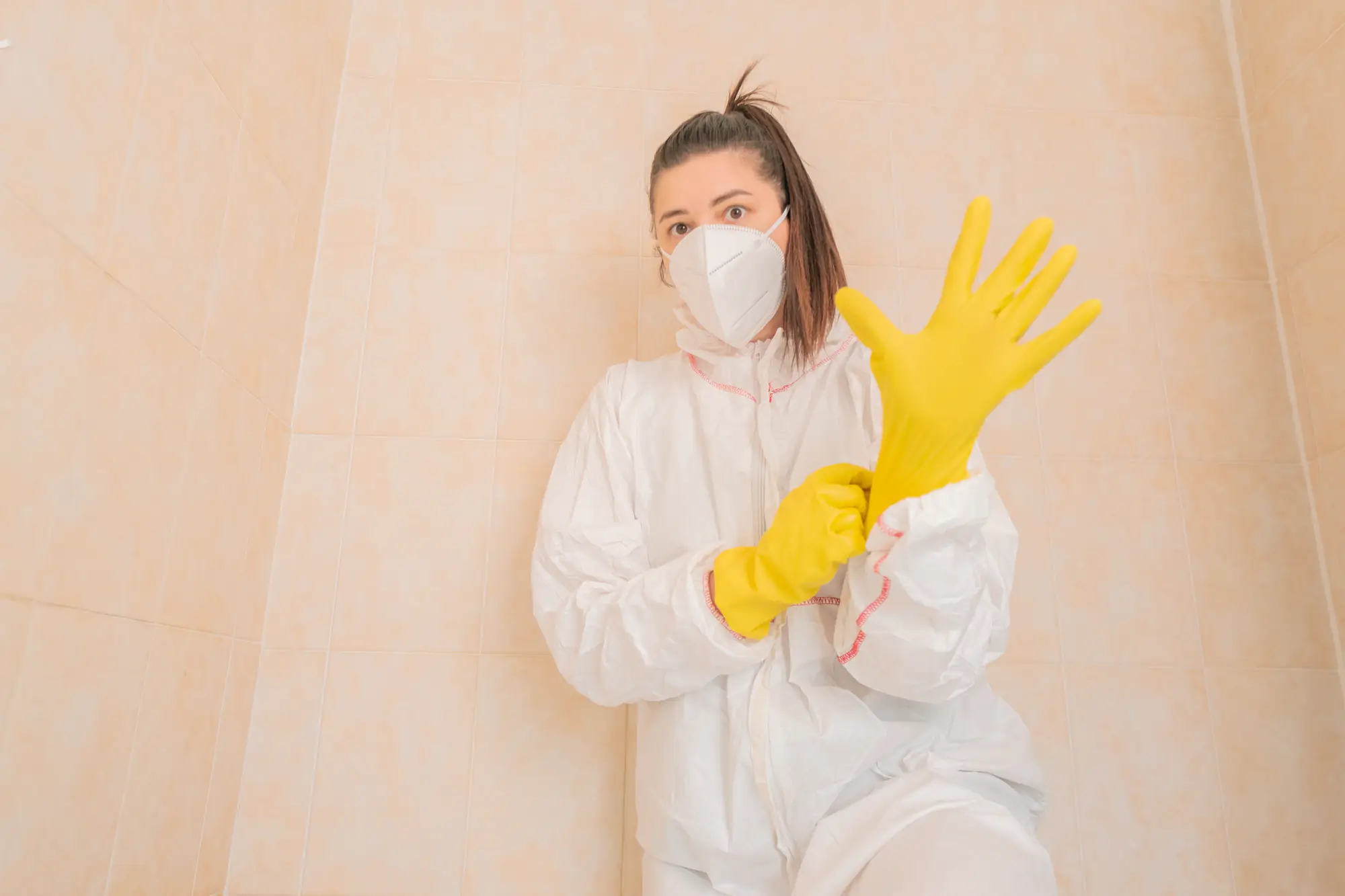
Mold isn’t just unsightly. It affects your air quality, triggers allergies, causes headaches, and wears down your respiratory system over time. You might not see it behind walls or under floors, but your body knows it’s there.
When mold gets removed the right way, the difference is immediate. No more musty smell when you walk into the basement. No more wondering if that cough is seasonal or something worse. Your home feels like yours again.
Mozart’s weather creates perfect conditions for mold growth. Humid summers, damp winters, older homes with aging pipes—it all adds up. The longer mold sits, the more it spreads and the more damage it causes to wood, insulation, and concrete. Catching it early protects both your health and your property value.
We’ve been serving Mozart and Bucks County for years. We’re IICRC-certified, which means we follow the strictest industry standards for safe mold removal. That certification matters because Pennsylvania doesn’t require mold contractors to be licensed—anyone can claim they know what they’re doing.
We’ve completed thousands of mold inspections and remediations across the area. We know how Mozart homes are built, where moisture problems typically show up, and what it takes to fix them for good. When you call, you’re working with mold and mildew experts who’ve seen it all and know how to handle it right the first time.
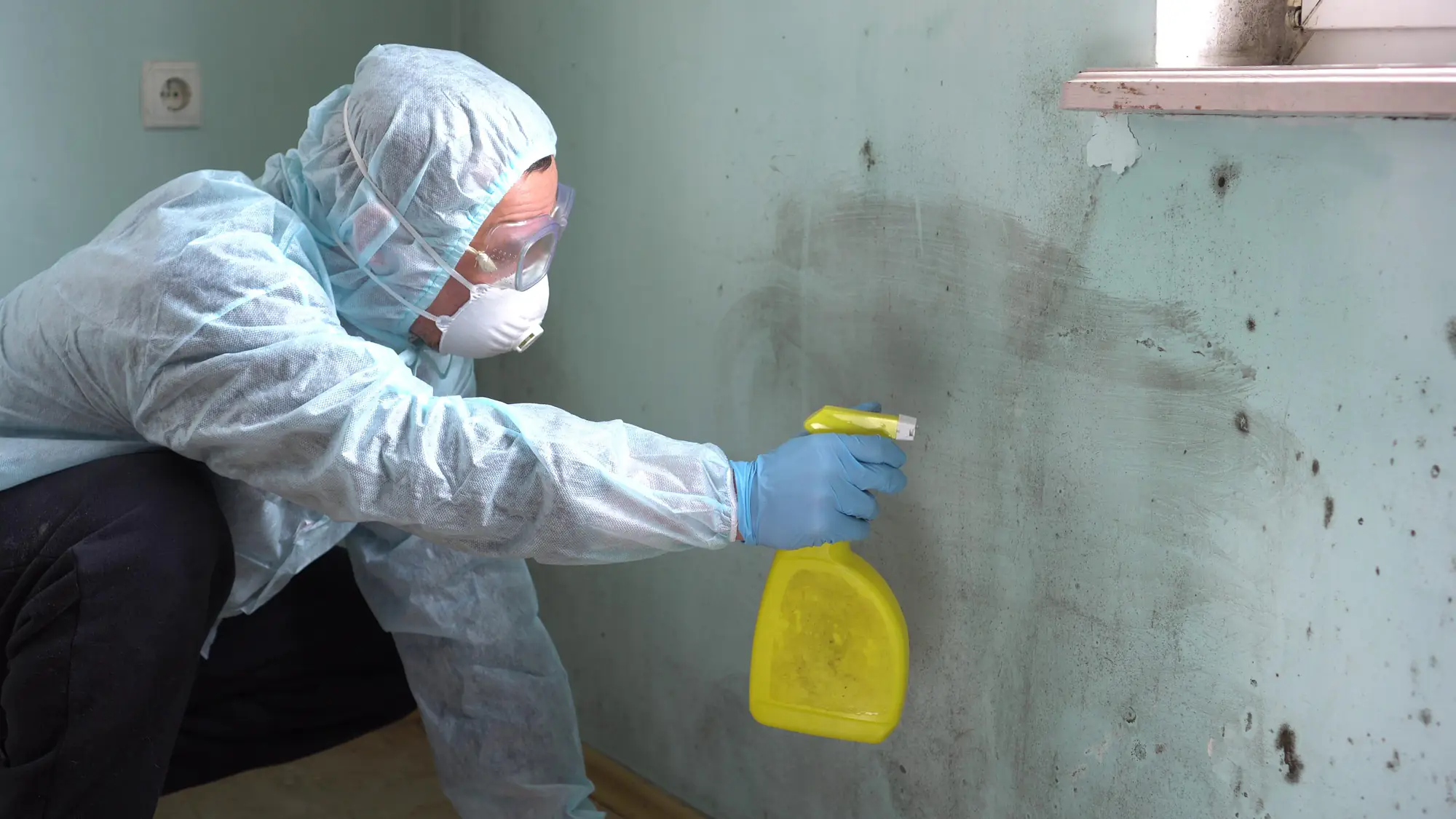
First, we come out for a free inspection. We’re looking for visible mold, but also testing for hidden growth behind walls, under floors, and in your HVAC system. We use professional-grade equipment to measure moisture levels and take air samples if needed.
Once we know what we’re dealing with, we contain the area to prevent spores from spreading during removal. We use HEPA air scrubbers and negative air pressure to keep contamination isolated. Then we remove all affected materials—drywall, insulation, whatever’s been compromised—and treat surfaces with antimicrobial solutions.
The last step is addressing the moisture source. If we don’t fix what caused the mold in the first place, it’ll just come back. That might mean improving ventilation, repairing leaks, or installing dehumidifiers. We handle it all, and we test again after to prove the mold is gone.
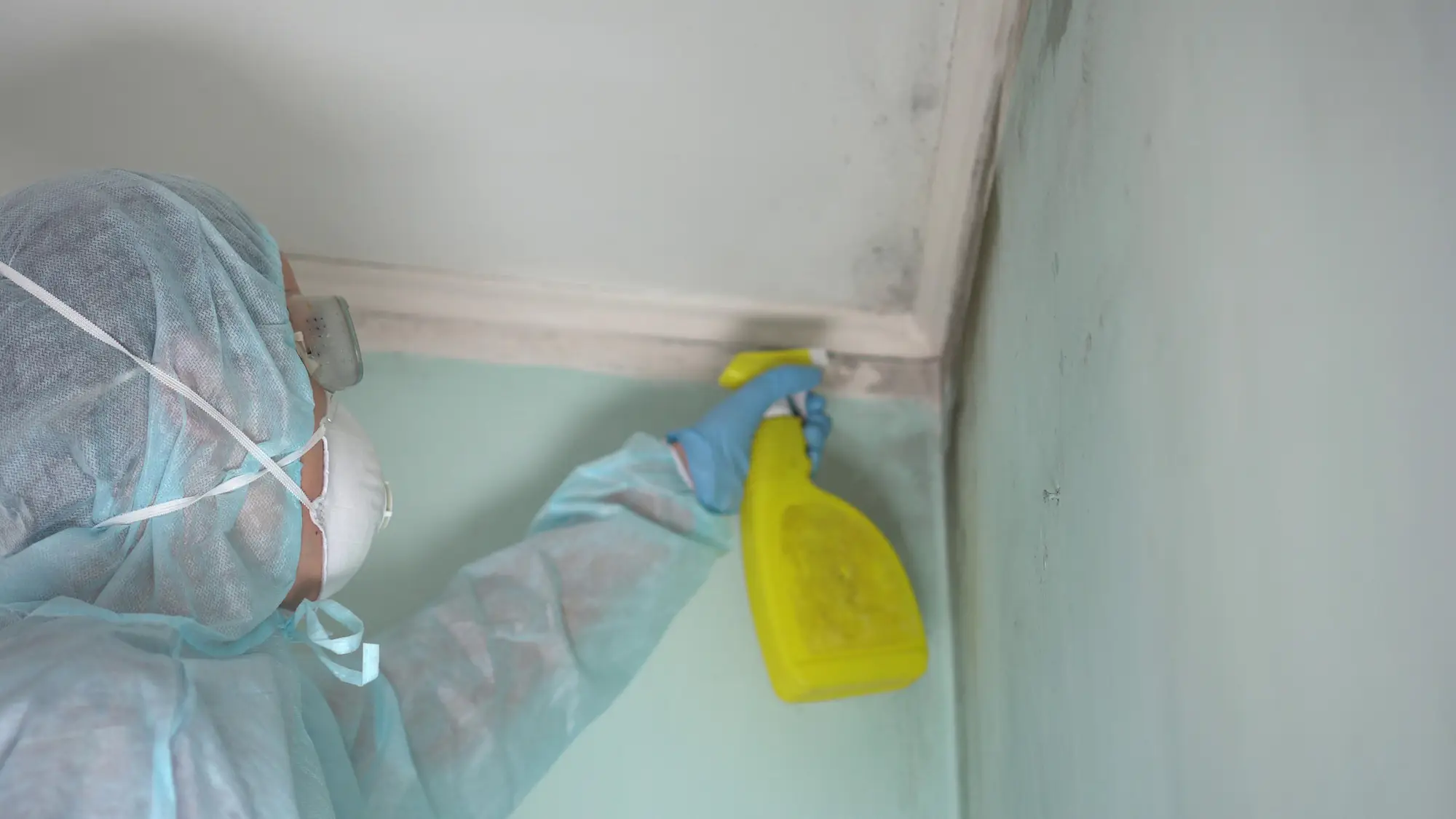
Ready to get started?
Mozart sits in an area where humidity and older housing stock create constant mold risks. Basements are below ground and naturally damp. Crawl spaces trap moisture. Attics get hot in summer and cold in winter, causing condensation. These aren’t problems you can ignore.
Most basement mold removal projects in Pennsylvania run between $1,500 and $3,500, depending on how far the mold has spread. That might sound like a lot, but compare it to the cost of replacing rotted floor joists or dealing with a lawsuit if you’re selling a home with undisclosed mold.
As a mold removal specialist, we also work directly with insurance companies when water damage is involved. Not all mold claims get covered, but if yours qualifies, we’ll handle the paperwork and documentation. We also offer financing options because waiting on mold only makes it worse and more expensive.

Mold starts growing within 24 to 48 hours after materials get wet. That’s not a lot of time, especially if you’re dealing with a burst pipe, roof leak, or flooded basement.
The clock starts as soon as water touches porous materials like drywall, carpet, insulation, or wood. If those materials don’t dry out completely within two days, mold spores that are already in the air land on the damp surfaces and start multiplying. Once that happens, you’re not just dealing with water damage anymore—you’re dealing with a mold problem.
This is why emergency response matters. The faster you dry things out, the better your chances of avoiding mold altogether. If it’s been more than 48 hours, you should assume mold has started and get a professional inspection.
Small surface mold on non-porous materials—like a little mildew on a bathroom tile—you can usually handle yourself with the right cleaner. But anything larger than a few square feet, or anything that’s gotten into porous materials like drywall or insulation, needs a professional mold removal specialist.
Here’s why: mold spreads through microscopic spores. When you scrub or tear out moldy material without proper containment, you’re launching those spores into the air. They settle everywhere, and now you’ve got mold growing in places it wasn’t before. We use HEPA vacuums, air scrubbers, and containment barriers to prevent that.
Also, visible mold is often just part of the problem. There’s usually more behind the walls or under the floor. We have the equipment to find hidden mold and the training to remove it safely without making things worse.
Mold releases allergens, irritants, and sometimes toxins into the air. For most people, that means respiratory issues—coughing, wheezing, throat irritation, nasal congestion. If you have asthma or allergies, mold makes those conditions worse.
Long-term exposure can lead to chronic sinus infections, persistent headaches, fatigue, and skin rashes. Black mold, specifically, produces mycotoxins that can cause more serious reactions in some people, especially children, elderly individuals, and anyone with a compromised immune system.
The tricky part is that symptoms often mimic other conditions, so people don’t always connect them to mold. If you feel worse at home than you do when you’re away, that’s a red flag. Mold doesn’t go away on its own, and neither do the health effects until you remove the source.
There are a few telltale signs. The most obvious is a musty, earthy smell that doesn’t go away even after you clean. That odor comes from microbial volatile organic compounds that mold releases as it grows.
You might also notice water stains, discoloration, or warping on walls and ceilings—even if you don’t see mold yet, those are signs moisture has been sitting there long enough to cause problems. Peeling paint or wallpaper is another clue. If your home feels more humid than it should, or if you’ve had past water damage that wasn’t fully dried out, hidden mold is likely.
The only way to know for sure is through professional testing. We use moisture meters, thermal imaging, and air quality tests to detect mold you can’t see. It’s common to find growth inside walls, under flooring, in HVAC ducts, and in attics or crawl spaces.
Not if the moisture problem gets fixed. Mold needs water to grow. Remove the water source, and mold can’t survive.
This is where a lot of DIY jobs and even some low-quality professionals fall short. They clean up the visible mold but ignore the leak, the poor ventilation, or the humidity issue that caused it. A few weeks later, the mold is back.
When we remove mold, we also identify and fix what’s feeding it. That might mean sealing foundation cracks, improving airflow in your crawl space, repairing plumbing leaks, or installing a dehumidifier. Once the environment is dry and stays dry, mold won’t return. We also do post-remediation testing to confirm the air quality is back to normal and the problem is actually solved.
It depends on what caused the mold. If mold resulted from a sudden, accidental event—like a burst pipe or storm damage—most homeowners insurance policies will cover the remediation. But if the mold grew because of long-term neglect, poor maintenance, or gradual leaks you didn’t fix, insurance typically won’t pay.
Pennsylvania doesn’t have specific mold coverage laws, so it comes down to your individual policy. Some policies have mold coverage caps, usually between $1,000 and $10,000. Others exclude mold entirely unless you’ve added a specific endorsement.
We work directly with insurance companies and can help you navigate the claims process. We document everything, provide detailed reports, and communicate with adjusters to make sure you get the coverage you’re entitled to. Even if insurance doesn’t cover it, we offer financing options so you can get the problem fixed now instead of waiting.
Other Services we provide in Mozart