
Hear from Our Customers
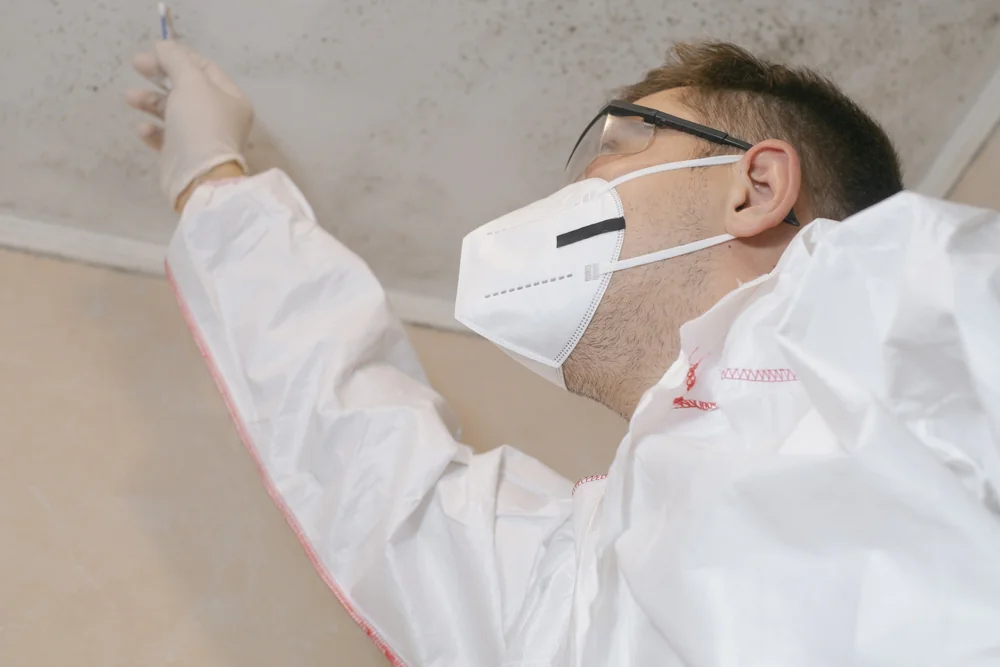
You get someone who’s seen hundreds of mold problems in Bucks County homes walk through yours and tell you exactly what’s happening. Not a sales pitch designed to scare you. Not a quick glance that misses the real issue. An actual assessment of where mold is growing, why it’s growing there, and what needs to happen next.
Most mold inspections in Yardley find problems in basements. That’s where humidity builds up during our muggy summers, where foundation walls let moisture seep through small cracks, and where poor ventilation turns a minor issue into a major one. But mold doesn’t stop at basements. It shows up behind bathroom tiles, under kitchen sinks, in attic insulation, and anywhere else water sits longer than it should.
A proper home mold inspection catches all of it. You’ll know if that musty smell is actually mold or just an old house. You’ll know if those dark spots on the ceiling are cosmetic or something that needs immediate attention. You’ll know if your family’s unexplained headaches and respiratory issues are connected to what’s growing in your walls.
And here’s what matters most: you’ll know what to do about it. Not just “remove the mold,” but fix the moisture problem that caused it so you’re not dealing with the same issue six months from now.
We serve Yardley, PA and all of Bucks County with a practical approach to mold detection and remediation. We’re not a national franchise that rotates technicians through your area. We’re local, and we’ve worked in enough homes around here to know exactly what causes mold problems in this climate.
Yardley’s older homes have specific vulnerabilities. Foundation walls that weren’t built with modern moisture barriers. Basements that flood during heavy rain. Humidity that climbs above 75% in summer and stays there. We know what to look for because we’ve fixed these problems before.
When you call for a mold inspection, you’re getting someone who understands the difference between surface mold you can wipe away and a systemic problem that requires professional remediation. That honest assessment is what keeps people from wasting money on unnecessary services or ignoring issues that will get worse.
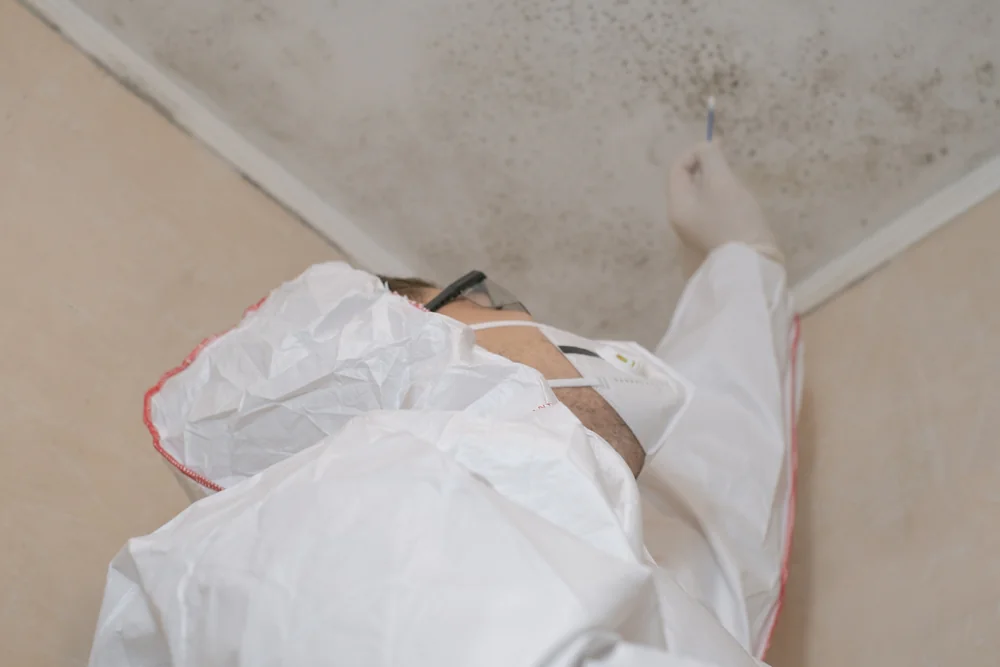
First, we look at the obvious spots. Basements, bathrooms, under sinks, around windows—anywhere moisture tends to collect. We’re checking for visible mold growth, water stains, discoloration, and that telltale musty smell that means mold is present even if you can’t see it yet.
Then we look at the less obvious spots. Behind appliances. Inside wall cavities near plumbing. In crawl spaces and attics. We use moisture meters to detect elevated moisture levels in materials that look dry on the surface. High moisture readings tell us where mold is likely growing or will start growing soon.
If we find mold, we identify the moisture source. That’s the whole point. Mold doesn’t just appear randomly. It grows because water is getting somewhere it shouldn’t, and that water issue needs to be fixed. Maybe it’s a leaking pipe. Maybe it’s condensation from poor ventilation. Maybe it’s groundwater seeping through your foundation walls—a common problem in Yardley.
After the inspection, you get a clear explanation of what we found, what it means, and what needs to happen next. If you need mold remediation, we’ll handle it. If you just need to fix a leak and improve ventilation, we’ll tell you that too. The goal is solving your actual problem, not selling you services you don’t need.

Ready to get started?
Our mold detection services include a comprehensive assessment of your entire home. We examine both visible and hidden areas where mold commonly grows in Yardley properties. That means checking your basement foundation walls for the moisture seepage issues that affect so many older homes in Bucks County. It means using professional-grade equipment to measure humidity levels and detect moisture inside walls, floors, and ceilings.
Black mold inspection gets particular attention because it’s what most homeowners worry about. Stachybotrys chartarum—the technical name for black mold—thrives in consistently damp environments. It’s not more dangerous than other molds, but it does indicate a serious moisture problem that needs immediate attention.
You’ll also get guidance on prevention. Knowing where mold is growing matters, but knowing how to keep it from coming back matters more. We’ll identify the specific conditions in your home that are creating mold-friendly environments. High humidity. Poor air circulation. Plumbing leaks. Roof damage. Foundation issues. Whatever’s causing the problem, you’ll know about it.
This is especially important in Yardley, where our climate creates nearly perfect conditions for mold growth during summer months. Indoor humidity regularly hits 75-80% without proper dehumidification. That’s well above the 60% threshold where mold starts to thrive. A good inspection doesn’t just find existing mold—it helps you prevent future growth.
We offer free mold inspections. You’re not paying for someone to walk through your home and tell you what’s wrong.
The inspection itself—the visual assessment, moisture readings, and professional opinion—costs you nothing. If you need mold remediation after the inspection, that’s a separate service with its own pricing based on the scope of work required. But you’ll know exactly what you’re dealing with before you spend a dollar.
Most mold remediation in the U.S. averages around $2,300, but costs vary widely depending on the extent of the problem. A small patch of mold in a bathroom might cost a few hundred dollars to address. Extensive mold growth throughout a basement could run several thousand. The inspection tells you where you fall on that spectrum.
Musty odors are the most common sign. If your basement, bathroom, or any room in your house smells like mildew, there’s mold growing somewhere—even if you can’t see it.
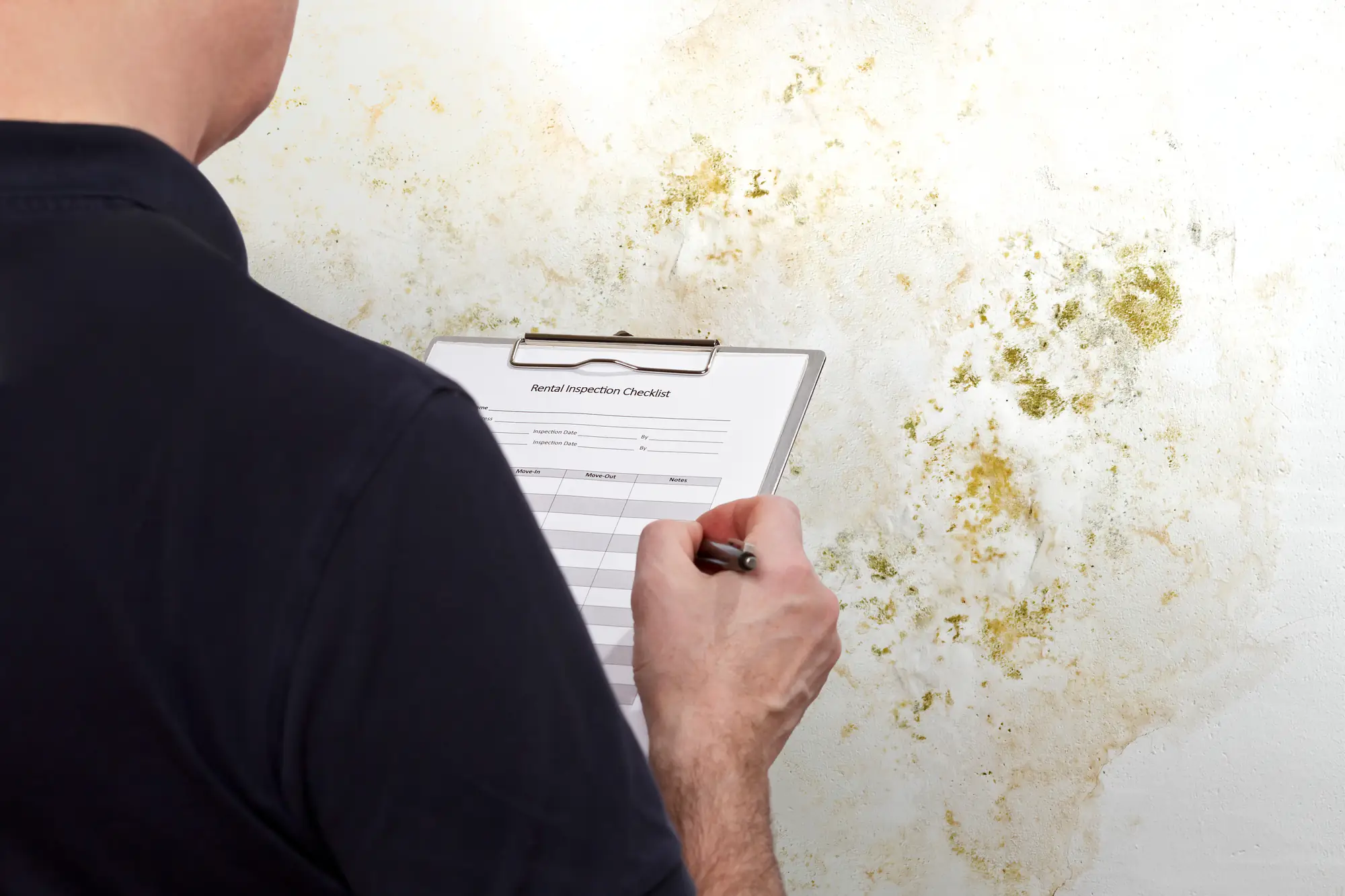
Visible mold growth is obvious, but most people call us before it gets that far. They notice dark spots on walls or ceilings. Discoloration around windows. Peeling paint or wallpaper. Water stains that won’t dry. These are all indicators that moisture is present and mold is either growing or about to start.
Health symptoms matter too. Unexplained respiratory issues, persistent headaches, allergic reactions that get worse at home—these can all be connected to mold exposure. If your family’s health improves when you leave the house and declines when you come back, that’s worth investigating. Mold contributes to 4.6 million asthma cases annually in the U.S., and removing it can reduce symptoms by 25-45%.
Most home mold inspections take one to two hours, depending on the size of your property and how many areas need close examination.
We’re not rushing through your house checking boxes on a form. We’re looking at every area where mold commonly grows, measuring moisture levels, identifying potential problems, and figuring out what’s causing any issues we find. That takes time to do properly.
Larger homes take longer. Homes with basements, crawl spaces, and attics take longer. Homes where we find multiple problem areas take longer because we need to trace each issue back to its source. But you’ll have answers by the time we leave. No waiting days for a report. No vague assessments that leave you wondering what to do next. Just a clear explanation of what’s happening in your home and what needs to happen next.
You can look for visible mold yourself, but you’ll miss most of the problem. Mold grows in places you can’t easily see—inside walls, under flooring, behind appliances, in HVAC systems.
Professional mold detection uses equipment you don’t have sitting in your garage. Moisture meters that measure water content inside building materials. Thermal imaging cameras that identify temperature differences indicating moisture intrusion. Borescopes that let us see inside wall cavities without tearing them apart. This equipment finds problems before they become obvious, which is when they’re easiest and cheapest to fix.
There’s also the knowledge gap. Seeing mold is one thing. Understanding why it’s growing there and how to fix the underlying cause is another. About 40% of homeowners say they’d try to handle mold themselves, but most end up calling professionals after their DIY attempts fail. Mold keeps coming back because the moisture source wasn’t addressed. Save yourself the time and frustration—get it done right the first time.
We explain what we found, where it’s growing, and why it’s there. Then we talk about what needs to happen to fix it.
Small, isolated mold growth might be something you can address yourself once the moisture source is fixed. Larger problems require professional mold remediation to ensure all mold is removed and the area is properly treated to prevent regrowth. We’ll tell you which category your situation falls into.
If remediation is needed, we handle it using industry-standard equipment and techniques. That means containment to prevent mold spores from spreading during removal. HEPA filtration to clean the air. Proper disposal of contaminated materials. Treatment of affected surfaces. And most importantly, fixing the moisture problem so mold doesn’t return. We keep you informed throughout the process, but we also move quickly—because mold can start growing within 24-48 hours in Yardley’s humid climate.
Yes. A home’s resale value can drop 20-37% because of mold issues, and about 50% of interested buyers walk away after learning a property had a mold problem.
That’s why getting a mold inspection before listing your home makes sense. Finding and fixing problems now means you’re not negotiating from a weak position later. Buyers will likely request their own inspection anyway, and they’ll use any mold they find as leverage to reduce their offer or demand you fix it before closing.
Even if you’re not selling soon, mold affects your investment. It damages building materials, weakens structural components, and creates health issues that make your home less comfortable to live in. The longer it grows unchecked, the more expensive remediation becomes. Nearly 47% of residential buildings show visible mold or detectable mold odor—don’t let yours become part of that statistic.
Other Services we provide in Yardley