
Hear from Our Customers
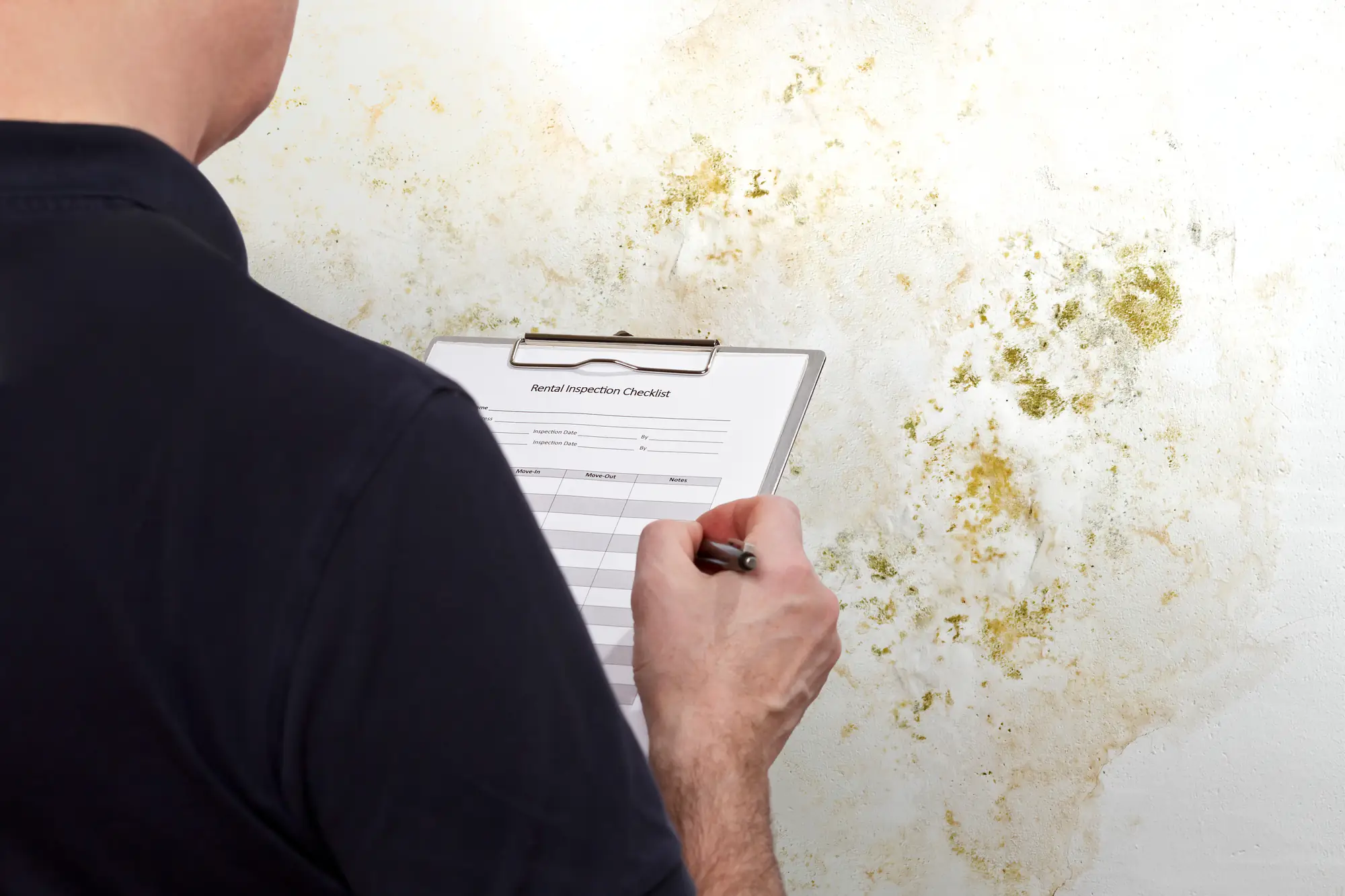
You can’t fix what you can’t see. Mold hides in wall cavities, under flooring, behind appliances, and in attics where moisture sits unnoticed for months. By the time you smell it or see discoloration, it’s already established.
A proper mold inspection gives you the full picture. You’ll know exactly where mold is growing, what type it is, and what’s causing it. That means no guessing, no wasted money treating the wrong areas, and no surprises during a real estate transaction.
In Dolington and throughout Bucks County, homes deal with humid summers and damp winters—conditions that turn small leaks into serious mold problems fast. Our inspections use advanced detection tools to find mold even in hidden spaces, so you can address it early before it affects your air quality or your property value.
We operate right here in Bucks County. We understand the moisture challenges that come with Pennsylvania’s climate—the basements that never quite dry out, the attics with poor ventilation, the crawl spaces that flood every spring.
We’re not a national franchise following a script. We’re a local mold detection company that knows what causes mold in Dolington homes because we’ve seen it hundreds of times. Our team uses EPA-approved methods and the kind of equipment that actually finds mold, not just the obvious stuff you could spot yourself.
You’ll get a detailed report of what we find, where the moisture is coming from, and what needs to happen next. No upselling. No scare tactics. Just clear information so you can make the right call for your home.
First, we walk through your home and talk about what you’ve noticed—musty smells, water damage, health symptoms, or just general concern. That conversation tells us where to focus.
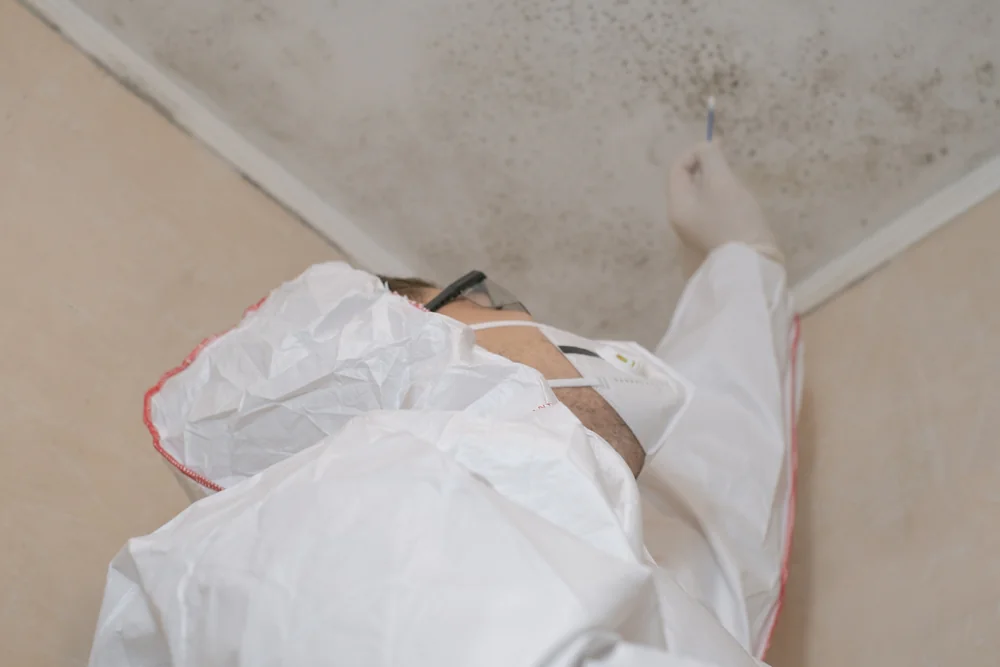
Then we inspect the entire property, including areas you probably don’t check often. We’re looking at basements, crawl spaces, attics, behind appliances, around windows, and anywhere moisture tends to collect. We use moisture meters and thermal imaging to detect hidden water intrusion that leads to mold growth.
If we find mold or conditions that support it, we’ll test to identify the type. Some molds are more problematic than others, and knowing what you’re dealing with matters for remediation. We also trace the source—whether it’s a roof leak, poor ventilation, plumbing issue, or humidity problem.
You’ll get a full report with photos, moisture readings, and our recommendations. If remediation is needed, we’ll explain what that looks like and give you a clear estimate. If it’s something you can handle yourself, we’ll tell you that too.

Ready to get started?
Every inspection covers your entire home—not just the area where you think there’s a problem. Mold spreads, and the visible growth is often just part of the issue.
We check basements and crawl spaces where moisture accumulates. We inspect attics where roof leaks and poor ventilation create ideal conditions. We examine bathrooms, kitchens, laundry rooms, and anywhere plumbing runs through walls. We also look at HVAC systems, which can circulate mold spores throughout your home if contaminated.
In Dolington, older homes are common, and many have ventilation issues or outdated moisture barriers. We know what to look for in these properties. Bucks County’s climate—with precipitation up 5% to 10% in recent years—means more moisture problems and more mold growth. Spring and summer are peak seasons, but winter moisture damage often goes unnoticed until it’s worse.
Our inspections also include documentation that’s useful if you’re buying or selling a home, filing an insurance claim, or just want peace of mind. You’ll know exactly what’s happening in your house and what it’ll take to fix it.

If you’ve had any water damage—roof leaks, burst pipes, flooding, even persistent condensation—you should get an inspection. Mold starts growing within 24 to 48 hours of water exposure, and it doesn’t need much moisture to thrive.
Other signs include musty odors that don’t go away, visible discoloration on walls or ceilings, health symptoms like sinus issues or headaches that improve when you leave the house, or a failed home inspection during a real estate transaction. Even if you don’t see mold, that doesn’t mean it’s not there. It often grows inside walls, under flooring, or in attics where you’re not looking.
In Dolington and Bucks County, the humid climate makes mold more likely. If your home is older, has a basement that feels damp, or has had any moisture issues in the past, an inspection gives you the facts. It’s better to know early than to deal with a bigger problem later.
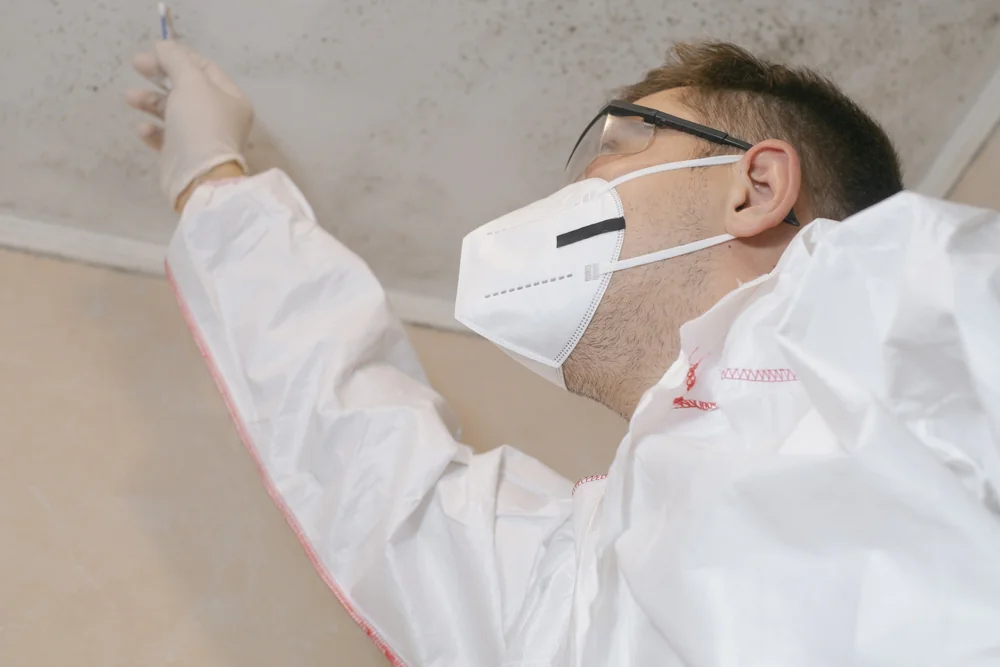
A mold inspection is a visual assessment of your property to find mold growth and the moisture sources causing it. We look for visible mold, check for hidden growth using tools like moisture meters and thermal imaging, and identify problem areas.
Mold testing goes a step further. We take samples—either from visible mold or from the air—and send them to a lab to identify the specific type of mold present. This is useful because some molds are more harmful than others, and knowing what you’re dealing with helps determine the right remediation approach.
Not every inspection requires testing. If we find obvious mold growth, the priority is removing it and fixing the moisture problem, regardless of the type. But if you’re experiencing health symptoms, if there’s a musty smell with no visible mold, or if you need documentation for insurance or legal reasons, testing makes sense. We’ll recommend it only if it actually helps your situation.
Small areas—less than 10 square feet—can sometimes be cleaned with the right products and precautions. But if the mold covers a larger area, is inside walls or HVAC systems, or keeps coming back, DIY removal usually makes things worse.
Mold releases spores when disturbed. Without proper containment and filtration, you can spread those spores throughout your home, contaminating areas that were previously clean. You also need to address the moisture source, or the mold will just grow back. Most DIY attempts miss the root cause.
Professional mold remediation uses HEPA filtration, containment barriers, and EPA-approved cleaning agents to remove mold safely. We also identify and fix what’s causing it—whether that’s a leak, ventilation issue, or humidity problem. In Bucks County, where moisture issues are common, getting it done right the first time saves you money and protects your home long-term.
We offer free mold inspections, so there’s no cost to get a thorough assessment of your property. We’ll inspect your home, identify any mold growth or moisture problems, and give you a detailed report of what we find.
If testing is needed to identify the type of mold, there may be a lab fee, but we’ll discuss that with you first. If remediation is necessary, we’ll provide a clear estimate before any work begins. You’ll know exactly what it costs and what’s included.
The bigger cost is ignoring mold. It damages your home, lowers property value, and can cause serious health problems. Catching it early through an inspection means smaller repairs and fewer headaches. In Dolington, where real estate transactions often hinge on home inspections, knowing your mold status before listing or buying can save you thousands.
Most inspections take one to two hours, depending on the size of your home and how much area we need to cover. We’re thorough, so we don’t rush through it.
We’ll inspect your basement, attic, crawl spaces, bathrooms, kitchen, and any other areas where moisture or mold might be present. If we find something that needs a closer look—like hidden moisture behind a wall—that can add time, but it’s worth it to get the full picture.
After the inspection, we’ll walk you through what we found and answer your questions on the spot. You’ll receive a detailed report shortly after, including photos, moisture readings, and our recommendations. If remediation is needed, we can usually start within a few days. We’re available 24/7 for urgent situations where mold is actively spreading or causing health concerns.
A mold inspection itself doesn’t affect your home’s value—it just tells you what’s there. What affects value is unaddressed mold that shows up during a buyer’s inspection. That can kill a deal fast or force you into last-minute negotiations where you have no leverage.
Getting your own inspection before listing gives you control. If there’s mold, you can remediate it properly and disclose it transparently, which buyers appreciate. If there’s no mold, you have documentation that reassures buyers and speeds up the transaction.
In Bucks County, mold is one of the most common deal-breakers in real estate. Buyers are cautious, and their inspectors are trained to find it. Knowing your home’s mold status ahead of time protects your sale price and keeps the process moving. It’s a small step that prevents big problems when you’re trying to close.
Other Services we provide in Dolington