
Hear from Our Customers
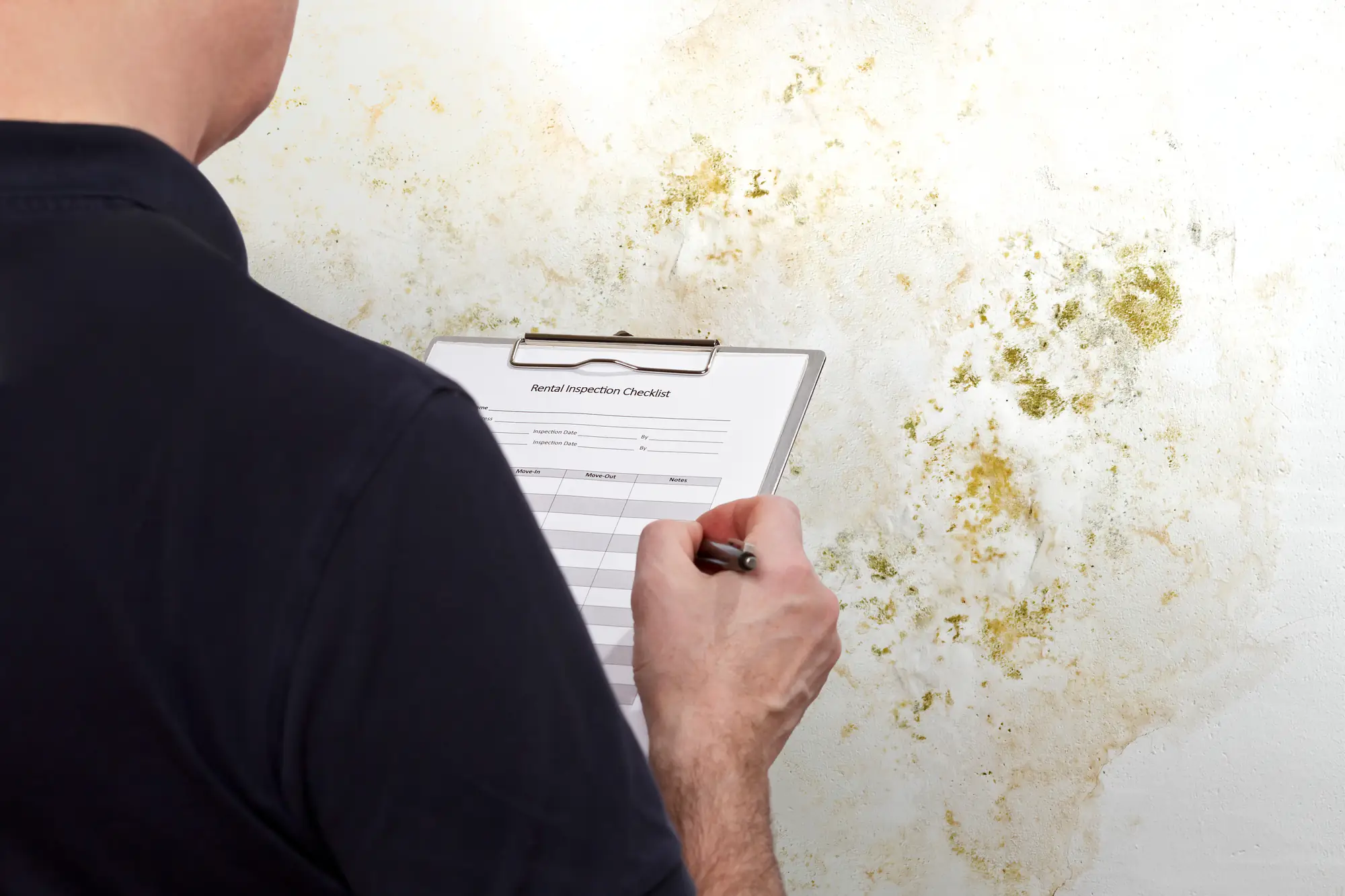
You’re not looking for someone to tell you what you already know. You need to understand where the mold is, why it’s growing, and what happens if you don’t address it.
A professional mold inspection gives you that clarity. We check the areas where mold typically hides in Bucks County homes—basements with groundwater issues, crawl spaces that stay damp year-round, and HVAC systems that circulate spores you can’t see. You get a detailed report that shows what’s happening, where the moisture is coming from, and what needs to happen next.
This isn’t about scaring you into unnecessary work. It’s about giving you the information to make a smart decision. Some mold problems need immediate attention. Others can wait while you address the moisture source first. Either way, you’ll know what you’re dealing with instead of guessing.
Mack’s Mold Removal is locally owned and based right here in Bucks County. We understand how Pennsylvania’s humid summers and wet winters create perfect conditions for mold growth—especially in Sundale, where clay soil and high groundwater tables make basement moisture a constant battle.
When local insurance companies need reliable documentation, they call us. When other contractors find mold during a renovation, they refer their clients to us. That’s not because we’re the cheapest option—it’s because we find what others miss and we document everything properly.
Our team uses EPA-approved methods and follows Pennsylvania regulations for mold assessment. We’re licensed, trained, and we’ve seen every type of mold problem this area throws at homeowners.
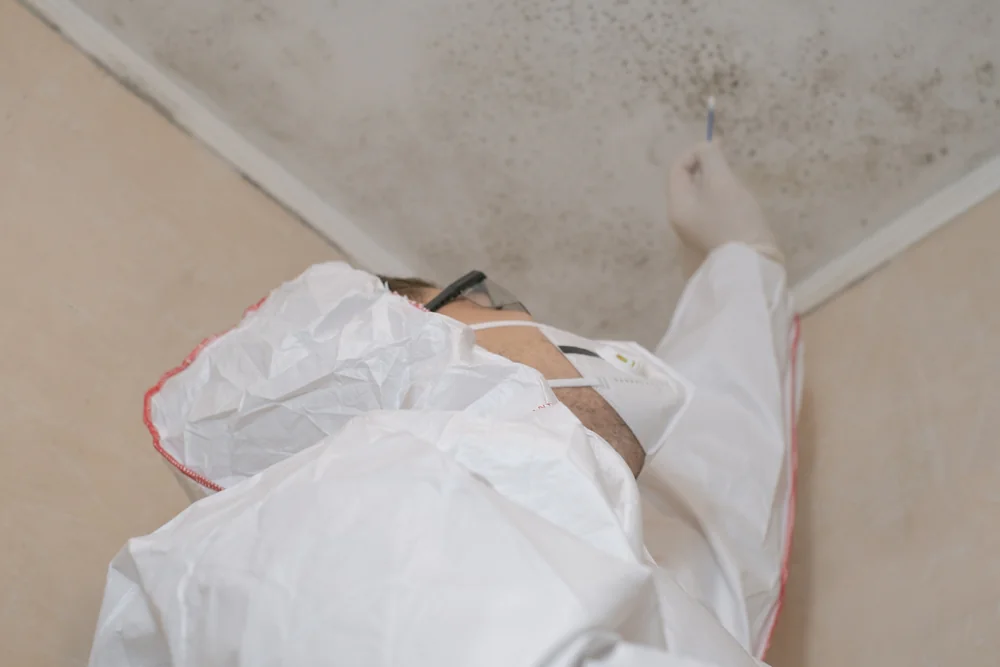
We start with a visual assessment of your property, looking for obvious signs like discoloration, water stains, or musty odors. But visible mold is only part of the story.
Next, we use moisture meters to measure humidity levels in walls, floors, and ceilings. High moisture readings tell us where mold is likely growing even if you can’t see it yet. We also use thermal imaging to identify temperature differences that indicate water intrusion or poor ventilation—the root causes that let mold take hold in the first place.
If we find suspect areas, we take air samples and surface samples to determine what type of mold you’re dealing with. Not all mold requires the same response, and testing helps us give you accurate recommendations instead of guessing.
You get a written report within a few days that breaks down our findings, shows you where the problems are, and explains what needs to happen. If remediation is necessary, we’ll walk you through the process. If the issue is minor, we’ll tell you that too.

Ready to get started?
Every home mold inspection includes a thorough visual assessment of your property, moisture testing with calibrated meters, and thermal imaging to detect hidden water intrusion. We check basements, crawl spaces, attics, bathrooms, and HVAC systems—the areas where mold problems start in Sundale homes.
Pennsylvania’s precipitation has increased 5% to 10% in recent years, which means more water in your basement, more humidity in your crawl space, and more mold growth throughout Bucks County. We look for the signs that other inspectors miss because we know what this climate does to homes over time.
You also get air quality testing if we suspect airborne mold spores, plus surface sampling from any areas that show visible growth or discoloration. The lab analysis identifies the specific mold species, which matters when you’re deciding how to respond.
Our detailed report includes photos, moisture readings, lab results, and clear recommendations. If you’re buying or selling a home, this documentation satisfies Pennsylvania’s disclosure requirements. If you’re dealing with a health issue or an insurance claim, you’ll have everything you need to move forward.
If you can see mold growing on surfaces and you know where the moisture is coming from, you might not need a full inspection. You need removal and you need to fix the leak or humidity problem causing it.
But if you’re smelling something musty and can’t find the source, if you’ve had water damage and want to know whether mold started growing, or if you’re experiencing unexplained respiratory issues at home, an inspection makes sense. It tells you whether you actually have a mold problem, where it’s located, and how extensive it is.
A lot of people skip the inspection and go straight to remediation, which can work if the problem is obvious. But you might end up treating the wrong area or missing hidden growth that keeps coming back. A black mold inspection gives you a clear picture before you spend money on a solution.
A home inspector looks at the overall condition of a property—structure, systems, safety issues. They’ll note visible mold if they see it, but they’re not trained to assess mold growth, test for spore levels, or identify the moisture conditions that cause it.
A certified mold inspector uses specialized equipment like thermal imaging cameras and moisture meters to find mold you can’t see. We’re looking specifically for mold growth, water intrusion, and humidity problems. We take samples, send them to a lab, and give you a detailed analysis of what’s happening.
If you’re buying a home in Sundale and the home inspector mentions possible mold or moisture issues, that’s your cue to call a mold detection company. We’ll dig deeper and give you the information you need to negotiate repairs or walk away from a bad situation.
Most mold inspections take two to three hours depending on the size of your home and how many areas we need to check. A small condo with one suspect area might take an hour. A larger home with a basement, crawl space, and attic could take closer to four hours.
We’re not rushing through it. We’re checking moisture levels in multiple locations, using thermal imaging to scan walls and ceilings, taking air samples, and documenting everything with photos. If we find something that needs a closer look, we take the time to investigate it properly.
You’ll get the lab results and written report within a few days. If it’s an urgent situation—like you’re in the middle of a real estate transaction or dealing with a health emergency—we can prioritize your report and get it to you faster.
An inspection doesn’t remove mold. It identifies where mold is growing and what’s causing it. If you don’t address both the mold and the moisture source, yes, it will grow back.
That’s why our mold detection services focus on finding the root cause, not just pointing out the obvious growth. We measure humidity levels, check for leaks, and look at ventilation issues. You need to know why the mold is there so you can prevent it from returning after remediation.
In Bucks County, the most common causes are basement moisture from groundwater, poor ventilation in bathrooms and kitchens, and HVAC systems that aren’t controlling humidity properly. Fix those issues along with removing the mold, and you won’t be dealing with the same problem six months later.
No. A mold inspection is non-invasive and doesn’t create any safety issues for you or your family. We’re not disturbing mold growth or releasing spores into the air—we’re testing and documenting what’s already there.
You’re welcome to stay and follow along if you want to see what we’re finding in real time. A lot of homeowners appreciate seeing the moisture readings and thermal images as we go through the house. It helps you understand what’s happening and why we’re recommending certain next steps.
The only time you’d need to leave is during actual mold remediation, which involves containment, removal, and cleaning. That’s a separate process that happens after the inspection if our findings show it’s necessary.
The term “toxic mold” gets thrown around a lot, but it’s not really accurate. Certain molds produce mycotoxins under specific conditions, and those can cause health problems. But whether a mold is dangerous depends on the type, the concentration, and your individual sensitivity to it.
Our mold detection services include lab testing that identifies the specific species of mold in your home. The lab report will tell you whether it’s a type known to produce mycotoxins, like Stachybotrys (often called black mold). That gives you useful information, but it doesn’t mean you should panic or assume you’re safe based on the species alone.
What matters more is the extent of the growth and your exposure to it. Any mold growing indoors is a problem that needs to be addressed. Some types are more concerning than others, but you shouldn’t be living with mold growth regardless of what the lab results say.
Other Services we provide in Sundale