

Hear from Our Customers
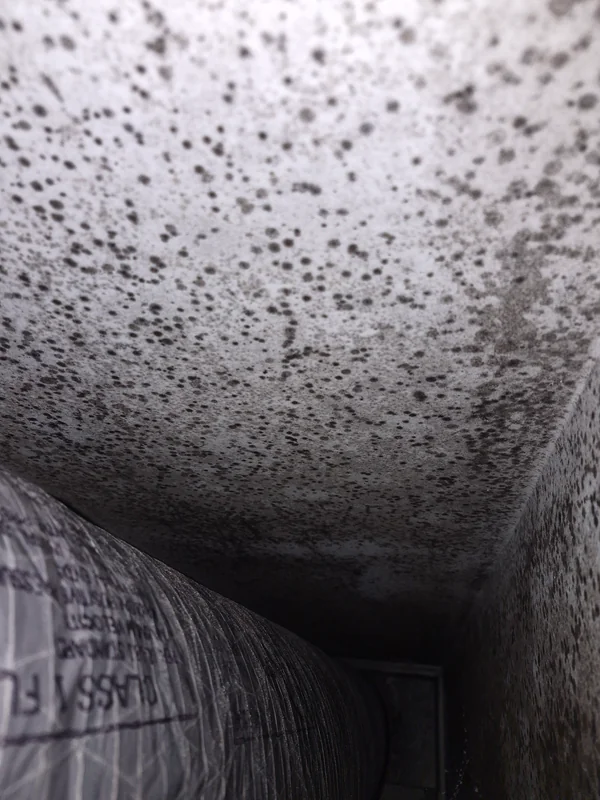
Most air duct cleaning companies show up with a vacuum and leave you guessing. What you actually need especially in a Sundale home near the Delaware River corridor is someone who can tell you whether what’s in your ducts is dust or something that’s been growing there since the last time Tinicum Creek flooded your crawl space. Those are two very different problems, and they require two very different approaches.
Homes in and around Sundale tend to be older, often built from stone, and retrofitted with HVAC systems that were never part of the original design. That means ductwork running through uninsulated spaces, connections that don’t seal perfectly, and interior sections that stay damp long after the weather dries out. When a certified mold specialist cleans those ducts not just a general technician you get an assessment of what’s actually there, not just a cleaned register and a handshake.
The result is air that doesn’t carry the signature of your basement. For a household where someone deals with allergies, asthma, or just wakes up feeling like the house is stuffy no matter what, that shift is immediate and real. Because we test after the job not just during you have documentation that the work held up, not just a promise that it did.
We’ve been working across Bucks County for over 15 years, including the rural upper Bucks corridor where Sundale sits. That includes the older stone farmhouses along Route 32, the creek-adjacent properties near Erwinna, the homes tucked back from the river that still feel its humidity every spring and fall. This isn’t a franchise. There’s no call center routing your job to whoever’s available. When you call, you’re reaching the people who actually do the work.
What separates us from a standard duct cleaning company is our mold remediation background. Certified inspectors, lab-tested samples, and post-cleaning verification aren’t add-ons they’re how every job gets done. For a Tinicum Township homeowner whose property sits near the Frankenfield Covered Bridge corridor or along the Delaware Canal, that level of accountability isn’t optional. It’s the whole point.
We also work directly with insurance companies when water events or mold discoveries become a claim situation, which matters more in flood-adjacent communities than most service providers acknowledge.
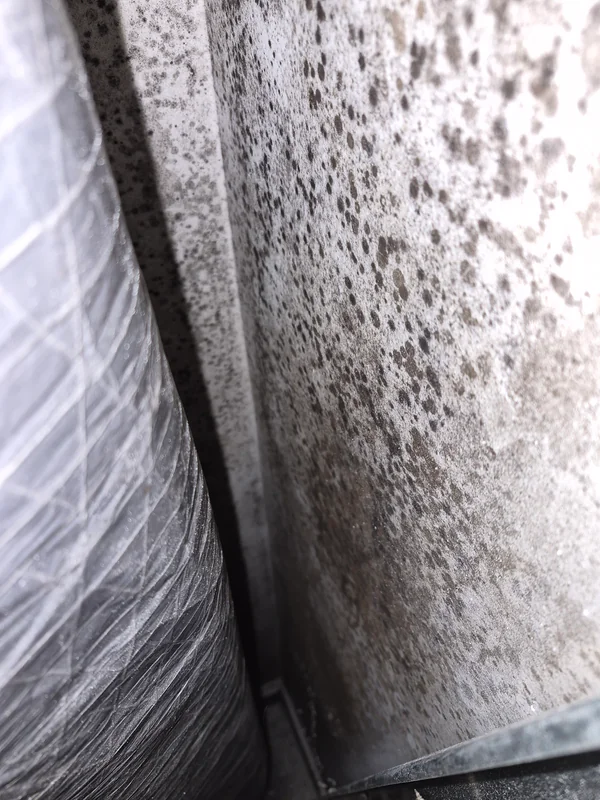
It starts with a free inspection. Before anything gets cleaned, a certified inspector looks at what’s actually in your system not just the registers you can see, but the interior duct sections, the connection points, and any areas where moisture has had a chance to settle. In a Sundale home with a fieldstone foundation or a crawl space that sits close to grade, that inspection often turns up things that a standard duct cleaning company would miss entirely because they’re not trained to look for them.
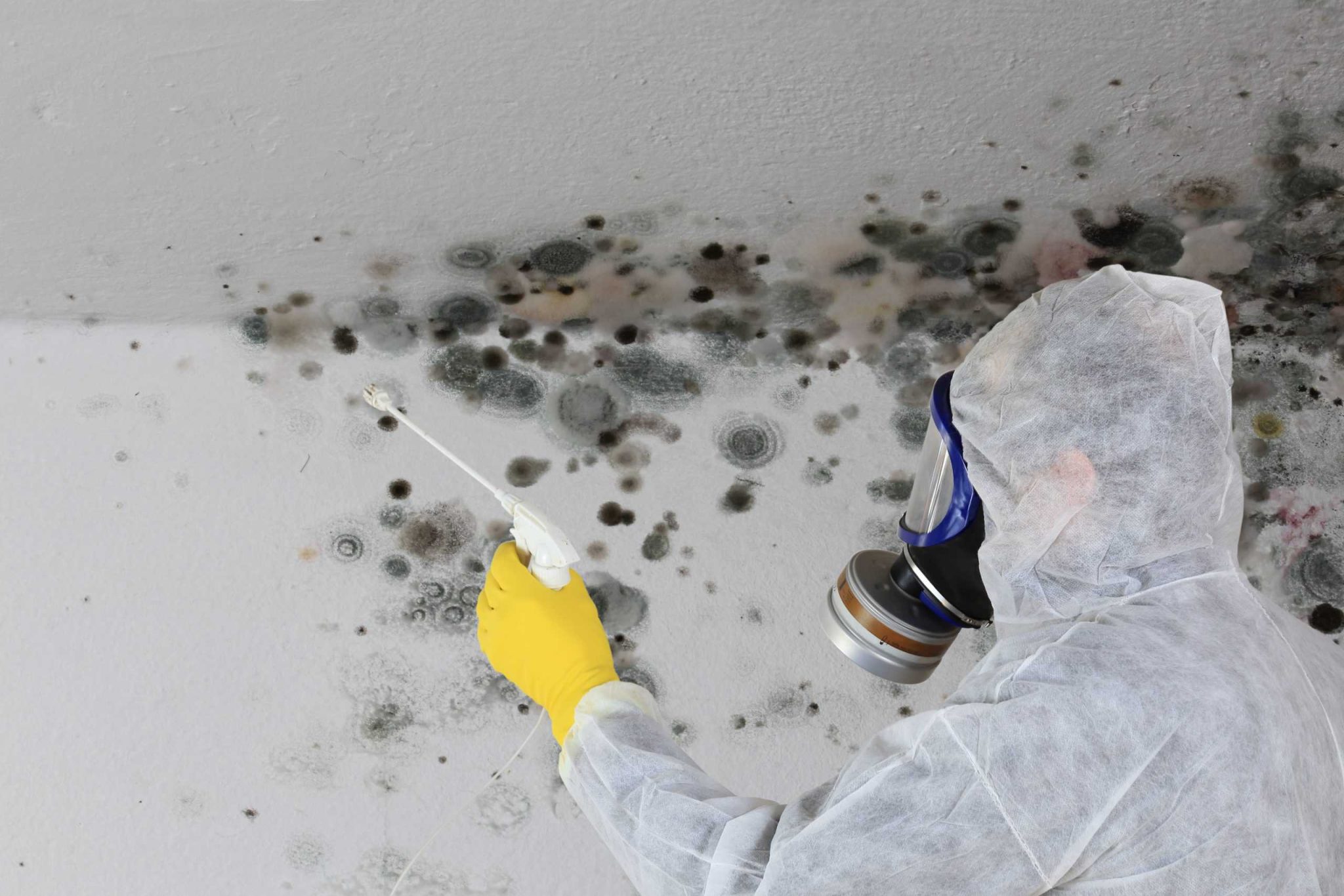
If mold is present, we contain it before it gets disturbed. This is the part that matters most and that most general duct cleaners skip. Disturbing mold without containment in an older home especially one with open ductwork running through multiple levels spreads spores rather than removes them. We use proper containment protocols before any cleaning begins, then mechanically clear the system and apply air duct sanitizing treatment when the situation calls for it.
After the work is done, the affected areas get tested. Samples go to a lab. You get confirmation that the mold is gone not just that the ducts look cleaner. For homes along the river and creek corridors of Tinicum Township, where moisture conditions don’t fully disappear between seasons, that post-cleaning verification is the only way to know the job actually worked.
Ready to get started?
Air duct cleaning in a 1990s subdivision and air duct cleaning in a 200-year-old stone farmhouse near Sundale are not the same job. The ductwork configurations are different, the moisture exposure is different, and the likelihood of biological contamination not just dust is significantly higher in homes that have dealt with periodic flooding, crawl space saturation, or HVAC systems retrofitted into spaces that were never designed for them. We account for all of that before the work begins.
Every job includes a free inspection, upfront pricing before any work starts, and post-remediation testing to confirm results. If dryer vent cleaning is needed and in older homes with non-standard vent configurations, it often is that’s handled as part of the same visit. Dryer vents in historic properties frequently run longer routes and around masonry walls, which is exactly the configuration where lint accumulates fastest and fire risk climbs. The NFPA documents thousands of dryer-related house fires annually, and failure to clean the vent is the leading cause.
For situations involving mold in the HVAC system, we also manage the insurance documentation process directly. If your Sundale home near the Delaware River corridor has experienced water intrusion and you’re now dealing with the aftermath in your ductwork, that’s a scenario we’ve navigated with insurance companies many times. Financing is available for jobs where the scope is larger than expected. No named service packages just a clear scope, a confirmed price, and a verified result.

The most common sign is a musty smell that appears specifically when your heating or cooling system kicks on not all the time, just when air is moving through the ducts. If the smell goes away when the system shuts off, that’s a strong indicator the source is inside the ductwork rather than elsewhere in the home. Other signs include visible discoloration around registers, worsening allergy or asthma symptoms that seem tied to being indoors, or a history of water intrusion in your basement or crawl space.
In homes near Sundale and the Tinicum Township area, this last factor is particularly relevant. Properties along the Delaware River corridor and near Tinicum Creek deal with elevated groundwater and periodic flooding that saturates crawl spaces and lower levels. HVAC systems draw air from those spaces and when that air carries moisture and mold spores, the ductwork becomes the distribution system for whatever is growing below. A free inspection from a certified mold specialist will tell you definitively what’s present and where it’s concentrated, without any obligation to proceed with cleaning.
This is a fair question, and the honest answer is: it depends on why you’re doing it. The EPA’s position is nuanced routine duct cleaning in the absence of a specific problem has unclear benefits. But when mold is confirmed in the system, when there’s been pest activity, or when significant debris is clogging the ductwork, the EPA explicitly recommends cleaning. That’s the scenario where it’s not optional maintenance it’s a necessary remediation step.
The scam concern is real and worth taking seriously. The industry has a documented history of low-ball offers the “$99 air duct cleaning” that turns into aggressive upselling once a technician is in your home. The way to protect yourself is straightforward: get a written quote before work begins, confirm the company cleans both supply and return ducts, and ask whether they test after the job or just clean and leave. We provide upfront pricing before any work starts and verify results with post-cleaning testing which is exactly what a reputable provider should do, and exactly what the low-cost bait-and-switch operators skip.
Yes, meaningfully so. Tinicum Township sits at the intersection of the Delaware River, Tinicum Creek, and Tohickon Creek three waterways that create a persistent moisture environment that inland Bucks County communities don’t experience at the same level. Homes in and around Sundale along Route 32 and the river corridor deal with elevated groundwater, seasonal flooding, and daily humidity patterns that keep crawl spaces and lower levels damp well beyond what a standard dehumidifier can fully address.
When HVAC systems draw air from those lower levels which is how most forced-air systems in older homes are configured they pull that moisture directly into the ductwork. Over time, and especially after a significant water event, mold establishes in the interior sections of the duct system where it’s dark, damp, and undisturbed. By the time you notice a musty smell from the registers, the colonization is often already well underway. For homeowners in Sundale, Erwinna, Uhlerstown, Upper Black Eddy, and the surrounding Tinicum Township area, this isn’t a hypothetical risk it’s a condition that the geography creates reliably.
A thorough air duct cleaning for a typical home takes four to six hours. That’s the industry standard for a job done properly meaning both supply and return ducts are cleaned, not just the registers you can see. Any company promising to complete the job significantly faster than that is almost certainly cutting corners, which usually means they’re cleaning the accessible sections and leaving the interior ductwork untouched.
For older homes in and around Sundale, the timeline can extend depending on the configuration of the system. Homes that had HVAC retrofitted into a structure not originally designed for ductwork which is common in Tinicum Township’s historic housing stock often have more complex duct runs, tighter access points, and more connection gaps that need to be addressed. If mold is found during the inspection, the containment and remediation steps add time as well. We’ll give you a realistic timeframe before the job starts, not after, so you know what to plan for.
They’re related but not the same thing. Air duct cleaning is the mechanical process physically removing dust, debris, and biological material from inside the duct system using specialized equipment. It’s the foundation of any proper service. Air duct sanitizing is what comes after: applying an antimicrobial treatment to the interior surfaces of the ductwork to eliminate any remaining biological contamination that the mechanical cleaning didn’t physically remove.
When mold is involved, sanitizing isn’t optional it’s the step that addresses the contamination at a microbial level rather than just removing the visible growth. In homes with the moisture exposure common to Tinicum Township’s river and creek corridor, skipping the sanitizing step after a mold-related cleaning leaves the interior duct surfaces vulnerable to recolonization, especially if the underlying moisture conditions haven’t been fully resolved. We evaluate whether sanitizing is warranted as part of the inspection process and include it when the situation calls for it not as a default upsell, but as a genuine step when the findings support it.
Yes, and in the historic housing stock of Tinicum Township, dryer vent cleaning is often more urgent than homeowners realize. Older homes particularly stone farmhouses and structures where laundry areas were added as an afterthought frequently have dryer vent configurations that don’t match modern standards. Longer vent runs, more bends, and routes through masonry walls create exactly the conditions where lint accumulates fastest and airflow restriction builds up over time.
The NFPA reports approximately 15,970 home structure fires involving dryers each year nationally, and failure to clean the vent is the leading cause. In a home where the vent run is longer than standard or makes multiple turns around stone or brick walls which is common in the type of rural historic properties found throughout Tinicum Township and Sundale that risk compounds. We can inspect and clean dryer vents as part of the same service visit, and the inspection will flag any configuration issues that go beyond simple lint buildup. If there’s a problem with the vent setup itself, you’ll know before it becomes a fire hazard.
Other Services we provide in Sundale