
Hear from Our Customers
You’re not wondering anymore if that smell is mold or if those symptoms are related to your house. A proper mold inspection gives you lab-backed answers about what’s growing, where it’s growing, and whether it’s the kind that needs immediate attention.
Most homeowners in Birch Valley, PA don’t realize mold is there until someone gets sick or a home inspector flags it during a sale. By then, you’re looking at remediation costs averaging $2,230—sometimes much more if it’s spread through your HVAC system or structural areas.
An inspection catches it early. You get a detailed report showing mold types, spore counts, and moisture sources. That means you can address the root problem before it becomes a health issue or tanks your property value. If you’re buying a home, it gives you negotiating power. If you’re selling, it removes uncertainty before listing.
We’ve been serving Bucks County homeowners who need unbiased answers about mold problems. We’re licensed in Pennsylvania and we only do inspections—not removal. That matters because it means our findings aren’t influenced by upselling remediation work.
Birch Valley’s humid summers and older homes with basement moisture issues create perfect conditions for mold growth. We’ve inspected hundreds of properties here and we know where to look—crawlspaces that don’t ventilate properly, HVAC ducts that trap condensation, and bathroom exhaust systems that vent into attics instead of outside.
You’re working with inspectors who understand local construction and climate patterns. We’re not running a cookie-cutter checklist. We’re diagnosing why mold happened so you can actually fix it.
First, we walk through your property and talk about what you’ve noticed—smells, stains, health symptoms, or moisture problems. That conversation tells us where to focus beyond the standard inspection areas.
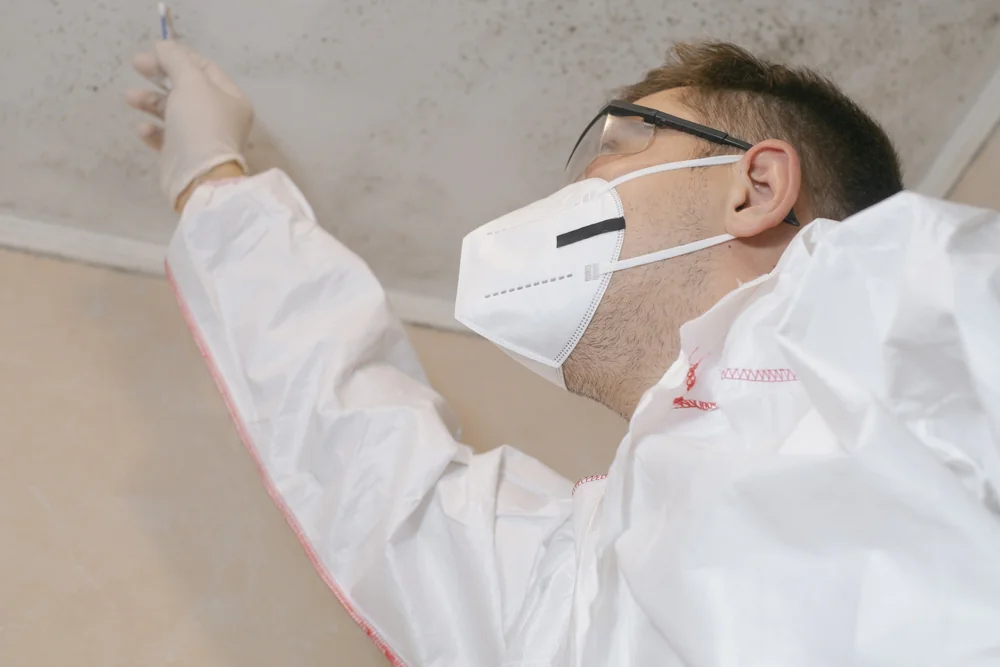
Then we use moisture meters and infrared cameras to find hidden water intrusion. Mold doesn’t grow without moisture, so identifying leaks, condensation, or humidity issues is half the job. We check behind walls, under flooring, in crawlspaces, and through your HVAC system.
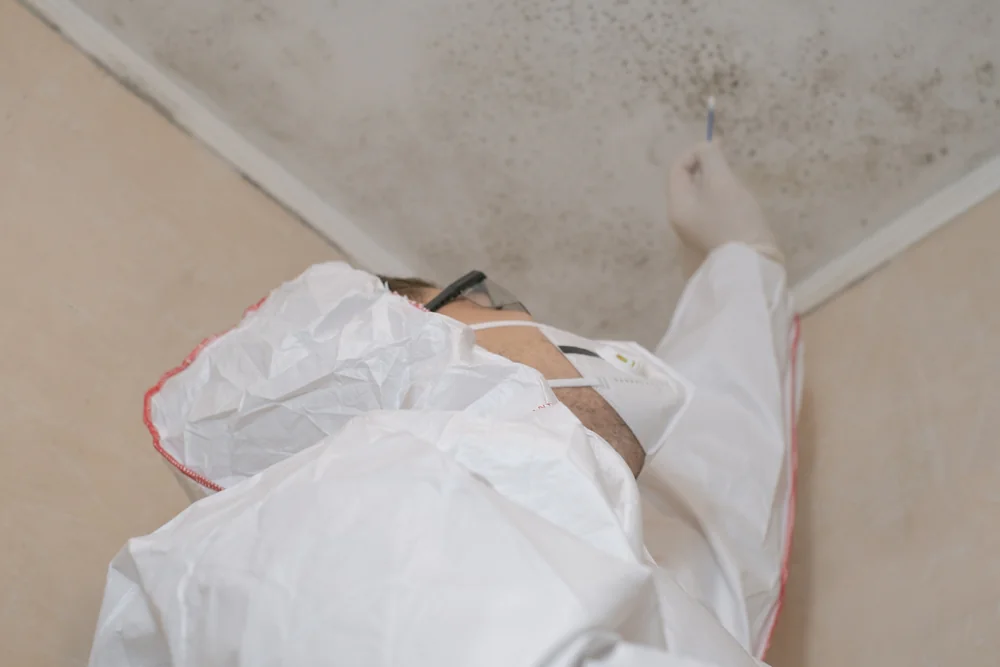
We collect air samples and surface samples from suspected areas and send them to an independent lab for analysis. You’re not getting a guess—you’re getting spore counts and identification of specific mold types, including whether they’re allergenic, pathogenic, or toxigenic.
Within a few days, you receive a detailed report with lab results, photos, moisture readings, and our assessment of what needs attention. If remediation is necessary, the report gives you documentation for contractors, insurance claims, or real estate negotiations.

Ready to get started?
A complete mold inspection covers your entire property—not just the obvious problem areas. We inspect attics, basements, crawlspaces, bathrooms, kitchens, and HVAC systems. We’re looking for active mold growth, water damage, and conditions that allow mold to thrive.
In Birch Valley, PA, we see recurring issues with basement seepage after heavy rain and attic mold from poor ventilation during humid months. Your inspection identifies these vulnerabilities even if mold hasn’t fully established yet. Catching moisture problems early means you’re spending a few hundred on repairs instead of thousands on remediation.
You also get moisture mapping that shows exactly where water is entering or accumulating. That’s critical because removing mold without fixing the moisture source means it’ll just come back. Most homeowners who deal with recurring mold never addressed the underlying water problem.
The lab analysis breaks down mold species so you know if you’re dealing with common household molds or more serious varieties like Stachybotrys (black mold). Different molds require different approaches, and the report gives remediation contractors clear direction instead of guesswork.
Most mold inspections in Birch Valley, PA run between $300 and $650 depending on property size and how many samples we’re collecting. A typical single-family home with a basement and attic usually falls in the $400 to $500 range.
That includes the physical inspection, moisture detection, air and surface sampling, lab analysis, and a written report with photos and recommendations. If you need additional sampling areas beyond the standard scope—like testing multiple rooms or outbuildings—that adds to the cost but we discuss pricing upfront before collecting extra samples.
Some companies offer cheaper “mold tests” that only swab one area or use instant test kits. Those don’t give you the full picture. You’re not learning about moisture sources, spore concentration in your air, or whether mold in one room has spread through your ventilation system. A proper inspection costs more because it actually answers the questions that matter when you’re deciding whether to buy a house, file an insurance claim, or start remediation.
Mold testing usually means someone collects a sample and sends it to a lab. Mold inspection includes testing but also covers the full property assessment—finding moisture sources, checking air quality, inspecting hidden areas, and identifying conditions that allow mold to grow.
Testing alone tells you if mold is present. Inspection tells you why it’s there, how widespread it is, and what needs to happen to fix it. If you’re just testing one visible spot, you might miss mold growing inside your walls or HVAC ducts. You’re also not learning about the leak or humidity problem that caused it.
Pennsylvania requires licensed professionals for mold assessment, which means the person inspecting your property has training in building science, moisture control, and mold identification. That’s different from a handyman with a test kit. You’re paying for expertise that connects the dots between water intrusion, ventilation problems, and mold growth—not just a lab result that says “mold detected.”
Most residential mold inspections take two to three hours depending on property size and how many areas we’re examining. A small condo might take 90 minutes. A larger home with a basement, attic, and crawlspace could take closer to four hours if we’re doing thorough moisture mapping and multiple sample collections.
We’re not rushing through a checklist. We’re using infrared cameras to scan for hidden moisture, checking inside HVAC ducts, inspecting behind appliances, and documenting conditions with photos and readings. If you’ve pointed out specific concerns—like a musty smell in one room or water stains in the basement—we spend extra time investigating those areas.
After the inspection, lab results typically come back within three to five business days. You receive a full report with findings, photos, spore counts, and our recommendations. If it’s an urgent situation—like a real estate transaction with a tight closing timeline—we can request expedited lab processing for an additional fee.
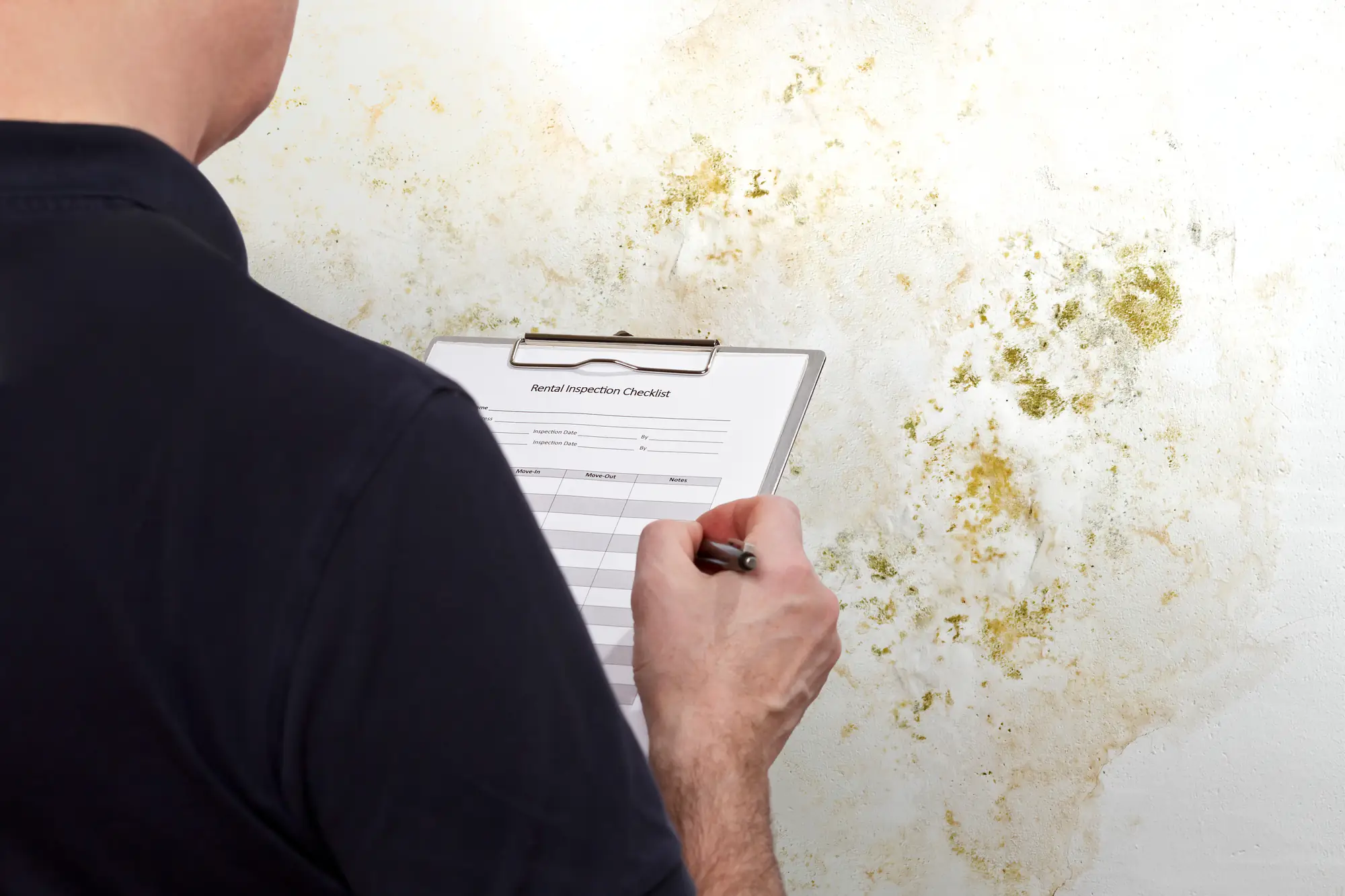
Visible mold usually means there’s more you’re not seeing. What’s growing on your bathroom ceiling or basement wall is often just the surface problem. Mold spreads through spores that travel in air and settle in damp areas throughout your home—inside walls, under flooring, and through ventilation systems.
An inspection shows you the full extent of contamination and identifies the moisture source feeding it. If you just clean visible mold without fixing the leak or humidity problem, it grows back within weeks. You’re also not learning whether mold has spread to areas that require professional remediation versus simple cleaning.
For real estate transactions, insurance claims, or health concerns, you need documentation. A professional inspection provides lab-confirmed identification of mold types and spore concentration levels. That matters because some molds are relatively harmless while others—like Stachybotrys or certain Aspergillus species—require more aggressive remediation and can cause serious respiratory problems. You can’t tell the difference just by looking at it.
We use moisture meters and infrared cameras to detect conditions behind walls that indicate likely mold growth—elevated moisture levels, temperature differentials, and water intrusion patterns. If readings suggest hidden mold, we can collect air samples that capture spores circulating from concealed areas.
In some cases, we recommend a small exploratory opening in the wall to visually confirm mold presence and collect a direct sample. That’s usually necessary when moisture readings are high but we need to verify active growth before you invest in major remediation. Most homeowners prefer a small patch repair over guessing whether there’s a problem.
Infrared technology shows us where water is traveling inside wall cavities, which tells us where mold is likely growing even if we can’t see it yet. Bucks County homes often have mold behind bathroom tile, under kitchen sinks, and in exterior walls where siding leaks allow water penetration. Air sampling picks up spores from these hidden sources and lab analysis confirms whether concentrations are elevated compared to outdoor baseline levels.
A mold inspection tells you what types of mold are present, where they’re growing, and at what concentration levels. That information helps you decide what action to take—whether it’s a minor cleanup you can handle yourself, professional remediation, or addressing moisture problems before mold becomes a bigger issue.
“Safe” depends on your situation. Some people are highly sensitive to mold and react to low levels. Others tolerate higher exposure without symptoms. The inspection provides objective data about spore counts and mold species so you can make informed decisions, especially if family members are experiencing unexplained respiratory symptoms, allergies, or asthma flare-ups.
What the inspection definitely tells you is whether you have elevated mold levels compared to normal outdoor air, which mold types are present (some are more problematic than others), and what’s causing moisture accumulation. If you’re buying a home in Birch Valley, PA, that information protects you from inheriting someone else’s mold problem. If you already own the property, it gives you a clear remediation plan instead of guessing what needs to happen.
Other Services we provide in Birch Valley