
Hear from Our Customers
You’re dealing with a musty smell that won’t go away. Or maybe you’ve spotted discoloration on your walls and you’re not sure if it’s mold or just staining. Either way, you need to know what’s actually happening in your home.
A professional mold inspection gives you that answer. We check the obvious spots and the hidden ones—behind drywall, under flooring, in crawl spaces, anywhere moisture gets trapped. Pennsylvania’s climate doesn’t help. Precipitation here has increased up to 10% recently, which means more moisture, more humidity, and more mold growth in homes across Bucks County.
When we finish, you’ll know if you have mold, what type it is, how far it’s spread, and what needs to happen next. No guessing. No waiting until it gets worse. Just clear information so you can make the right call for your home and your family.
Mack’s Mold Removal has been helping homeowners in Taylorsville and throughout Bucks County handle mold problems for years. We’re local, so we understand how the weather here affects your home. We’ve seen what happens when basements flood after heavy rain, when older homes trap moisture in the walls, and when HVAC systems create the perfect conditions for mold to grow.
We don’t just show up and look around. We bring the right tools to detect mold you can’t see and the experience to know where it’s likely hiding. When we leave, you’ll have a full picture of what’s going on and a straightforward plan for what comes next.
First, we walk through your home and look for visible signs—discoloration, water damage, areas where moisture tends to collect. We ask about any smells, leaks, or health symptoms you’ve noticed. That gives us a starting point.
Next, we use moisture meters and thermal imaging to check behind walls, under floors, and in other hidden spaces. Mold doesn’t always show up on the surface. It can grow inside wall cavities, under carpeting, or in insulation where you’d never see it. Our tools help us find it before it spreads further.
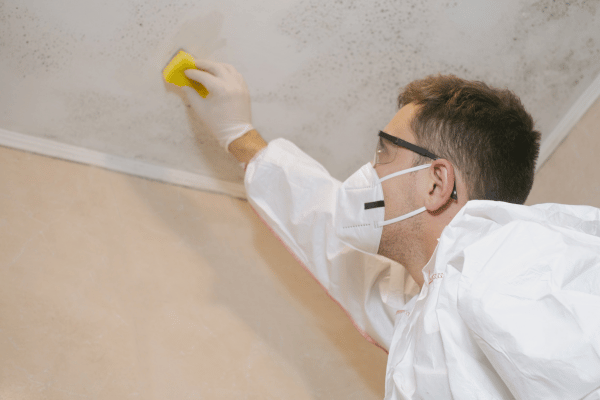
If we find mold, we document everything. You’ll get a detailed report that explains what type of mold we detected, where it’s located, and how extensive the problem is. From there, we create a custom remediation plan specific to your home. If we don’t find mold, we’ll still point out any conditions that could lead to future growth so you can address them now.
Ready to get started?
Every home mold inspection we do covers the full property. That means checking basements, crawl spaces, attics, bathrooms, kitchens, and any other area where moisture can become a problem. We’re not just looking at one room—we’re evaluating your entire home.
We use advanced detection equipment to measure moisture levels and identify hidden mold growth. Black mold inspection is part of what we do, but we’re checking for all types of mold that can affect your health or damage your property. Pennsylvania homes, especially older ones in Taylorsville, are particularly vulnerable because of how they were built and how the local climate has changed.
You’ll receive a written report with photos, findings, and recommendations. If remediation is needed, we’ll map out exactly what that looks like—no surprises, no upselling. If your home is clear, we’ll explain what to watch for and how to prevent mold from developing later. Either way, you’ll know where you stand and what to do next.
The cost depends on the size of your home and how thorough the inspection needs to be. Most residential mold inspections in Taylorsville range from a few hundred dollars to more if the property is large or if there are multiple areas of concern.
What affects the price is how much access we need, whether we’re testing air quality or taking samples, and how many rooms or levels your home has. If you’re buying or selling a home, the inspection might be more detailed because lenders and buyers want documentation.
The real question isn’t what it costs—it’s what it costs if you don’t do it. Mold can drop your home’s resale value by tens of thousands of dollars. It can also lead to structural damage that’s far more expensive to repair than catching it early. Call us at 215-431-4744 and we’ll give you a clear estimate based on your specific situation.
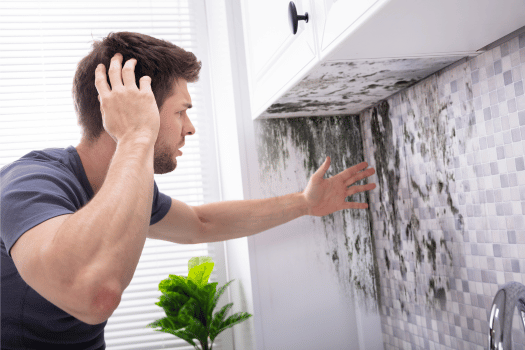
The most obvious sign is a musty smell that doesn’t go away, even after you clean. That odor usually means mold is growing somewhere you can’t see it. You might also notice discoloration on walls, ceilings, or around windows—especially if those areas have been exposed to water or humidity.
Health symptoms are another red flag. If anyone in your home is dealing with recurring sinus infections, headaches, watery eyes, breathing problems, or skin rashes that don’t have another explanation, mold exposure could be the cause. Nearly half of homes in the U.S. show visible mold or mold odor, and the risk of asthma doubles in homes with mold.
Water damage is a major indicator too. If you’ve had a leak, flooding, or even just high humidity in your basement or crawl space, mold can start growing within 24 to 48 hours. Even if you don’t see it yet, it’s worth getting an inspection to make sure it’s not developing behind the scenes.
You can buy DIY mold test kits, but they won’t give you the full picture. Those kits might tell you if mold spores are present, but they won’t tell you what type of mold it is, how much is there, or where it’s actually growing. And since mold spores are everywhere—indoors and outdoors—a positive result doesn’t always mean you have a problem.
A professional mold inspection goes deeper. We use moisture meters, thermal imaging, and air quality testing to find mold that’s hidden behind walls, under flooring, or in areas you can’t access. We also identify the source of the moisture that’s causing the mold, which is critical if you want to stop it from coming back.
If you’re dealing with a potential health issue, planning to sell your home, or filing an insurance claim, you’ll need professional documentation. DIY tests won’t hold up in those situations. A certified inspection gives you the evidence and the plan you need to move forward.
Most mold inspections take between one and three hours, depending on the size of your home and how many areas need to be checked. If your home is larger or if there are multiple levels, crawl spaces, or attics to inspect, it might take longer.
We don’t rush through it. We’re checking every area where mold is likely to grow—basements, bathrooms, kitchens, around windows, in HVAC systems, and anywhere else moisture tends to collect. If we need to take air samples or surface samples for lab testing, that adds a bit more time but gives you more accurate results.
After the inspection, we’ll walk you through what we found before we leave. You’ll get a full written report within a few days that includes photos, test results if applicable, and our recommendations. The time investment is small compared to the cost of ignoring a mold problem that’s only going to get worse.
Yes. That’s one of the main reasons to get an inspection. We’ll tell you if mold is present, what type it is, how widespread the problem is, and whether remediation is necessary. Not every mold situation requires full remediation—sometimes it’s a small issue that can be cleaned up and prevented from returning.
But if the mold has spread into walls, insulation, or structural materials, or if it’s a type that poses health risks like black mold, then professional remediation is the right move. We’ll explain exactly what needs to happen, what the process looks like, and what it will cost. No pressure, no upselling—just honest information.
If you’re selling your home, this matters even more. Pennsylvania law requires sellers to disclose known material defects, and mold qualifies. A visible mold issue can knock over $99,000 off your home’s value. Getting an inspection and handling any problems before you list can save you from losing buyers or dealing with last-minute negotiations.
If we find mold, we document everything—where it is, what type it is, and how much of it there is. You’ll get a detailed report with photos and lab results if we took samples. From there, we create a custom remediation plan based on your home’s specific situation.
That plan will outline what needs to be removed, what needs to be cleaned, and what needs to be repaired to fix the underlying moisture problem. We’re not just treating the mold—we’re addressing what caused it so it doesn’t come back. Pennsylvania’s humid climate and increased rainfall make this especially important in Taylorsville and Bucks County.
Once you approve the plan, we can move forward with remediation. If you need documentation for insurance or for a real estate transaction, we provide that too. The goal is to get your home safe, dry, and mold-free as quickly as possible. Call 215-431-4744 to schedule your inspection and get clarity on what’s happening in your home.
Other Services we provide in Taylorsville