
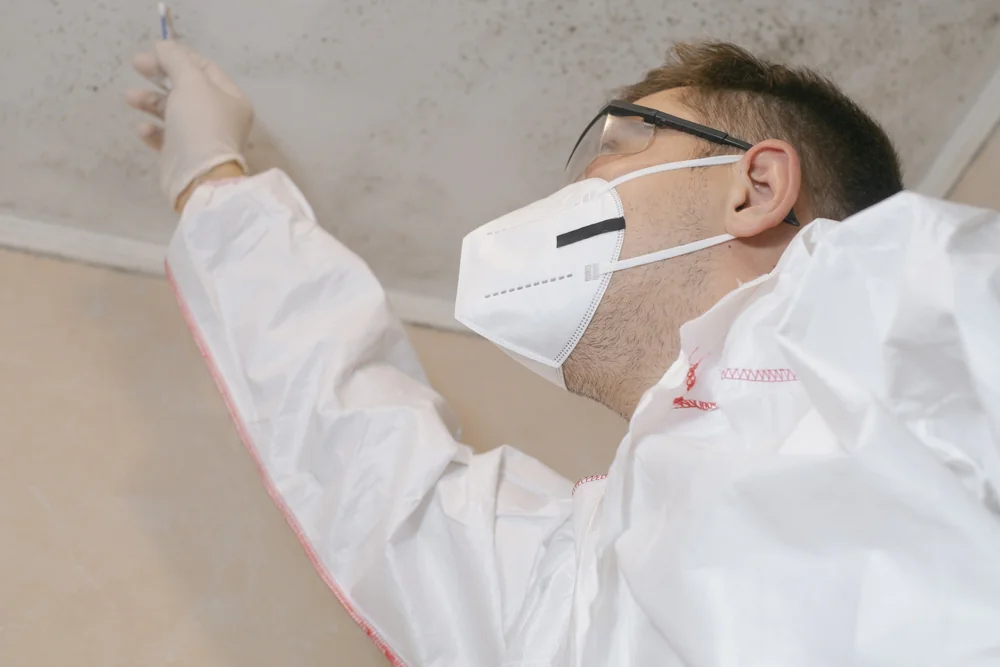
Hear from Our Customers
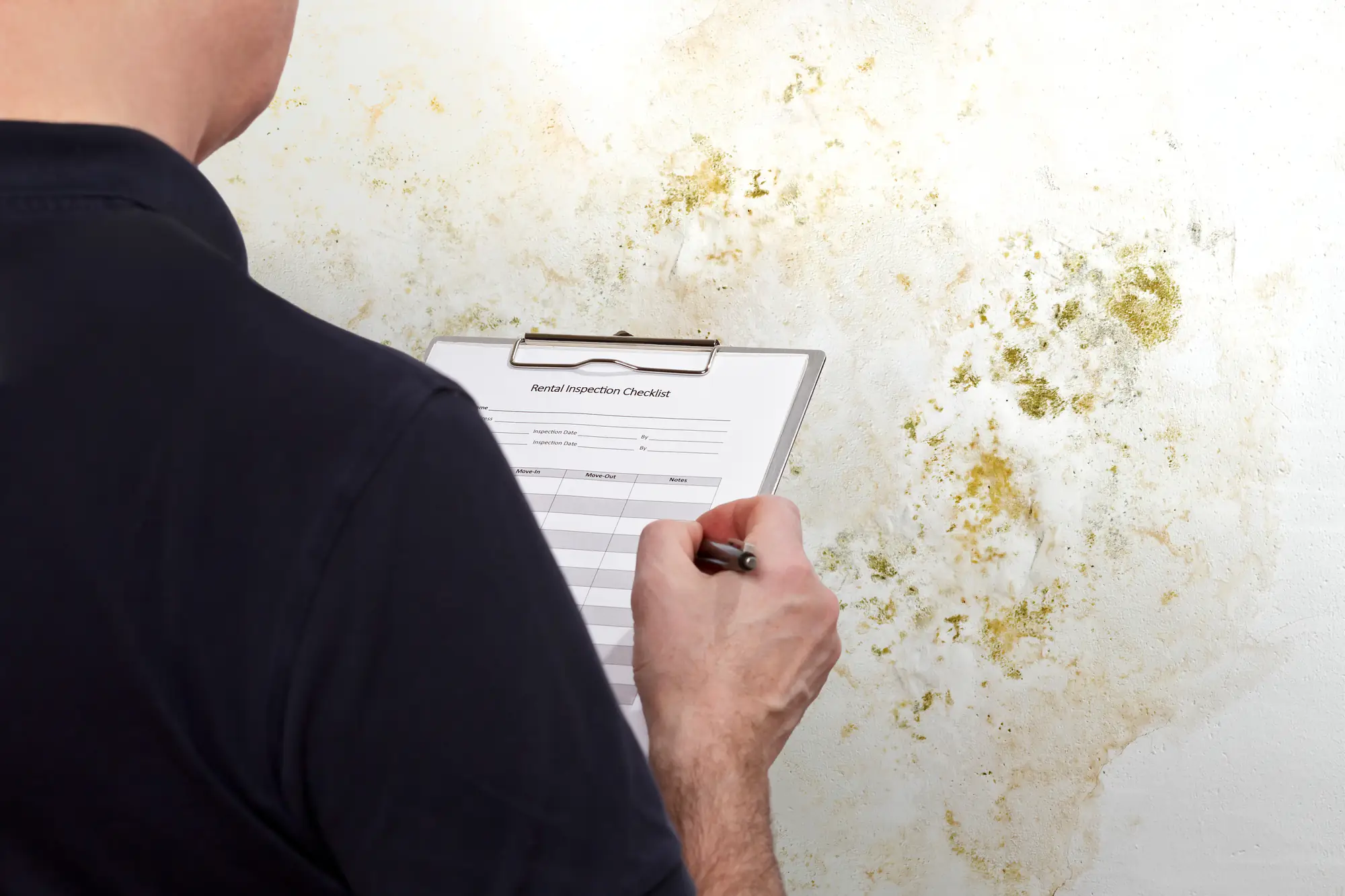
You don’t see it until it’s already a problem. That musty smell in the basement. The dark spots creeping up behind the toilet. The cough that won’t go away.
Mold doesn’t announce itself. It hides in crawl spaces, behind drywall, under sinks, and inside HVAC systems. By the time you notice it, it’s been growing for weeks or months.
A professional mold inspection gives you the full picture. We use moisture meters, thermal imaging, and air sampling to find mold you can’t see. You get a lab-certified report that identifies the type of mold, the concentration levels, and whether it’s affecting your indoor air quality. That’s not guesswork. That’s data you can act on.
If there’s mold, you’ll know where it is and what caused it. If there isn’t, you’ll have peace of mind. Either way, you’re not left wondering whether your home is safe or what happens next.
We serve Blooming Glen, PA, and the surrounding Bucks County communities. We’ve been helping homeowners in this area identify and address mold problems before they turn into expensive repairs or health issues.
Blooming Glen’s climate makes mold a recurring concern. Humid summers and cold, wet winters create the perfect conditions for moisture buildup. Basements flood. Roofs leak. Condensation forms in attics. We see it constantly, and we know how to find it.
We’re not a national franchise with a call center. When you contact us, you’re talking to someone local who understands the housing stock in this area and the mold issues that come with it. We offer free inspections because we’d rather you know what you’re dealing with upfront than guess and hope for the best.
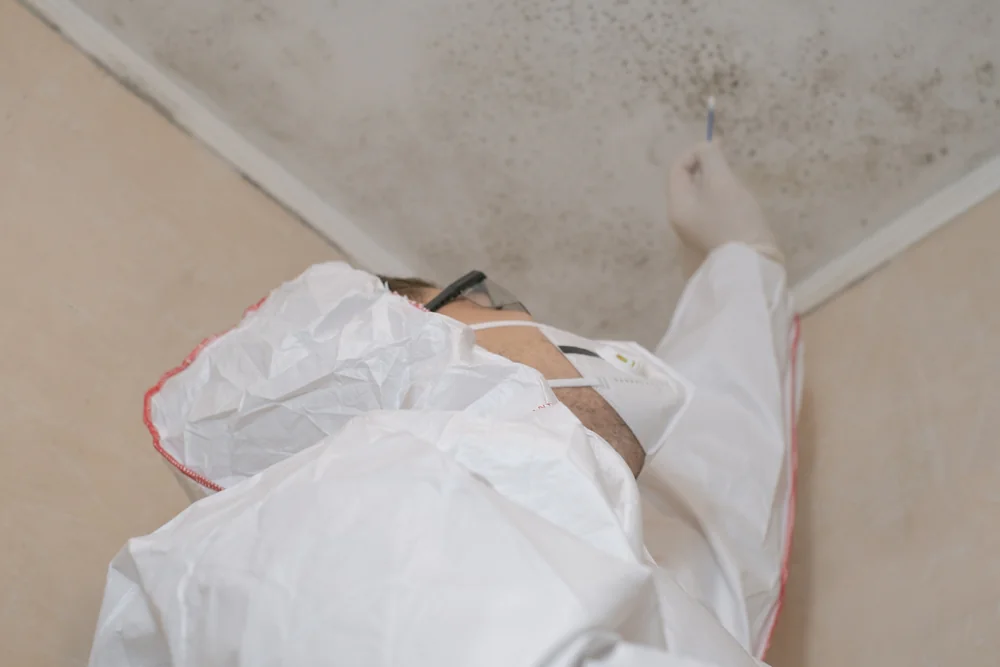
We start with a consultation. You tell us what you’ve noticed—smell, visible growth, water damage, health symptoms—and we ask questions to narrow down where the problem might be.
Then we walk through your home with professional equipment. We use moisture meters to detect hidden water intrusion, thermal imaging to spot temperature differences that indicate leaks or condensation, and air sampling devices to measure mold spore levels in your indoor air. If we see visible mold, we take surface samples to identify the species.
All samples go to an EPA-certified lab for analysis. You’re not relying on our opinion. You’re getting objective results that tell you what type of mold is present, how much, and whether it poses a health risk.
Once the lab results come back, we walk you through the findings in plain language. We explain what caused the mold, how serious it is, and what your options are for removal. If remediation is needed, we give you a clear scope of work and a price. If it’s minor and you can handle it yourself, we’ll tell you that too.

Ready to get started?
Our mold inspection starts at $350 and includes a full visual assessment, moisture detection, and two air samples. That’s enough to give you a clear picture of what’s happening in your home.
We check the areas where mold is most common in Blooming Glen homes: basements, crawl spaces, attics, bathrooms, and around windows. We also look for the conditions that cause mold—leaks, condensation, poor ventilation, and standing water. Pennsylvania’s weather patterns make moisture control a constant challenge, especially in older homes without modern vapor barriers or drainage systems.
After the inspection, you receive a detailed report from the lab. It identifies the specific mold species, the concentration levels, and whether those levels are elevated compared to outdoor air. You also get our written recommendations for remediation, including what needs to be removed, what needs to dry out, and what needs to be fixed to prevent it from coming back.
If you’re buying or selling a home, this documentation is critical. Mold issues can kill a real estate deal or reduce your property value. Having a professional inspection on record protects you legally and financially, whether you’re the buyer trying to negotiate repairs or the seller proving the home is clean.
Our mold inspection starts at $350 for a full visual check, moisture detection, and two air samples. That’s the baseline for most homes.
If your home is larger, has multiple problem areas, or you need additional testing, the price goes up. Extra air samples, surface samples, and lab analysis for specific rooms or materials add to the total. We’ll give you an exact price after we understand the scope.
Most mold inspections in Bucks County run between $300 and $650, with the average around $450. You’re paying for professional equipment, lab-certified results, and a written report you can use for remediation, insurance claims, or real estate transactions. It’s not cheap, but it’s a lot less expensive than ignoring the problem and dealing with structural damage or medical bills later.
A mold inspection is the full process. We walk through your home, look for visible mold, check for moisture problems, and use equipment to find hidden issues. It’s a physical assessment of your property.
Mold testing is part of that process. It’s when we collect air samples or surface samples and send them to a lab for analysis. The lab identifies the type of mold and measures the concentration levels. Testing gives you hard data, not just observations.
You can’t skip the inspection and just do testing. If you don’t know where the mold is or what’s causing it, a lab report won’t help you fix the problem. You need both: the inspection to find the source, and the testing to confirm what you’re dealing with and whether it’s a health risk.
You can buy a DIY mold test kit at a hardware store for $10 to $50. It’ll tell you if mold spores are present. But here’s the issue: mold spores are everywhere. Every home has them. The question isn’t whether mold exists—it’s whether you have an active infestation, where it’s growing, and what’s feeding it.
DIY kits don’t answer those questions. They don’t use calibrated equipment. They don’t compare your indoor levels to outdoor baselines. They don’t identify the species or measure concentration. And they definitely don’t find hidden mold behind walls or under floors.
A professional mold inspection uses thermal imaging, moisture meters, and lab-certified air sampling. We’re trained to recognize the conditions that cause mold and the places it hides. If you’re dealing with health symptoms, water damage, or a real estate transaction, a DIY kit isn’t going to cut it. You need documentation that holds up.
Most mold inspections take one to two hours, depending on the size of your home and how many areas we’re checking. If you’ve got a small house with one problem area, we’re done faster. If you’ve got a large home with a basement, attic, and crawl space, it takes longer.
We’re not rushing through it. We’re checking moisture levels, taking air samples, looking inside HVAC systems, inspecting around windows and plumbing, and documenting everything. If we find visible mold, we take surface samples, which adds time.
After the inspection, lab results take three to five business days. Once we get the report, we’ll schedule a follow-up call or meeting to go over the findings and discuss next steps. From start to finish, you’re looking at about a week before you have a full picture of what’s happening in your home.
The most obvious sign is visible mold—black spots on walls, green or white fuzz in corners, discoloration around vents or windows. If you see it, you’ve got a problem.
But most people call us because of smell. That musty, earthy odor that doesn’t go away even after you clean. That’s mold releasing volatile organic compounds as it grows. If you smell it but can’t find it, it’s probably hidden.
Health symptoms are another red flag. Persistent coughing, sneezing, headaches, itchy eyes, or respiratory issues that get worse at home and better when you leave. Mold exposure affects people differently, but if multiple people in your household are experiencing symptoms, it’s worth investigating.
Water damage is a major indicator. If you’ve had a leak, flood, burst pipe, or roof damage, mold can start growing within 24 to 48 hours. Even if the area looks dry now, moisture can be trapped inside walls or under flooring. Blooming Glen’s humid climate makes this worse. A mold inspection after any water event is smart.
Yes. If we find mold and take samples, the lab report will identify the species. That includes Stachybotrys chartarum, which is what people call black mold.
But here’s what matters: all mold can cause problems. Black mold gets attention because it produces mycotoxins that can cause serious health issues, especially for kids, elderly people, and anyone with a compromised immune system. But other types of mold—Aspergillus, Penicillium, Cladosporium—can also trigger allergic reactions, respiratory problems, and chronic health conditions.
The color doesn’t tell you much. Mold that looks black could be several different species. Mold that looks green or white could still be harmful. What matters is the type, the concentration, and whether it’s actively growing. That’s what the lab report tells you, and that’s what determines whether you need professional remediation or if you can clean it up yourself.
Other Services we provide in Blooming Glen