
Hear from Our Customers
You stop wondering if that musty smell is dangerous. Your kids stop coughing at night. You can finally use that basement without worrying about what’s growing behind the walls.
Real mold removal means more than scrubbing visible spots. It means finding every source of growth, eliminating the moisture that caused it, and making sure it doesn’t return. That’s what changes when you work with mold removal experts who know what they’re looking at.
Most homeowners in Blooming Glen deal with mold at some point. Humid Pennsylvania summers, wet basements, old roofs that leak just enough to cause problems. The issue isn’t that mold happens. It’s that most people don’t catch it until it’s already affecting their health or spreading through walls they can’t see.
When the job’s done right, you’re not masking the problem. You’re eliminating it. And you’re getting your home back.
We’ve been handling mold problems across Bucks County for years. We’ve seen what happens when homeowners try DIY solutions that don’t address the real issue. We’ve also seen what happens when the job gets done correctly the first time.
Blooming Glen homes face specific challenges. Older properties with stone foundations that hold moisture. Newer builds with poor ventilation. Crawl spaces that stay damp year-round. We’ve worked in all of them, and we know where mold hides in this area.
You’re not getting a national franchise that trains technicians in a week. You’re working with certified mold remediation professionals who understand Pennsylvania’s climate, follow EPA guidelines, and show up when we say we will.
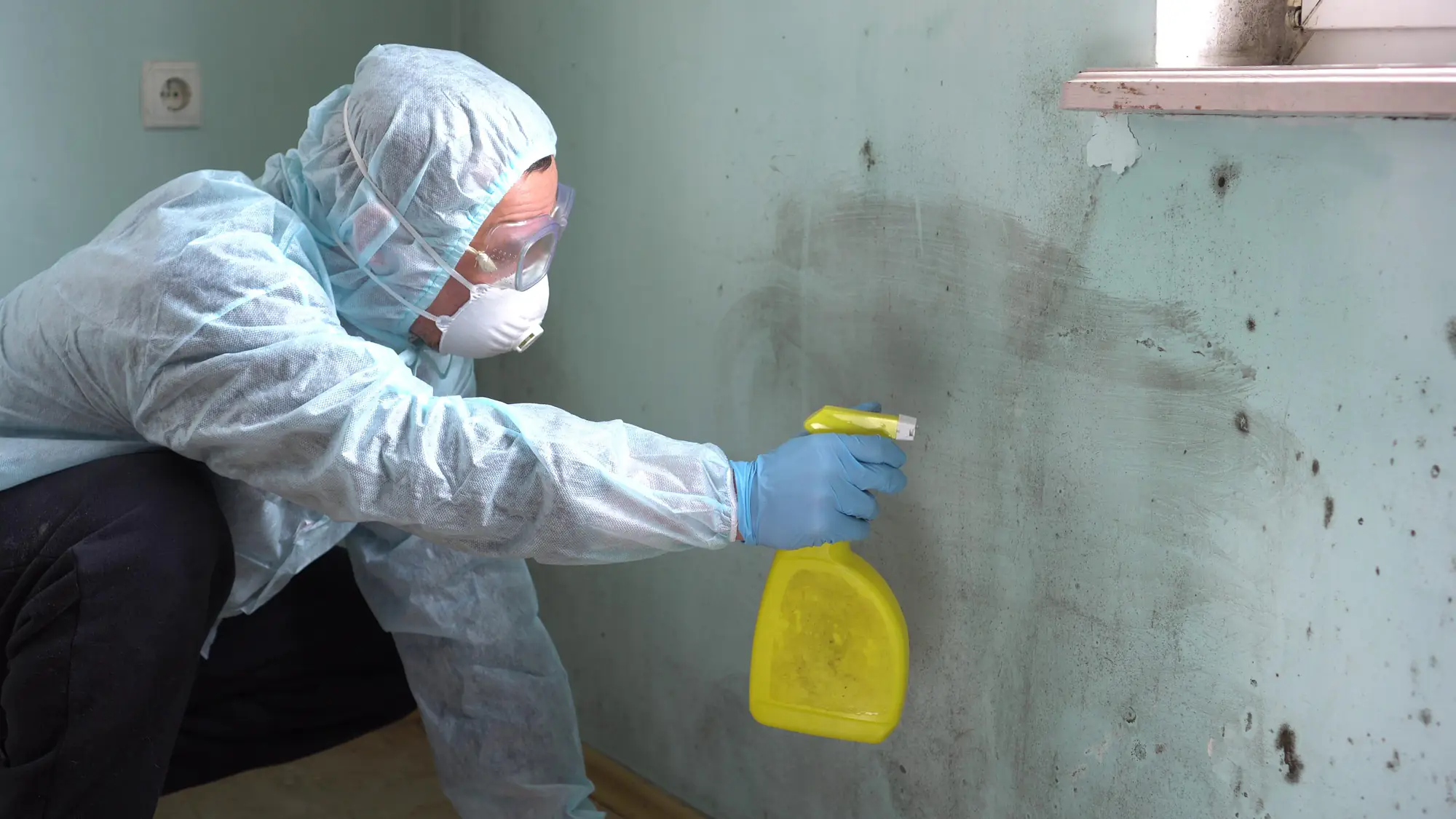
First, we inspect your entire property. Not just the obvious spots. We’re checking behind baseboards, inside wall cavities, around HVAC systems, anywhere moisture can hide. If there’s mold, we find it.
Next comes testing. Different mold types require different approaches, and we need to know exactly what we’re dealing with. This also establishes a baseline so we can verify the mold is completely gone when we’re finished.
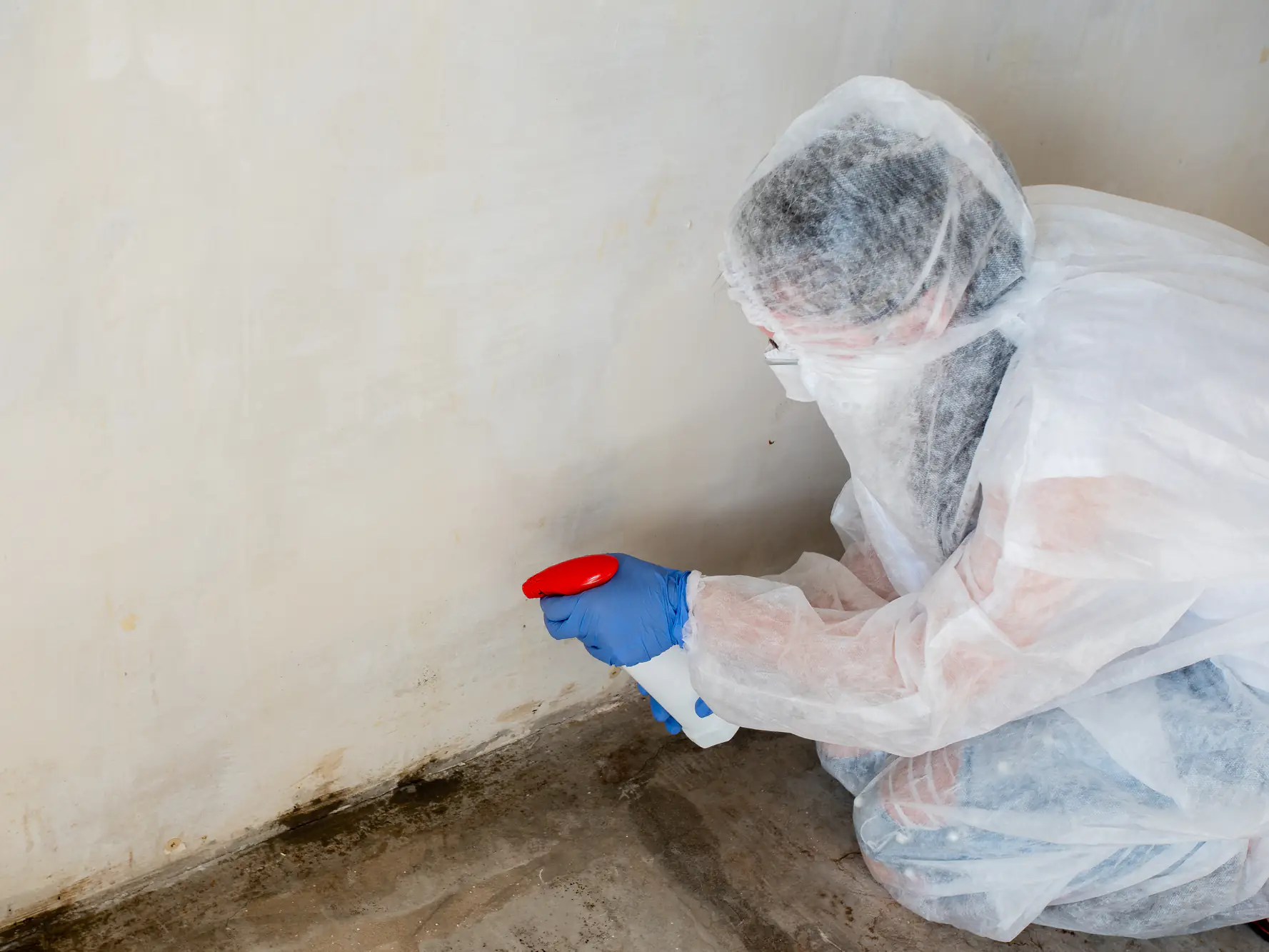
Then we contain the affected areas to prevent spores from spreading during removal. We use industrial air scrubbers, seal off contaminated zones, and remove materials that can’t be salvaged. Everything gets cleaned according to EPA standards.
Finally, we address the moisture source. A leaking pipe. Poor ventilation. Groundwater seeping through foundation cracks. Whatever caused the mold gets fixed, or it’ll just come back. We also test again after remediation to confirm the air quality is safe.
The whole process typically takes a few days, depending on how extensive the growth is. You’ll know the timeline before we start, and we’ll keep you updated as we work.
Ready to get started?
You get a full property inspection that covers every potential problem area. That includes places most homeowners never think to check. Attics, crawl spaces, behind appliances, inside ductwork. If moisture can reach it, we inspect it.
Testing identifies the specific mold species and concentration levels. This matters because black mold requires more aggressive remediation than surface mildew. You need to know what you’re dealing with, and so do we.
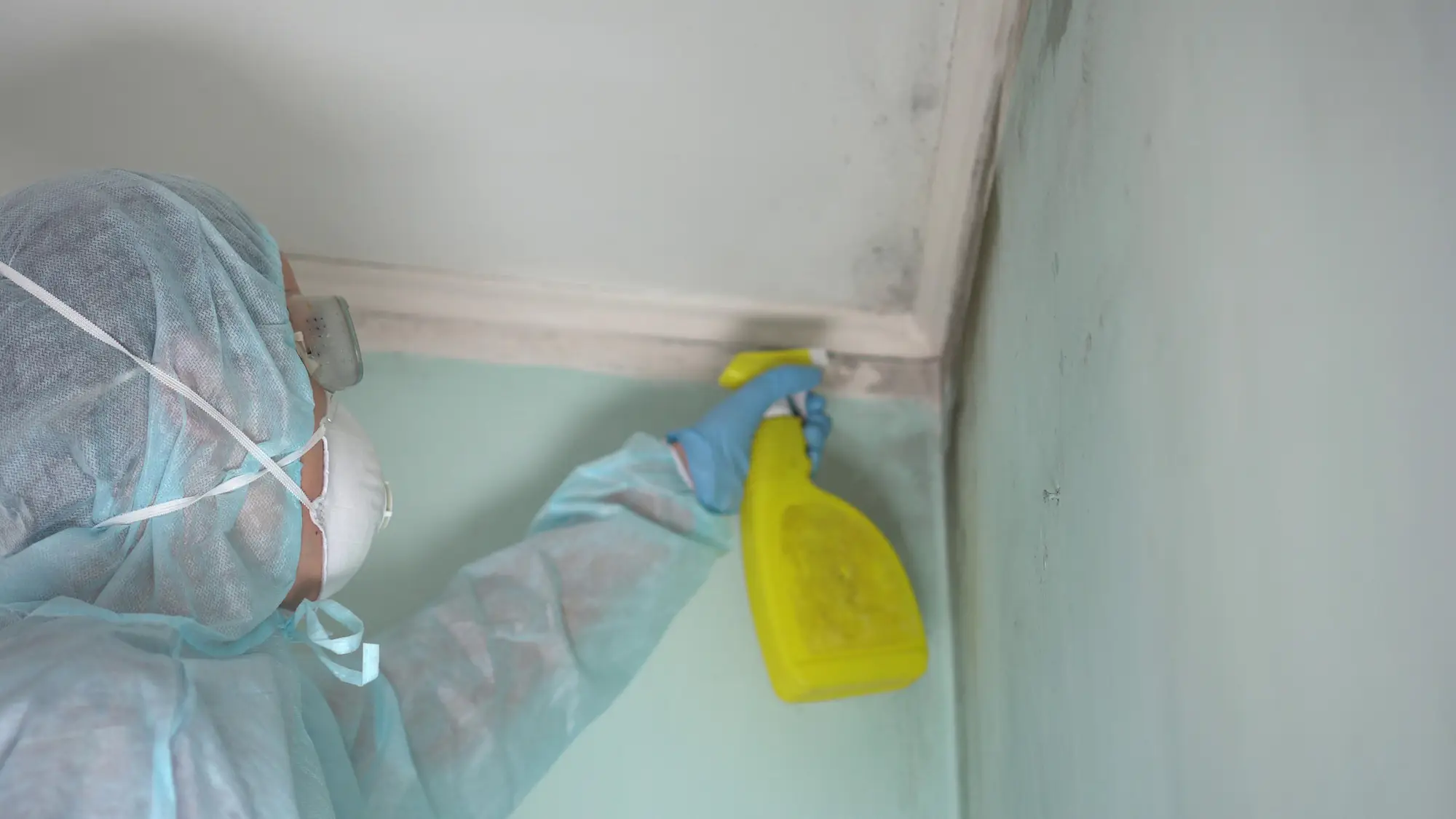
The actual remediation includes containment, removal, cleaning, and disposal of contaminated materials. We bring industrial equipment that homeowners don’t have access to. Air scrubbers that filter out mold spores. HEPA vacuums that capture microscopic particles. Antimicrobial treatments that prevent regrowth.
Blooming Glen’s climate makes moisture control critical. Pennsylvania’s humid summers mean your basement can go from dry to damp in a matter of days if you have drainage issues. We identify these vulnerabilities and recommend solutions. Sometimes that’s improving ventilation. Sometimes it’s fixing grading around your foundation. Sometimes it’s replacing materials that stay perpetually wet.
You also get post-remediation testing to verify the work is complete. We don’t consider the job done until air quality tests confirm mold levels are back to normal. That’s how you know you’re actually safe, not just covering up the problem.

If you can see mold growth larger than a few square feet, you need professional help. If you smell persistent mustiness but can’t find the source, you need an inspection. If anyone in your home is experiencing unexplained respiratory issues, allergies, or asthma symptoms that improve when they leave the house, that’s a red flag.
DIY cleaning works for small surface mold on non-porous materials. A little mildew on bathroom tile? You can handle that. But once mold spreads into drywall, insulation, or wood framing, you’re dealing with contamination you can’t see or safely remove yourself.
The bigger issue is that visible mold usually indicates a larger hidden problem. What you see on a basement wall might be a small fraction of what’s growing inside that wall. Professional mold removal specialists have the equipment to detect hidden moisture and growth that homeowners miss. We also know how to remove it without spreading spores throughout your house, which is exactly what happens when people try to scrub or tear out moldy materials without proper containment.
Most residential mold removal projects take between two and five days. The timeline depends on how extensive the contamination is and whether we need to remove structural materials like drywall or flooring.
A contained problem in one bathroom might be done in a day or two. Mold throughout a finished basement that requires removing drywall, treating framing, and addressing foundation moisture issues could take a week or more.
Here’s what affects the timeline: the size of the affected area, whether the mold has spread into HVAC systems, how quickly we can dry out the space, and whether we’re also handling repairs to the moisture source. Blooming Glen homes with older stone foundations sometimes need additional waterproofing work, which extends the project. But we’ll give you a realistic estimate upfront based on what we find during inspection. The last thing you need is a mold remediation company that lowballs the timeline and then drags the job out for weeks.
It depends on what caused the mold. If it resulted from a sudden, accidental event like a burst pipe or storm damage, most policies cover remediation. If it developed gradually due to long-term moisture problems or maintenance issues, coverage is less likely.
Pennsylvania homeowners insurance typically excludes mold that results from neglect or ongoing leaks you didn’t address. But if a tree fell on your roof during a storm and water got in before you could repair it, that’s usually covered.
The best approach is to document everything and file a claim as soon as you discover the problem. Take photos. Get a professional inspection report. Show that you acted quickly once you became aware of the issue. Insurance companies are more likely to cover mold removal when you can prove the damage happened suddenly and you responded appropriately. We can work directly with your insurance adjuster and provide the documentation they need to process your claim. Just don’t wait weeks to report it, because that gives them grounds to argue you allowed the problem to worsen.
Mold removal sounds like you’re eliminating every single spore, which isn’t realistic. Mold spores exist everywhere, indoors and outdoors. You can’t remove them all, and you don’t need to.
Mold remediation means bringing mold levels back to normal, safe concentrations. It means removing active growth, eliminating the moisture source, and restoring air quality to the point where mold isn’t a health risk or structural threat.
Professional mold remediation companies focus on the actual problem: active colonies that are releasing spores, producing allergens, and potentially damaging your property. We remove contaminated materials, clean affected surfaces, treat areas to prevent regrowth, and most importantly, fix whatever moisture issue allowed the mold to thrive in the first place. When the job’s done correctly, you’re left with a home where mold can’t easily grow back. That’s the goal. Not some impossible standard of zero spores, but a safe, healthy environment where mold isn’t actively growing and spreading.
It depends on the scope of the project and where the mold is located. For small, contained jobs in an isolated area like a basement or single bathroom, you can usually stay in the home. We seal off the work area and use negative air pressure to prevent spores from spreading to other rooms.
For extensive contamination or black mold removal that affects multiple areas, it’s safer to stay elsewhere during active remediation. The process involves disturbing mold colonies, which temporarily increases spore counts even with containment measures in place.
If anyone in your household has asthma, mold allergies, or a compromised immune system, we typically recommend staying elsewhere regardless of project size. Young children and elderly family members are also more vulnerable to mold exposure. Most Blooming Glen homeowners who need to relocate temporarily are only out of the house for a few days. We’ll let you know upfront whether staying is safe based on what we find during inspection. Your health isn’t worth the risk of trying to live around active mold remediation work.
Mold prevention comes down to moisture control. If we remove the mold but don’t fix the leak, poor drainage, or humidity problem that caused it, you’ll have mold again within months.
That’s why professional mold remediation includes identifying and addressing the moisture source. Sometimes that means repairing plumbing leaks or roof damage. Sometimes it means improving ventilation in bathrooms or crawl spaces. Sometimes it means fixing grading around your foundation so water drains away from the house instead of seeping into your basement.
In Blooming Glen, we also recommend dehumidifiers for basements and crawl spaces, especially during Pennsylvania’s humid summer months. Keeping indoor humidity below 50% makes it much harder for mold to establish new growth. We’ll also treat affected areas with antimicrobial solutions that inhibit future mold development. But the real prevention happens when you eliminate the conditions mold needs to grow: moisture, darkness, and organic materials. Fix those factors, and mold doesn’t come back. Ignore them, and you’ll be dealing with the same problem again next year.
Other Services we provide in Blooming Glen