
Hear from Our Customers
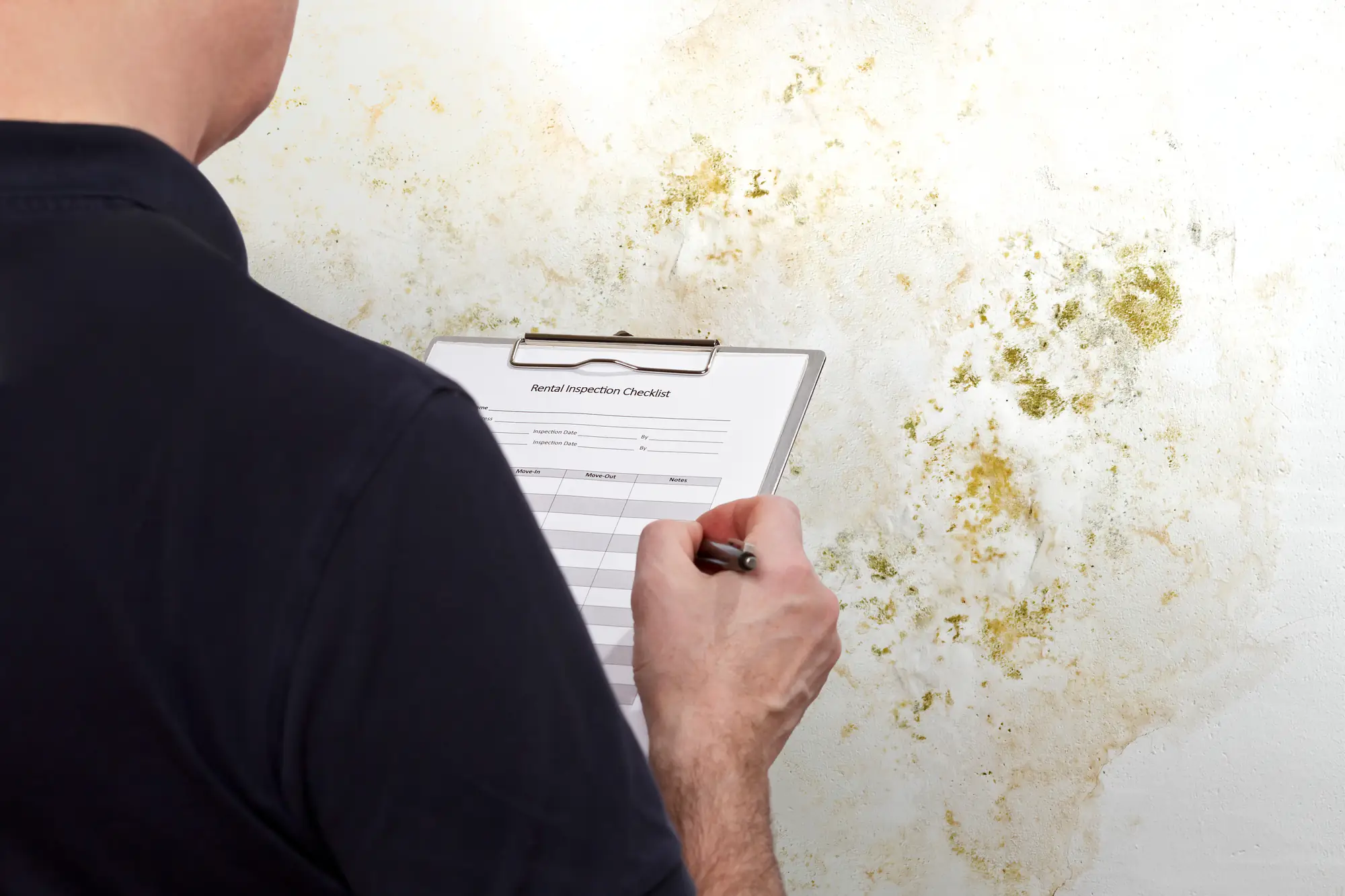
You can’t fix what you can’t see. Mold grows in crawl spaces, behind walls, inside HVAC ducts, and under flooring where most homeowners never look. By the time you smell that musty odor or see visible growth, the problem’s already taken hold.
A professional mold inspection gives you the full picture. We use advanced detection tools to find mold in hidden areas, collect samples for laboratory analysis, and deliver a detailed report that tells you exactly where the contamination is, what type of mold you’re dealing with, and how serious the situation has become.
Pennsylvania’s climate doesn’t help. With increased precipitation over the last decade and humid summers that keep attics and basements damp for weeks, Lakeside homes face constant moisture challenges. Mold can start growing within 24 to 48 hours after water intrusion, and once it takes hold, it spreads fast.
You get clarity, documentation for insurance or real estate transactions, and a roadmap for what comes next. No guessing. No waiting until symptoms get worse.
We’ve been providing mold inspection and remediation services across Bucks, Montgomery, Delaware, and Chester Counties for nearly three decades. We follow EPA and IICRC guidelines because cutting corners in mold detection means missing the problem entirely.
Our team uses laboratory-certified testing through EPA-approved labs. Every inspection includes a comprehensive, easy-to-read report that identifies the type and level of mold present. We’re licensed to conduct professional mold assessments in Pennsylvania, which isn’t optional in this state—it’s required.
Lakeside’s older housing stock and the area’s geography create unique challenges. Many homes were built before modern moisture management became standard, and South Central Pennsylvania gets substantial rainfall and frequent thunderstorms. We’ve seen what happens when water finds its way into basements, attics, and wall cavities. We know where to look.
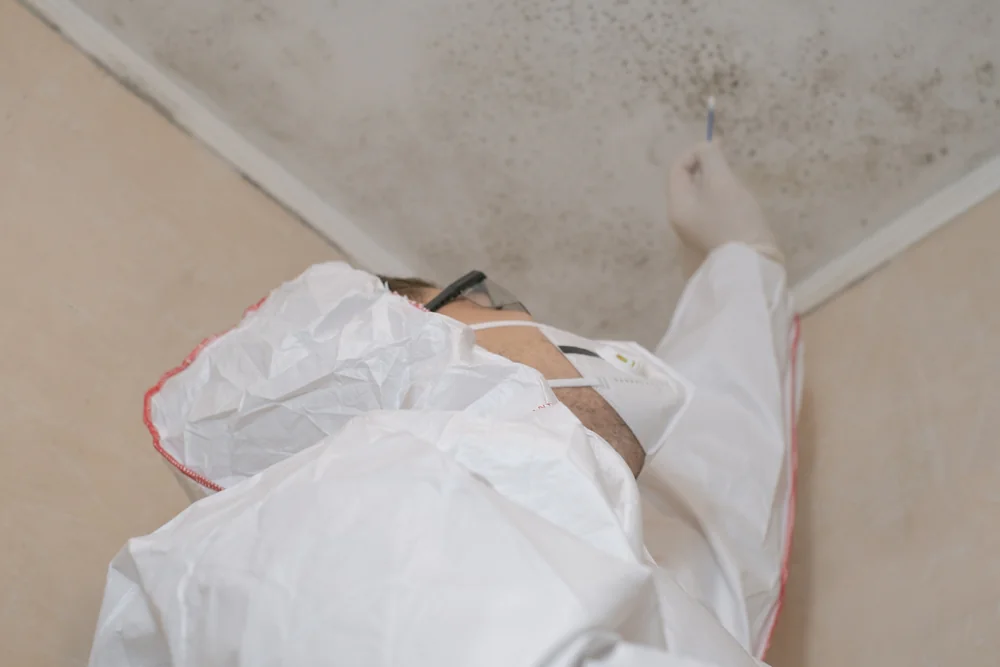
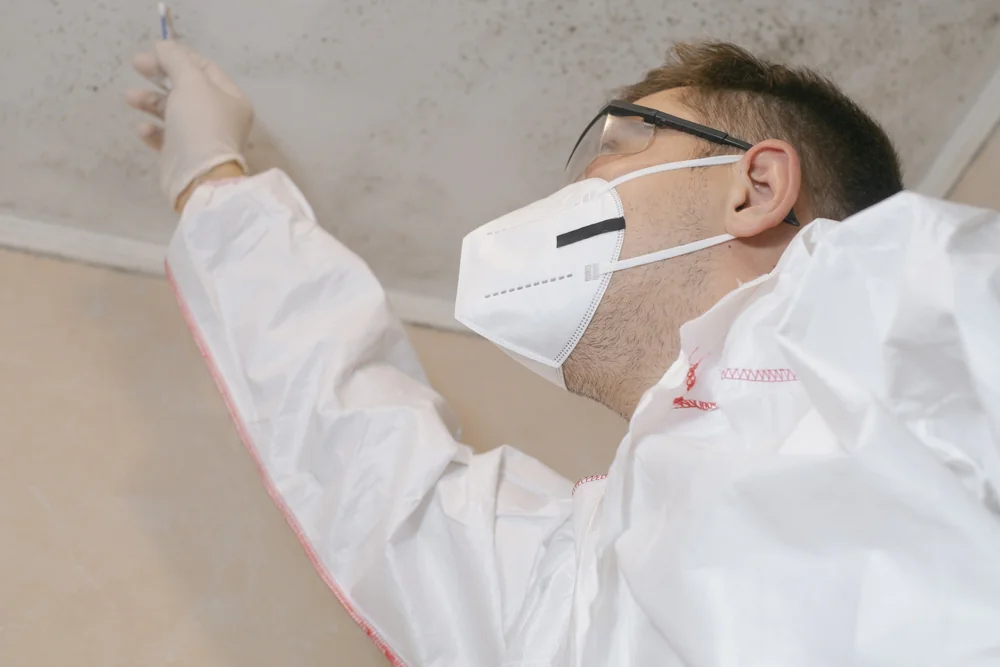
First, we walk through your property and conduct a visual assessment. We’re looking for visible mold growth, water stains, condensation patterns, and areas where moisture has clearly been an issue. We also ask about any musty smells, recent water damage, or health symptoms you’ve noticed.
Next, we use moisture meters and thermal imaging to detect hidden water intrusion behind walls, under floors, and in ceilings. Mold follows moisture, so finding damp areas tells us where to look closer. We check HVAC systems, crawl spaces, attics, basements, and anywhere else water could be hiding.
Then we collect air and surface samples from affected areas and send them to an EPA-certified laboratory for analysis. This tells us exactly what type of mold is present and how concentrated the contamination is. Some molds are more aggressive than others, and knowing what you’re dealing with matters when planning remediation.
Finally, we deliver a detailed report with our findings, lab results, and clear recommendations. If remediation is needed, we explain what that looks like. If the issue is minor and can be addressed with better ventilation or dehumidification, we’ll tell you that too. You get honest answers based on real data.

Ready to get started?
Every mold inspection we conduct includes a thorough visual assessment of your entire property, moisture mapping with professional-grade detection equipment, air quality sampling to measure airborne spore levels, and surface sampling from suspected contamination areas. We also inspect HVAC systems since ducts are common pathways for mold distribution throughout a home.
You receive laboratory analysis from an EPA-certified lab, a comprehensive written report with photos and findings, identification of moisture sources and entry points, and specific recommendations for remediation or prevention. If mold is affecting your health, we provide documentation your healthcare provider can use. If you’re dealing with insurance claims, real estate transactions, or legal disputes, our certified test results carry weight.
Lakeside’s median household income sits above $119,000, and most residents here are protecting significant investments. Your home isn’t just shelter—it’s your family’s largest asset. Pennsylvania’s humid climate and older construction methods mean mold risk is higher than in drier regions. Indoor humidity above 60% creates ideal conditions for growth, and many homes struggle to maintain the recommended 30-50% range without active moisture control.
We also provide prevention education. Keeping your home mold-free after remediation requires understanding how moisture enters your property and what conditions allow mold to thrive. We’ll walk you through practical steps that actually work in Pennsylvania’s climate.
If you smell musty odors, see visible mold growth, or have unexplained health symptoms like respiratory issues, allergies, or asthma flare-ups, you need an inspection. But those are the obvious signs.
You should also consider an inspection after any water damage event—burst pipes, roof leaks, flooding, or even prolonged high humidity. Mold can begin growing within 24 to 48 hours, and it often starts in places you can’t see. By the time it becomes visible, the contamination has usually spread beyond the surface.
If you’re buying or selling a home in Lakeside, an inspection protects both parties. Pennsylvania’s climate creates mold-friendly conditions, and older homes often have hidden moisture problems. If you’ve had previous mold remediation and want to confirm it was done correctly, testing gives you peace of mind. And if someone in your household is experiencing health issues that doctors can’t explain, hidden mold could be the culprit.
Mold inspection identifies the problem. Mold remediation fixes it. They’re separate processes, and inspection always comes first.
During an inspection, we assess your property, collect samples, test for contamination, and provide a detailed report with findings and recommendations. We’re diagnosing the situation—where the mold is, what type it is, how severe the contamination is, and what’s causing it. This gives you the information needed to make informed decisions.
Remediation is the actual removal and cleanup process. It involves containment, air filtration, physical removal of contaminated materials, antimicrobial treatment, and addressing the moisture source so mold doesn’t return. You can’t remediate effectively without knowing the full scope of the problem first.
We handle both inspection and remediation, and our inspections are always thorough and honest. The inspection is about giving you accurate information so you can make the right decision for your home and your family.
Most residential mold inspections take two to four hours depending on your home’s size and the extent of suspected contamination. Larger homes or properties with multiple problem areas take longer.
We’re not rushing through. A thorough inspection means checking every potential moisture source—basements, crawl spaces, attics, bathrooms, kitchens, HVAC systems, and anywhere else water could be hiding. We use moisture meters and thermal imaging to detect problems behind walls and under floors, which takes time but catches issues visual inspection alone would miss.
After the on-site inspection, samples go to the lab for analysis. Lab results typically come back within three to five business days. Once we have the results, we compile your detailed report with findings, photos, lab data, and recommendations. You’ll usually have your full report within a week of the inspection date.
If you need faster results for a real estate transaction or urgent situation, let us know upfront. We can often expedite lab processing for an additional fee.
Yes. That’s exactly why professional mold detection exists. Most mold growth happens in places homeowners never see—inside wall cavities, under flooring, in crawl spaces, behind appliances, and inside HVAC ductwork.
We use moisture meters to detect elevated moisture levels behind surfaces where mold is likely growing. Thermal imaging cameras show temperature differences that indicate water intrusion or poor insulation creating condensation. Air sampling captures airborne mold spores even when there’s no visible growth, which tells us if contamination is present and spreading through your home’s air.
Pennsylvania’s climate makes hidden mold common. Humid summers keep attics damp for weeks. Basements in older Lakeside homes often have moisture issues from poor drainage or foundation cracks. Mold doesn’t need a major flood to take hold—persistent humidity above 60% is enough.
If your HVAC system has mold, it’s distributing spores throughout your home every time the system runs. You might not see anything, but you’re breathing it. That’s why people sometimes experience mold-related health symptoms without any obvious source. Professional detection finds what you’re missing.
Most residential mold inspections in the Lakeside area range from $300 to $700 depending on your home’s size, the number of samples needed, and how extensive the suspected contamination is. Larger homes or properties requiring multiple air and surface samples cost more.
That price includes the on-site inspection, moisture detection, sample collection, laboratory analysis from an EPA-certified lab, and a comprehensive written report with findings and recommendations. Some companies charge separately for lab work, so make sure you’re comparing total costs.
It’s worth noting that a proper inspection costs less than remediating mold that wasn’t properly identified in the first place. Skipping inspection and jumping straight to remediation often means missing hidden contamination or not addressing the moisture source, which leads to recurrence. Then you’re paying for remediation twice.
If you’re dealing with insurance claims, the inspection report provides documentation that supports your claim. For real estate transactions, it protects buyers from inheriting a mold problem and gives sellers proof their property is clean. The cost is small compared to the financial and health risks of undetected mold.
You get a detailed report that explains exactly what was found, where it’s located, what type of mold is present, and how serious the contamination is. The report includes lab results, photos, and specific recommendations for next steps.
If the contamination is minor and localized, we’ll tell you whether it’s something you can address yourself or if professional remediation is needed. Small surface mold on non-porous materials can sometimes be cleaned with proper techniques. But if mold has penetrated porous materials like drywall or insulation, or if it’s widespread, professional remediation is the safer choice.
If remediation is necessary, the report serves as a roadmap. It identifies all affected areas, the moisture source causing the problem, and what needs to happen to eliminate the mold and prevent it from returning. You can use this information to get accurate quotes from remediation companies, or we can handle the remediation if you prefer.
After remediation is complete, post-remediation testing confirms the work was done correctly and your home is safe. This is especially important for insurance documentation or if you’re selling the property. You want proof the problem was fully resolved, not just covered up.
Other Services we provide in Lakeside