
Hear from Our Customers
Most Lakeside homeowners don’t think about their ductwork until something forces them to. It might be the musty smell that hits when you first fire up the HVAC after a long winter away. It might be allergy symptoms that seem worse indoors than outside. Whatever brought you here, the answer usually lives somewhere inside your duct system and once it’s addressed, the difference is immediate.
For homes built around Page Lake, the moisture environment is unlike anything in a typical Pennsylvania suburb. A 98-acre lake generates constant evaporation. That humidity doesn’t stop at your foundation it works its way into crawl spaces, older duct joints, and the interior sections of your HVAC system that no one ever sees. Add the Endless Mountains elevation, where snow months run from October through May and freeze-thaw cycles create condensation inside ductwork all season, and you have a mold-growth environment that runs year-round whether you’re home or not.
After a proper cleaning and inspection, the air circulating through your home is no longer pulling from contaminated ductwork. For families spending summer weekends at the lake, for year-round residents dealing with respiratory issues they can’t explain, and for anyone who’s just bought an older cabin on Page Lake and has no idea what’s inside those ducts knowing the system is clean changes how you feel about being home.
We’ve been doing this work for over 15 years across Pennsylvania, and our team understands what lake-adjacent homes deal with in ways that a general HVAC contractor simply doesn’t. The difference between a duct cleaner and a certified mold remediation specialist matters most when the problem isn’t just dust it’s active mold growth in a moisture-rich environment like the one surrounding Page Lake.
When you call us, you’re not routed through a call center or handed off to a rotating crew. Our inspection is handled by certified specialists who send samples to a lab, assess what’s actually in your system, and build a plan around what we find. That’s not how most duct cleaning companies operate.
For Lakeside residents and seasonal homeowners along Route 492, that level of accountability makes a real difference. We also work directly with insurance companies when mold damage is part of a claim, and flexible financing is available for homeowners who need the work done without waiting on the budget to align perfectly.

It starts with a free inspection. A certified specialist comes out, takes a real look at your system, and tells you exactly what we find no pressure, no invented problems, no quote that mysteriously triples after we arrive. If mold is present, samples go to a lab for analysis so the remediation plan is based on what’s actually there, not a best guess.
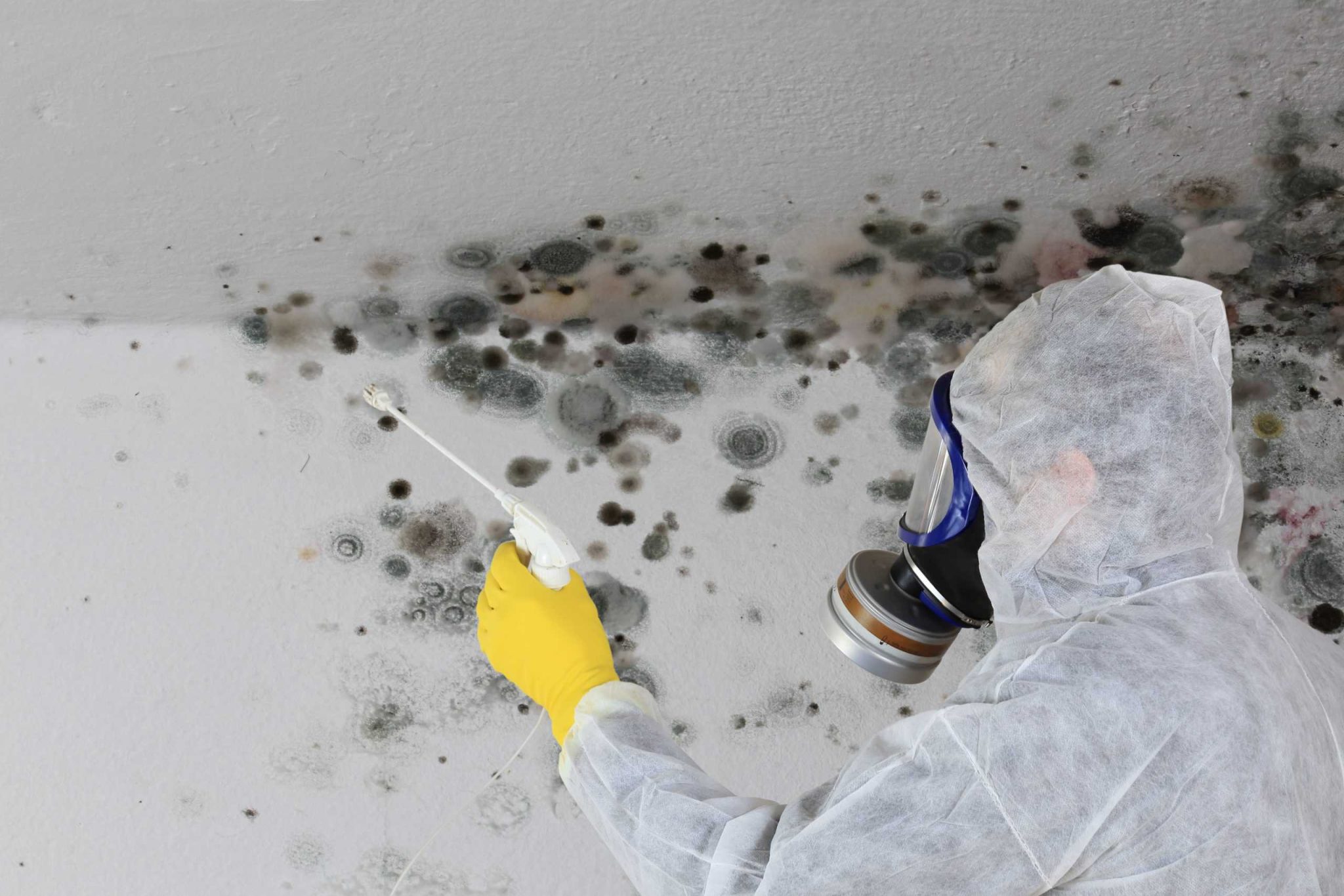
From there, the cleaning process uses containment protocols that a standard duct cleaning company won’t bother with. That matters specifically in lake homes, where disturbing mold without proper containment can spread spores through the entire structure. For older cabin-style properties near Page Lake many of which have ductwork with gaps, unsealed joints, and decades of accumulated debris containment isn’t optional, it’s the whole point.
A proper cleaning takes several hours, and the work covers both supply and return ducts, not just the registers you can see from the floor. After the job is done, we test the affected areas to confirm the mold is gone. You don’t have to take anyone’s word for it the results are documented. For seasonal homeowners who won’t be back until next summer, that post-cleaning verification is especially important. You should be able to leave knowing the problem was actually solved, not just worked on.

Ready to get started?
The core service is air duct cleaning with mold remediation built in not two separate jobs bolted together, but a single process handled by specialists who understand both. For Lakeside properties, that means accounting for the lake-proximity humidity, the older housing stock common to Page Lake cabins, and the seasonal occupancy patterns that leave HVAC systems sitting dormant for months at a time. Those conditions don’t show up in a standard duct cleaning checklist, but they show up in every job we do in this area.
Air duct sanitizing is available as part of the process when mold contamination is confirmed. Sanitizing applies antimicrobial treatment after the mechanical cleaning is complete it’s a separate step from cleaning, and it matters in environments where moisture conditions will continue to be present after the job is done. For a home sitting next to a 98-acre lake in Susquehanna County, that’s a reasonable precaution.
Dryer vent cleaning is also available, and for the older homes in the Lakeside community it’s worth taking seriously. The NFPA documents roughly 15,970 dryer-related house fires per year, with failure to clean vents as the leading cause. Older dryer vent configurations in converted lake cabins are especially prone to restricted airflow and lint accumulation particularly when the heating season runs from October through May and dryers are working hard for months on end. We handle all of this under one inspection, so you’re not coordinating multiple contractors for what is fundamentally one moisture-and-air-quality problem.
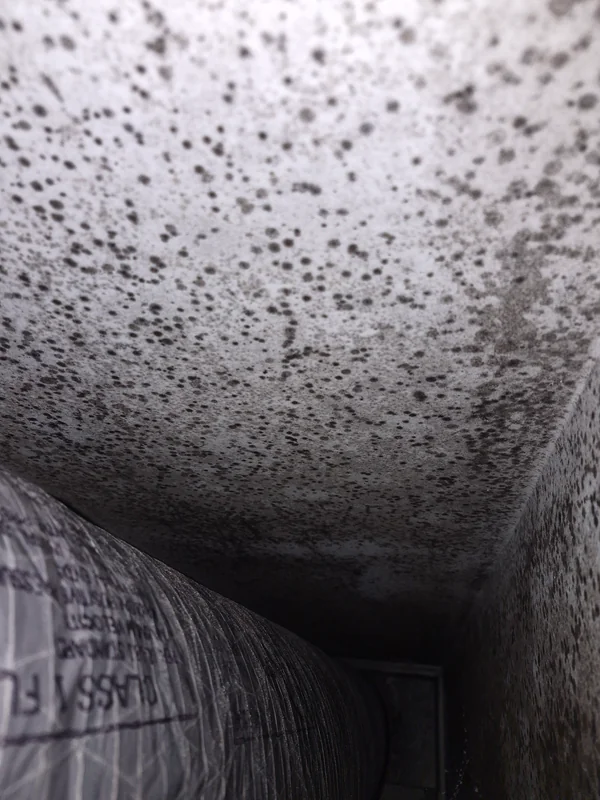
That smell is one of the most common things we hear from Page Lake homeowners who’ve been away for the winter. When a home is closed up for months, the HVAC system sits idle while the lake-adjacent environment keeps pushing humidity into the structure. Mold doesn’t need airflow to grow it needs moisture and organic material, both of which are present in dormant ductwork near a body of water the size of Page Lake.
By the time you return in May or June and run the system for the first time, you’re often distributing months of accumulated mold spores through every room at once. The musty smell isn’t just “the house being closed up.” It’s the system telling you something. A proper inspection will confirm whether mold is present in the ductwork and where it’s concentrated. If it is, a full cleaning with containment protocols will address it before your family spends the summer breathing air that’s been running through contaminated ducts. The free inspection is the right first step it costs nothing and tells you exactly what you’re dealing with.
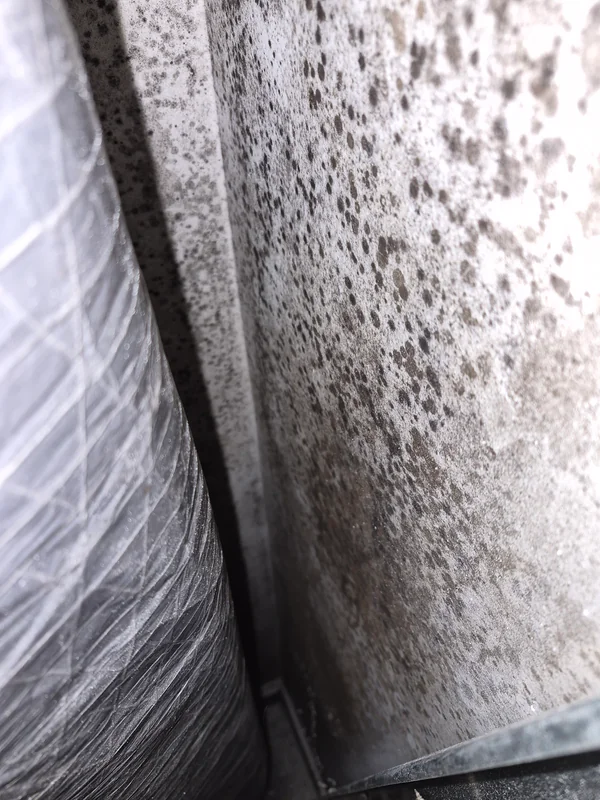
The honest answer is that you usually can’t tell from the outside. Mold in ductwork grows in the interior sections of the system not at the registers you can see from the floor, but deep inside where it’s dark, damp, and out of sight. Dust accumulation at the register is a visible sign that the system hasn’t been cleaned in a while, but the absence of visible dust doesn’t mean the interior is clean.
The reliable way to know is a professional inspection with lab testing. We take samples from inside the duct system and send them to a lab for analysis. That tells you not just whether mold is present, but what type it is which affects how the remediation is handled. For homes in the Lakeside area where lake humidity is a persistent factor, getting an actual lab result is worth more than a visual assessment. It’s the difference between knowing and guessing, and it’s what post-remediation verification is based on as well.
It matters significantly. A general HVAC contractor or duct cleaning company can vacuum out dust and debris, but disturbing mold without proper containment protocols is a real problem. When mold in ductwork gets disturbed without containment, spores become airborne and can spread to areas of the home that weren’t previously affected. In a lake home with older ductwork that may have gaps and unsealed joints which is common in the cabin-style properties around Page Lake that risk is higher than in a modern, tightly-sealed home.
We bring certified mold remediation training to every air duct cleaning job. That means containment is established before any cleaning begins, the source of moisture feeding the mold is identified, and the work follows remediation protocols rather than just a cleaning checklist. For a home in a lakefront community where the moisture conditions that caused the problem aren’t going away, hiring a mold specialist rather than a general duct cleaner is the decision that actually solves the issue long-term.
For a property that’s occupied seasonally and closed for extended periods, the standard recommendation of every three to five years doesn’t fully apply. The risk profile is different. When a home sits dormant through fall and winter near a 98-acre lake at Endless Mountains elevation where snowfall runs from October through May and the surrounding air stays humid the ductwork is exposed to moisture conditions for months without the regular airflow that would otherwise slow mold development.
A reasonable approach for seasonal Page Lake homeowners is to have the system inspected every time the property changes hands and at least every two to three years otherwise, with a full cleaning whenever mold is confirmed or when the musty-on-startup smell appears. If you’ve recently purchased an older cabin on Page Lake and don’t know the HVAC history of the property, an inspection before your first full season is the right call. You have no way of knowing what the previous owner’s maintenance habits were, and older ductwork in converted cabins frequently hasn’t been cleaned in years.
They’re two separate steps, and both matter when mold is involved. Air duct cleaning is the mechanical process removing the physical debris, dust, and biological contamination from inside the duct system using negative air pressure equipment and HEPA vacuums. It’s the foundational step. Air duct sanitizing comes after the cleaning is complete and involves applying an antimicrobial treatment to the interior surfaces of the ductwork to eliminate any remaining biological contaminants that mechanical cleaning alone may not fully address.
For homes in a moisture-rich environment like Lakeside, sanitizing is a reasonable follow-up step rather than an optional add-on. The lake-adjacent conditions that allowed mold to develop in the first place don’t disappear after the cleaning is done. Applying an antimicrobial treatment gives the system an additional layer of protection against regrowth, particularly in the months when the home may be closed and the HVAC is sitting idle again. We can walk you through whether sanitizing makes sense for your specific property based on what the inspection finds.
For the older cabin-style homes common to the Page Lake community, dryer vent cleaning is genuinely a fire safety issue, not a routine maintenance preference. The NFPA documents roughly 15,970 dryer-related house fires per year across the country, and failure to clean the dryer vent is the leading cause. Older homes that were originally built as seasonal camps or vacation cottages often have dryer vent configurations that weren’t designed for heavy year-round use shorter vent runs, older flexible duct material, or configurations that accumulate lint faster than a standard modern installation.
In the Lakeside area, where the heating and laundry season runs from October through May, dryers work hard for six to seven months straight. That’s a long season for lint to accumulate in a vent that may not have been cleaned in years. If you’ve converted your Page Lake cabin from seasonal to year-round use a trend that’s become more common as remote work has made permanent lake living practical your dryer vent load has likely increased significantly. A vent cleaning inspection takes a short amount of time and removes a genuine risk from an older home that wasn’t originally built with year-round occupancy in mind.
Other Services we provide in Lakeside