
Mold Inspection in Northampton, PA

Find It Before It Finds Your Family

Professional mold detection that catches problems early, documents what’s actually there, and gives you a clear path forward—no guesswork, no surprises.
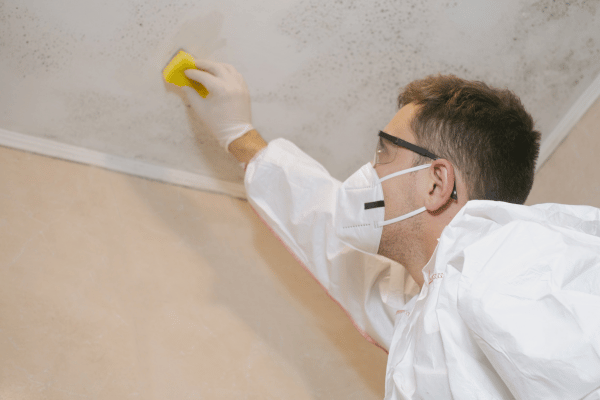
Protective worker in safety suit inspecting or treating mold spots on an indoor ceiling, addressing moisture damage and potential mold growth inside a building.

Hear from Our Customers

Professional Mold Detection Services

Know What You're Dealing With—Exactly

You’re not looking for someone to tell you what you already suspect. You need someone who can show you where mold is growing, what type it is, and why it’s there in the first place.

A proper home mold inspection does more than confirm a problem. It maps out moisture sources, identifies hidden contamination in places you can’t see, and gives you documentation that holds up with insurance companies or during a real estate transaction. That’s the difference between spending money twice and getting it right the first time.

Pennsylvania’s humidity doesn’t mess around. When indoor levels push past 60% in July and August, mold moves in fast—especially in basements and crawl spaces where airflow is limited. A black mold inspection catches it before it spreads into your HVAC system or behind finished walls. Early detection means smaller problems, lower costs, and fewer health risks for everyone in your house.

Certified Mold Inspectors Serving Northampton

Local Knowledge, Professional Standards

We’ve been helping homeowners in Northampton and throughout Bucks County handle mold problems that come with older homes and humid summers. We’re IICRC-certified, which means our team follows the same protocols used by insurance companies and environmental health professionals.

We know how basements behave in this area. Northampton has plenty of homes built before modern moisture barriers were standard, and that means water finds its way in through foundation cracks, window wells, and sump pump failures. We’ve seen the same issues show up in the same neighborhoods, and that experience helps us find problems faster and recommend fixes that actually work for your property type.

Protective worker collecting a mold sample from a stained indoor ceiling using a swab, inspecting moisture damage and potential mold growth inside a building.

Our Mold Inspection Process

What Happens During a Mold Inspection

We start with a visual assessment of your property, checking the usual suspects—bathrooms, basements, attics, crawl spaces—and any areas where you’ve noticed discoloration, musty smells, or past water damage. We’re also looking for conditions that support mold growth: high humidity, poor ventilation, condensation on windows or pipes.

Next comes moisture mapping. We use infrared cameras and moisture meters to find water you can’t see—inside walls, under flooring, above ceilings. Mold grows where moisture sits, so if we find elevated readings, we know where to look closer.

If we identify visible mold or suspect hidden contamination, we take air samples and surface samples. Those get sent to a third-party lab for analysis. You’ll get a report that tells you what species are present, the concentration levels, and whether they pose health risks. We also document everything with photos and moisture readings so you have a complete record.

After the lab results come back, we walk you through what we found and what it means. If remediation is needed, we explain the scope of work. If it’s a minor issue you can handle yourself, we’ll tell you that too.

Home interior with mold remediation in progress as a worker sprays treatment on a wall using a ladder, while a resident relaxes on a covered sofa in a renovated living room.

Ready to get started?

Explore More Services

About Mack's Mold Removal

What's Included in Mold Detection Services

More Than Just a Visual Check

A mold detection company that knows what they’re doing doesn’t just look around and give you a guess. You’re paying for equipment, lab work, and a written report that actually means something if you need to file a claim or renegotiate a home sale.

Our inspections include thermal imaging to detect temperature differences that indicate moisture problems, plus targeted air sampling in areas where contamination is likely. We test both indoor and outdoor air so you can see if your indoor levels are elevated compared to the baseline outside. Surface sampling happens when we find visible growth or staining that needs identification.

Northampton’s climate creates specific challenges. Summers here regularly hit 85°F with humidity between 62% and 93%. That’s perfect for mold. Add in older homes with stone foundations, minimal crawl space ventilation, and outdated bathroom exhaust fans, and you’ve got recurring moisture issues that need professional assessment. We measure humidity levels throughout your home and identify where moisture control improvements would make the biggest difference—better ventilation, dehumidification, grading changes, or waterproofing.

You’ll receive a detailed report with lab results, photos, moisture readings, and specific recommendations for remediation or prevention. If you’re buying or selling a home, this documentation satisfies disclosure requirements under Pennsylvania law and protects you from future liability.

How much does a mold inspection cost in Northampton, PA?

Most mold inspections in Northampton run between $300 and $600 depending on your home’s size and how many samples we need to collect. A typical single-family home inspection with air sampling and lab analysis usually falls in the $400 to $500 range.

That cost covers the visual assessment, moisture mapping with infrared and meter readings, air sampling from multiple locations, surface sampling if needed, lab analysis, and a written report with photos and recommendations. If your home is larger, has multiple levels, or requires extensive sampling due to widespread moisture issues, the cost goes up.

Some companies offer free inspections, but they’re usually tied to remediation estimates. You’re better off paying for an independent inspection so you know exactly what you’re dealing with before anyone starts quoting removal work. If you’re buying a home and the seller agrees to cover inspection costs, make sure you choose the inspector—not them.

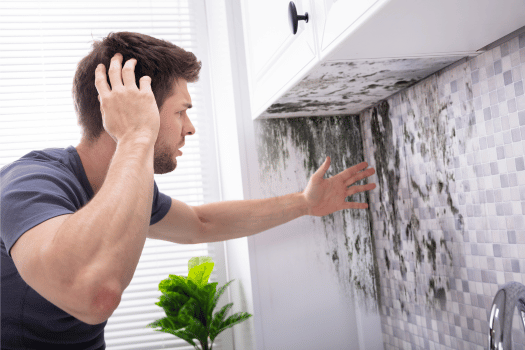
Visible discoloration on walls or ceilings is the obvious one, especially if it’s black, green, or brown and appears in bathrooms, basements, or around windows. But mold grows in places you can’t see, so other signs matter just as much.

Musty odors that don’t go away are a red flag. If your basement smells like wet cardboard or your bathroom smells earthy even after cleaning, there’s likely mold growing somewhere. Health symptoms that improve when you leave the house—respiratory issues, headaches, sinus congestion, skin irritation—can also indicate mold exposure, particularly if multiple people in your home experience them.

Water damage history is another reason to get an inspection. If you’ve had a roof leak, burst pipe, flooding, or persistent condensation problems, mold likely followed. Even if you dried everything out, mold can establish itself within 24 to 48 hours and continue growing inside wall cavities or under flooring. High humidity readings above 60% create conditions for mold growth, and in Northampton’s summer climate, that happens regularly in poorly ventilated spaces.

If you’re buying an older home in Northampton, yes. A standard home inspection checks for visible issues, but inspectors aren’t required to test for mold or move furniture and belongings to check hidden areas. Mold inspections go deeper.

Pennsylvania law requires sellers to disclose known material defects, including mold problems. But if they didn’t know about it—or claim they didn’t—you’re stuck with the remediation bill after closing. Mold remediation can cost anywhere from $1,500 to $10,000 depending on the extent of contamination, and insurance doesn’t always cover it if the damage resulted from long-term neglect or maintenance issues.

A pre-purchase mold inspection gives you leverage. If the lab results show elevated mold levels or identify toxic species like Stachybotrys (black mold), you can negotiate repairs, request remediation before closing, or adjust your offer to cover future costs. The inspection report also protects you legally—if the seller knew about mold and didn’t disclose it, you have documentation to support a claim. For a few hundred dollars, you’re protecting a six-figure investment.

Plan on two to three hours for the on-site inspection, depending on your home’s size and the number of areas we need to assess. Smaller homes or condos might take closer to 90 minutes. Larger homes with basements, attics, and crawl spaces can take three hours or more.

We’re not rushing through it. A thorough inspection means checking every room, measuring moisture levels in walls and floors, using thermal imaging to find hidden water intrusion, and collecting air and surface samples from multiple locations. If you’ve had past water damage or we find conditions that suggest hidden mold, we’ll spend extra time investigating those areas.

Lab results typically come back within three to five business days. Once we have those results, we’ll schedule a follow-up call or meeting to review the findings and discuss next steps. The entire process from inspection to final report usually wraps up within a week. If you’re working within a real estate transaction timeline, let us know—we can prioritize lab processing to meet your closing deadlines.

You can buy a test kit at the hardware store for $10 to $50, but it won’t give you useful information. Most DIY kits use settle plates that collect whatever’s floating in the air, and since mold spores are everywhere, you’ll always get a positive result. The kit doesn’t tell you what species you’re dealing with, whether the concentration is abnormal, or where the mold is actually growing.

Professional mold detection uses calibrated air pumps that pull a specific volume of air through a collection device, which gets analyzed by an accredited lab. We compare your indoor levels to outdoor baseline levels and identify the species present. Some molds are harmless. Others, like Stachybotrys or Aspergillus, pose serious health risks and require immediate remediation.

DIY kits also can’t find hidden mold. If it’s growing inside your walls, under flooring, or in your HVAC system, a settle plate sitting on your counter won’t detect it. We use moisture meters and infrared cameras to locate water intrusion and hidden contamination that you’d never find on your own. If you’re trying to save money, a DIY kit won’t do it—you’ll end up paying for a professional inspection anyway once you realize the kit didn’t answer your questions.

First, don’t panic. Finding mold doesn’t mean your house is uninhabitable or worthless. It means you have a moisture problem that needs to be fixed, and the mold needs to be removed properly so it doesn’t come back.

We’ll walk you through the lab results and explain what species were found, where the contamination is located, and what’s causing the moisture that’s feeding it. Then we’ll outline the remediation process—what needs to be removed, what can be cleaned, and what moisture control improvements you should make to prevent future growth.

If the contamination is limited to a small area—say, a bathroom corner or a section of basement drywall—you might be able to handle it yourself with proper safety equipment. If it’s widespread, hidden behind walls, or involves toxic species, you’ll need professional remediation. We’ll provide a detailed scope of work so you know what to expect, and we can handle the remediation ourselves or refer you to a qualified contractor if you prefer.

Once remediation is complete, we recommend post-remediation testing to confirm the mold is gone and air quality is back to normal levels. That gives you documentation that the problem was properly addressed, which matters for resale value and your own peace of mind.

Other Services we provide in Northampton