
Hear from Our Customers
You can’t see most air quality problems. That’s the issue. Mold spores, radon gas, volatile organic compounds—they don’t announce themselves until someone’s coughing, getting headaches, or dealing with allergies that won’t quit.
A professional air quality test gives you actual data. Not guesses. Not assumptions based on a musty smell or a stain on the wall. You get lab results that tell you exactly what’s in your air and at what levels.
From there, you’re not wondering if you need to do something. You know. And if there is a problem, you know what it is and how serious it is. That’s when you can make a real decision about your next step—whether it’s remediation, ventilation improvements, or just peace of mind that your home is fine.
Most people who call us aren’t overreacting. They’re tired of not knowing. And honestly, that’s the smart move. Because if something is wrong, catching it early means less damage, lower cost, and fewer health risks down the road.
We’ve been testing and treating air quality issues across Bucks County for years. We’re local, we’re licensed, and we understand what homes in this area deal with—especially the older construction, basement moisture issues, and Pennsylvania’s radon problem.
Northampton sits right in a region where 40% of homes test above EPA action levels for radon. Add in the humidity swings we get here, and you’ve got conditions that can quietly create mold growth or trap VOCs indoors. We see it all the time.
When you work with us, you’re getting someone who knows the area, uses EPA-approved testing methods, and won’t try to sell you services you don’t need. We test, we report, and we explain what the results actually mean for your home.
First, we talk. You tell us what’s going on—symptoms, concerns, visible issues, whatever brought you here. That helps us know what to focus on during the test.
Then we come to your home in Northampton and set up our equipment. Depending on what we’re testing for, this might include air sampling devices, moisture meters, radon detectors, or VOC monitors. Some tests give immediate readings. Others require lab analysis, which typically takes a few days.
Once we have the results, we walk you through them. Not in technical jargon—in plain terms. We’ll tell you if levels are elevated, what the health risks are, and what your options are for fixing it. If remediation is needed, we can handle that too. If it’s something else—like a ventilation issue or an HVAC problem—we’ll point you in the right direction.
The whole process is straightforward. No upselling. No scare tactics. Just honest testing and clear communication so you can make the right call for your home.
Ready to get started?
Our residential air quality testing covers the most common indoor pollutants: mold spores, radon gas, carbon monoxide, volatile organic compounds, dust, and allergens. These are the things that cause respiratory issues, fatigue, headaches, and long-term health concerns if left unchecked.
In Northampton and the surrounding Bucks County area, radon is a big one. Pennsylvania has some of the highest radon levels in the country, and this region is no exception. Radon is colorless, odorless, and comes up through foundation cracks. You’d never know it’s there without testing—but it’s the second leading cause of lung cancer in the U.S.
Mold is another major concern here, especially in basements and crawl spaces. Our climate creates the perfect conditions for mold growth when moisture gets trapped. A mold air test can detect spore levels even when you don’t see visible growth yet.
We also test for VOCs, which come from paints, cleaning products, building materials, and furniture. These chemicals off-gas over time and can accumulate indoors, especially in newer or recently renovated homes with tight construction. Carbon monoxide testing is included when there’s any concern about combustion appliances or attached garages.
Every test uses advanced equipment and, when needed, third-party lab analysis. You’re not getting a DIY kit result. You’re getting professional-grade data that actually means something.
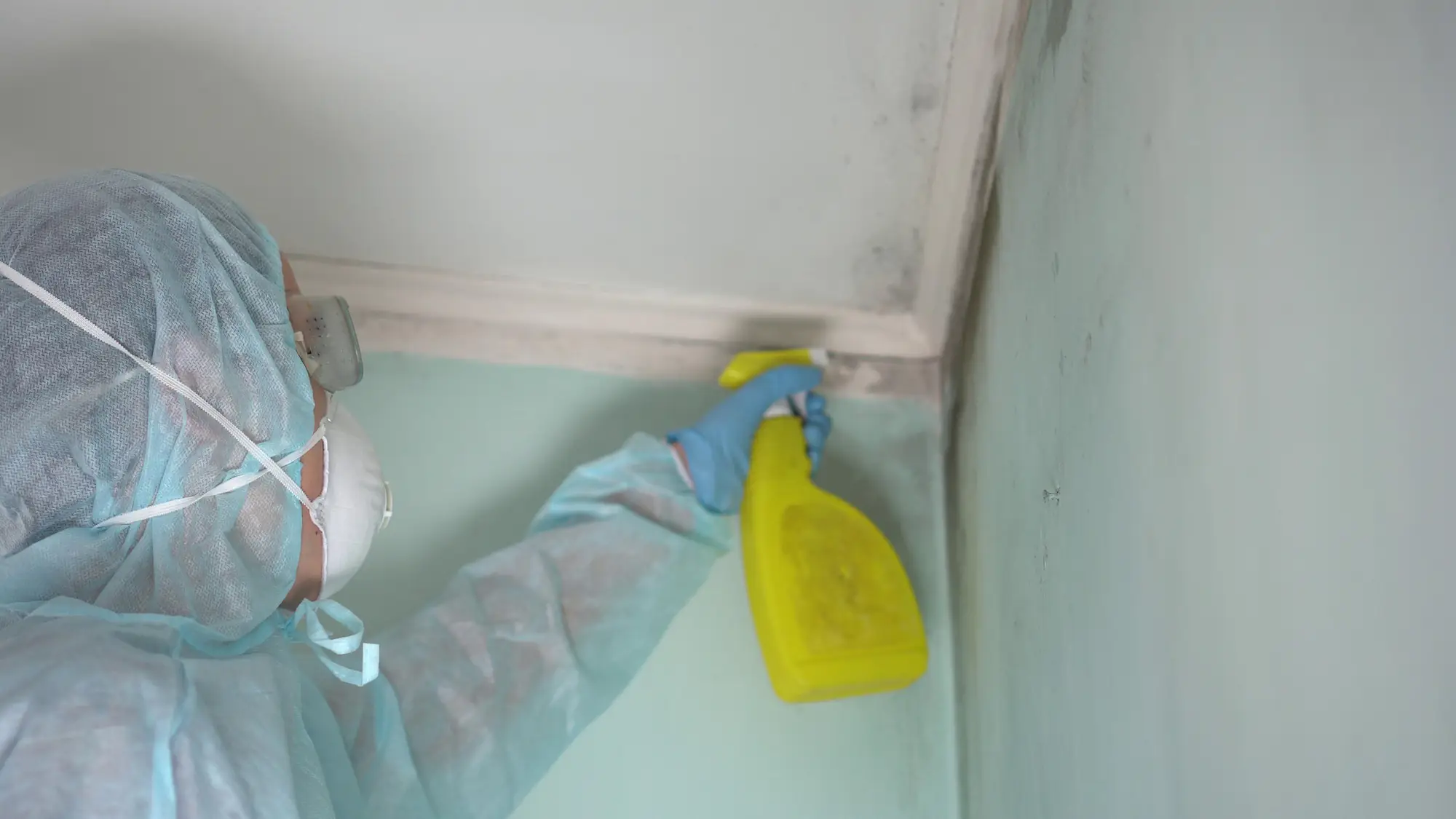
Cost depends on what you’re testing for and how comprehensive you want the assessment to be. A basic mold air test or radon test typically runs a few hundred dollars. A full indoor air quality test that checks for mold, VOCs, carbon monoxide, and other pollutants will cost more—usually in the range of $400 to $800, depending on the size of your home and the complexity of the testing.
If you’re dealing with a specific issue—like a known mold problem or a radon concern—we can focus the testing on that and keep costs down. If you’re buying a home, selling, or just want a complete picture of your indoor air, a comprehensive test makes more sense.
We’ll give you an upfront estimate before we start. No surprises.
The actual testing appointment usually takes one to two hours, depending on the size of your home and what we’re testing for. We’ll set up equipment, take samples, and do any on-site measurements needed.
Some results are immediate—like carbon monoxide levels or moisture readings. Other tests, especially mold air testing and VOC analysis, require lab work. Those results typically come back within three to five business days.
Radon testing is a bit different. It requires a longer monitoring period—usually 48 to 72 hours—to get an accurate reading. We’ll leave a radon detector in your home, then pick it up and send it to the lab. You’ll have results within a week.
Once we have everything, we’ll schedule a time to go over the findings with you and discuss next steps if anything needs attention.
You can buy DIY air quality test kits online or at hardware stores, and some of them are decent for basic screening. But they have limits. Most DIY kits only test for one thing—like mold or radon—and the accuracy can be hit or miss depending on how you use them.
Professional air quality testing uses calibrated equipment and lab analysis. We’re testing for multiple pollutants at once, measuring concentrations, and interpreting results in context. For example, some mold is normal in every home. What matters is the type and the level. A DIY kit won’t tell you that.
If you’re dealing with health symptoms, planning remediation, working with insurance, or buying a home, you want professional testing. The data is more reliable, and you’ll have documentation that actually holds up if you need it later.
DIY kits are fine if you just want a rough idea. But if you need real answers, professional testing is the way to go.
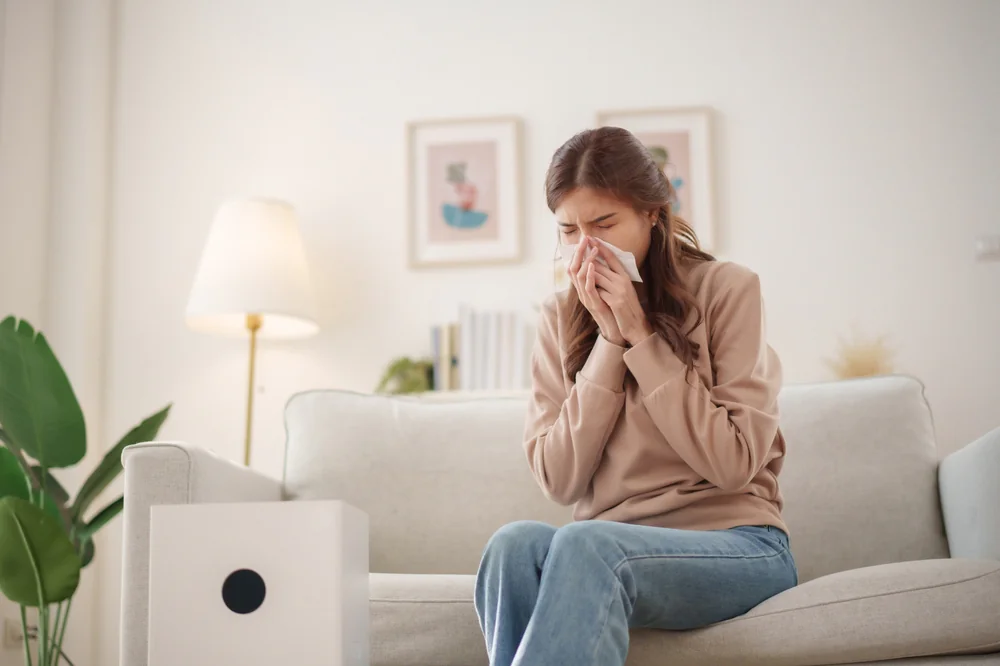
The most common signs are health symptoms that don’t have an obvious cause. If you or your family are dealing with ongoing allergies, coughing, sneezing, headaches, dizziness, or fatigue—and it seems worse when you’re home—that’s a red flag.
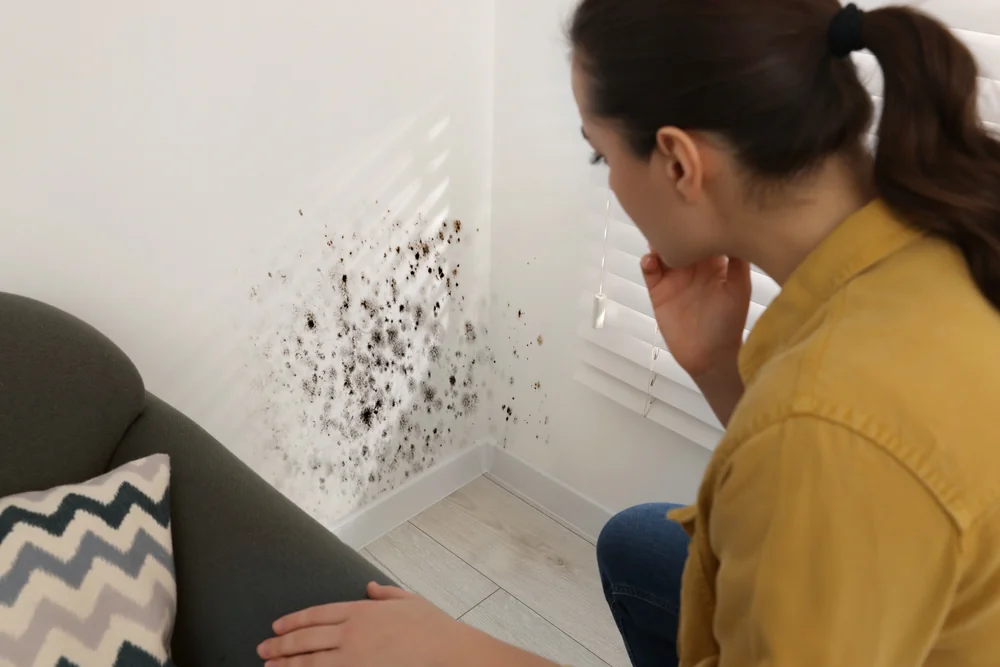
Visible mold, water damage, or a musty smell are obvious indicators. But even if you don’t see mold, you could still have a problem. Mold can grow inside walls, under flooring, or in HVAC systems where you’d never notice it without testing.
If your home is in Northampton or anywhere in Bucks County and you’ve never tested for radon, that’s another reason. This area has high radon potential, and the only way to know if your home is affected is to test.
Other signs include recent renovations (which can release VOCs), new furniture or carpeting (same issue), or if your home feels stuffy and poorly ventilated. Older homes with basements or crawl spaces are especially prone to air quality issues because of moisture and limited airflow.
If we find elevated mold spore levels, we’ll identify the type and concentration, then talk through your options. Some mold issues are minor and can be addressed with better ventilation or dehumidification. Others require professional mold remediation, especially if it’s a toxic variety or if it’s spread into building materials.
We handle mold remediation in-house, so if that’s needed, we can take care of it. We use EPA-approved methods, contain the affected area, remove contaminated materials, and treat surfaces to prevent regrowth. Then we retest to confirm the air is clear.
For radon, the solution is a radon mitigation system. This typically involves installing a vent pipe and fan system that pulls radon gas from beneath your home and vents it outside. It’s effective and permanent. We can refer you to trusted radon mitigation specialists in the area, or in some cases, coordinate that work as part of a larger remediation project.
Either way, you’ll know exactly what needs to happen, what it costs, and how long it takes. No guessing.
We do. If your air quality issue is related to a covered event—like water damage from a burst pipe or a storm—your homeowner’s insurance may cover testing and remediation. We can work directly with your insurance company, provide documentation, and help with the claims process.
That said, not all air quality testing is covered. Radon testing and general indoor air quality assessments usually aren’t, because they’re considered maintenance or preventive. Mold remediation is sometimes covered, but it depends on the cause. If the mold resulted from a sudden, accidental water event, there’s a good chance it’s covered. If it’s from long-term moisture or lack of maintenance, probably not.
We’ll be straight with you about what’s likely to be covered and what’s not. And if insurance doesn’t apply, we offer financing options to make the work affordable. The goal is to get your air quality fixed, not to leave you stuck because of cost.
Other Services we provide in Northampton