
Hear from Our Customers
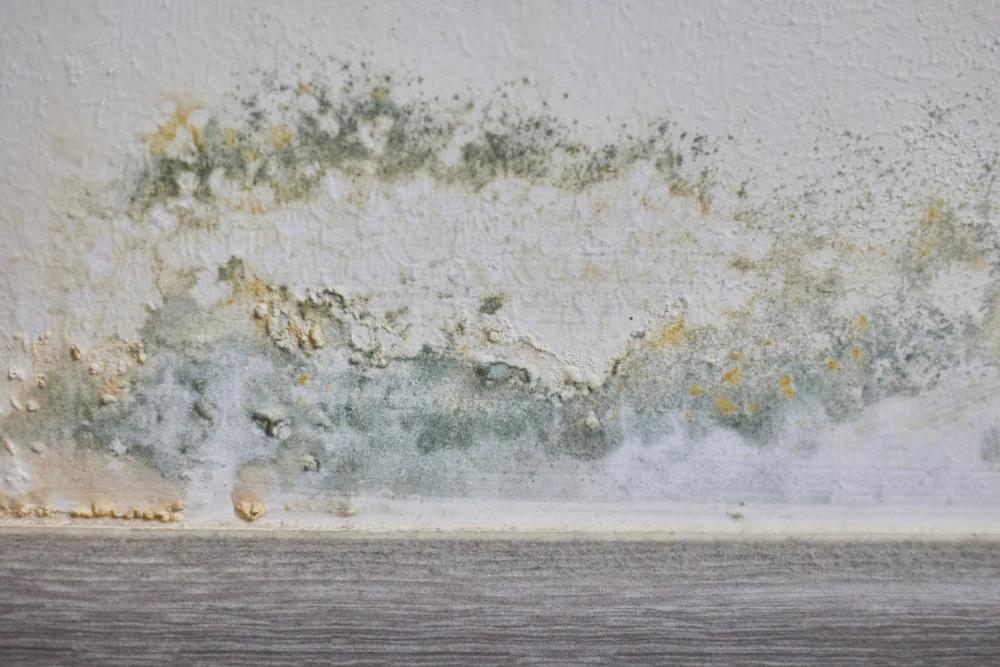
You’re dealing with more than a cosmetic problem. Mold affects the air you breathe, your family’s health, and what your home is worth. In Northampton County, where humid summers and moisture from the Lehigh Valley create perfect conditions for growth, mold can establish colonies within 24 to 48 hours after water damage.
Professional mold mitigation stops that cycle. You get a home where your kids aren’t coughing at night, where you’re not wondering what’s growing behind the walls, and where potential buyers won’t walk away because of contamination concerns.
The difference is elimination, not just cleanup. When mold is properly mitigated, the spores are contained and removed, the air quality is restored, and the source of moisture is addressed so it doesn’t come back. That’s what lets you actually use your basement again, sleep without worry, and know your property value isn’t dropping 20% because of something you can’t even see.
We work throughout Northampton and the surrounding Lehigh Valley because we live here. We know how quickly basements flood near the Delaware, how attics trap humidity in older homes, and why mold problems in this area need immediate attention.
Our team is IICRC certified, which means we follow the industry standards for containment, removal, and air filtration. We’ve handled over 7,000 jobs, and we respond within that critical 24-48 hour window when mitigation actually prevents major contamination instead of just reacting to it.
You’re not getting a crew that shows up whenever. You’re getting technicians who understand Pennsylvania homes, carry the right equipment, and know how to work with your insurance company when coverage applies.
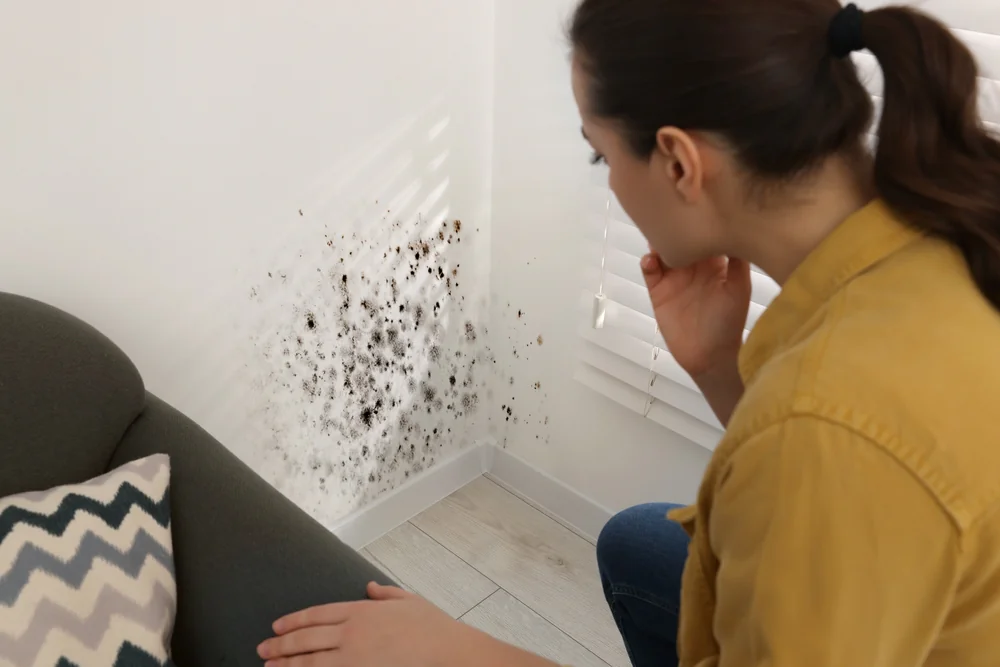
First, we inspect the entire affected area, not just where you see visible growth. Mold hides behind drywall, under flooring, and in HVAC systems. We use moisture meters and thermal imaging to find it all.
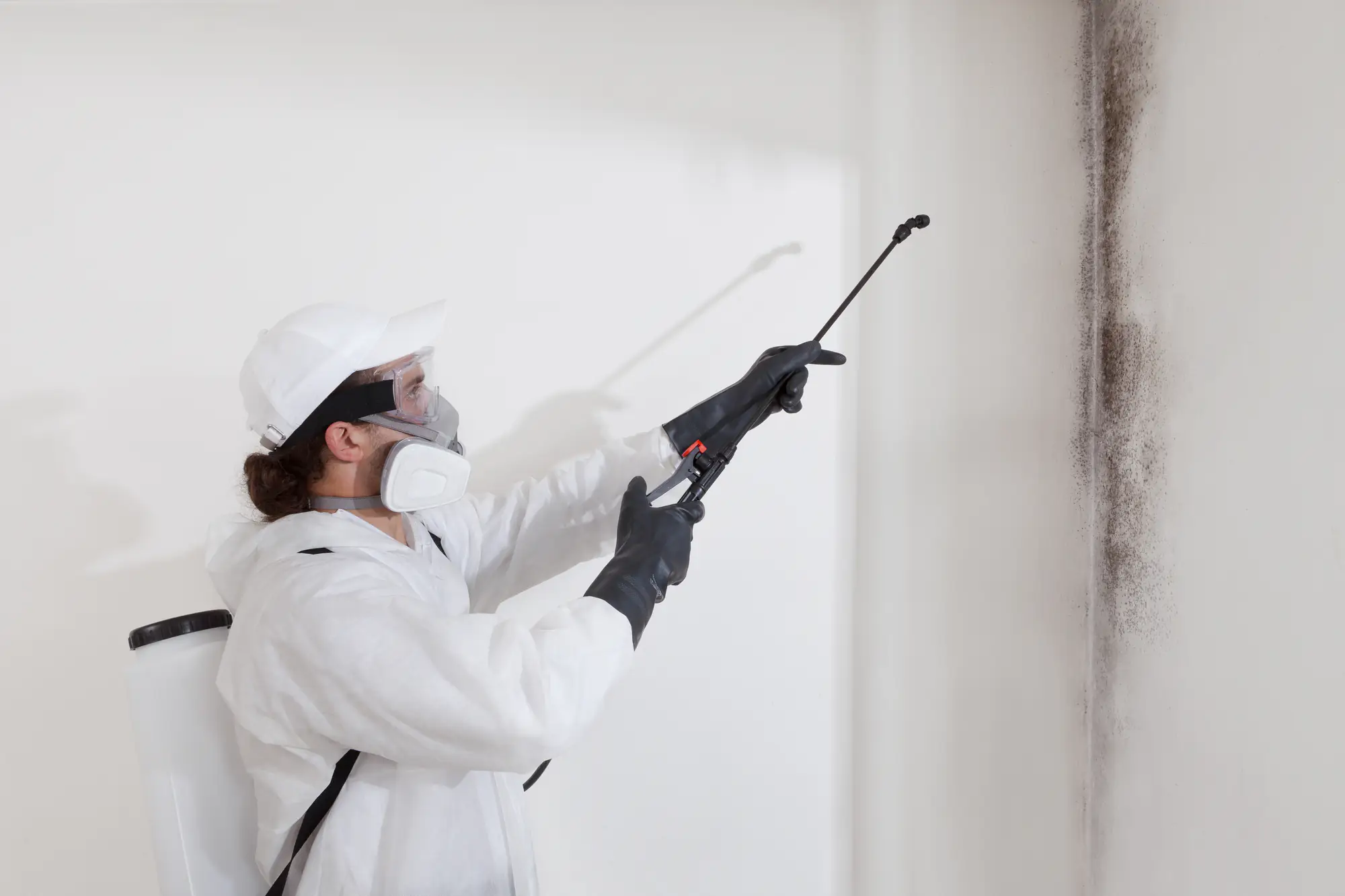
Next comes containment. We seal off the area with physical barriers and negative air pressure so spores don’t spread to clean parts of your home during removal. Then we remove contaminated materials, clean and sanitize all surfaces with HEPA vacuums and antimicrobial treatments, and run air scrubbers to filter out airborne spores.
The final step is verification. We test the air quality to confirm the mold is actually gone, not just covered up. If there’s reconstruction needed after removal, we handle that too. You’re not coordinating between three different companies. One team takes you from contamination to completion.
Ready to get started?
You get a full inspection with documentation for insurance claims, complete containment setup, removal of all contaminated materials, HEPA filtration and air scrubbing, antimicrobial treatment of affected surfaces, and final air quality testing. If your situation needs it, we also handle water extraction, structural drying, and reconstruction after mold removal.
In Northampton, PA, we’re seeing more mold calls from homes near the Lehigh River and properties with older HVAC systems that don’t control humidity well. Pennsylvania’s climate puts nearly half of homes at risk for mold contamination, and the window to prevent it from spreading is small. That’s why our team is available 24/7 for emergency response.
The goal isn’t just removing what you can see. It’s eliminating the spores you can’t see, fixing the moisture problem that caused it, and making sure it doesn’t come back. That’s the difference between mold removal and actual mitigation. One cleans up the mess. The other solves the problem.
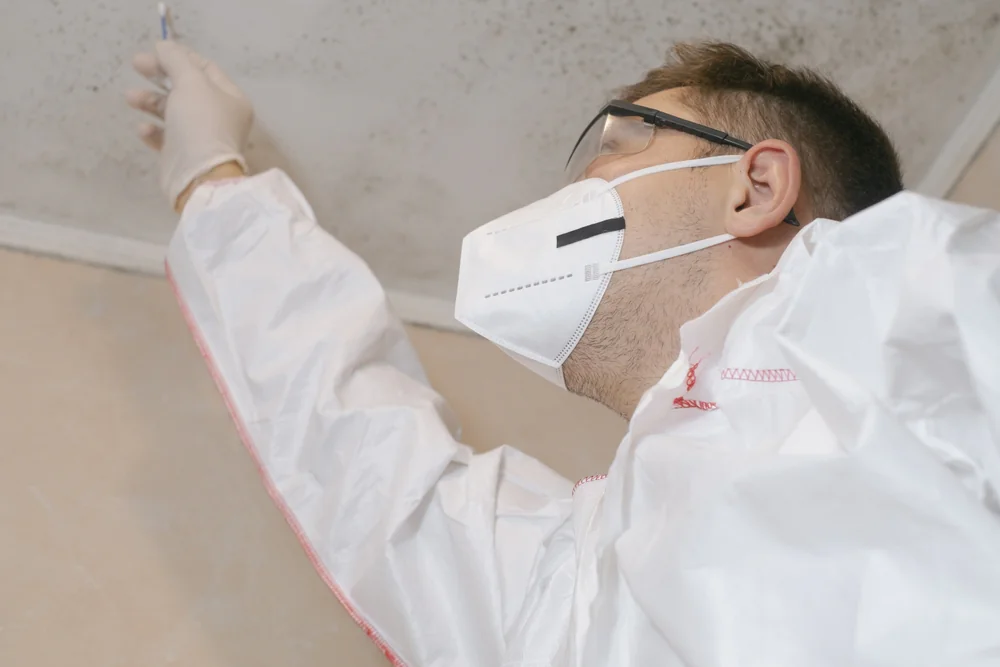
Mold can start forming within 24 to 48 hours after water exposure. If your basement floods on a Monday evening, colonies can be establishing behind your drywall by Wednesday morning.
That’s why speed matters. The longer water sits, the deeper it penetrates into porous materials like drywall, insulation, and wood framing. Once mold takes hold in those hidden areas, you’re not just dealing with surface growth anymore.
In Northampton County, where humidity stays high even after the visible water dries, conditions stay favorable for mold much longer than in drier climates. Your walls might look dry on the outside while moisture is still trapped inside the cavities. Professional mitigation within that 24-48 hour window can prevent contamination instead of just reacting to it after the damage is done.
Mold removal focuses on cleaning up visible growth. Mold mitigation addresses the entire problem, including the spores you can’t see and the moisture source that caused it.
When you just remove mold, you’re treating the symptom. The spores are still in your HVAC system, still behind your walls, and still in the air. The moisture problem that created the environment for growth is still there. So it comes back.
Mitigation means containment to prevent spread during the process, complete removal of contaminated materials, HEPA filtration to capture airborne spores, antimicrobial treatment of all affected surfaces, and addressing the underlying moisture issue. You’re eliminating the contamination and the conditions that let it thrive. That’s what actually keeps your home mold-free long-term, not just mold-free for a few weeks.
It depends on what caused the mold. If it resulted from a sudden, accidental event like a burst pipe or storm damage, most policies will cover mitigation. If it’s from long-term neglect or maintenance issues, probably not.
The key is documentation. Insurance companies want to see that the water damage was unexpected and that you responded quickly. They don’t cover mold that developed because a slow leak went ignored for months.
We work directly with insurance companies and know what documentation they need. We’ll photograph everything, document the moisture levels, and provide detailed reports that support your claim. Most mold mitigation contractors do this because it’s standard in the industry. The average mitigation costs around $2,300, but letting mold damage continue can drop your home value by 20% to 37%. Insurance coverage makes a huge difference in whether you can afford to handle it properly.
You can try, but you’ll likely make it worse. DIY mold cleanup usually misses the hidden growth and spreads spores to areas that weren’t contaminated before.
Here’s what happens: you scrub the visible mold, which releases thousands of spores into the air. Without proper containment and HEPA filtration, those spores land on your furniture, in your vents, and in other rooms. You’ve just turned a localized problem into a whole-house problem.
The bigger issue is what you can’t see. If there’s mold on your drywall, there’s almost certainly mold inside the wall cavity, in the insulation, and on the framing. Surface cleaning doesn’t touch that. Professional mitigation includes removing contaminated materials, not just wiping them down. We also use equipment you don’t have access to, like negative air machines and commercial-grade HEPA vacuums. For small surface areas under 10 square feet with no underlying moisture problem, DIY might work. Anything beyond that needs professional mitigation.
Most residential mold mitigation jobs take three to five days, depending on how much area is affected and how deep the contamination goes.
Day one is usually inspection and containment setup. We’re identifying all the affected areas, setting up barriers, and establishing negative air pressure. Days two and three involve removing contaminated materials, cleaning and treating all surfaces, and running air scrubbers. Days four and five are for final cleaning, air quality testing, and starting any necessary reconstruction.
If you’re dealing with a small area like a bathroom with mold around the tub, it might only take two days. If your entire basement flooded and mold spread through the HVAC system, you’re looking at a week or more. The timeline also depends on how long it takes to dry out structural materials. We can’t seal everything back up until moisture levels are back to normal, or you’ll just create conditions for mold to return. We’ll give you a specific timeline after the initial inspection.
Mold exposure causes respiratory issues for most people, stuffy nose, sore throat, coughing, and wheezing. If you have asthma or mold allergies, the reactions are more severe. Children exposed to mold have an 11% chance of developing asthma compared to 7% in mold-free homes.
The concern isn’t just about current symptoms. Long-term exposure, even to low levels, increases your risk of developing chronic respiratory conditions. Mold contributes to 4.6 million asthma cases annually in the U.S. That’s not a small number.
You should be concerned the moment you see visible growth or smell that musty odor. Both indicate active mold colonies releasing spores into your air. You should also be concerned after any water damage, even if you don’t see mold yet, because it’s likely growing in hidden areas. The health risks are real enough that removing mold can reduce asthma symptoms by 25% to 45%. If anyone in your home is coughing more, having trouble breathing, or dealing with unexplained allergy symptoms, get your air quality tested. Don’t wait until someone ends up needing medical treatment.
Other Services we provide in Northampton