
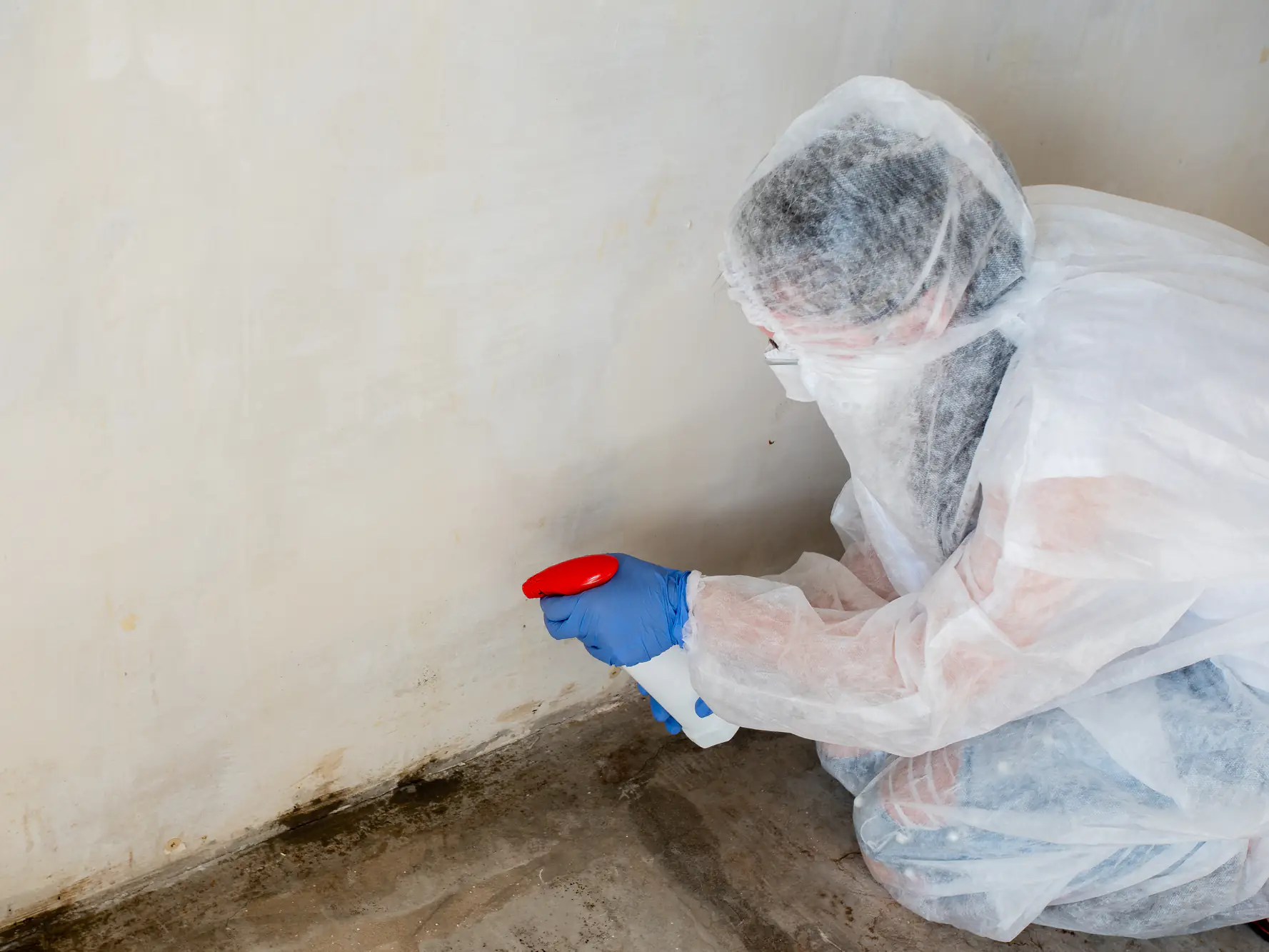
Hear from Our Customers
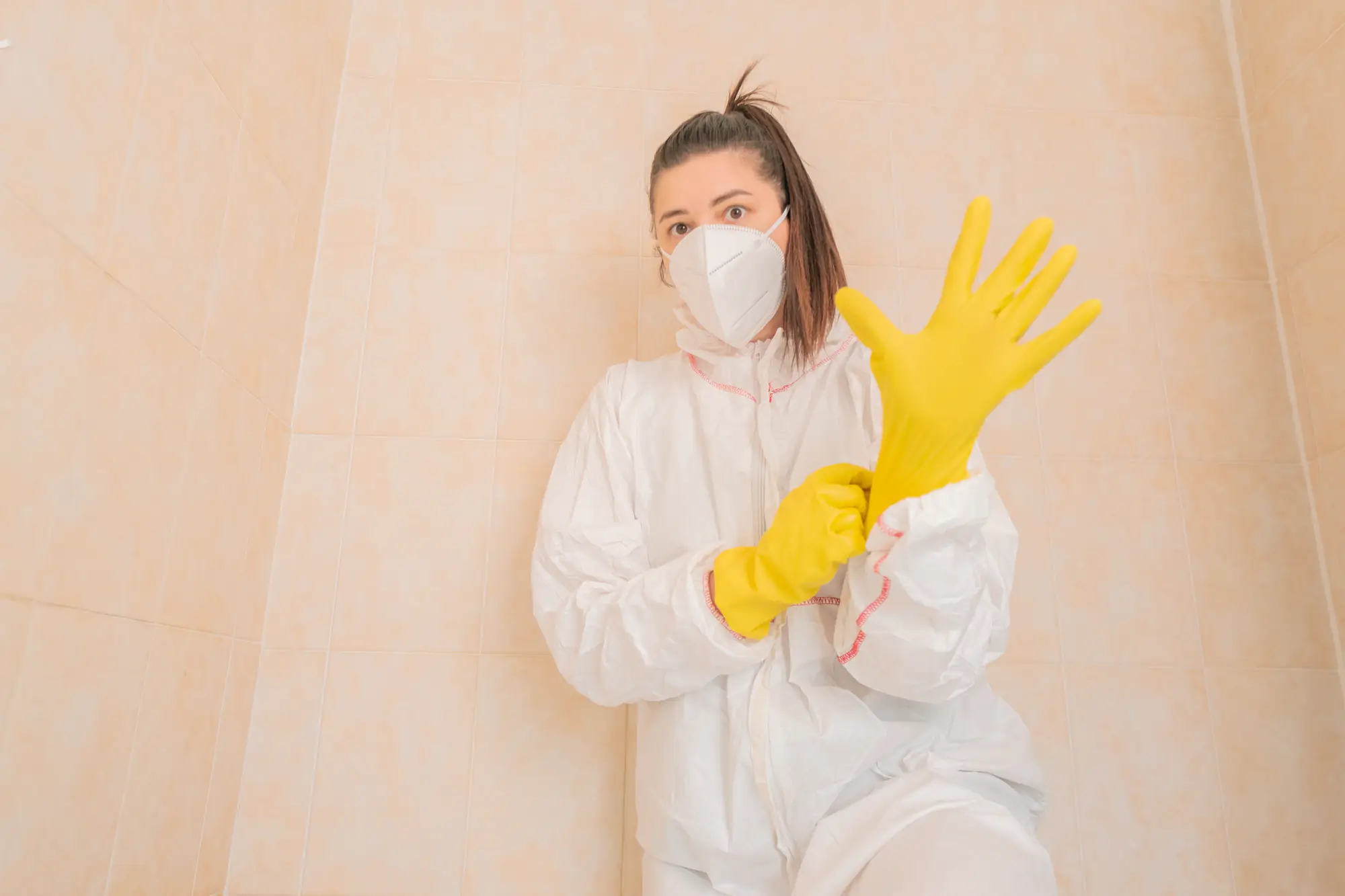
You’re not dealing with that musty smell anymore. Your basement doesn’t feel damp when you walk down the stairs. The black spots on your bathroom ceiling are gone—actually gone, not just painted over.
Your family stops sneezing as much. You’re not wondering if that cough your kid has is from something growing in the walls. You can breathe easier, literally, because the air quality in your home has been restored to what it should be.
The best part? You’re not worried about it coming back in six months. We don’t just clean what you can see. We find the moisture source that caused the problem in the first place, eliminate the contamination using professional containment and HEPA filtration, and address the conditions that let mold grow. That’s the difference between a quick fix and actual mold remediation.
We serve homeowners throughout Northampton and Bucks County. We’re not a national franchise following a script. We’re local mold removal specialists who understand how basement moisture develops differently in Northampton’s older foundations and which neighborhoods deal with recurring humidity issues because of how they were built.
Pennsylvania’s climate is tough on homes. Humid summers push indoor humidity past 60%, and that’s an open invitation for mold growth. Add in older construction methods and aging infrastructure, and you’ve got the perfect conditions for contamination that most homeowners don’t see until it’s already spread.
We use IICRC-certified technicians, EPA-approved methods, and professional-grade equipment because that’s what actually works. Not because it sounds good in an ad, but because cutting corners means you’re dealing with the same problem again next year.
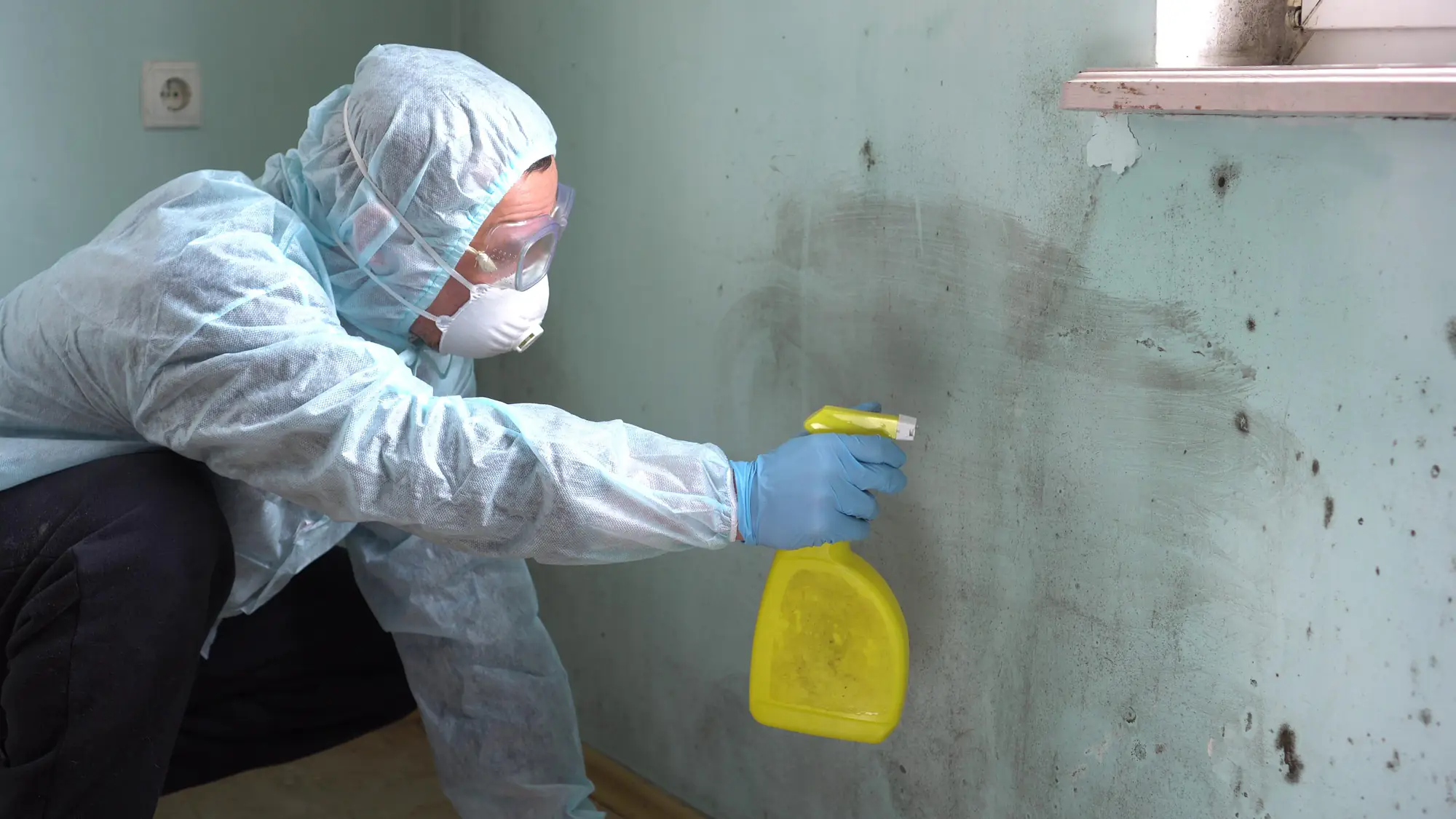
First, we come out for a free inspection. We’re looking for visible mold, but also checking areas where contamination hides—behind wallpaper, inside wall cavities near plumbing, in attic spaces where condensation occurs. Pennsylvania’s humidity means mold grows in places most people don’t think to look.
Once we know what we’re dealing with, you get a detailed written estimate that breaks down all costs before any work starts. No surprises, no upselling once we’re halfway through the job.
During remediation, we set up complete containment with negative air pressure so spores don’t spread to clean areas of your home. HEPA filtration runs continuously while we work. We remove contaminated materials properly, treat affected surfaces with EPA-approved solutions, and address the moisture source that caused the problem initially. If your basement has a humidity issue, we’re fixing that. If there’s a leak, we’re finding it.
After everything’s cleaned and dried, we can arrange post-remediation air quality testing. You get documentation that shows the work was done right—useful for your own peace of mind, for insurance claims, or if you ever sell the property.
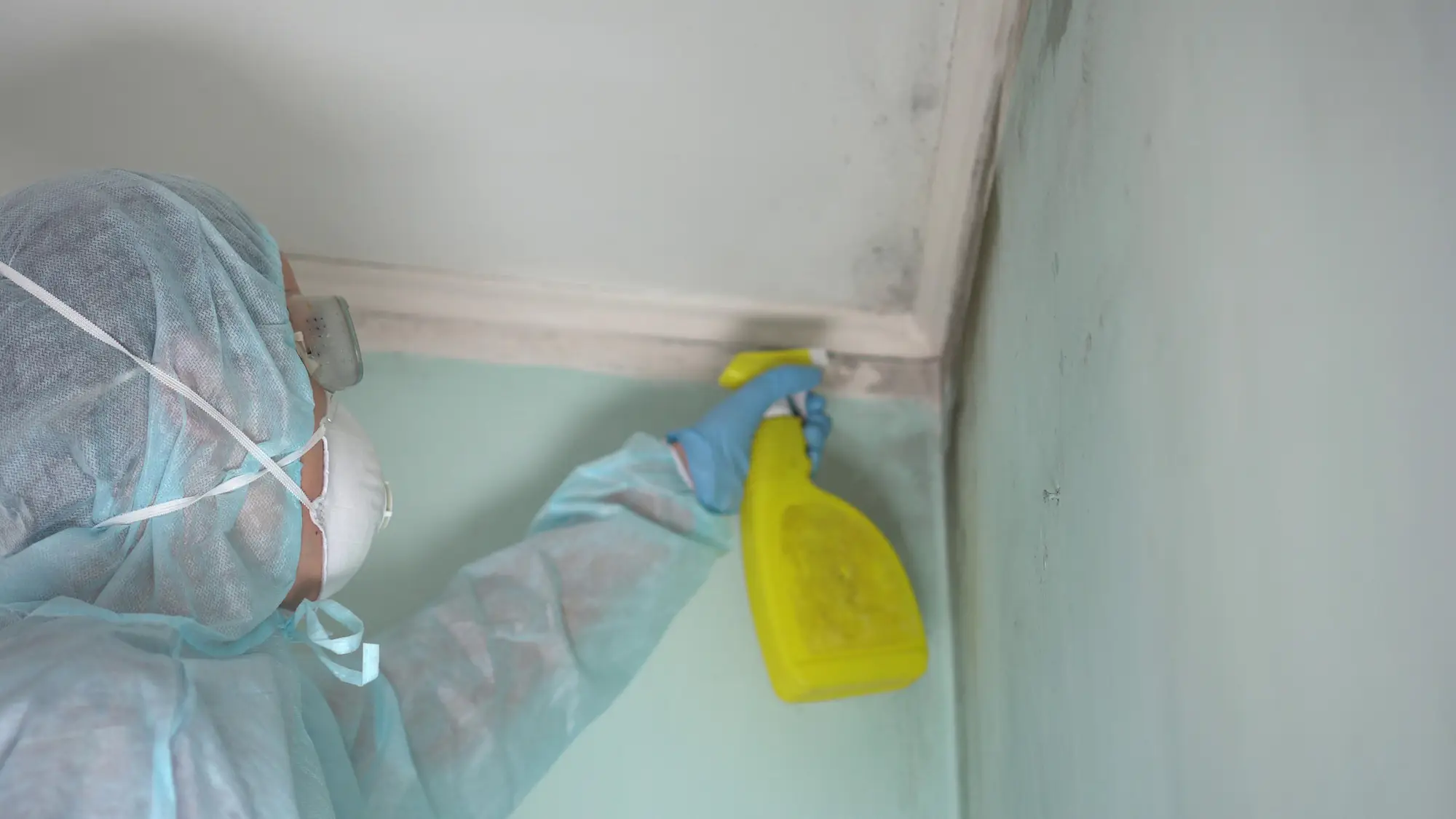
Ready to get started?
When you scrub visible mold with household cleaners, you’re disturbing spores and spreading them through your home’s air system. That’s not remediation. That’s making the problem worse while thinking you fixed it.
Professional mold treatment involves containment systems that isolate the work area, negative air pressure that prevents cross-contamination, and HEPA filtration that captures spores before they circulate. We’re not just wiping down surfaces. We’re removing contaminated materials that can’t be salvaged, treating what can be saved, and eliminating the conditions that allowed growth in the first place.
In Northampton’s older homes, that often means dealing with foundation moisture, poor ventilation in bathrooms and attics, or plumbing issues that have been slowly leaking for months. The mold you see is the symptom. We’re treating the cause.
We also work directly with insurance companies to help navigate the claims process. Mold coverage varies by policy, but having proper documentation and working with certified professionals makes the process smoother. Most residential projects in this area range from $1,500 for small bathroom contamination to $8,000 or more for whole-house issues from flooding, depending on the extent and location of growth.

If the affected area is larger than about 10 square feet, if you’re seeing mold in multiple locations, or if it keeps coming back after you’ve cleaned it, you need professional help. The EPA’s guideline is pretty clear on this—small surface mold on non-porous materials might be something you can address yourself, but anything beyond that requires proper equipment and expertise.
Here’s what most people don’t realize: visible mold is usually just part of the problem. If you’re seeing growth on your bathroom ceiling or basement walls, there’s likely contamination inside the wall cavity or in areas you can’t access. Disturbing mold without proper containment spreads spores throughout your home’s air system, which is exactly what you’re trying to avoid.
The other factor is the moisture source. You can clean mold off a surface, but if you don’t fix what’s causing the humidity or water intrusion, it grows right back. Professional mold remediation addresses both the contamination and the conditions that created it. That’s why the work actually lasts.
Black mold—usually Stachybotrys chartarum—gets a lot of attention because it produces mycotoxins that can cause serious health issues, especially with prolonged exposure. But here’s the thing: you can’t identify mold species just by looking at it. What appears black might be Stachybotrys, or it could be several other types of mold that also happen to be dark-colored.
From a health and remediation standpoint, all mold growth in your home is a problem. Different species cause different reactions in different people. Some folks have severe allergic reactions to common molds like Aspergillus or Penicillium. Others might not react much at all to Stachybotrys. It depends on your individual sensitivity, the concentration of spores, and how long you’re exposed.
The approach doesn’t change based on color. Whether it’s black, green, white, or any other shade, professional mold removal follows the same protocols: contain the area, use HEPA filtration, remove contaminated materials, treat surfaces properly, and fix the moisture problem. Trying to determine the species yourself and deciding whether it’s “dangerous enough” to address is missing the point. If there’s mold growing in your home, it needs to be removed correctly.
For most residential jobs in Northampton, the actual remediation work takes anywhere from one to five days, depending on the size of the affected area and how extensive the contamination is. A small bathroom with surface mold might be done in a day. A finished basement with growth behind drywall and insulation could take a week.
The timeline also depends on drying time. After we remove contaminated materials and treat affected surfaces, everything needs to dry completely before we can close things back up. Pennsylvania’s humidity doesn’t help here—we use commercial dehumidifiers and air movers to speed the process, but you can’t rush it. Sealing moisture into walls or floors just creates conditions for new growth.
The inspection happens first and usually takes an hour or two. You’ll have the written estimate within a day or so after that. Once you approve the work and we schedule it, most jobs start within a few days unless it’s an emergency situation—then we can often get there same-day or next-day. Post-remediation testing, if you want it, adds another day or two after the work is complete. So from your first call to final clearance, you’re typically looking at one to three weeks total, with the bulk of that being scheduling and drying time rather than active work.
It depends on what caused the mold growth. Most homeowners insurance policies cover mold remediation if it resulted from a “covered peril”—things like a burst pipe, storm damage, or a sudden leak from your water heater. What they typically don’t cover is mold from long-term maintenance issues, like a slow leak you didn’t fix or chronic humidity problems from poor ventilation.
The key is documentation and timing. If you had a pipe burst and water damage, you need to report it quickly and start the remediation process within a reasonable timeframe. Insurance companies expect you to mitigate damage, which means drying things out and addressing mold growth before it spreads. Waiting months and then filing a claim usually doesn’t go well.
We work directly with insurance companies regularly and can help navigate the claims process. That includes providing detailed documentation of the damage, explaining what work is necessary and why, and giving them the information they need to process your claim. Having an IICRC-certified company doing the work also helps—insurance adjusters know we’re following industry standards, which makes approval more straightforward. Before we start any work, we’ll give you a detailed estimate you can submit to your insurance company, and we can communicate with them directly if needed. Just know that you’re ultimately responsible for understanding your policy and any deductibles or coverage limits that apply.
Don’t start scrubbing it or spraying it with cleaners. That disturbs the mold and sends spores airborne throughout your house, which is the opposite of what you want. If it’s a small spot and you can avoid the area, just leave it alone until you can get a professional assessment.
If the mold resulted from a water leak or flooding, your first priority is stopping the water source and starting the drying process. Turn off the water if it’s a plumbing issue, move any belongings out of the affected area, and get air circulating with fans if it’s safe to do so. Mold starts growing within 48 hours of water exposure, so time matters here.
Don’t run your HVAC system if you suspect mold contamination in the ducts or near the air handler—that just circulates spores throughout your entire home. If the affected area is in your basement or a bathroom, you can close the door and seal gaps with tape to limit airflow to other areas, but don’t rely on that as a long-term solution.
Call for an inspection as soon as possible. We’ll assess the extent of contamination, identify the moisture source, and give you a clear picture of what needs to happen. If it’s an emergency situation—like extensive growth from flooding or a major leak—we can often get there same-day. The faster you address it properly, the less damage occurs and the lower the overall cost of remediation.
Control moisture. That’s it. Mold needs water to grow, so if you keep humidity levels below 60% and address leaks or water intrusion quickly, you’re eliminating the conditions that allow growth.
In Northampton homes, that usually means running dehumidifiers in basements during humid summer months, making sure bathroom exhaust fans actually vent outside and not just into the attic, and checking areas prone to leaks regularly—under sinks, around water heaters, near washing machine connections. Gutters and downspouts matter too. If water isn’t draining away from your foundation properly, you’re creating moisture problems in your basement or crawl space.
Ventilation is the other piece. Attics need proper airflow to prevent condensation. Bathrooms need exhaust fans that run long enough to actually remove moisture after showers—most people shut them off too soon. If you’re drying clothes indoors or have a lot of houseplants, you’re adding humidity to your indoor air, which means you might need to run a dehumidifier more often.
After we complete remediation, we’ll walk you through the specific conditions in your home that contributed to the problem and what you can do to prevent recurrence. Sometimes that’s as simple as fixing a gutter. Other times it might mean adding a dehumidifier or improving ventilation in a specific area. The goal is making sure you understand what to watch for and how to maintain conditions that don’t support mold growth. If you do that, the work we did should be the last time you need to deal with this problem.
Other Services we provide in Northampton