
Hear from Our Customers
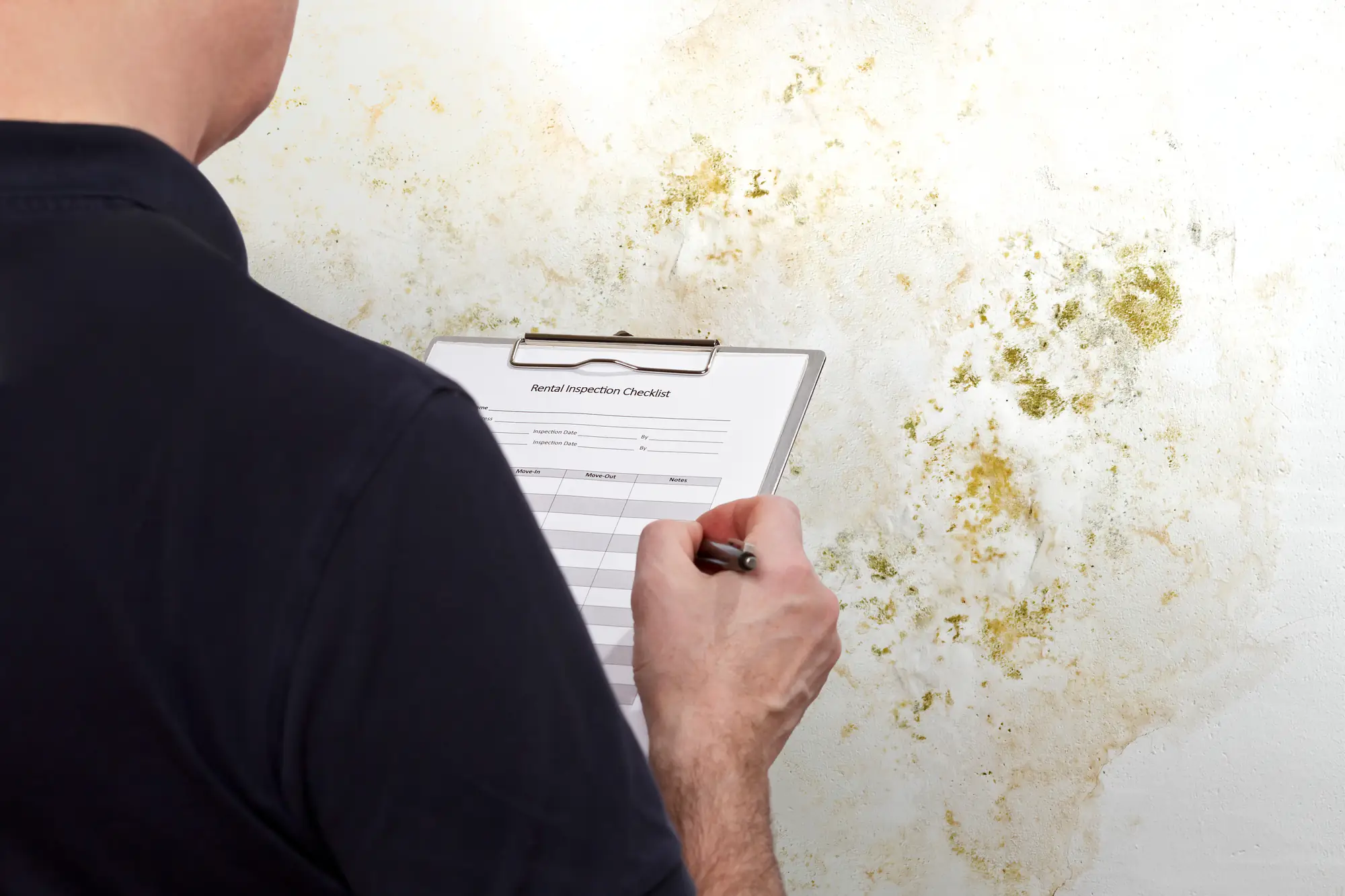
You can’t fix what you can’t see. That’s the problem with mold in Andalusia homes—it grows behind walls, under floors, in attics you rarely check. By the time you smell it or see discoloration, it’s already been there a while.
A real mold inspection gives you the full picture. Not just surface-level observations, but thermal imaging that shows moisture patterns, air sampling that catches spores you’re breathing, and moisture readings that explain why the problem started in the first place.
You’ll know what type of mold you’re dealing with, how much of it there is, and where it’s actually growing. That means you can make decisions based on facts instead of fear. You’ll understand whether you need immediate remediation or if it’s something you can monitor. And if you do need work done, you’ll have documentation that matters—for contractors, for insurance, for your own peace of mind.
Bucks County’s humid summers create perfect conditions for mold growth. Andalusia’s older homes weren’t always built with the moisture barriers we use today. That combination means mold problems here aren’t rare—they’re predictable if you know what to look for.
We’ve been inspecting homes across Bucks County for over 25 years. We’ve seen every type of mold problem Andalusia properties can throw at us—from basement moisture issues in older rowhomes to attic condensation in newer construction.
Our inspectors live and work here. We understand how Pennsylvania’s seasons affect your home—the spring rains that flood basements, the summer humidity that never seems to break, the winter condensation that forms in cold corners. That local knowledge matters when you’re trying to find the source of a mold problem, not just the symptoms.
We only do inspections and testing. We don’t sell remediation services during the inspection process, which means our findings aren’t influenced by what work we want to sell you. You get an honest assessment from certified inspectors who use third-party laboratory testing to confirm what’s actually growing in your home.
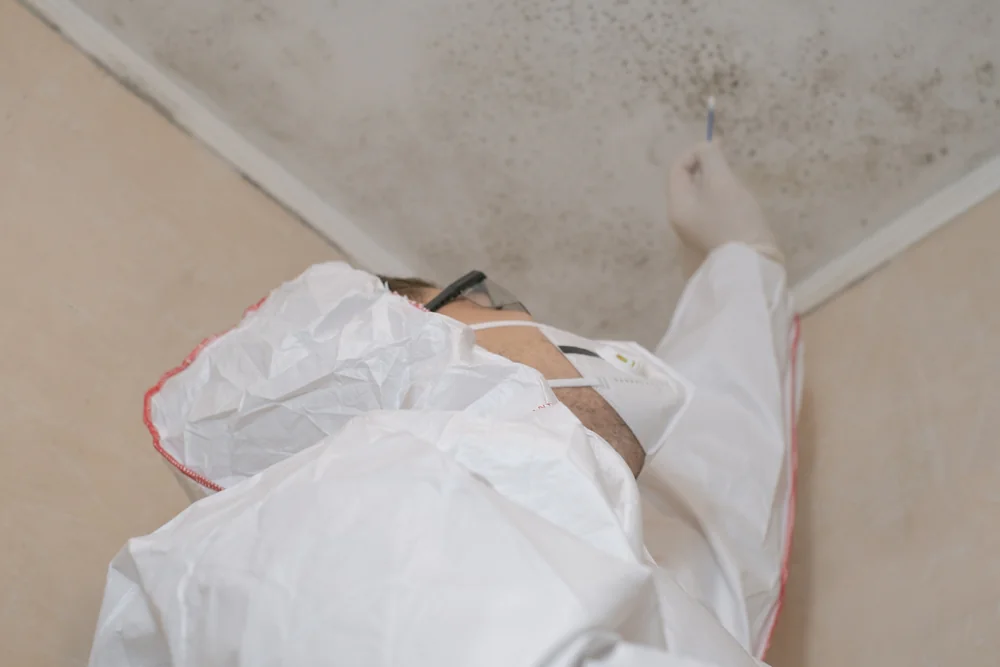
First, we walk through your home and talk about what you’ve noticed—smells, visible growth, health symptoms, water damage history. That conversation tells us where to focus our attention and what tools we’ll need.
Then we start the physical inspection. We’re checking areas you can see and areas you can’t—behind appliances, inside HVAC systems, in crawl spaces and attics. We use moisture meters to find wet materials that might be growing mold. Thermal imaging shows us temperature differences that indicate moisture problems behind walls.
When we find something concerning, we take samples. Air samples capture spores that are floating around your home. Surface samples collect actual growth for identification. These samples go to an accredited lab that tells us exactly what species of mold you have and how much of it is present.
After testing, you get a detailed report that explains what we found, where we found it, and what it means for your home. We’ll walk you through the results in plain language—no jargon, no scare tactics. Just clear information about what’s happening and what your options are.
If remediation is needed, we’ll outline the scope of work and connect you with qualified professionals. If it’s something you can handle yourself, we’ll tell you that too. The goal is giving you enough information to make the right call for your situation.

Ready to get started?
Every mold inspection includes a complete visual assessment of your property—interior and exterior areas where moisture problems typically start. We’re looking at basements, bathrooms, kitchens, attics, crawl spaces, and any areas where you’ve had water issues.
You get moisture mapping with professional-grade meters that measure humidity levels in walls, floors, and ceilings. This data shows us where water is accumulating and creating conditions for mold growth. In Andalusia’s climate, where humidity regularly hits 70-80% in summer months, knowing your indoor moisture levels matters.
Thermal imaging is standard in our inspections. This technology lets us see temperature variations that indicate water intrusion or poor ventilation—problems that lead to mold even when you can’t see moisture on the surface.
Air quality testing captures what’s floating around in your home. Mold spores are microscopic, so you can have a significant mold problem without seeing any visible growth. Air samples get analyzed by independent labs that identify mold species and spore counts, then compare your indoor air to outdoor baseline levels.
Surface sampling happens when we find visible growth or suspicious areas. Lab analysis confirms whether it’s actually mold (not all discoloration is) and identifies the specific type, which matters for health risk assessment and remediation planning.
Your final report includes all findings, lab results, photos of problem areas, and clear recommendations. You’ll have documentation that satisfies insurance requirements, real estate transactions, or legal situations if needed.
Most residential mold inspections in Andalusia run between $300-$600 depending on your home’s size and how much testing is needed. A typical single-family home inspection with air sampling and lab analysis usually falls in the $400-$500 range.
That price includes the on-site inspection, moisture readings, thermal imaging, air quality samples, laboratory analysis, and a detailed report with findings and recommendations. If we need to take multiple surface samples or test several different areas, that can add to the cost—but we’ll discuss that before doing any additional testing.
Some companies offer cheaper inspections, but they’re often tied to remediation services, which creates a conflict of interest. You want an inspector who gets paid the same whether they find mold or not. That’s how you get honest results instead of inflated problems that lead to expensive remediation you might not actually need.
Plan on 2-3 hours for a thorough inspection of an average-sized home. Larger properties or homes with multiple problem areas can take longer—sometimes 4-5 hours if we’re inspecting finished basements, multiple bathrooms, attics, and crawl spaces.
We’re not rushing through your home with a flashlight. We’re using moisture meters on walls and floors, running thermal imaging to spot hidden water issues, taking air samples in different rooms, and documenting everything we find. That process takes time if it’s done right.
Lab results typically come back within 3-5 business days. Once we have those results, we’ll schedule a follow-up call to review findings and answer your questions. Some homeowners prefer an in-person review of the report, which we’re happy to do. The goal is making sure you understand what we found and what it means for your next steps.
You can buy home mold test kits at hardware stores for $10-$40, but they’re not going to give you the information you actually need. These kits usually just tell you “mold is present”—which is true in basically every home because mold spores exist everywhere. They don’t tell you what type of mold, how much of it you have, or whether it’s actually a problem.
Professional mold detection uses calibrated equipment that measures moisture levels inside building materials, thermal imaging that reveals hidden water damage, and laboratory analysis that identifies specific mold species and spore concentrations. We’re comparing your indoor air quality to outdoor baselines to determine if you have elevated levels that need attention.
More importantly, we know where to look. Mold grows in places homeowners don’t typically check—inside wall cavities near plumbing, in HVAC systems, under flooring near foundation cracks. Finding the source of a mold problem, not just the visible symptoms, requires training and experience with how buildings fail and where moisture accumulates.
If you’re buying a home, dealing with insurance claims, or have health concerns related to indoor air quality, you need professional documentation. Home test kits won’t satisfy those requirements.
A mold inspection is the complete process—visual assessment, moisture readings, thermal imaging, identifying problem areas, and understanding why mold is growing. Testing is one component of that inspection where we collect samples for laboratory analysis.
You can have an inspection without testing if there’s obvious mold growth and the source is clear. But most situations benefit from testing because it confirms what type of mold you’re dealing with and how widespread the problem is. Some mold species are more concerning than others from a health perspective, and spore counts tell us whether your indoor air quality is significantly worse than outdoor levels.
Testing also gives you baseline data. If you do remediation work, post-remediation testing confirms the job was done properly and your air quality is back to normal levels. Without that verification, you’re trusting that the problem is solved without any proof.
In Bucks County’s humid climate, we typically recommend both inspection and testing because moisture problems here are rarely simple. You might have visible mold in your bathroom but the real problem is a roof leak in your attic that’s been dripping into wall cavities for months. Testing helps us understand the full scope before you start spending money on fixes.
If you smell musty odors that don’t go away, that’s usually your first sign. Mold has a distinct earthy smell that’s hard to miss once you know what you’re smelling. If it’s stronger in certain rooms or gets worse when your HVAC runs, that tells you where to focus attention.
Visible signs matter—discoloration on walls or ceilings, peeling paint, warped flooring, water stains that won’t dry. Any history of water damage, flooding, or leaks means you should get an inspection even if you don’t see mold yet. It takes 24-48 hours for mold to start growing after materials get wet, and it often grows in places you can’t see.
Health symptoms can indicate mold problems too. Respiratory issues, persistent coughing, headaches, or allergy symptoms that get worse at home and better when you leave—those are worth investigating. Not everyone reacts to mold, but if someone in your household is sensitive, you’ll notice patterns.
You should also get an inspection before buying a home in Andalusia, especially older properties. Mold is one of the most common deal-breakers in Bucks County real estate, and it’s better to know what you’re getting into before closing. Home inspectors aren’t mold specialists—they might note concerns, but they’re not doing the detailed testing that reveals the full picture.
First, we identify whether it’s actually Stachybotrys chartarum—the species people call “black mold”—or just mold that happens to be dark in color. Not all black-colored mold is the toxic variety, and lab testing confirms what you’re dealing with.
If it is Stachybotrys, we document the extent of growth, take samples to measure spore concentrations, and identify the moisture source that’s feeding it. This mold needs consistent moisture to grow, so there’s always an underlying water problem that needs fixing.
We’ll outline what needs to happen next. Black mold inspection findings typically require professional remediation—this isn’t a DIY situation because disturbing the growth releases spores into your air. You need containment, proper removal procedures, and verification testing afterward to confirm the space is safe.
Our report gives you documentation for insurance claims if your policy covers mold damage. It also protects you legally if you’re a landlord or selling a property—Pennsylvania requires disclosure of known mold issues, and having professional documentation shows you handled it properly.
The good news is that finding it means you can address it before it causes more damage or health problems. Mold doesn’t get better on its own—it spreads. Early detection through professional mold inspection services saves you money compared to letting it grow unchecked for months or years.
Other Services we provide in Andalusia