
Hear from Our Customers
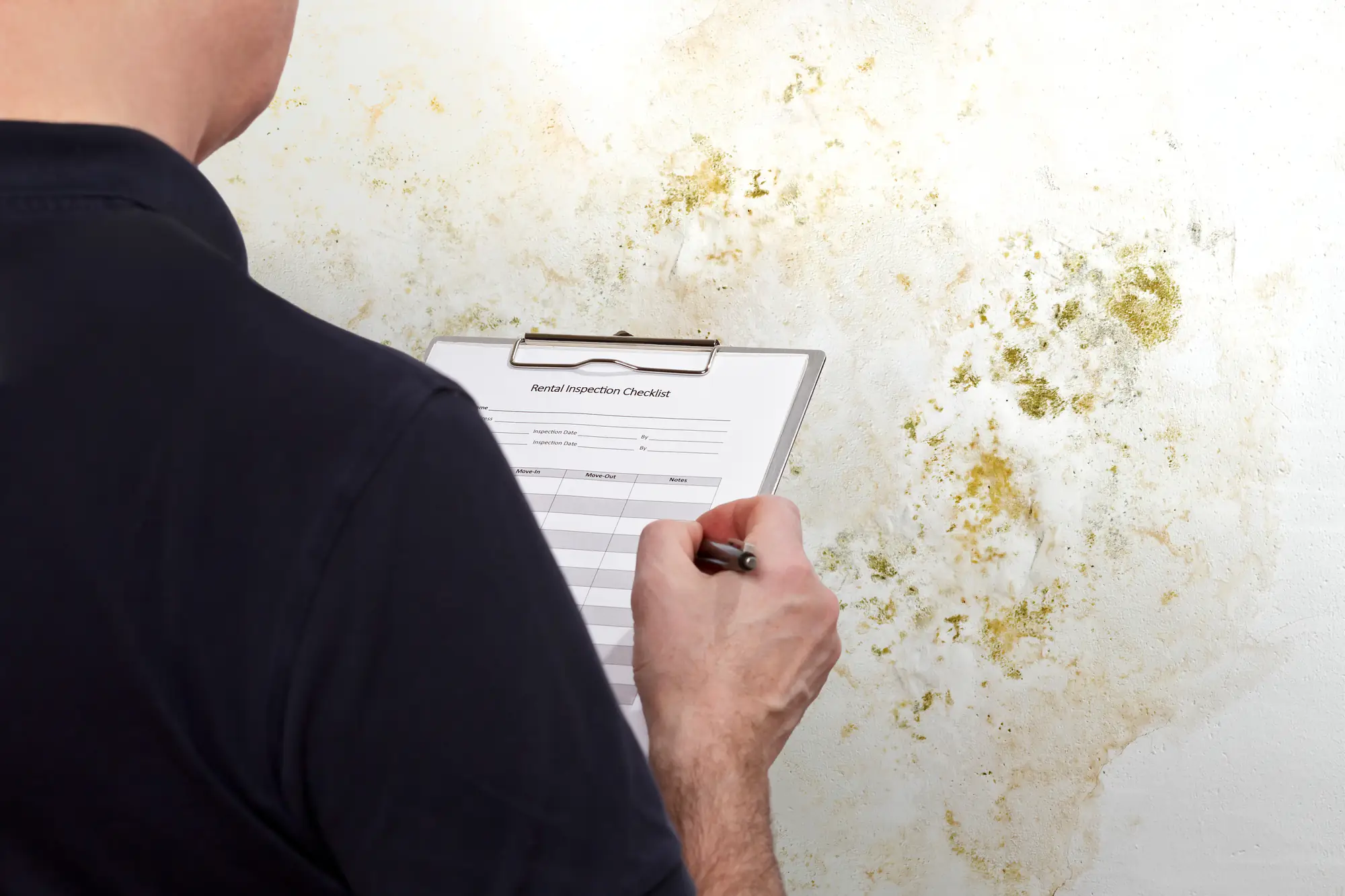
Most people call us because something feels off. Maybe there’s a musty smell in the basement. Maybe you spotted discoloration after a leak. Or maybe you’re buying a home in Harrow and want to know what you’re actually getting into.
Here’s what happens when you get a real mold inspection. You find out if there’s a problem before it becomes expensive. You get documentation that holds up for insurance claims or real estate transactions. You stop guessing about whether that spot on the wall is dangerous or just ugly.
We don’t do remediation. That means when we inspect your property, we’re not trying to sell you a cleanup job. We test, we document, we tell you what we found. If there’s mold, we’ll tell you what kind and how much. If there isn’t, you’ll know that too.
We’ve been helping homeowners in Bucks County figure out their mold problems without the runaround. We’re certified inspectors who understand how Pennsylvania’s climate creates moisture issues, especially in older homes around Harrow and Nockamixon Township.
The reason we don’t offer remediation services is simple: it keeps our inspections unbiased. When a company profits from finding problems, they find problems. We just tell you what’s there.
Harrow sits right near Lake Nockamixon, which means humidity. Add in older construction, seasonal temperature swings, and Pennsylvania’s recent 5-10% increase in precipitation, and you’ve got conditions where mold shows up more often than people realize.
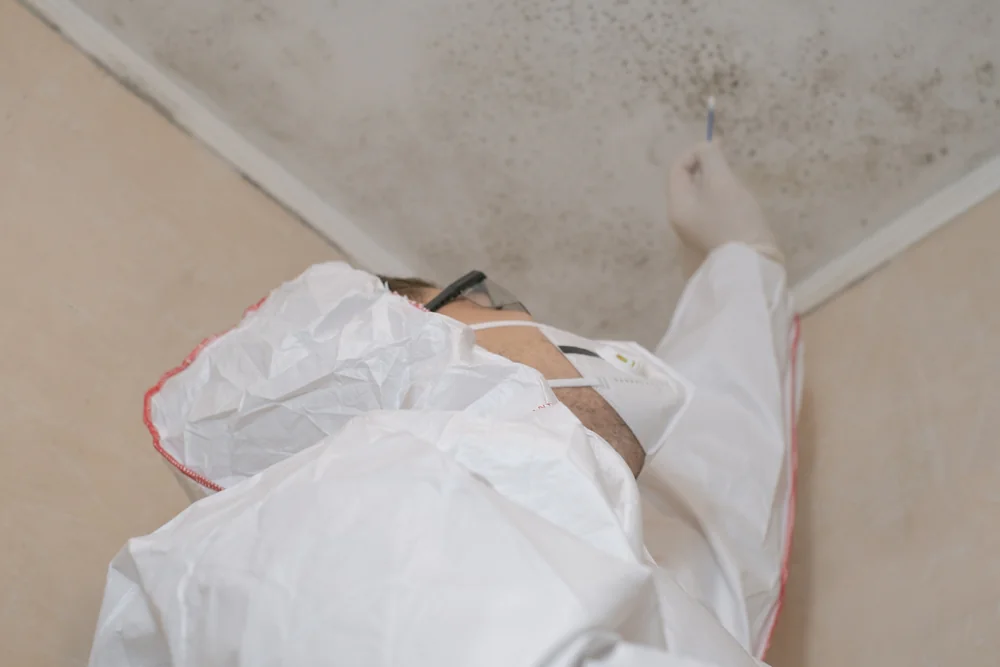
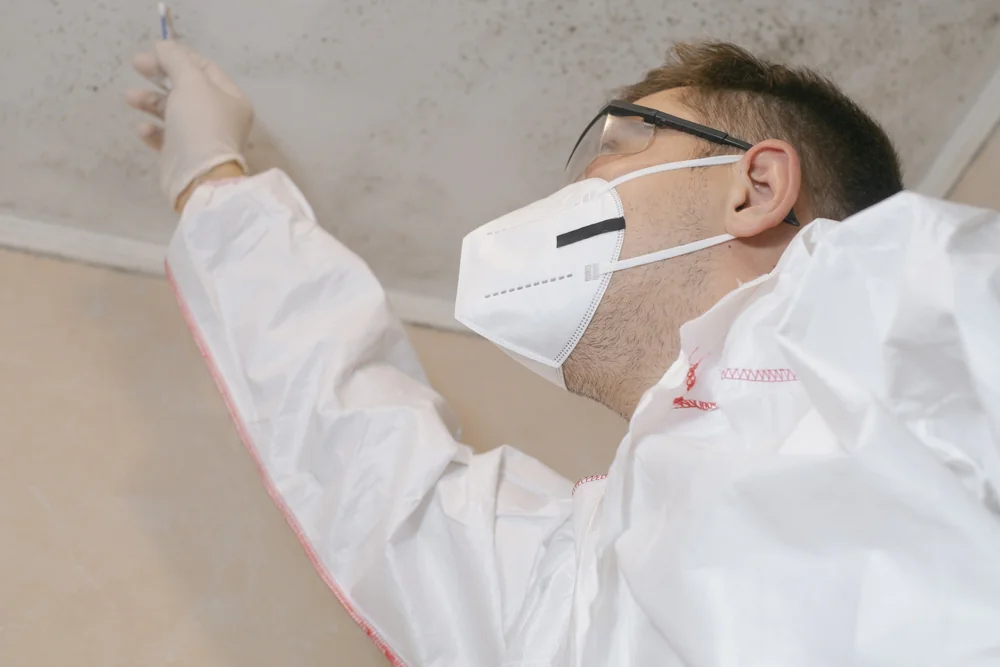
First, we show up and look at the obvious stuff. Water stains, visible growth, areas that smell off. But the real work happens with equipment most homeowners don’t have: thermal imaging cameras that show moisture behind walls, meters that measure humidity levels in materials, and air sampling tools that catch spores you can’t see.
We take samples from the air and from surfaces where we suspect growth. Those samples go to an independent lab that identifies exactly what species of mold you’re dealing with and how much of it is present. Not all mold is the same. Some species are mostly annoying. Others can cause real health problems, especially for kids or anyone with asthma.
Once we get the lab results back, we walk you through what they mean in plain language. If remediation is needed, we’ll tell you what needs to happen and connect you with qualified professionals. If the levels are normal or the growth is minor, we’ll tell you that too. You get a detailed report that works for insurance companies, real estate agents, or just your own records.

Ready to get started?
A real mold inspection covers more than a visual check. We’re looking at your HVAC system, crawl spaces, attics, basements, and anywhere moisture tends to hide. In Harrow, that often means checking around stone foundations in older homes or looking at areas near Lake Nockamixon where humidity creeps in.
You get air quality testing that measures spore counts in different rooms. You get surface sampling if we find visible growth or suspect hidden contamination. You get moisture mapping that shows where water is accumulating even if you can’t see it yet. And you get thermal imaging that reveals temperature differences that usually mean moisture problems.
The report you receive breaks down everything we found, includes lab analysis of any samples, and gives you a clear picture of what’s happening in your home. If you’re in the middle of a real estate transaction, this documentation satisfies disclosure requirements under Pennsylvania law. If you’re filing an insurance claim, it provides the evidence adjusters need. If you just want to know whether your family is breathing in something harmful, it gives you that answer.
Most residential mold inspections in the Harrow area run between $300 and $600, depending on your home’s size and how many samples we need to collect. A small ranch with one suspected area costs less than a large two-story with multiple moisture concerns.
The price includes the visual inspection, moisture detection, air sampling, surface sampling if needed, lab analysis, and a detailed report. Some companies charge extra for things like thermal imaging or additional sample collection. We include those in the base service because they’re necessary to do the job right.
If you’re buying a home and the seller agrees to pay for inspection costs, that’s common in Pennsylvania real estate transactions. If you’re dealing with a suspected mold problem in your current home, the inspection cost is usually a fraction of what remediation would run if the problem gets worse. Finding out early saves money.
You can buy a kit at the hardware store for $10 to $40, but it won’t tell you much that’s useful. Those kits detect whether mold spores are present, which isn’t helpful because mold spores are present in every home. What matters is what type of mold you have and how much of it.
Home test kits can’t identify specific species. They can’t measure concentration levels. They can’t tell you if what you’re seeing is surface mold or a sign of deeper contamination. And they definitely won’t hold up if you need documentation for insurance, real estate, or legal purposes.
Professional mold detection uses calibrated equipment and independent lab analysis. We’re measuring air quality in multiple locations, checking moisture levels inside building materials, and using thermal imaging to find problems you can’t see. The difference between a $30 kit and a real inspection is the difference between guessing and knowing.
The most common species we find in Bucks County homes are Cladosporium, Penicillium, Aspergillus, and Stachybotrys (the one people call black mold). Each grows in different conditions and presents different risks.
Cladosporium shows up on wood surfaces and in HVAC systems. It’s usually olive-green or brown. Penicillium is the blue-green stuff that grows on water-damaged materials and has that musty smell. Aspergillus can be several colors and grows on dust, powdery food, and building materials. Stachybotrys is the dark greenish-black mold that grows on materials with high cellulose content, like drywall and wood, when they stay wet.
All of these can cause respiratory issues, especially for children or people with asthma. Research shows that kids exposed to mold in their homes have about an 11% asthma rate compared to 7% for kids without exposure. That’s why identification matters. You need to know what you’re dealing with to understand the health risk and the right way to address it.
The on-site inspection usually takes one to three hours depending on your home’s size and how many areas we’re examining. A small home with one problem area might take an hour. A larger property with multiple moisture concerns or a complex layout takes longer.
We’re not rushing through with a checklist. We’re using thermal cameras to scan walls, taking moisture readings in multiple spots, collecting air samples from different rooms, and documenting everything with photos. If we find visible growth, we’re taking surface samples carefully to avoid spreading spores.
After we leave, the samples go to the lab for analysis. That typically takes three to five business days. Once we get the results, we’ll schedule a time to review the report with you and answer your questions. The whole process from inspection to final report usually wraps up within a week.
If you’re buying an older home, a home that’s been vacant, or a property near Lake Nockamixon where humidity is higher, a mold inspection is worth the cost. The CDC found that 47% of U.S. homes have mold problems. In Pennsylvania, where precipitation has increased and many homes were built before modern moisture control standards, that percentage might be higher.
A standard home inspection doesn’t include mold testing. Home inspectors look for visible issues, but they’re not collecting air samples or using lab analysis to identify species and concentration levels. If the inspector notes moisture problems, musty odors, or visible growth, that’s your signal to bring in a mold specialist before you close.
Pennsylvania law requires sellers to disclose known mold issues, but they can’t disclose what they don’t know about. Mold grows in places you can’t see: inside walls, under flooring, in HVAC ducts. An inspection before purchase protects you from inheriting someone else’s expensive problem. And if mold is found, you can negotiate repairs or price adjustments before the deal closes.
First, don’t panic. Finding mold doesn’t mean your house is ruined. It means you have information you can act on. The report we provide will tell you what species was found, where it’s located, and how severe the contamination is. That determines what happens next.
Minor surface mold in a small area can sometimes be cleaned by the homeowner if it’s less than 10 square feet and not caused by contaminated water. Anything larger, anything inside walls or HVAC systems, or any growth involving Stachybotrys needs professional remediation. We’ll connect you with qualified remediation companies, but you’re free to get multiple quotes.
The other critical step is fixing whatever caused the mold in the first place. If you clean up growth but don’t fix the leak, improve ventilation, or address the moisture source, it’s coming back. The inspection report identifies those underlying issues so you can handle both the symptom and the cause. Most homeowners insurance policies in Pennsylvania cover mold remediation if it resulted from a covered peril like a burst pipe, so check your policy before paying out of pocket.
Other Services we provide in Harrow