
Hear from Our Customers

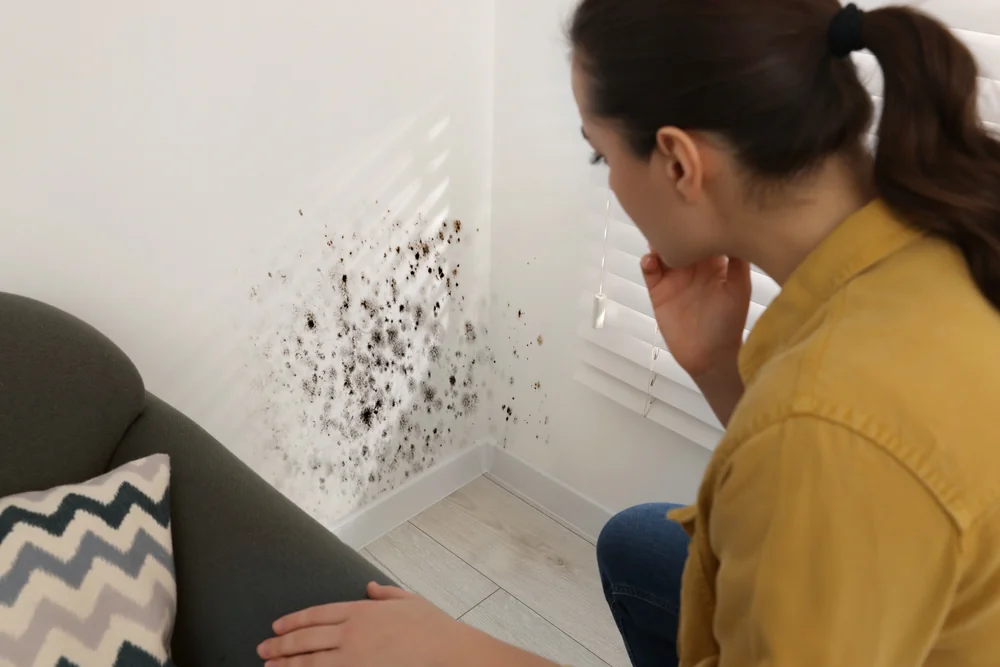
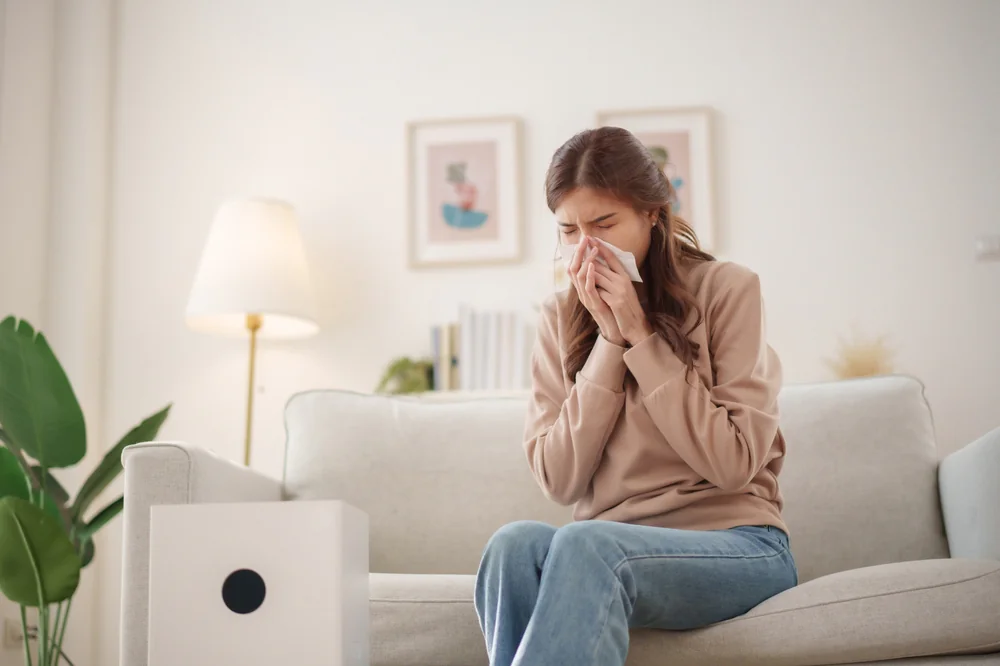
You shouldn’t have to wonder if your home is making your family sick. Unexplained coughing, constant allergies, that musty smell you can’t track down—these aren’t things you should just live with.
A home air quality test tells you exactly what’s in the air. Mold spores, allergens, volatile organic compounds, particulates—we measure it all. You get lab results that show concentrations, identify problem areas, and give you a clear path forward.
Most importantly, you’ll know if there’s a health risk. Not a sales pitch about what might be wrong. Real data from an independent laboratory that shows you what’s actually happening in your home. That’s how you make informed decisions about your family’s health and your property—not based on fear, but on facts.
We’ve been testing air quality in Bucks County homes for years. We know the issues that come with older housing stock in this area—poor ventilation, basement moisture, aging HVAC systems that circulate contaminated air.
Harrow sits in a region where 40% of homes were built before modern ventilation standards existed. That means your home might be trapping pollutants that newer construction would exhaust naturally. We’ve seen it in dozens of local properties, and we know where to look.
We’re not here to sell you remediation you don’t need. We test, we report, and we explain what the numbers mean. If there’s a problem, you’ll know. If there isn’t, you’ll have peace of mind. Either way, you’re making decisions based on real information.
First, we do a visual inspection of your property. We’re looking for visible mold, water damage, moisture issues, and ventilation problems. We use thermal imaging and moisture meters to find hidden issues behind walls or under flooring.
Next, we collect air samples from multiple locations in your home. We also take an outdoor sample as a baseline—because some level of mold spores and particulates exist naturally outside. The comparison tells us if your indoor air quality is worse than it should be.
Those samples go to an independent laboratory for analysis. They identify specific mold species, measure spore concentrations, and detect other airborne contaminants. You’re not relying on our opinion—you’re getting certified lab results.
Finally, we walk you through the report. We explain what was found, what the concentration levels mean for your health, and what your options are. If remediation is needed, we’ll tell you. If it’s a ventilation issue or something simpler, we’ll tell you that too. You get honest answers, not a predetermined sales pitch.
Ready to get started?
Every residential air quality testing appointment includes a complete visual assessment of your property. We inspect basements, crawl spaces, attics, HVAC systems, and any areas where moisture or mold typically develop in Harrow homes.
You get professional air sampling using calibrated equipment. We collect samples from problem areas and living spaces, plus an outdoor control sample. Each sample is labeled, documented, and sent to a certified lab for analysis.
The lab report identifies mold types, spore counts, and other airborne contaminants. You’ll see exactly what’s in your air and at what concentration. We provide a full written report with photos, moisture readings, and our professional interpretation of the findings.
Pennsylvania has some of the strictest indoor air quality standards in the country, and for good reason—40% of homes in this state test above safe thresholds for radon alone. When you add mold, allergens, and other pollutants common in older housing stock, the health risks multiply. That’s why documentation matters. Whether you need it for insurance, real estate transactions, or just your own peace of mind, you’ll have everything in writing.
Most residential air quality tests in Harrow run between $400 and $600, depending on the size of your home and how many samples we need to collect. That includes the visual inspection, air sampling, laboratory analysis, and a detailed report.
If you’re dealing with a specific issue—like recent water damage or a known mold problem—the cost might be higher because we’ll need more samples to get accurate data. But we’ll tell you upfront what it’s going to cost. No surprises, no upselling during the appointment.
Some companies offer cheaper testing, but they’re often using less reliable methods or skipping the lab analysis entirely. You want certified results from an independent laboratory, not a quick screening that leaves you with more questions than answers. The difference between a $200 test and a $500 test is often the difference between guessing and knowing.
A professional indoor air quality test detects mold spores, allergens, volatile organic compounds (VOCs), particulates, and other airborne contaminants that affect your health. We’re measuring what’s actually floating in the air you breathe every day.
The lab analysis identifies specific mold species—not just “mold,” but which types are present and whether they’re toxic varieties like Stachybotrys (black mold). It also measures concentration levels, which tells us if you’re dealing with a minor issue or a serious contamination problem.
Beyond mold, we’re looking at overall air quality. High particulate counts, chemical off-gassing from building materials, poor ventilation—all of these show up in the data. You get a complete picture of what’s compromising your indoor air, not just a narrow focus on one issue. That’s important because symptoms like respiratory problems or headaches can come from multiple sources, and you need to know what you’re actually dealing with.
Lab results typically come back in 3 to 5 business days after we collect the samples. The laboratory needs time to culture the samples, identify mold species, and measure concentrations accurately. Rushing that process compromises the reliability of the results.
If we see something during the visual inspection that raises immediate health concerns—like extensive visible mold or severe water damage—we’ll tell you right away. You don’t have to wait for lab confirmation to know there’s a problem that needs attention.
Once the results are in, we’ll contact you to schedule a time to review the report together. We’ll walk you through what was found, what it means for your health and your property, and what your options are moving forward. Some people want to discuss it over the phone, others prefer a follow-up visit. Either way, you’re not just getting a report dropped in your email with no explanation.
Yes, because most mold growth happens in places you can’t see—behind drywall, under flooring, inside HVAC ducts, or in wall cavities. Air sampling detects spores that have become airborne from hidden colonies, which is often the only way to know there’s a problem.
If you’re experiencing unexplained health symptoms—respiratory issues, persistent allergies, headaches—that get better when you leave the house, that’s a strong indicator of poor indoor air quality. Testing gives you answers instead of guessing or assuming it’s something else.
Even without symptoms, testing makes sense if you live in an older home, have had water damage in the past, or notice musty odors you can’t locate. Harrow’s housing stock skews older, and many homes in Bucks County have ventilation issues or moisture problems that create ideal conditions for mold. Catching it early through professional air quality testing saves you money compared to discovering extensive contamination later. Prevention is always cheaper than remediation.
You can buy DIY air quality test kits, but they’re not as reliable as professional testing. Most consumer kits use settle plates that collect whatever falls onto them over a period of time, which doesn’t give you accurate data about what’s actually in the air you’re breathing.
Professional air sampling uses calibrated pumps that pull a measured volume of air through a collection device. That gives you quantifiable data—spore counts per cubic meter of air—that you can compare to outdoor levels and established safety thresholds. DIY kits don’t provide that level of precision.
The bigger issue is interpretation. Even if a DIY kit detects mold, it won’t tell you what species it is, whether it’s a health risk, or where it’s coming from. You’ll know something is there, but you won’t know what to do about it. Professional testing includes laboratory analysis and expert interpretation, so you’re not left trying to figure out what the results mean on your own. If you’re going to spend money on testing, spend it on results you can actually use to make informed decisions.
Yes. The lab results will show you the types of mold present and their concentration levels. If those levels are elevated compared to outdoor air, or if toxic mold species are detected, you’ll know remediation is necessary.
We’ll explain what the numbers mean in practical terms. Some mold is always present in indoor and outdoor air—that’s normal. But when indoor levels are significantly higher than outdoor levels, or when you’re dealing with species known to cause health problems, that’s when action is needed.
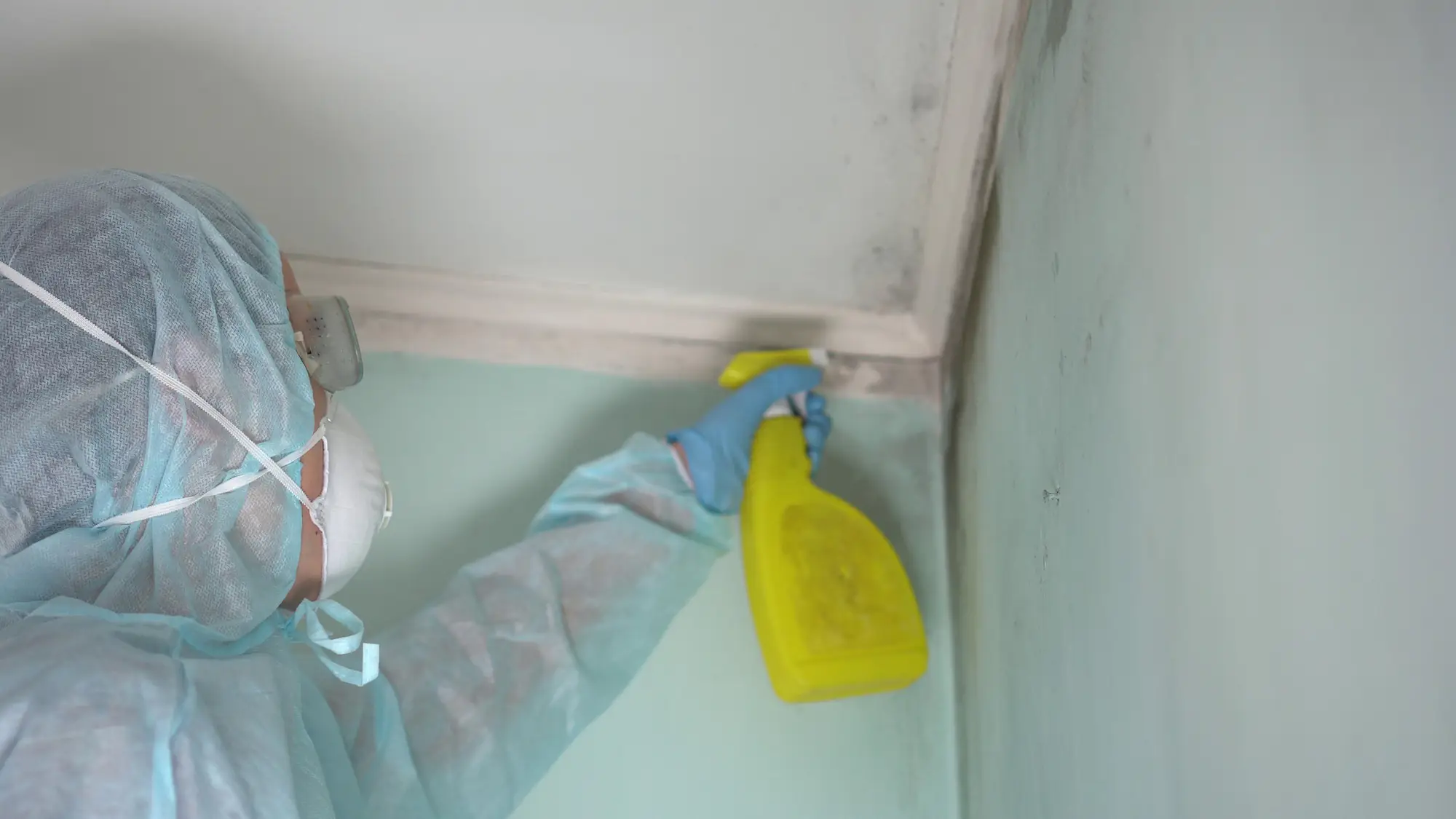
The report also helps you understand the scope of the problem. Minor surface mold might be something you can address yourself with proper cleaning. Extensive hidden mold or toxic varieties require professional remediation. Either way, you’re making decisions based on data, not fear or sales pressure. And if remediation is needed, you’ll have documentation for insurance claims or contractor estimates. That’s the value of professional testing—it gives you a clear path forward, whatever that looks like for your specific situation.
Other Services we provide in Harrow