

Hear from Our Customers
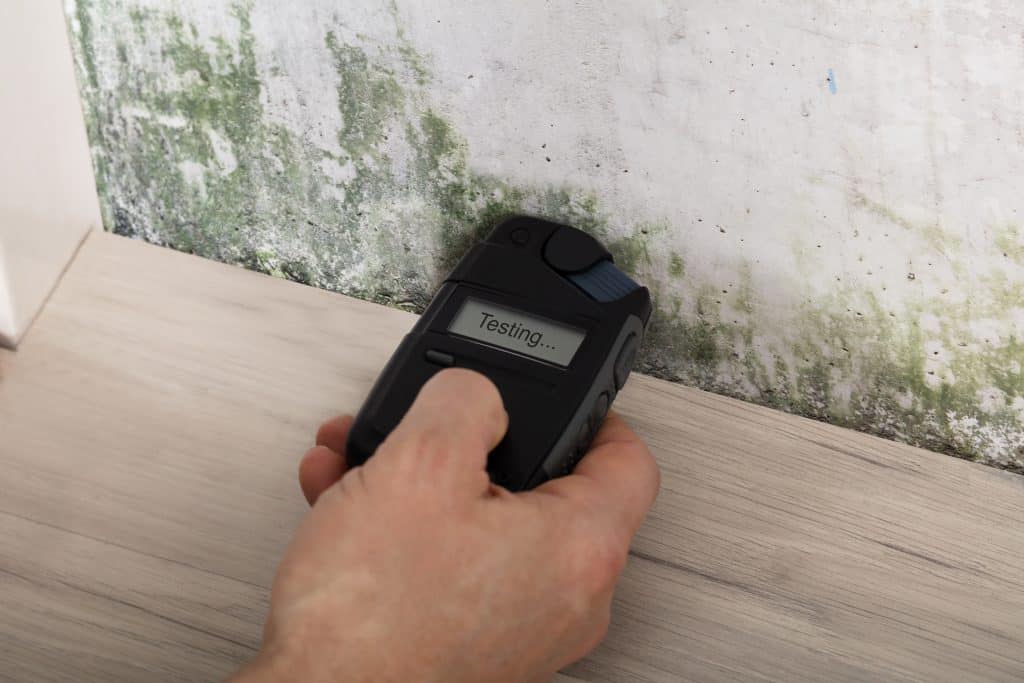
Mold doesn’t just look bad. It triggers coughing fits, makes asthma worse, and turns your home into a place that makes you sick. When you’re dealing with mold in a Bucks County home built in the 70s or 80s—and most around here were—you’re not just fighting what you can see on the bathroom wall. You’re dealing with what’s growing behind it.
Professional mold removal means getting your indoor air quality back. It means your kids stop waking up congested. It means you can sell your house without a buyer walking away during inspection. And it means you’re not ripping out drywall again in six months because the moisture problem never got fixed.
When the job’s done right, your home feels different. The musty smell disappears. You stop wondering if that cough is just allergies. And you get back to living in a space that’s actually safe for your family.
We work throughout Harrow, Bucks County, and the surrounding Pennsylvania communities where older homes and humid summers create the perfect conditions for mold growth. We’re not a national franchise with a call center three states away. We’re local, and we’ve seen what happens when mold gets ignored in homes like yours.
Our team uses advanced detection technology to find mold you can’t see, and we follow EPA guidelines to remove it safely. We don’t just clean the surface and leave. We identify why the mold showed up in the first place—whether it’s a roof leak, poor ventilation, or water damage from last winter’s freeze—and we help you fix it so it doesn’t come back.
You’ll work with trained mold specialists who explain what’s happening, what needs to happen, and what it’s going to cost before any work starts. No surprises. No upselling. Just honest communication and a clear plan to get your home back to safe.

First, we come out for a free inspection. We’re looking for visible mold, but also testing air quality and checking the places mold loves to hide—crawl spaces, attics, behind walls, under sinks. We’ll tell you what type of mold you’re dealing with, how far it’s spread, and what’s causing it.
Next, we give you a detailed estimate. You’ll know exactly what we’re removing, what materials might need replacing, and how we’re going to contain the area so mold spores don’t spread to the rest of your house during removal. If you’re filing an insurance claim, we’ll help with documentation.
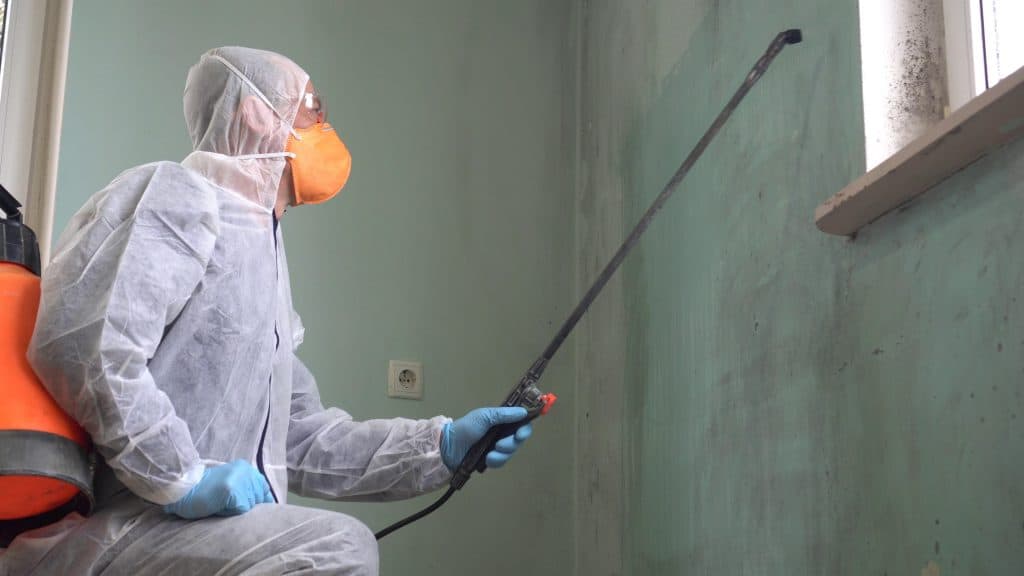
Then we get to work. We set up containment barriers, use HEPA filtration to clean the air, remove contaminated materials, treat affected surfaces, and dry everything out completely. Once the mold’s gone, we address the moisture source—whether that means improving ventilation, fixing a leak, or recommending a dehumidifier for your basement.
When we’re finished, you get a final report and recommendations for keeping mold from coming back. We’re available 24/7 if you have an emergency, because water damage and mold don’t wait for business hours.
Ready to get started?
Complete mold removal means more than scrubbing walls. It means containment setup to prevent cross-contamination, HEPA air filtration during the entire process, safe removal of affected materials like drywall or insulation, antimicrobial treatment of surfaces, and thorough drying to eliminate moisture that caused the problem.
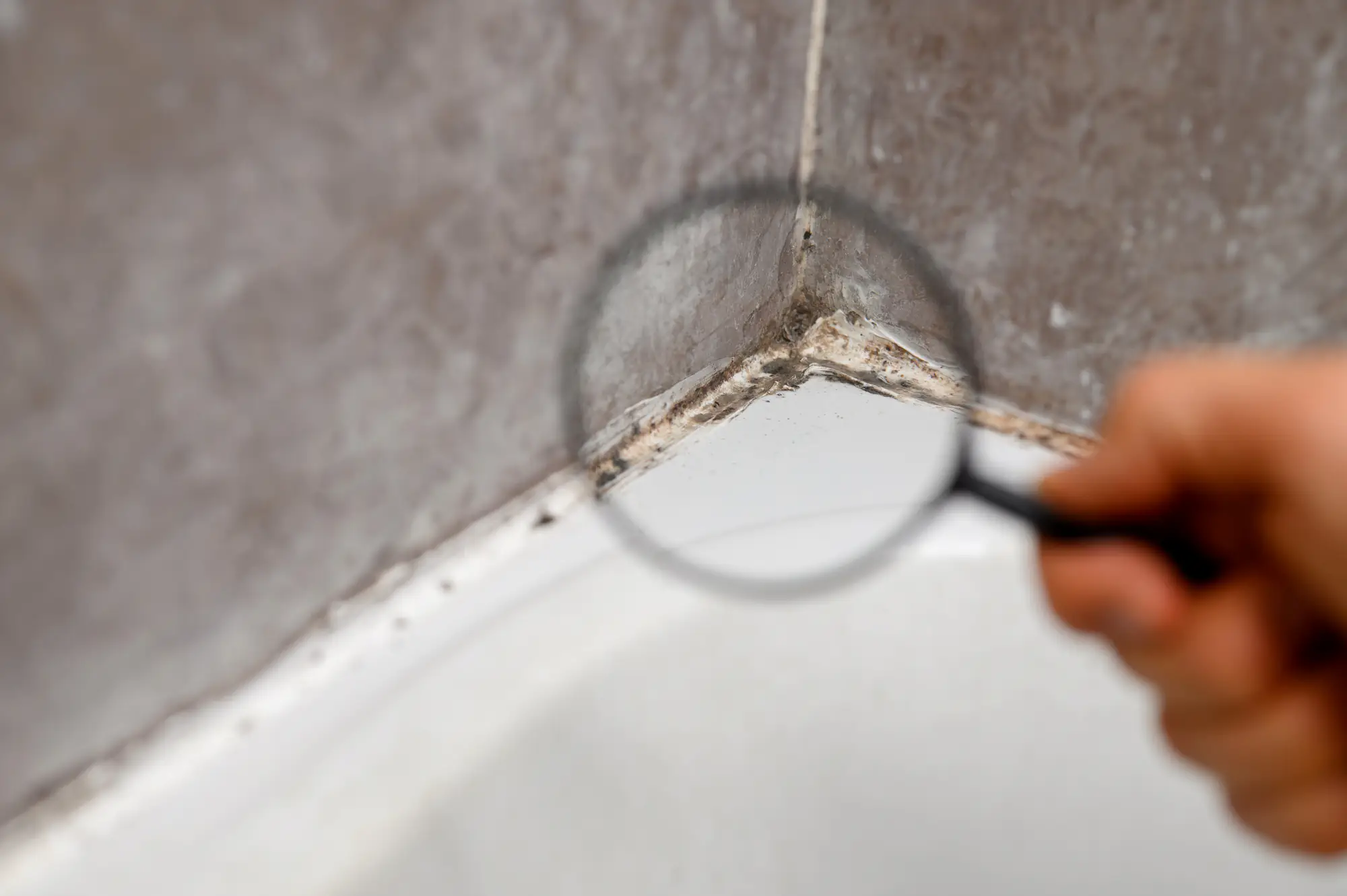
In Bucks County, where the median home is nearly 50 years old, we’re often dealing with mold in basements with foundation cracks, attics with poor ventilation, or bathrooms where old caulking has failed. These aren’t just cosmetic issues. Pennsylvania law requires sellers to disclose mold problems, and it’s one of the most common reasons deals fall through in this area.
We also handle black mold removal, which requires extra precautions due to potential health risks. Our mold cleaning services include post-remediation testing to confirm the air quality is safe again. And because we know this can be an unexpected expense, we offer financing options and work directly with your insurance company to make the process as straightforward as possible.
You’re not just getting mold removed. You’re getting a plan to keep it from coming back, documentation for your records, and peace of mind that your home is safe again.
Mold removal costs depend on how much mold you have, where it’s located, and what’s causing it. A small bathroom mold problem might run a few hundred dollars. A basement with extensive water damage and hidden mold behind walls can push into the thousands, especially if materials like drywall and insulation need replacing.
In Bucks County, the average mold remediation project falls between $1,500 and $4,000, but that varies widely based on the scope. We provide free inspections and upfront estimates so you know exactly what you’re looking at before we start any work.
Many homeowners insurance policies cover mold removal if it’s caused by a covered event like a burst pipe. We’ll help you document everything for your claim and work with your insurance company to make the process easier.
Most residential mold removal projects take between one and five days, depending on the size of the affected area and how much material needs to be removed. A single moldy bathroom might be done in a day. A basement with mold throughout the framing and subfloor could take a week.
The timeline also depends on drying time. Even after we remove the mold, we need to make sure everything is completely dry before closing up walls or replacing materials. Rushing this step is how you end up with mold coming back in a few months.
We’ll give you a realistic timeline during the estimate. If you’re dealing with an emergency situation—like mold after a flood—we’re available 24/7 and can start containment and removal right away to prevent further damage.
Small surface mold on non-porous materials—like a little mildew on bathroom tile—you can usually handle yourself with the right cleaner and some scrubbing. But if the mold covers more than about 10 square feet, if it’s on porous materials like drywall or wood, or if you don’t know what’s causing it, you need professional help.
Here’s why: mold you can see is usually connected to mold you can’t see. Disturbing it without proper containment spreads spores throughout your house. And if you don’t fix the moisture problem, you’re just cleaning up something that’s going to grow back.
Professional mold removal includes air quality testing, containment to prevent spread, proper protective equipment, HEPA filtration, safe disposal of contaminated materials, and identification of the root cause. Studies show that 40% of DIY mold removal fails because the underlying moisture issue never gets addressed. A mold specialist has the tools and training to do it right the first time.
Mold needs three things: moisture, organic material to feed on, and the right temperature. Bucks County homes have all three in abundance, especially older properties. The biggest culprits are water leaks from roofs or plumbing, basement moisture from foundation issues or poor drainage, high humidity in bathrooms and kitchens without proper ventilation, and water damage from frozen pipes or flooding.
In homes built in the 70s and 80s—which describes most of Harrow and the surrounding area—you’re also dealing with aging materials, outdated ventilation systems, and insulation that may not meet modern standards. These conditions create perfect environments for mold growth, especially in basements, attics, crawl spaces, and behind bathroom walls.
The key to preventing mold is controlling moisture. That means fixing leaks immediately, improving ventilation in high-humidity areas, using dehumidifiers in basements, and making sure your gutters and grading direct water away from your foundation. When we complete a mold removal project, we always identify what caused the problem and give you specific recommendations to prevent it from happening again.
Black mold—specifically Stachybotrys chartarum—can produce mycotoxins that cause respiratory problems, allergic reactions, headaches, and fatigue. But here’s the thing: you can’t identify mold type by color alone, and all mold growing in your home is a problem, regardless of species.
The health risks are real. Mold contributes to 4.6 million asthma cases in the U.S. annually, and removing it can reduce asthma symptoms by 25% to 45%. People with compromised immune systems, children, and elderly family members are especially vulnerable. Even if you’re healthy, prolonged exposure to mold spores affects indoor air quality and can cause chronic respiratory issues.
Whether it’s black mold or any other type, the solution is the same: professional testing to identify what you’re dealing with, complete removal using proper containment and safety protocols, and fixing the moisture problem that allowed it to grow. Don’t ignore mold because you’re not sure if it’s “the dangerous kind.” Any mold growing in your living space needs to be addressed.
Yes. Mold is one of the most common deal-breakers in Bucks County real estate transactions. Pennsylvania law requires sellers to disclose known material defects, including mold. If a buyer’s inspector finds mold during the home inspection—and they will look for it—you’re either paying for remediation, reducing your sale price, or watching the deal fall apart.
Even if you disclose it upfront, many buyers will walk away rather than deal with a mold problem. The ones who stay will negotiate hard, often asking for more than the actual remediation cost because they’re worried about hidden damage or recurring issues.
The smarter move is addressing mold before you list. Professional mold removal, documentation showing the work was done correctly, and proof that you fixed the underlying cause gives buyers confidence. It protects your property value and keeps your sale on track. In a market where Bucks County home prices are up 17% year-over-year, you don’t want to lose equity over a mold problem that could have been fixed.
Other Services we provide in Harrow