
Hear from Our Customers
That musty smell in your basement isn’t going away on its own. Your kids’ allergies seem worse at home than anywhere else. You’re tired more often, and you can’t figure out why.
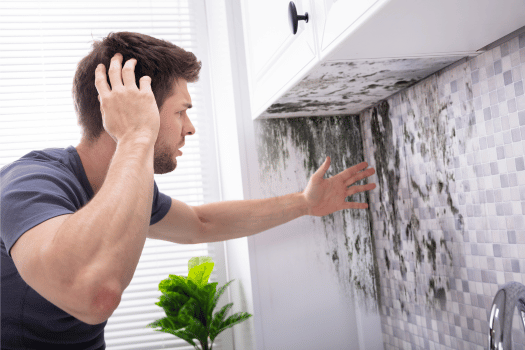
A proper home mold inspection gives you answers. Not guesses, not maybes—actual data about what’s in your air and where it’s coming from. We use thermal imaging and moisture meters to find mold growing in places you can’t see. Behind drywall. Under flooring. Inside HVAC systems.
You get a detailed report from an EPA-certified lab that tells you exactly which types of mold are present and at what levels. That matters because not all mold is the same, and you need to know if you’re dealing with something that requires immediate action or just routine maintenance. Once you know what’s there, you can make an informed decision about what to do next—whether that’s remediation, monitoring, or adjusting your home’s ventilation.
Mack’s Mold Removal has spent nearly three decades working in Bucks County homes. We know how the humid summers and damp winters here create perfect conditions for mold growth. We also know that most homes in Geryville were built before modern moisture barriers became standard, which means older properties are especially vulnerable.
We’re not a national franchise following a script. We’re local professionals who understand the specific challenges of this area—from basement moisture issues common in homes near the Perkiomen Creek watershed to attic condensation problems that show up every spring.
Our team includes certified mold inspectors who follow EPA and IICRC guidelines. We work with EPA-certified laboratories for testing, and we’re available 24/7 when you need us. You’ll work with people who live in this community and have a reputation to protect here.
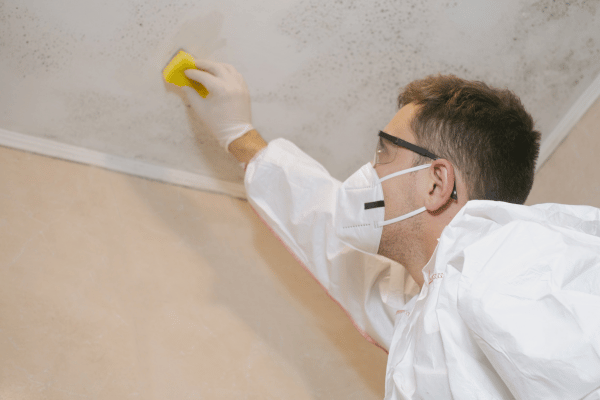
We start with a free initial assessment. You show us the areas that concern you—the basement corner that always smells off, the bathroom ceiling with discoloration, wherever you’ve noticed issues. We’ll also check common problem areas you might not think to look, like crawl spaces and attic insulation.
Next, we use infrared cameras and moisture meters to detect hidden water intrusion. Mold needs moisture to grow, so finding damp areas tells us where to look closer. If we spot potential mold growth, we take air samples and surface samples to send to the lab.
The lab analysis identifies specific mold types and spore counts. You receive a written report within a few days that breaks down what we found and what it means for your home. We’ll walk you through the results and explain your options—no pressure, just information. If remediation is needed, we’ll give you a clear scope of work and timeline. If it’s minor and manageable, we’ll tell you that too.
Ready to get started?
Every inspection covers your entire home, not just the obvious problem areas. We check basements, crawl spaces, attics, bathrooms, kitchens, and HVAC systems. These are the spots where mold typically starts in Geryville homes, especially during our humid late summer months when moisture levels stay consistently high.
You get thermal imaging to identify temperature differences that indicate moisture problems. You get moisture mapping to document wet areas. You get air quality testing to measure spore counts throughout your home. And you get surface sampling if we find visible growth that needs identification.
The lab report you receive isn’t just numbers on a page. It tells you which mold species are present—whether you’re dealing with common household molds like Cladosporium or more concerning varieties like Stachybotrys (black mold). It shows concentration levels so you understand severity. And it gives you documentation you can use for insurance claims or real estate transactions if needed.
We also coordinate directly with your insurance company when applicable. Many homeowners don’t realize their policy may cover mold damage if it resulted from a covered event like a burst pipe or roof leak. We handle that paperwork so you don’t have to navigate it alone.
You need an inspection if you’re experiencing unexplained health symptoms that improve when you leave your home—things like persistent coughing, headaches, or worsening allergies. You also need one if you smell musty odors that won’t go away, see visible discoloration on walls or ceilings, or have had any water damage in the past year.
Even if you don’t see mold, that doesn’t mean it’s not there. Mold grows in hidden spaces—behind walls, under flooring, inside ductwork. In Bucks County, where humidity regularly exceeds 70% during summer, nearly half of all homes have detectable mold. If your home was built before 2000 or you’ve had any plumbing leaks, roof damage, or basement flooding, an inspection gives you peace of mind.
Pre-purchase inspections are also common. If you’re buying a home in Geryville, especially an older property, you want to know what you’re getting into before closing. Mold issues can reduce property values significantly, and they’re not always disclosed by sellers.
A mold inspection is the full assessment—we come to your home, examine all the areas where mold typically grows, use detection equipment to find hidden moisture, and identify problem spots. Testing is one component of that inspection where we collect samples to send to a lab.
You can’t skip the inspection and just do testing because you need to know where to test. Randomly sampling air or surfaces without understanding your home’s moisture patterns and problem areas won’t give you useful information. The inspection identifies where mold is likely growing, and then testing confirms what types are present and at what levels.
Some companies sell testing kits you can use yourself, but those results are limited. You’re guessing where to sample, you might contaminate the sample during collection, and you won’t have a professional interpretation of what the numbers mean for your specific situation. A proper inspection gives you context—not just data, but understanding.
Most home mold inspections take two to three hours, depending on your home’s size and how many areas need detailed examination. A small single-family home might take closer to two hours. A larger property with multiple bathrooms, a finished basement, and an accessible attic could take three or more.
We’re not rushing through your home with a checklist. We’re methodically checking moisture levels, taking thermal images, examining HVAC systems, and documenting everything we find. If we discover areas that need sampling, that adds time because we need to collect those samples properly to ensure accurate lab results.
After the inspection, lab analysis typically takes three to five business days. You’ll receive a detailed report with our findings, the lab results, and our recommendations. We’ll schedule a follow-up call to review everything with you and answer your questions. The whole process from inspection to final report usually wraps up within a week.
Not usually. We use non-invasive detection methods first—thermal imaging cameras that show temperature differences indicating moisture, and moisture meters that measure water content through surfaces. These tools let us identify problem areas without damaging your home.
If we find strong evidence of hidden mold growth and need to confirm what’s behind a wall, we’ll discuss that with you first. Sometimes a small inspection hole is necessary to get a visual confirmation or take a sample, but we only do that when the evidence suggests significant hidden growth and you need to know the extent before planning remediation.
In most cases, we can give you a complete assessment using air sampling, surface sampling of visible areas, and our detection equipment. The goal is to get you answers without creating more work or expense. If cutting into walls becomes necessary, it’s usually during the remediation phase, not the inspection phase—and only after you’ve reviewed the findings and decided to move forward with treatment.
We offer free initial inspections to assess your situation and determine if further testing is needed. If lab testing is required, costs typically range from $300 to $600 depending on how many samples we need to collect and analyze. A basic inspection with air sampling runs on the lower end. More comprehensive testing that includes multiple rooms and surface samples costs more.
That investment gets you EPA-certified lab analysis, a detailed written report, professional interpretation of results, and documentation you can use for insurance or real estate purposes. It also prevents you from spending money on remediation you might not need—or worse, ignoring a problem that will cost far more to fix later.
Some companies charge $500+ just to show up, then push expensive remediation whether you need it or not. We’re transparent about costs upfront, and we only recommend testing and treatment that makes sense for your specific situation. If your issue is minor and you can handle it yourself, we’ll tell you that.
Home test kits can tell you if mold spores are present, but they can’t tell you where the mold is growing, how extensive the problem is, or what’s causing it. They also can’t differentiate between normal background levels and concentrations that indicate active growth requiring attention.
Mold spores exist everywhere—they’re in outdoor air, and they’re in every home. What matters is the type of mold, the concentration levels, and the source of moisture feeding the growth. A DIY kit won’t give you that context. You might get a result that says “mold detected” without knowing if that’s a problem or just normal environmental levels.
Professional mold detection includes the expertise to interpret results correctly. We know which areas to test, how to collect samples without contamination, and what the lab numbers mean for your specific home in Geryville’s climate. We also identify the moisture source so you can fix the root cause, not just treat the symptoms. If you’re serious about understanding your home’s air quality and protecting your family’s health, professional inspection is worth the investment.
Other Services we provide in Geryville