
Hear from Our Customers
You stop wondering if that musty smell is going to come back. Your kids aren’t coughing at night anymore. You’re not embarrassed when someone walks into your basement.
That’s what proper mold removal looks like. Not a quick spray-and-pray with bleach, but actual elimination of the problem at its source.
Here’s what changes: the air in your home smells clean again. You’re not dealing with constant stuffiness or that nagging worry about what’s growing behind your walls. If you’re planning to sell, you’re not facing a failed inspection or watching buyers walk away after the mold report comes back.
Most importantly, you know the problem is actually solved. We use thermal imaging and moisture meters to find mold where it hides—behind drywall, under flooring, in crawl spaces. Then we eliminate the moisture source so it doesn’t just grow back in three months.
The difference between DIY attempts and professional mold remediation is simple: one masks the problem temporarily, the other fixes it permanently.
Mack’s Mold Removal specializes in one thing: getting mold out of homes in Bucks County and keeping it out. We’re not a general restoration company that does mold on the side—this is what we do.
We understand Geryville’s climate. Humid summers, older homes with basement moisture issues, and the kind of weather that creates perfect conditions for mold growth. We’ve seen it in crawl spaces, behind kitchen cabinets, in attics with poor ventilation, and in bathrooms that never quite dry out.
You’re not getting a one-size-fits-all approach. Every home is different, every mold problem has a specific cause, and we find it before we start removing anything. That’s how you prevent it from coming back.
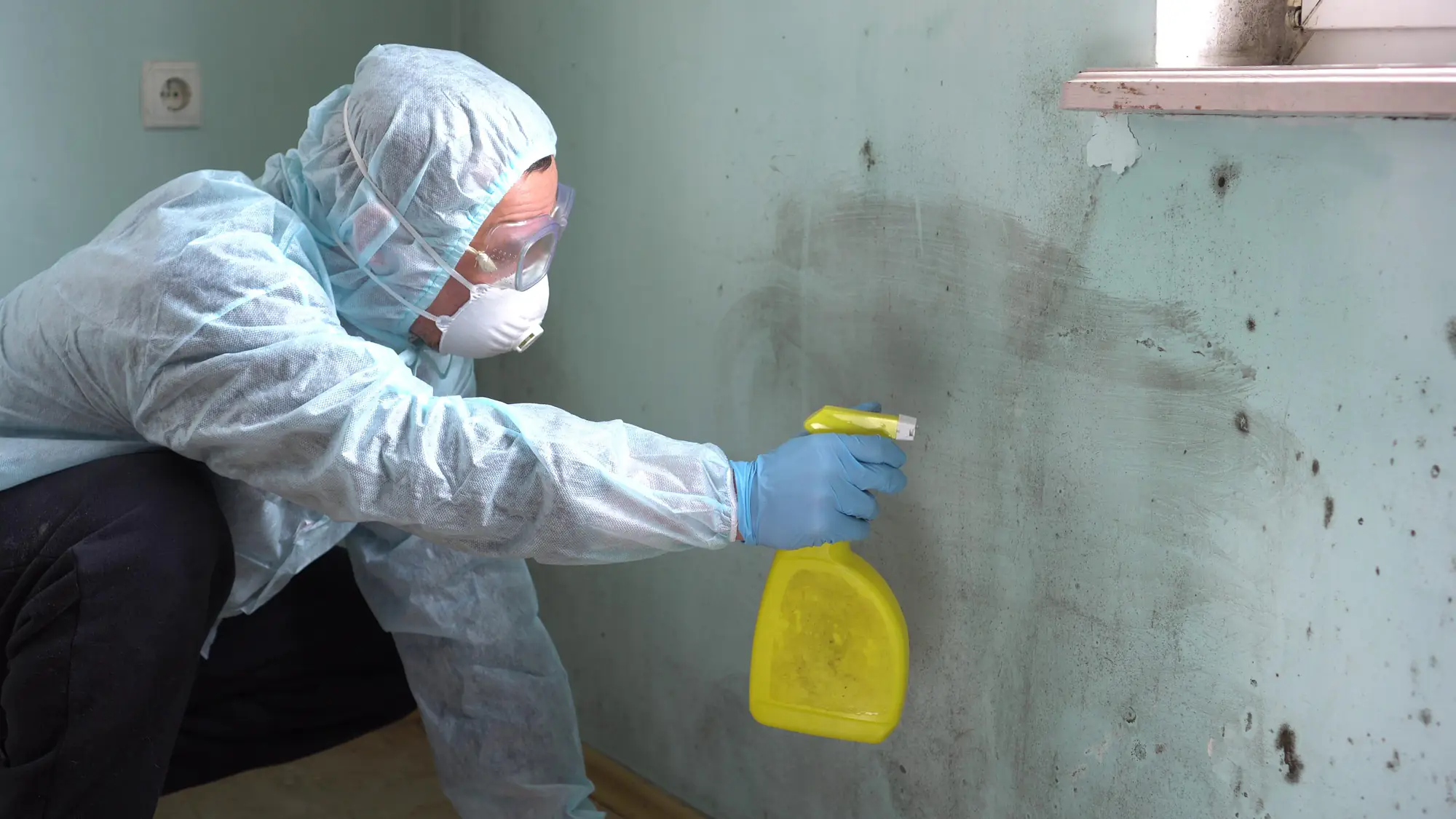
First, we inspect your property with moisture meters and thermal imaging cameras. We’re looking for the obvious mold and the hidden stuff—the colonies growing where you can’t see them. This tells us how extensive the problem is and what’s causing it.
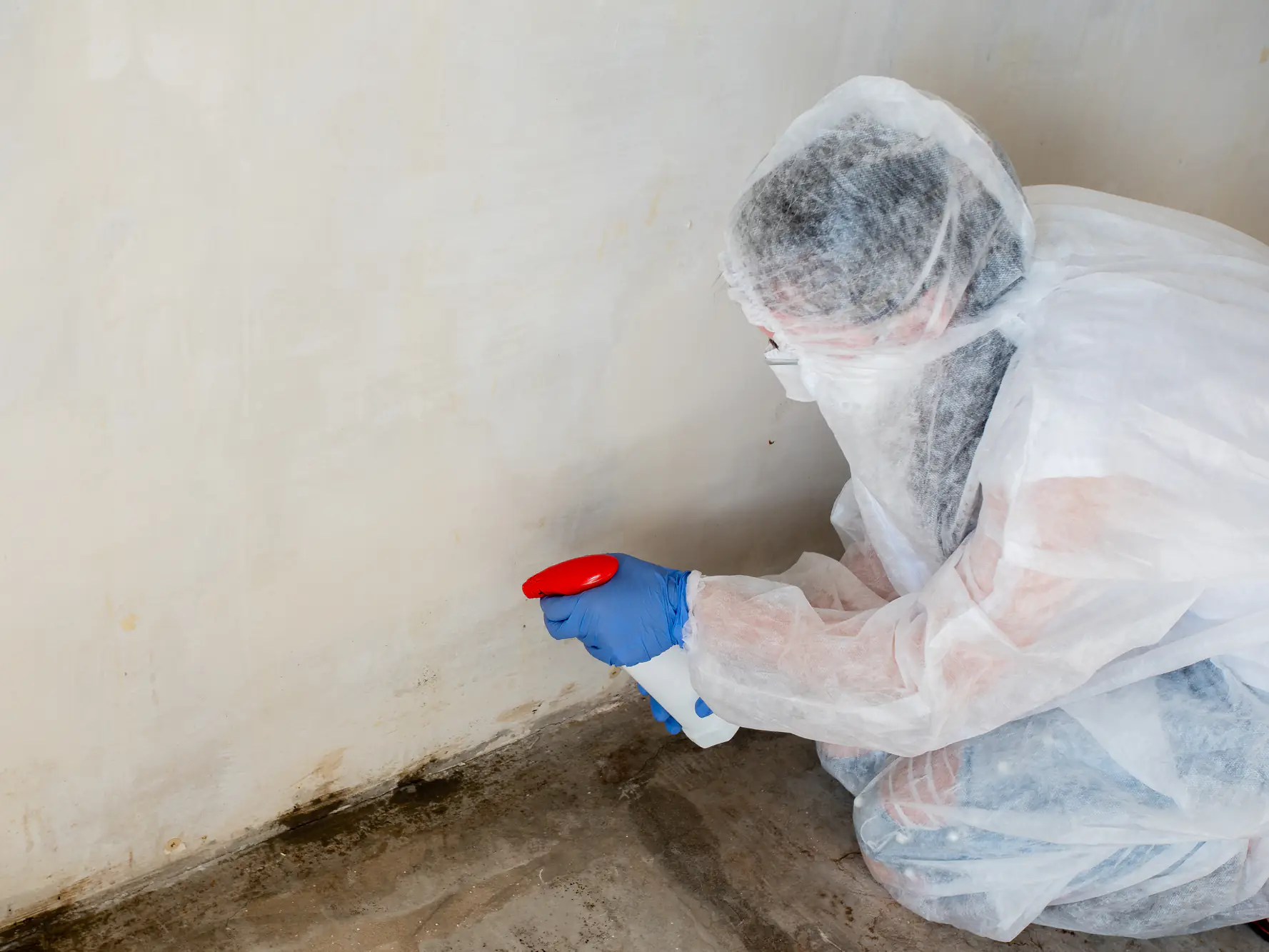
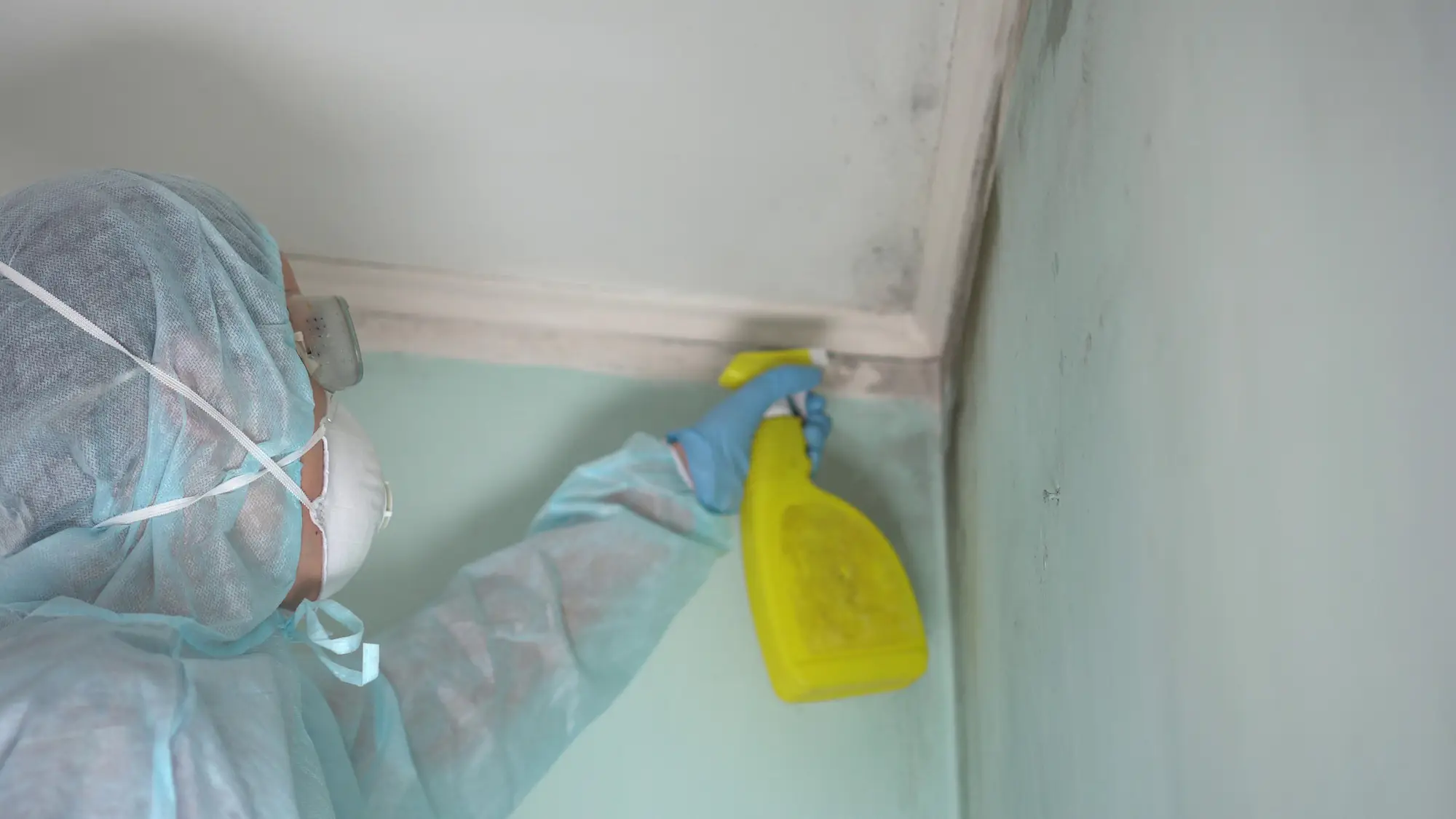
Next, we contain the affected area. Mold spreads through spores, so we seal off the work zone to prevent contamination of clean areas. Then we remove the mold using HEPA filtration and proper removal techniques—not just surface cleaning that leaves the roots behind.
But here’s the critical part most companies skip: we identify and fix the moisture source. Whether it’s a leaky pipe, poor ventilation, or groundwater seeping into your basement, the mold will return if the moisture problem isn’t addressed. We find it and tell you exactly what needs to happen.
Finally, we test the air quality to confirm the mold is gone. You’re not taking our word for it—you’re getting verification that your home is actually safe again.
Ready to get started?
You get a complete inspection using professional-grade detection equipment. We’re not eyeballing it—we’re using tools that measure moisture levels and identify temperature variations that indicate hidden mold growth.
You get proper containment and removal. That means HEPA air scrubbers, negative air pressure systems, and safe disposal of contaminated materials. Black mold, mildew, and other fungal growth are removed completely, not just wiped down with store-bought cleaner.
You get lab testing when needed. If we’re dealing with an extensive infestation or you need documentation for insurance or resale purposes, we take samples for professional analysis. This identifies the exact species and confirms our removal strategy is targeting the right problem.
Most importantly, you get the source identified. In Geryville and throughout Bucks County, we see the same patterns: basement moisture from Pennsylvania’s humid summers, poor attic ventilation, bathroom exhaust fans that vent into the attic instead of outside. We tell you what’s causing your mold problem and what needs to change so you’re not calling us back in six months.
The average mold remediation in Pennsylvania costs around $2,400, but that number varies based on the extent of growth and the source of moisture. Small bathroom mold is different from a flooded basement. We give you an honest assessment before we start work.

If you’re seeing visible mold growth, smelling a persistent musty odor, or dealing with unexplained respiratory symptoms that get better when you leave the house, you likely have a mold problem that needs professional attention.
Normal moisture evaporates and doesn’t leave lasting effects. Mold-causing moisture lingers—it’s the damp basement that never quite dries out, the bathroom ceiling that stays wet hours after a shower, or the crawl space with standing water after rain.
Here’s a simple test: if you’re wiping down the same spot repeatedly and the mold keeps coming back, you have a moisture source feeding it. That’s not something you can fix with bleach and elbow grease. The mold you see on the surface is just the visible part—the real problem is usually behind the wall or under the floor where moisture is trapped.
We use moisture meters that give exact readings. Anything above 60% relative humidity creates conditions for mold growth. In Geryville’s summer months, that’s common without proper ventilation or dehumidification.
Mold removal is what most people think they’re getting—someone comes in, cleans the visible mold, and leaves. Mold remediation is the complete process: finding all the mold, removing it properly, fixing the moisture source, and preventing future growth.
You can’t actually remove every single mold spore from a home—they’re everywhere in the air naturally. What you can do is reduce mold to normal, safe levels and eliminate the conditions that allow it to colonize and spread.
That’s remediation. It means we’re not just scrubbing your bathroom tiles. We’re identifying why mold is growing there in the first place, removing the contaminated materials if necessary, treating the area properly, and addressing the underlying moisture problem.
Most DIY mold removal fails because it only addresses surface growth. The moisture source remains, and the mold comes back within weeks or months. Professional mold remediation specialists fix the root cause so you’re not dealing with the same problem repeatedly.
A small, contained area like a bathroom might take one to two days. A larger infestation affecting multiple rooms or structural areas can take three to five days or longer, depending on the extent of contamination and necessary repairs.
The timeline depends on several factors: how much mold is present, where it’s located, what’s causing it, and how much material needs to be removed. A small patch of surface mold is quick. Mold behind walls that requires drywall removal and replacement takes longer.
Here’s the typical breakdown: inspection and assessment take a few hours. Containment setup takes a few hours. Actual removal can take one to three days depending on scope. Cleaning and air scrubbing add another day. If you need reconstruction after removal, that’s additional time.
We don’t rush the process to hit an arbitrary deadline. Proper mold remediation requires time for containment, removal, cleaning, drying, and verification. Cutting corners means you’re likely to see mold return, which defeats the entire purpose of hiring professionals.
It depends on what caused the mold. If mold resulted from a covered peril like a sudden pipe burst or storm damage, most homeowners insurance policies will cover remediation. If it’s from long-term neglect or maintenance issues, probably not.
Insurance companies typically cover mold that results from “sudden and accidental” water damage. A washing machine hose that bursts and floods your basement—that’s usually covered. A slow leak you ignored for months that created a mold problem—that’s usually not.
You need to read your specific policy. Some policies have mold coverage caps, often around $10,000. Some exclude mold entirely unless you purchase additional coverage. Some cover removal but not testing or prevention.
Here’s what helps: document everything. Take photos of the mold and any water damage. Get a professional inspection report. Keep records of when you discovered the problem and what caused it. This documentation supports your claim and shows you acted promptly.
We can work with your insurance company and provide the documentation they need. But you should contact your insurer as soon as you discover mold to understand your coverage before work begins.
Small surface mold on non-porous materials—like tile grout or a windowsill—you can probably handle yourself with proper safety equipment. Anything larger than about 10 square feet, anything on porous materials like drywall or wood, or anything caused by contaminated water should be handled by professionals.
Here’s why: mold removal releases spores into the air. Without proper containment and air filtration, you’re spreading the problem throughout your home. Without proper protective equipment, you’re exposing yourself to health risks, especially with black mold species.
DIY removal also misses the critical step: identifying and fixing the moisture source. You can scrub mold off a wall, but if the leak behind that wall isn’t fixed, you’re just temporarily masking the problem. It’ll be back, often worse than before.
Professional mold remediation specialists use HEPA filtration, negative air pressure, proper containment barriers, and moisture detection equipment you don’t have access to. We also know when materials need to be removed versus cleaned, which saves you from either under-treating or over-treating the problem.
The cost of doing it wrong—health issues, property damage, failed home inspections—usually exceeds the cost of hiring professionals from the start. Especially in Bucks County where humidity creates persistent mold conditions.
Control moisture and you control mold. That means fixing leaks immediately, improving ventilation in bathrooms and kitchens, using dehumidifiers in basements and crawl spaces, and addressing any drainage issues around your foundation.
In Geryville, humidity is your biggest enemy during summer months. Keep indoor humidity below 50% using dehumidifiers or air conditioning. Make sure bathroom exhaust fans vent outside, not into your attic. Check your gutters and downspouts to ensure water drains away from your foundation, not toward it.
Look for early warning signs: condensation on windows, musty odors, water stains on ceilings or walls, or peeling paint. These indicate moisture problems before mold becomes visible. Address them immediately instead of waiting for mold to appear.
After professional remediation, we identify the specific moisture source in your home and tell you exactly what needs to change. Maybe it’s a sump pump that needs installation, maybe it’s better attic ventilation, maybe it’s fixing grading around your foundation. Whatever it is, that’s your prevention strategy.
Regular inspections help too. Check basements, crawl spaces, attics, and bathrooms periodically for signs of moisture or early mold growth. Catching problems early means simple fixes instead of extensive remediation.
Other Services we provide in Geryville