
Hear from Our Customers
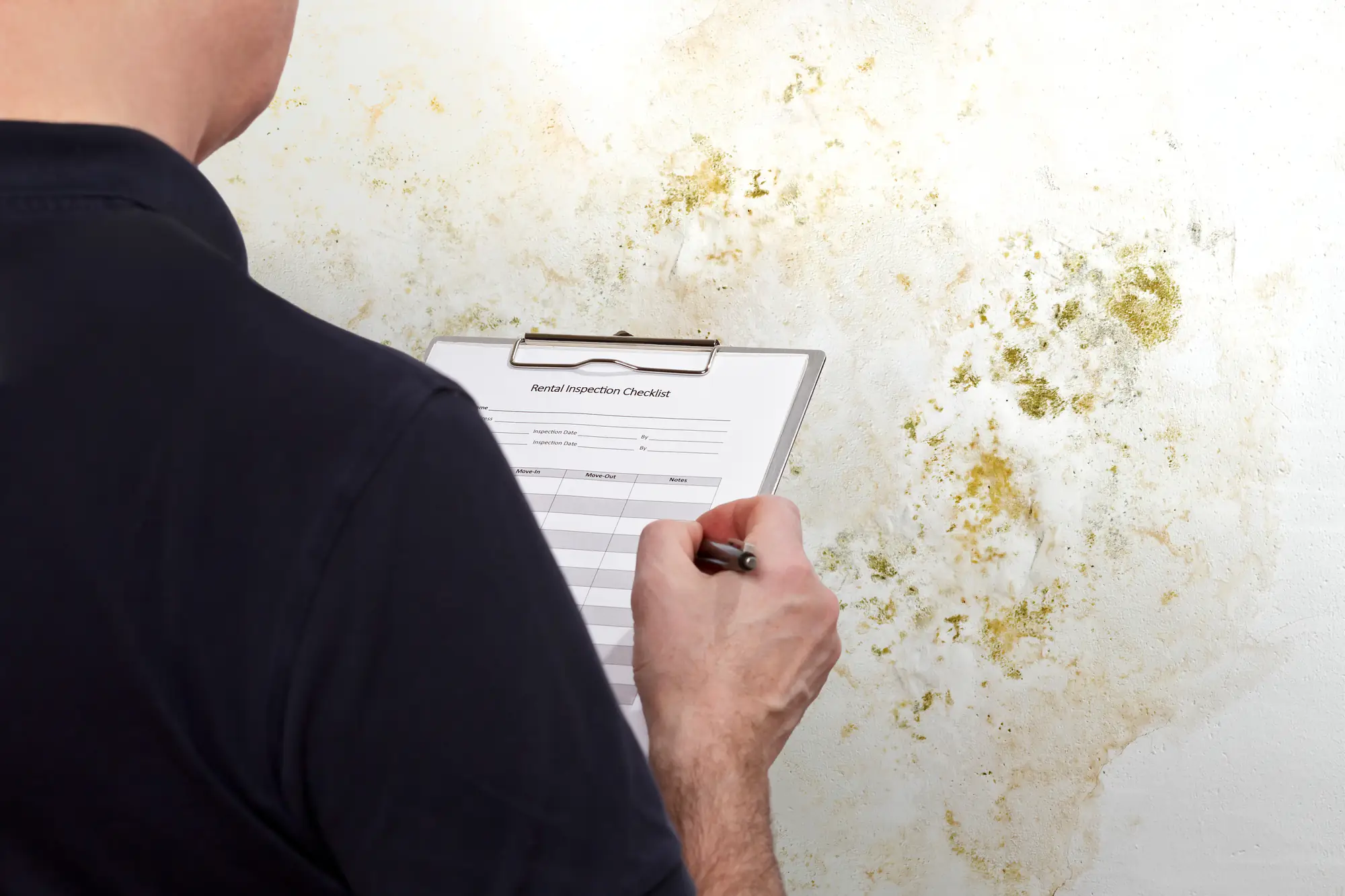
You can’t fix what you can’t see. That’s the problem with mold in Hartsville homes—it hides behind walls, under floors, in crawl spaces, and inside HVAC systems where humidity from Bucks County’s damp climate creates perfect growing conditions.
A professional mold inspection gives you the full picture. You’ll know if there’s mold, what type it is, where it’s growing, and how far it’s spread. That means no guessing, no unnecessary work, and no paying for remediation you don’t actually need.
The inspection also identifies the moisture source—the real problem. Without fixing that, mold just comes back. You get a detailed report that shows exactly what needs attention and what doesn’t, so you can make informed decisions about your home and your budget.
We’ve been serving Hartsville and the surrounding Bucks County area for years. Our inspectors are certified, experienced, and familiar with the specific mold challenges that come with Pennsylvania’s humid summers and damp winters.
We don’t do the remediation work ourselves. That’s intentional. When your inspector has no financial stake in selling you mold removal services, you get unbiased results you can trust. We’re here to tell you what’s actually happening in your home—not to upsell you on work you don’t need.
When local insurance companies need reliable documentation, they call us. When contractors find mold during renovations, they refer their clients to us. That reputation matters in a small community like Hartsville.
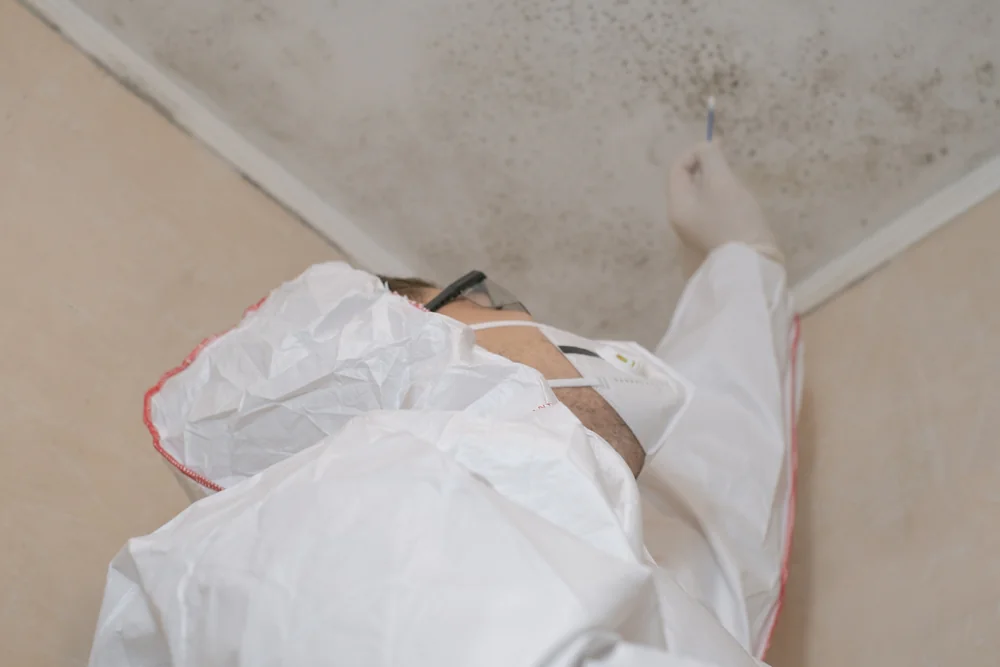
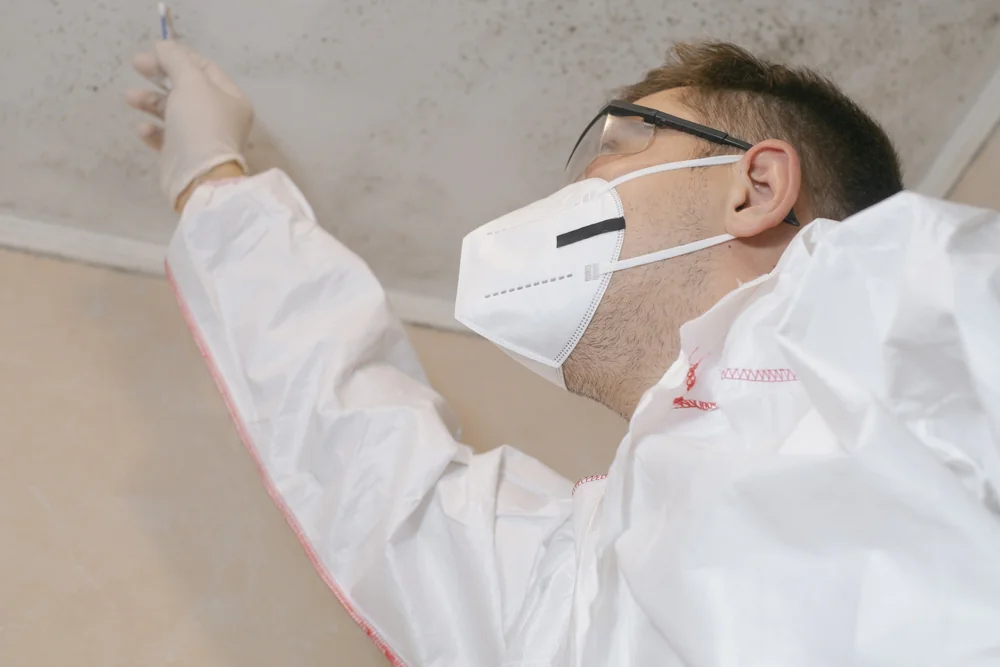
The inspection starts with a visual assessment of your entire property. We check the obvious spots—basements, bathrooms, attics—and the places most people miss, like behind appliances, inside ductwork, and around windows where condensation builds up.
We use moisture meters to detect elevated humidity levels inside walls and floors. Thermal imaging cameras show us temperature differences that indicate hidden water intrusion. If we find visible mold or suspect hidden growth, we take air samples and surface samples to identify the specific mold species and concentration levels.
Those samples go to an independent lab for analysis. You receive a detailed report that explains what was found, where the moisture is coming from, and what steps make sense for your situation. The whole process typically takes a few hours, and you’ll have lab results within a few days. No jargon, no pressure—just clear information so you can decide what happens next.

Ready to get started?
Every mold inspection includes a thorough visual examination of your property, moisture mapping with professional-grade meters, and thermal imaging to detect hidden water damage. If we identify areas of concern, we collect air samples to measure airborne mold spore levels and surface samples from suspected growth areas.
In Hartsville and throughout Bucks County, we see mold problems most often in basements where clay soil and high groundwater tables create chronic moisture issues. Attics are another common trouble spot—temperature swings between Pennsylvania’s cold winters and hot summers cause condensation that leads to mold growth on roof decking and insulation.
You’ll receive a comprehensive report that documents everything we found, including photos, moisture readings, lab results identifying mold species, and specific recommendations. The report is detailed enough for insurance claims, real estate transactions, or legal situations if needed. We also walk you through the findings so you understand what’s happening in your home and why. No confusing technical language—just straightforward explanations that help you make the right call for your property and your family.
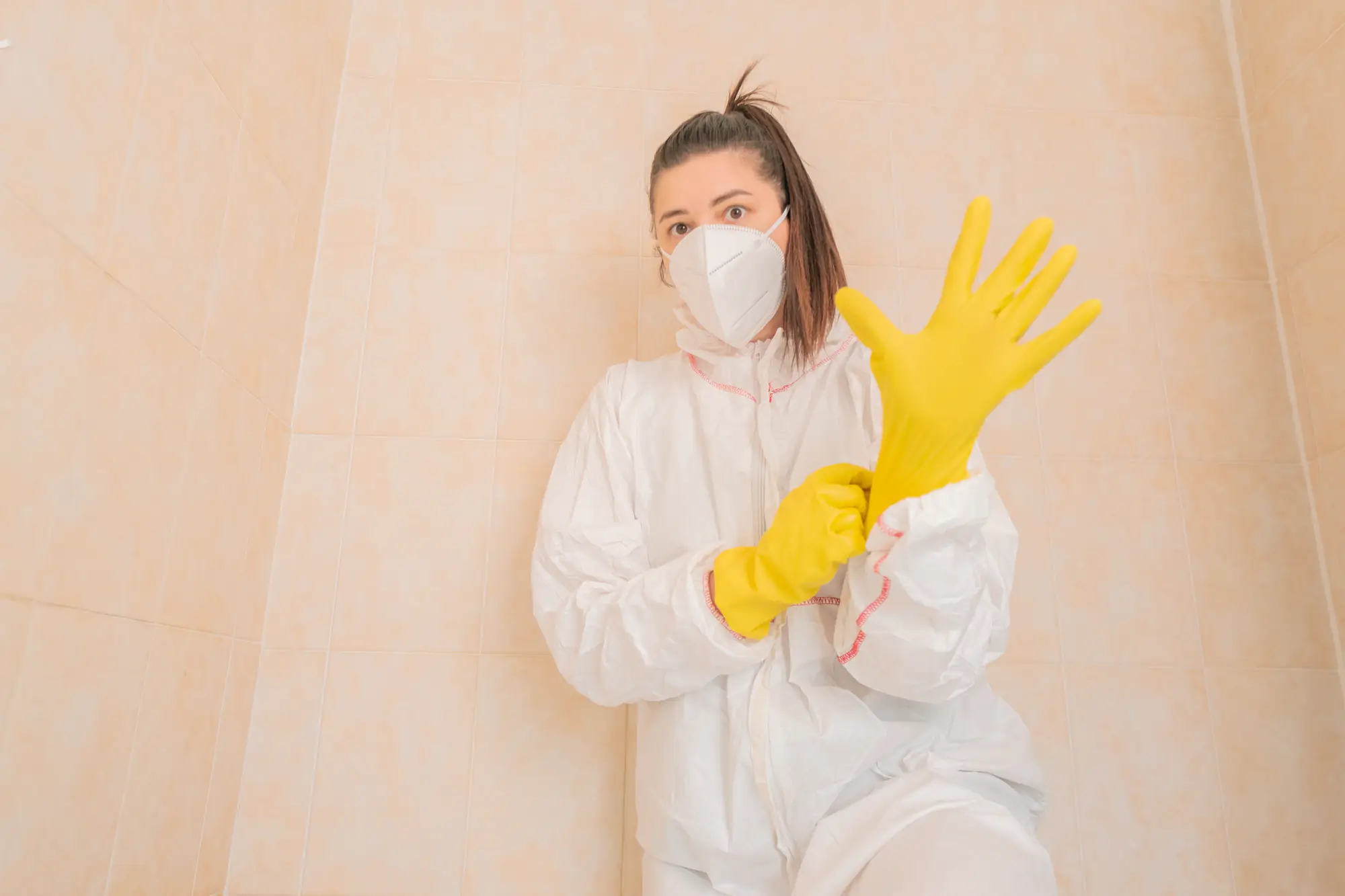
You need an inspection if you’re experiencing signs that mold might be present. That includes musty odors that don’t go away, visible discoloration on walls or ceilings, water damage from leaks or flooding, or health symptoms like persistent sinus issues, coughing, or allergy symptoms that improve when you leave the house.
If you’re buying or selling a home in Hartsville, an inspection protects everyone involved. Mold is one of the most common deal-breakers in Bucks County real estate, and having documentation before closing prevents surprises that can derail transactions or lead to disputes later.
You should also get an inspection after any water damage event—even if materials were dried quickly. Mold can start growing within 24 to 48 hours, and it often develops in hidden areas you can’t see. An inspection confirms whether the drying process was successful or if mold has already taken hold behind walls or under flooring.
A standard home inspection covers the overall condition of a property—structure, electrical, plumbing, HVAC, and other major systems. Home inspectors look for visible issues but aren’t required to test for mold, and they typically don’t have the specialized equipment or training to detect hidden mold growth.
A mold inspection is focused specifically on identifying mold and the moisture conditions that allow it to grow. We use moisture meters, thermal imaging, air sampling, and lab analysis—tools that go far beyond what a general home inspector uses. The goal is to find mold that’s hidden from view and measure spore levels in the air you’re breathing.
If your home inspector notes moisture problems, musty smells, or visible staining, that’s when you call for a dedicated mold inspection. It’s a deeper dive into a specific issue, and the results give you actionable information about whether mold is present, what type it is, and what needs to happen next.
The on-site inspection usually takes two to four hours depending on the size of your home and how many areas need detailed assessment. We’re thorough but efficient—we’re not going to waste your time, but we’re also not going to rush through and miss something important.
If we collect air or surface samples, those go to an independent lab for analysis. Lab results typically come back within three to five business days. You’ll receive a full written report that includes photos, moisture readings, lab results, and our recommendations.
We also schedule a follow-up call to walk through the findings with you. That’s when you can ask questions and get clarity on what the results mean for your specific situation. Some companies just send a report and disappear—we make sure you actually understand what you’re looking at and what your options are moving forward.
No. Mold inspections are non-invasive. We don’t cut into walls or tear out materials during the inspection process. Our moisture meters and thermal imaging cameras detect problems without causing any damage to your home.
If we need to collect a surface sample from visible mold, we use a small swab or tape lift that doesn’t leave marks or require repair. Air sampling is completely non-invasive—we just set up equipment that pulls air through a collection device.
In rare cases where we suspect hidden mold but can’t confirm it without looking inside a wall cavity, we’ll discuss that with you first. Any invasive investigation would only happen with your explicit approval, and we’d coordinate with you on the best approach. But in most inspections, we can gather all the information needed without touching your walls or creating extra work for you.
Yes. The inspection itself doesn’t create any health risks or require you to leave. We’re not disturbing mold or releasing spores into the air—we’re just documenting what’s already there. You’re welcome to stay during the process, and many homeowners prefer to walk through with us so they can see what we’re finding in real time.
After the inspection, whether you should stay in the home depends on what we find. If the mold growth is limited and not affecting your living spaces, there’s typically no reason to leave. If we discover significant contamination or high spore levels in areas you’re using daily, we’ll have an honest conversation about your options.
For homes with extensive mold problems—especially if someone in the household has respiratory issues, allergies, or a compromised immune system—temporary relocation during remediation might make sense. But that’s a decision you’ll make based on the specific findings and your family’s health considerations. We’ll give you the facts and let you decide what’s right for your situation.
Inspection costs vary based on the size of your property and the scope of testing needed. A basic visual inspection with moisture mapping for an average-sized home typically runs a few hundred dollars. If air sampling and lab analysis are needed, that adds to the cost because we’re paying an independent lab for certified results.
Larger homes, properties with multiple suspected areas, or situations requiring extensive sampling will cost more. We give you a clear price upfront based on what your situation requires—no surprise charges or hidden fees after the fact.
It’s worth comparing that cost to what you’re protecting against. Catching mold early can save you thousands in remediation costs and property damage. If you’re in a real estate transaction, spending a few hundred dollars on an inspection now can prevent a deal from falling apart or protect you from inheriting someone else’s mold problem. And if health issues are involved, knowing what you’re breathing matters more than the inspection fee.
Other Services we provide in Hartsville