

Hear from Our Customers
Your air clears up. That musty smell in the basement disappears. You stop worrying every time someone in your house coughs or sneezes.
The black spots behind the washing machine are gone. The discoloration creeping up your bathroom wall stops spreading. Your home inspection doesn’t get derailed by a mold clause, and you’re not scrambling to fix something that should’ve been handled months ago.
Mold doesn’t just look bad—it eats away at drywall, wood, and insulation while you’re trying to figure out if it’s serious. It is. The longer it sits, the more it costs to remove and the harder it becomes to control. You’re not overreacting by wanting it handled now.
When mold removal is done right, you’re not just cleaning a surface. You’re eliminating the source, drying out the moisture that caused it, and making sure it doesn’t show up again next season when Hartsville’s humidity kicks back in.
We work in Hartsville and throughout Bucks County, where basements flood, crawl spaces stay damp, and attics trap moisture all summer long. We’ve seen what happens when mold gets ignored—and what it takes to actually fix it.
Our team uses thermal imaging and moisture meters to find mold you can’t see yet. We’re IICRC certified, which means we follow the same protocols used nationwide for safe, effective mold remediation. We’re also available 24/7 at 215-431-4744 because mold doesn’t wait for business hours, and neither do we.
You’re not getting a crew that shows up, sprays bleach, and leaves. You’re getting technicians who understand how Pennsylvania’s weather creates mold problems and how to stop them at the source.

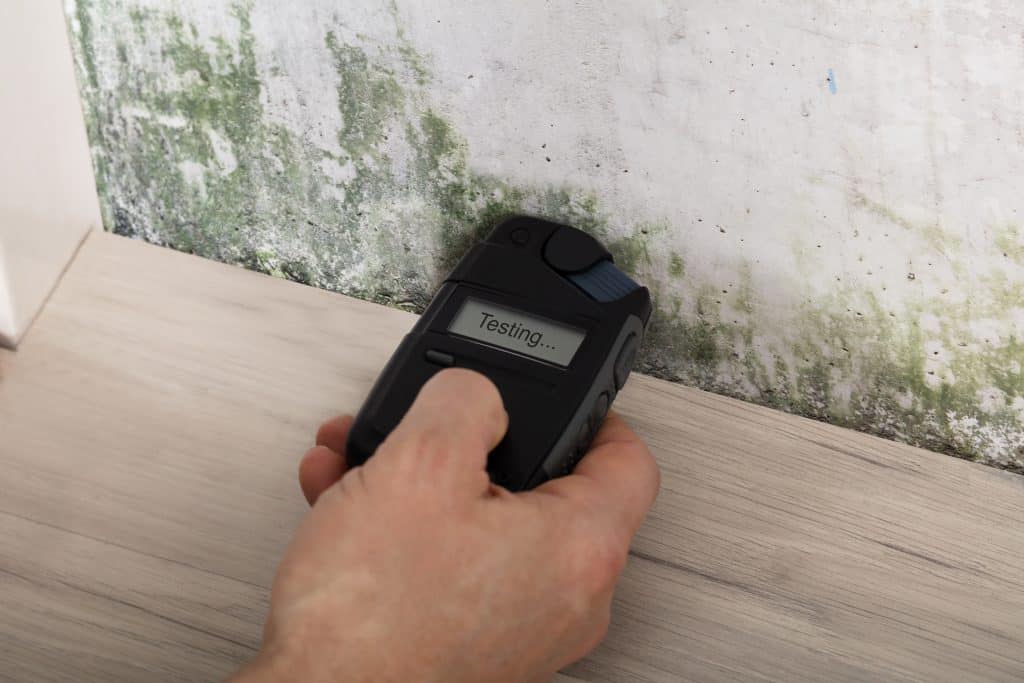
First, we inspect your property with thermal imaging and moisture detection tools. We’re looking for visible mold and the hidden growth behind walls, under floors, and in spaces you can’t access. You’ll know exactly where the problem is and how far it’s spread before we start any work.
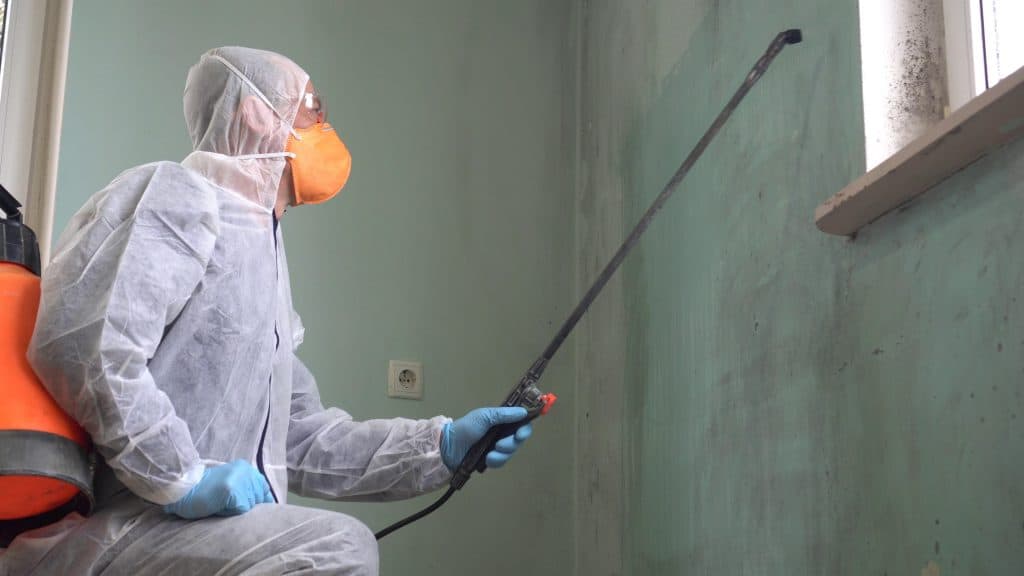
Next, we contain the area to prevent mold spores from moving into clean parts of your home. We remove contaminated materials, treat affected surfaces, and use HEPA filtration to clean the air. If the mold is widespread, we bring in EPA-registered dry fogging technology that reaches into cracks, crevices, and porous materials without requiring demolition.
After removal, we address the moisture source—whether that’s a leaky pipe, poor ventilation, or water seeping through your foundation. If the moisture problem isn’t fixed, mold will return. We’ll walk you through what needs to change so you’re not dealing with this again in six months.
Finally, we document everything for your records and insurance, if needed. You’ll have a clear timeline, photos, and a summary of what was done.
Ready to get started?
You get a full mold inspection using advanced detection equipment that finds moisture and mold growth you can’t see. We test air quality, identify mold types, and measure contamination levels so there’s no guessing about what you’re dealing with.
Containment comes next. We seal off the affected area to keep spores from spreading during removal. Then we remove mold from walls, ceilings, floors, and any porous materials that can’t be salvaged. HEPA vacuums and air scrubbers run throughout the process to capture airborne spores.
In Hartsville, most mold problems start in basements. Bucks County’s clay-heavy soil doesn’t drain well, and older homes weren’t built with modern waterproofing. That means water finds its way into foundations, and mold follows. We see it constantly—and we know how to handle it without ripping out your entire basement.
After cleaning, we treat surfaces with antimicrobial solutions and check moisture levels to confirm the environment won’t support new growth. If your home needs better ventilation, dehumidification, or structural drying, we’ll tell you. You’ll leave with a clear understanding of what caused the mold and how to prevent it.
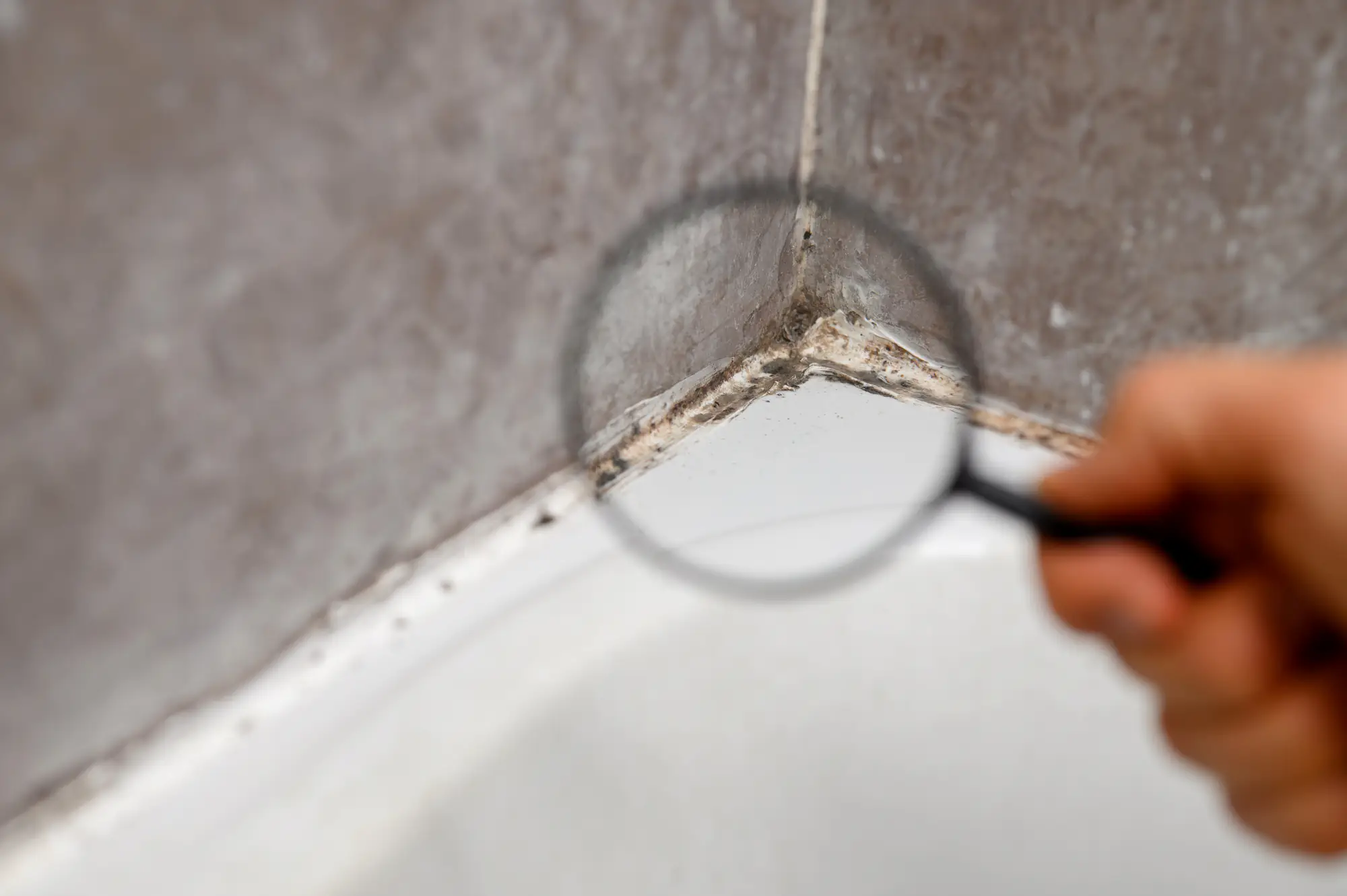
Mold can begin growing within 24 to 48 hours after water exposure. That’s not a lot of time, especially if you’re dealing with a burst pipe, roof leak, or basement flooding and trying to figure out your next move.
The clock starts as soon as materials get wet. Drywall, insulation, carpet, and wood all hold moisture—and that’s exactly what mold needs to grow. Even if the surface looks dry, moisture can be trapped inside walls or under flooring where you can’t see it.
If you’ve had any kind of water intrusion in your Hartsville home, don’t wait to see if mold appears. By the time you notice discoloration or smell that musty odor, it’s already established. The faster you dry out the space and address hidden moisture, the better your chances of avoiding a full-blown mold problem.
Small surface mold on non-porous materials like tile or glass can sometimes be cleaned with the right products and safety precautions. But black mold—or any mold covering more than 10 square feet—should be handled by a mold specialist.
Here’s why: disturbing mold releases spores into the air. If you’re scrubbing or tearing out materials without proper containment, you’re spreading contamination throughout your home. You’re also putting yourself at risk for respiratory issues, especially if the mold is toxic or you have asthma, allergies, or a weakened immune system.
Professional mold removal means containment, HEPA filtration, protective equipment, and treating the moisture source so mold doesn’t come back. If the mold is behind walls, under flooring, or in your HVAC system, you won’t even know it’s there without the right detection tools. Trying to DIY that usually makes things worse and costs more to fix later.
Mold removal costs depend on the size of the affected area, the type of mold, and how much structural damage has occurred. A small bathroom mold issue might cost a few hundred dollars. A basement with widespread contamination and water damage can run several thousand.
Most mold remediation projects in Bucks County fall somewhere in between. The biggest cost drivers are the extent of contamination, whether materials need to be removed, and what’s required to fix the underlying moisture problem. If your crawl space has been wet for months, you’re looking at more work than a recent leak that got caught early.
We provide upfront estimates after inspecting your property. You’ll know what the job involves and what it costs before any work starts. If you’re filing an insurance claim, we’ll document everything and work with your adjuster. Many homeowners insurance policies cover mold removal if it’s tied to a covered event like a burst pipe or storm damage—but not if it’s from long-term neglect or maintenance issues.
Basements in Hartsville deal with a combination of high humidity, poor drainage, and older construction methods that weren’t designed to handle moisture the way modern homes are. Bucks County sits on clay-heavy soil that doesn’t absorb water well, so rain and snowmelt push against foundations instead of draining away.
Add in Pennsylvania’s humid summers, and your basement becomes a perfect environment for mold. Condensation forms on cool concrete walls, water seeps through cracks in the foundation, and air circulation is often limited. If you have an unfinished basement or a crawl space, moisture has even more opportunity to sit and create problems.
Leaking pipes, sump pump failures, and clogged gutters make it worse. Even something as simple as drying laundry in the basement or storing wet items can raise humidity levels enough to encourage mold growth. The key is controlling moisture—dehumidifiers, proper ventilation, waterproofing, and fixing leaks before they turn into bigger issues.
Mold will come back if the moisture problem isn’t fixed. Removing visible mold is only part of the job. If water is still leaking, humidity is still high, or ventilation is still poor, you’re just buying time until it grows again.
That’s why professional mold remediation includes identifying and addressing the source of moisture. Maybe it’s a leaky pipe, a crack in your foundation, condensation from poor airflow, or a roof that’s letting water in during storms. Whatever it is, it has to be corrected or you’ll be dealing with mold again within months.
After we remove mold, we’ll walk you through what needs to change. That might mean installing a dehumidifier, improving ventilation, sealing foundation cracks, or rerouting water away from your home. Some fixes are simple. Others require more work. Either way, you’ll know what’s necessary to keep mold from returning, and you can make informed decisions about your home.
Homeowners insurance in Pennsylvania typically covers mold removal if the mold resulted from a sudden, accidental event like a burst pipe, appliance malfunction, or storm damage. If your washing machine hose breaks and floods your laundry room, and mold grows as a result, that’s usually covered.
What insurance doesn’t cover is mold caused by long-term neglect, lack of maintenance, or ongoing moisture problems you didn’t address. If your basement has been damp for years and mold finally appears, your insurer will likely deny the claim because the issue was preventable.
Every policy is different, so you’ll need to check your coverage and exclusions. Some policies have mold caps that limit how much they’ll pay out, even for covered events. We help with documentation and work directly with insurance adjusters to make the claims process easier. If you’re filing a claim, call us before you start removing anything—insurers want to see the damage and verify the cause before approving coverage.
Other Services we provide in Hartsville