
Mold Inspection in Nockamixon, PA

Find Hidden Mold Before It Costs You Thousands

Free inspection using infrared cameras and moisture meters to detect mold behind walls, under floors, and inside HVAC systems where you can’t see it.
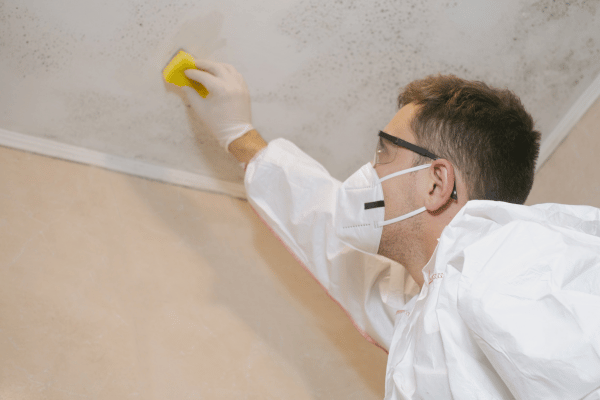
Protective worker in safety suit inspecting or treating mold spots on an indoor ceiling, addressing moisture damage and potential mold growth inside a building.

Hear from Our Customers

Professional Mold Detection Services Nockamixon

Know Exactly What You're Dealing With

You’ve noticed the musty smell. Maybe your allergies are worse at home than anywhere else. Or you’re about to close on a house and the appraiser mentioned moisture concerns.

Here’s what matters: mold doesn’t stay put. It spreads behind drywall, under flooring, through ductwork. By the time you see it, you’re already dealing with a bigger problem than you think.

A real mold inspection tells you where it is, how much there is, and what’s causing it. Not a guess. Not a visual check. An actual assessment using moisture meters and thermal imaging to find growth you’d never spot on your own.

That’s what stops a $2,000 problem from turning into a $15,000 one. And it’s what keeps your family from breathing in spores while you figure out what to do next.

Certified Mold Inspection Company Nockamixon

We've Been Doing This in Bucks County for Years

We work across Nockamixon and the surrounding Bucks County area. We know the older homes near Street Road. We know what humidity from the Delaware River does to basements. We know what happens after heavy spring rains hit properties without proper drainage.

Our inspectors are certified, and our equipment isn’t something you rent at a hardware store. We use thermal cameras, moisture detection tools, and air quality testing to give you a full picture of what’s happening inside your walls.

We’re available when you need us, including emergencies. And the initial inspection is free, so you’re not paying just to find out if you have a problem.

Protective worker collecting a mold sample from a stained indoor ceiling using a swab, inspecting moisture damage and potential mold growth inside a building.

Home Mold Inspection Process Nockamixon

Here's What Happens During Your Inspection

First, we walk through your property and talk about what you’ve noticed. Smells, water damage, health symptoms, visible spots. Anything that brought you here.

Then we inspect the areas you’re concerned about, plus the ones most people miss. Crawl spaces, attics, behind appliances, inside HVAC systems. We use moisture meters to check walls and floors for hidden water. Infrared cameras show us temperature differences that indicate moisture or airflow problems. If needed, we take air samples or surface samples to identify the type of mold and spore concentration.

After the inspection, you get a clear report. Where the mold is. What’s causing it. What needs to happen next. No jargon. No upselling. Just the information you need to make a decision.

If remediation is necessary, we’ll give you an upfront estimate before any work starts. If it’s minor and you can handle it yourself, we’ll tell you that too.

Home interior with mold remediation in progress as a worker sprays treatment on a wall using a ladder, while a resident relaxes on a covered sofa in a renovated living room.

Ready to get started?

Explore More Services

About Mack's Mold Removal

Black Mold Inspection Nockamixon PA

What You Get with a Full Mold Inspection

A complete mold inspection covers your entire property, not just the spots where you see stains. That includes basements, attics, bathrooms, kitchens, and any area with plumbing or ventilation.

We check moisture levels in walls, ceilings, and floors. We inspect HVAC systems where mold spreads quickly through ductwork. We look for the source—leaks, condensation, poor ventilation, foundation issues—because treating mold without fixing the cause just means it comes back.

In Nockamixon, the humid continental climate creates year-round conditions for mold growth. Summers are hot and wet. Winters bring freeze-thaw cycles that crack foundations and let water in. Spring rains flood basements. Older homes without modern moisture barriers are especially vulnerable.

You also get documentation. If you’re buying or selling a home, that report matters. Some mortgage companies won’t fund a loan until mold is addressed. Appraisers flag it. Buyers walk away. A certified inspection gives you leverage, clarity, and a plan.

How do I know if I actually need a mold inspection?

If you smell something musty that won’t go away, that’s reason enough. Mold has a distinct odor, and if you’re noticing it consistently in certain rooms or throughout the house, there’s likely hidden growth somewhere.

You should also consider an inspection if you or your family have worsening allergy symptoms, sinus issues, or fatigue that improves when you leave the house. Mold exposure affects people differently, but respiratory irritation is one of the most common signs.

Water damage is another red flag. Even if it’s been dried and repaired, mold can grow behind walls or under flooring if moisture wasn’t fully addressed. If you’ve had leaks, flooding, roof damage, or plumbing issues in the past year, an inspection can confirm whether mold took hold.

DIY kits can tell you if mold spores are present, but they won’t tell you where the mold is growing, how much there is, or what’s causing it. Mold spores exist everywhere. The question isn’t whether they’re in your home—it’s whether there’s active growth and a moisture problem feeding it.

Those kits also miss hidden mold. They test the air in one room, but mold could be growing inside your walls, under your floors, or in your HVAC system. You’ll get a result that says “mold detected,” but you’re still left guessing about the scope and location.

A professional inspection uses thermal imaging and moisture meters to pinpoint problem areas. You get a full assessment, not just a yes-or-no answer. If you’re trying to decide whether to invest in remediation or you’re dealing with a real estate transaction, a certified inspection carries actual weight.

An inspection identifies the problem. Remediation fixes it. You can’t skip the inspection and go straight to remediation, because you need to know where the mold is, how extensive it is, and what’s causing it before you start tearing into walls or treating surfaces.

During an inspection, we assess your property, locate mold growth, test air quality if needed, and identify the moisture source. You get a report and a plan. Remediation is the actual removal process—containment, air filtration, removal of contaminated materials, cleaning, and treatment to prevent regrowth.

Some companies try to sell you remediation without a proper inspection. That’s a problem, because if you don’t address the moisture issue or you miss hidden mold, it just comes back. A thorough inspection ensures the remediation is done right the first time, and nothing gets missed.

For most homes, expect one to two hours. Larger properties or homes with multiple problem areas may take longer. The timeline depends on the size of your home, the number of areas we need to inspect, and whether we’re taking air or surface samples for lab testing.

We’re not rushing through it. We’re checking every area that could harbor mold—basements, crawl spaces, attics, behind appliances, inside HVAC systems. We’re using moisture meters and thermal cameras to detect hidden issues. That takes time, but it’s the only way to give you an accurate assessment.

After the inspection, you’ll get a detailed report within a few days. If it’s an emergency or you’re on a tight timeline for a real estate transaction, we can prioritize your report. The goal is to give you answers quickly so you can make informed decisions without unnecessary delays.

No. A mold inspection is non-invasive. We use moisture meters that don’t require drilling or cutting. Thermal imaging cameras detect temperature and moisture differences through walls without any physical contact. Air sampling and surface sampling involve swabs or air cassettes, not demolition.

If we find evidence of mold behind a wall or under flooring, we’ll let you know, but we don’t start cutting into your home during an inspection. That happens during remediation, and only after you’ve reviewed the findings and approved the work.

The only time an inspection might involve minor intrusion is if there’s already visible damage—like a soft spot in drywall or a section of flooring that’s clearly compromised. In those cases, we may need to confirm what’s behind the surface, but we’ll discuss it with you first. You’re not coming home to surprise holes in your walls.

Yes, especially if the home is older, has had water damage, or shows any signs of moisture issues. Mold is one of the most common deal-breakers in Bucks County real estate transactions. Appraisers flag it. Mortgage companies delay funding. Buyers back out.

A pre-purchase mold inspection protects you from inheriting someone else’s problem. Sellers aren’t always required to disclose mold unless they know about it, and even then, disclosure laws vary. An inspection gives you leverage to negotiate repairs, request remediation before closing, or walk away if the problem is too extensive.

Nockamixon’s climate and older housing stock make mold a real concern. Humid summers, damp winters, and homes built before modern moisture barriers were standard create ideal conditions for hidden growth. If you’re spending hundreds of thousands of dollars on a property, a few hundred for an inspection is a small price for peace of mind and protection.

Other Services we provide in Nockamixon