
Hear from Our Customers
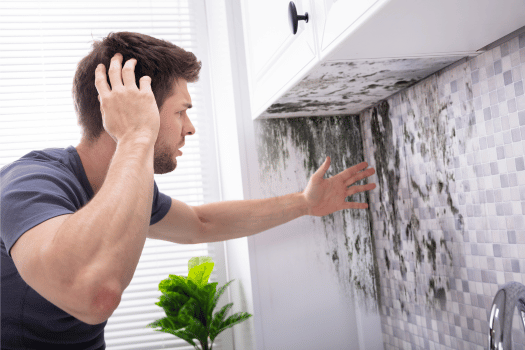
You can’t fix what you can’t see. That’s the problem with mold in Port Richmond homes—it hides behind walls, under carpets, in crawl spaces, and inside HVAC systems. By the time you notice the musty smell or see visible growth, it’s already been there for weeks.
A proper mold inspection doesn’t just look at the obvious spots. It finds the source—the leaky pipe, the basement seepage, the poorly vented bathroom that’s been feeding mold growth for months. You get a full picture of what’s happening in your home, where the moisture is coming from, and what needs to happen next.
That means no guessing. No wondering if you missed something. Just a clear assessment that tells you if you have a mold problem, how serious it is, and what it’ll take to fix it for good. You’ll know if it’s black mold, if it’s affecting your air quality, and whether your family’s health is at risk. That’s what a real home mold inspection should do.
We’ve spent years helping homeowners across Port Richmond, Bucks County, and the greater Philadelphia area deal with mold problems the right way. We’re not new to this. We know the older rowhouses, the shared-wall construction, the basement moisture issues that come with living in Northeast Philadelphia.
We use EPA-approved methods and state-of-the-art equipment to find mold you didn’t know was there. Our inspections are free because we want you to know what you’re dealing with before you spend a dime. We work with your insurance company if needed, and we don’t disappear after the inspection—we’re here to walk you through the next steps, answer your questions, and fix the problem if that’s what you need.
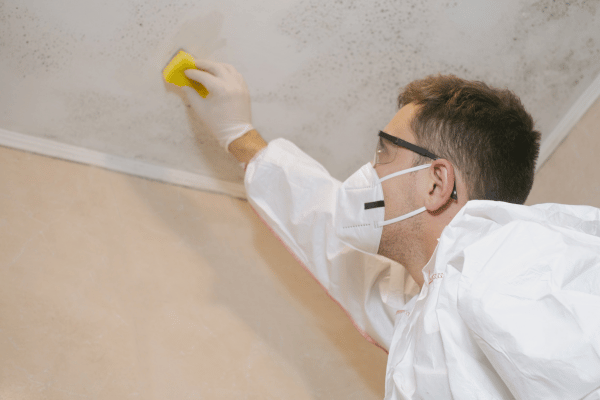
First, we schedule a free inspection at a time that works for you. When we show up, we’re not rushing through your house with a flashlight. We’re checking basements, attics, crawl spaces, behind appliances, inside wall cavities—anywhere moisture can get trapped and mold can grow.
We use moisture meters and thermal imaging to detect hidden water damage. We take air quality samples and surface samples if needed to identify the type of mold and how widespread it is. If we find something, we explain it in plain language—no jargon, no scare tactics. Just the facts about what’s there and what it means for your home.
After the inspection, you get a detailed report that outlines what we found, where the moisture is coming from, and what your options are. If remediation is needed, we give you an upfront estimate with no surprises. If it’s something you can handle yourself, we’ll tell you that too. The goal is to give you enough information to make the right call for your home and your family.
Ready to get started?
Every mold inspection we do in Port Richmond includes a full visual assessment of your property, moisture detection using professional-grade equipment, air quality testing to measure mold spore levels, and surface sampling when necessary to identify specific mold types like black mold. You’re not paying for a guy with a clipboard—you’re getting a thorough evaluation that uncovers the real problem.
Port Richmond’s housing stock makes this even more important. A lot of homes here were built decades ago with brick foundations, unfinished basements, and poor ventilation. Add in Philadelphia’s humid summers and coastal moisture, and you’ve got the perfect recipe for mold growth. Older homes also tend to have plumbing that’s seen better days, which means slow leaks that go unnoticed until mold shows up.
We’ve seen it all—ice dams from harsh winters causing attic mold, basement flooding from summer storms, HVAC systems spreading mold spores through the whole house. That’s why our inspections don’t just look for mold. We look for the conditions that let mold thrive, so you can stop it from coming back. You walk away knowing what’s wrong, why it happened, and how to prevent it in the future.
We offer free mold inspections. That means you can get a professional assessment of your home without spending anything upfront. We do this because we want you to know what you’re dealing with before you make any decisions.
If testing is needed—like air quality samples or lab analysis to identify specific mold types—there may be a cost for that, but we’ll tell you before we do it. Most of the time, a visual inspection and moisture detection are enough to figure out if you have a mold problem and where it’s coming from. If remediation is needed, we’ll give you a clear, upfront estimate so there are no surprises.
A mold inspection is a visual assessment of your property to find visible mold, moisture problems, and conditions that allow mold to grow. We’re looking at your basement, attic, bathrooms, crawl spaces, and anywhere else moisture can hide. We use moisture meters and thermal imaging to detect water damage you can’t see.
Mold testing goes a step further. It involves taking air samples or surface samples and sending them to a lab to identify the type of mold and measure spore levels in your home. Testing is useful if you’re dealing with health symptoms and need to know if black mold or other toxic molds are present. It’s also helpful if you’ve had remediation done and want to confirm the mold is actually gone. Not every situation requires testing, but when it does, we’ll explain why and what you’ll learn from it.
You can check for visible mold yourself, but you’ll miss a lot. Mold hides in places you can’t easily access—inside walls, under flooring, in HVAC ducts, behind appliances. It also grows in areas where moisture problems aren’t obvious, like slow leaks inside walls or condensation in poorly vented attics.
A professional mold inspection uses equipment you don’t have at home. Moisture meters tell us if there’s hidden water damage. Thermal imaging shows us temperature differences that indicate leaks or poor insulation. Air quality testing measures mold spore levels even when you can’t see growth. We also know what to look for based on years of experience with Port Richmond homes—the common problem areas, the types of construction that trap moisture, the signs that something’s wrong even if mold isn’t visible yet. If you’re serious about finding out if you have a mold problem, a professional inspection is the only way to get the full picture.
Most mold inspections take between one and two hours, depending on the size of your home and how many areas need to be checked. If your house is larger or has multiple levels, basements, attics, and crawl spaces, it might take a bit longer.
We’re not rushing through it. We’re checking every area where mold is likely to grow—bathrooms, kitchens, basements, attics, around windows and doors, near plumbing, inside HVAC systems. We’re also looking for the source of moisture, which is just as important as finding the mold itself. After the inspection, we’ll walk you through what we found and answer any questions you have. If testing is involved, lab results usually come back within a few days, and we’ll go over those with you as soon as we have them.
If we find mold, we’ll show you where it is, explain how serious the problem is, and tell you what’s causing it. Not all mold requires full remediation—sometimes it’s a small area that can be cleaned and prevented from coming back by fixing a leak or improving ventilation.
If the mold is widespread, hidden inside walls, or involves toxic types like black mold, we’ll recommend professional remediation. That means containment to stop mold spores from spreading, removal of contaminated materials, treatment of affected areas with EPA-approved solutions, and fixing the moisture problem so mold doesn’t return. We’ll give you a detailed estimate that breaks down what needs to happen and how much it’ll cost. If insurance covers it, we’ll work with your provider to make the claims process easier. You’ll have all the information you need to decide how to move forward, and we’ll be here to help if you want us to handle the remediation.
If you smell something musty, see visible mold growth, or notice water stains on walls or ceilings, you need an inspection. But those aren’t the only signs. If you’ve had water damage from a leak, flood, or storm and didn’t fully dry everything out, mold is likely growing somewhere. If your basement feels damp, your attic has poor ventilation, or your HVAC system hasn’t been cleaned in years, those are all conditions that let mold thrive.
Health symptoms can also be a clue. If you or your family are dealing with unexplained allergies, asthma flare-ups, headaches, or respiratory issues that get worse at home, mold could be the cause. Port Richmond homes are especially vulnerable because of the older construction, high humidity, and moisture problems common in this area. If you’re buying or selling a home, a mold inspection is a smart move to avoid surprises down the road. When in doubt, get it checked. A free inspection gives you peace of mind or catches a problem before it gets worse.
Other Services we provide in Port Richmond